Jun 30, 2017 | Mosquito, Pest Control
Common pests you’ll see after rainy weather:
The best way to prevent rainy day bugs:
- Keep shrubbery and trees trimmed and away from your home’s exterior
- Take out garbage daily
- Clean up spills immediately
- Don’t leave pet food out
- De-clutter
- Seal off pest entry points
- Interior and exterior pest control treatments by a professional exterminator
- Eliminate sources of standing water (inside and outside)
- Mosquito bite prevention
- Monthly mosquito treatments
Feb 7, 2017 | Mosquito, Pest Control
It’s raining, it’s pouring… the bugs are exploring!
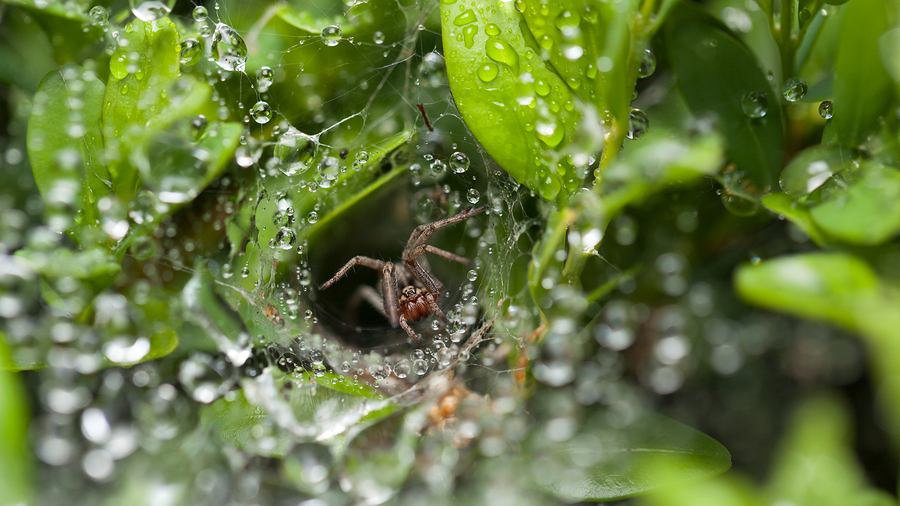
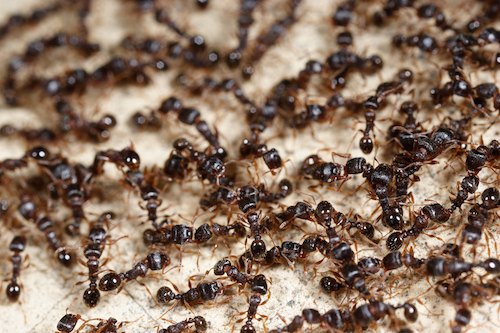
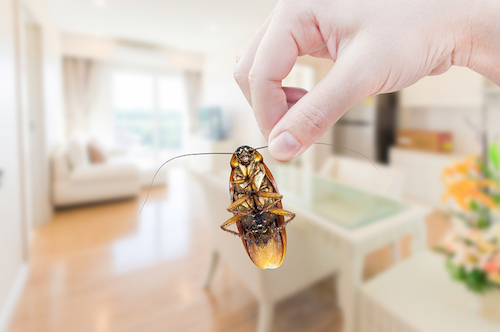
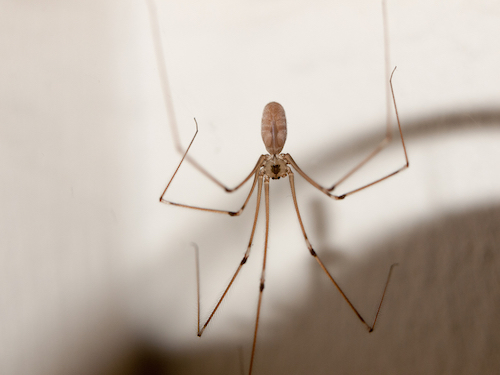
You may notice an invasion of pests like ants, roaches, and spiders into your home after a rainy day. Why? In most cases, their shelter is compromised, forcing the bugs out of hiding in search of a drier refuge.
The best way to avoid this is with proactive pest control. Make your home less appealing to pests and restrict access by keeping shrubbery and trees trimmed and away from your home’s exterior, take out garbage daily, clean up spills, don’t leave pet food out, de-clutter, and seal off any entry points. You can also ask your local exterminator to apply preventative pest control products, usually in granular form, around your home’s perimeter. This helps to limit the number of pests in close proximity to your home and act as a barrier.
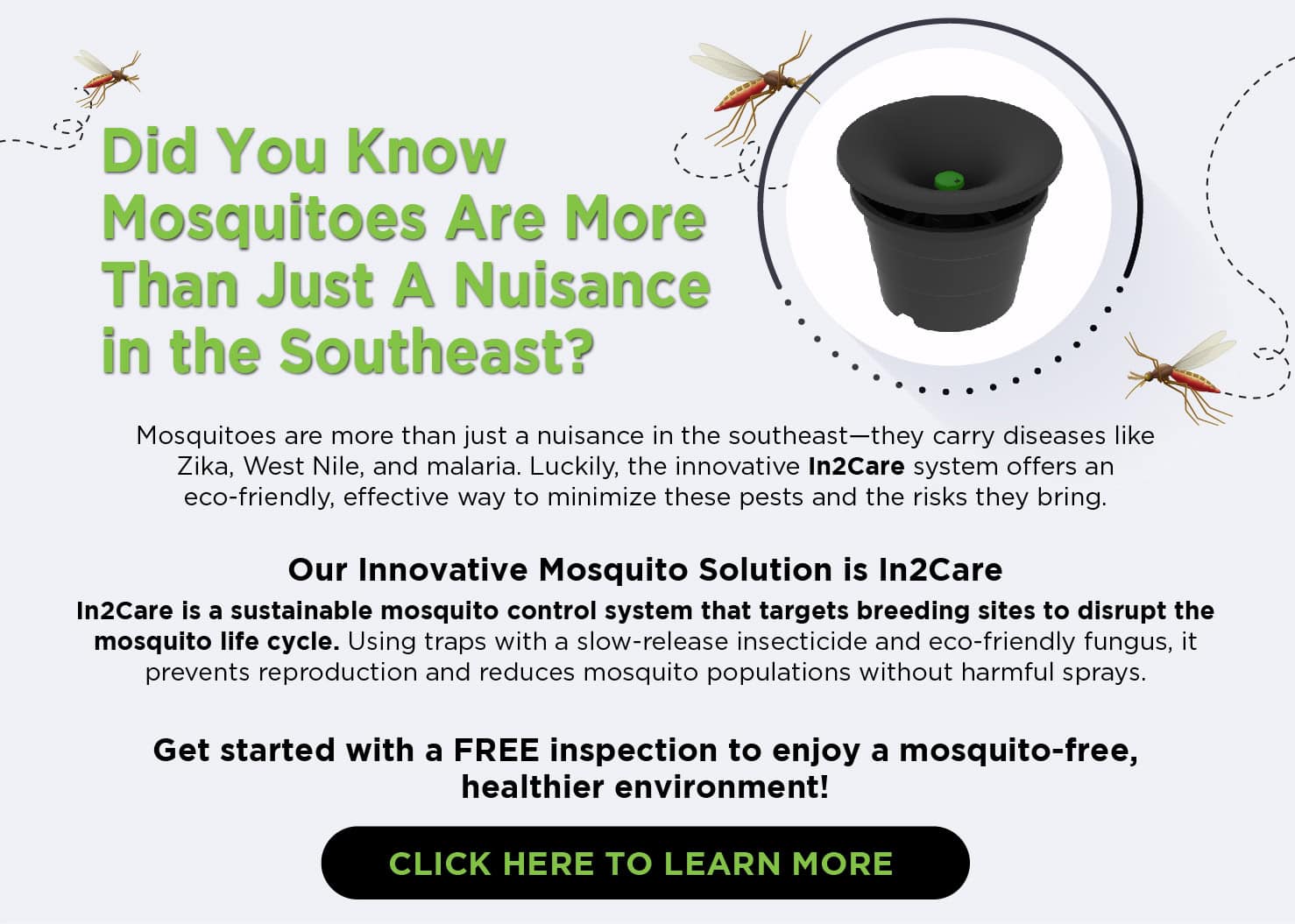
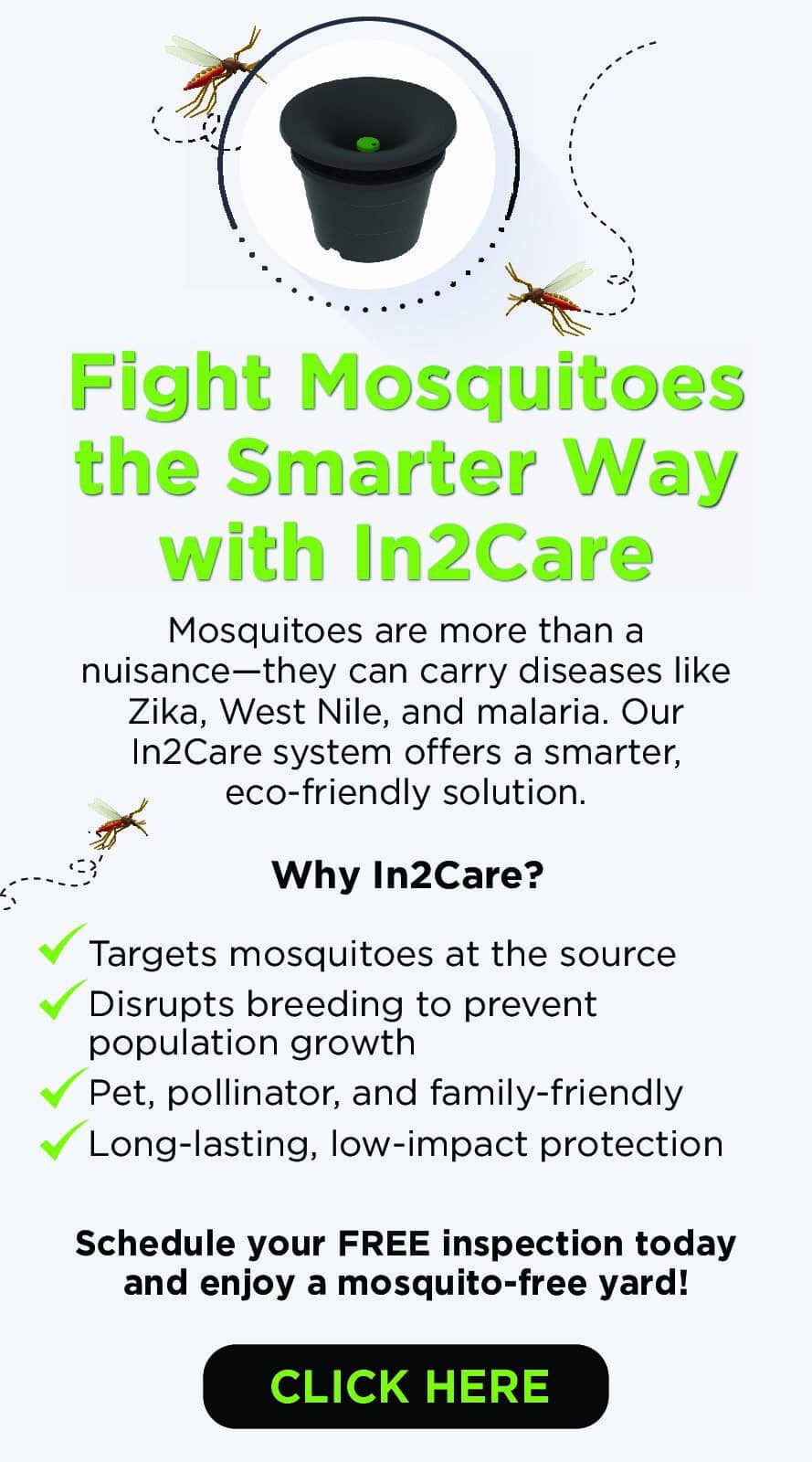
Another side effect of lots of rain: mosquitoes. Once the weather warms up, mosquitoes will be out in full-force. Help to reduce mosquito bites by eliminating sources of standing water that may have accumulated during heavy rainfall. You can also get rid of mosquitoes with monthly treatments during mosquito season targeting mosquito breeding and resting sites in your yard.
May 6, 2016 | DIY, DIY Pest Control, Mosquito, Pest Control
While pests in the house are a year-round nuisance here in the South, certain bugs are more active in warmer months. If you own or rent a home or apartment, you’re likely to come across one or all of these 5 summer pests. Here’s what you can do to prevent them.
1. Ants
Most of the ants you’ll find in your home won’t bite, but that’s not always the case. It’s best to eliminate any potential food sources and entry points to keep them out. You can do this by sealing cracks and crevices and by keeping a clean house. Take the trash out regularly, store food in sealed containers, and clean up spills immediately. Leaving pet food unattended can also attract ants and other pests, so keep the food in a sealed container when not being eaten by pets, and off of floors.
2. Mosquitoes
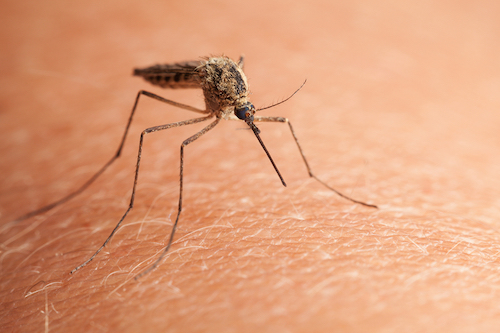
We’ve likely all been bitten at some point by mosquitoes. They’re active in warmer months and lay their eggs in standing water. In order to have the nutrients to lay these eggs, female mosquitoes need a food source – blood from humans and pets. If bitten, you may experience stinging or itching. In rare cases, mosquitoes will transmit diseases to their host. To prevent mosquitoes, eliminate any standing water around your home – debris, toys, bird baths, fountains, ponds, pet water bowls, etc. Wear mosquito repellent when outdoors, make sure pets are current on heartworm medication, and consider a professional mosquito control service from your local exterminating company.
3. Fleas
As temperatures heat up, fleas come out to play by attaching themselves to a food source – usually your pets. Because flea allergies are common, the bites can be itchy and painful, and they transmit diseases, it’s important to keep your pets current on preventative flea medication. Give them baths regularly, keep pet beds clean, and vacuum often. If your pet gets infested with fleas, we recommend contacting a pest control professional. Fleas reproduce quickly and can be hard to get rid of.
4. Flies
Keeping flies out can be hard to do in the summer. Just like most other pests, they’re looking for food. Prevent flies from spreading bacteria throughout your home by keeping windows and doors closed, taking the trash out often and moving garbage cans away from the exterior of your home. Don’t leave food out and clean up dishes and spills immediately.
5. Roaches
Roaches thrive in warm, humid temperatures. And because they eat almost anything, they can be hard to get rid of once inside your home. They’re most often seen in kitchens and bathrooms. Because they spread bacteria and often cause severe allergic reactions, it’s a good idea to contact an exterminator if you’re seeing roaches. Where there’s one roach, there’s probably a few hundred more hiding somewhere close. They reproduce quickly and are one of the most difficult pests to get rid of once your home is infested. To prevent roaches, keep a clean house, don’t bring in boxes or newspapers, and seal any cracks, holes or crevices.
May 6, 2016 | Mosquito, Pest Control
While pests in the house are a year-round nuisance here in the South, certain bugs are more active in warmer months. If you own or rent a home or apartment, you’re likely to come across one or all of these 5 summer pests. Here’s what you can do to prevent them.
1. Ants
Most of the ants you’ll find in your home won’t bite, but that’s not always the case. It’s best to eliminate any potential food sources and entry points to keep them out. You can do this by sealing cracks and crevices and by keeping a clean house. Take the trash out regularly, store food in sealed containers, and clean up spills immediately. Leaving pet food unattended can also attract ants and other pests, so keep the food in a sealed container when not being eaten by pets, and off of floors.
2. Mosquitoes
We’ve likely all been bitten at some point by mosquitoes. They’re active in warmer months and lay their eggs in standing water. In order to have the nutrients to lay these eggs, female mosquitoes need a food source – blood from humans and pets. If bitten, you may experience stinging or itching. In rare cases, mosquitoes will transmit diseases to their host. To prevent mosquitoes, eliminate any standing water around your home – debris, toys, bird baths, fountains, ponds, pet water bowls, etc. Wear mosquito repellent when outdoors, make sure pets are current on heartworm medication, and consider a professional mosquito control service from your local exterminating company.
3. Fleas
As temperatures heat up, fleas come out to play by attaching themselves to a food source – usually your pets. Because flea allergies are common, the bites can be itchy and painful, and they transmit diseases, it’s important to keep your pets current on preventative flea medication. Give them baths regularly, keep pet beds clean, and vacuum often. If your pet gets infested with fleas, we recommend contacting a pest control professional. Fleas reproduce quickly and can be hard to get rid of.
4. Flies
Keeping flies out can be hard to do in the summer. Just like most other pests, they’re looking for food. Prevent flies from spreading bacteria throughout your home by keeping windows and doors closed, taking the trash out often and moving garbage cans away from the exterior of your home. Don’t leave food out and clean up dishes and spills immediately.
5. Roaches
Roaches thrive in warm, humid temperatures. And because they eat almost anything, they can be hard to get rid of once inside your home. They’re most often seen in kitchens and bathrooms. Because they spread bacteria and often cause severe allergic reactions, it’s a good idea to contact an exterminator if you’re seeing roaches. Where there’s one roach, there’s probably a few hundred more hiding somewhere close. They reproduce quickly and are one of the most difficult pests to get rid of once your home is infested. To prevent roaches, keep a clean house, don’t bring in boxes or newspapers, and seal any cracks, holes or crevices.
Jan 6, 2016 | Pest Control
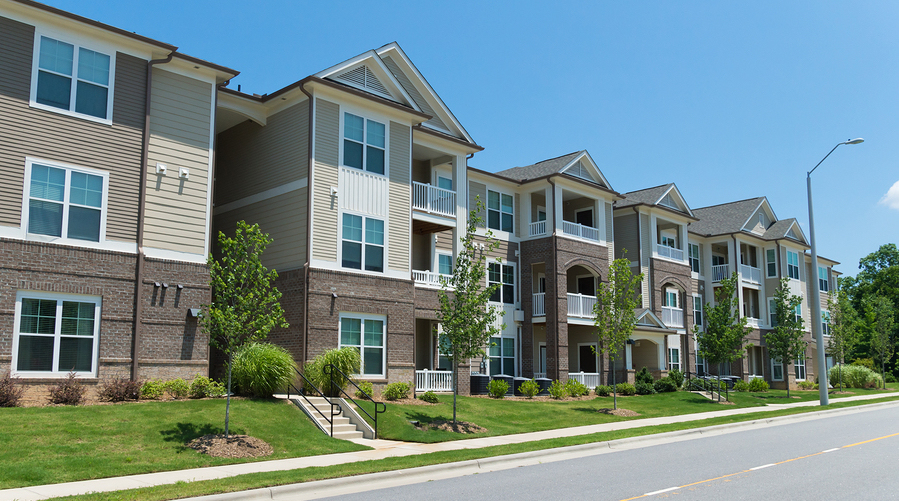
Apartment living often comes with its own pest control challenges. Here are 5 ways you prevent pests from entering or infesting your apartment.
1. Eliminate Food Sources
Pests will continue to thrive in areas where food is readily available (especially roaches and ants, common in apartment buildings). Store food in sealed containers, clear dirty dishes, keep counters, appliances, and floors clean, and take out garbage daily.
2. Eliminate Moisture
Like food, most common household pests need moisture to survive. Routinely check for leaks around your home and notify management so they can correct any issues.
3. Remove Clutter
Some pests, like spiders, like to hide it dark, undisturbed areas. Eliminating clutter reduces pest harborage sites and prevent reproduction. Keep pantries, cabinets and closets organized, avoid accumulating piles of clothing by using baskets and hampers, and remove any magazines, newspapers, stacks of paper, and boxes from your home when you’re done with them.
4. Seal Cracks & Crevices
If you see gaps, holes, or cracks around windows, doors, or plumbing pipes, contact management to repair them. These make excellent entry points for pests.
5. Professional Pest Control
Even if you’re taking all of the preventative measures above, you may still see pests in your apartment since your home’s walls are shared with other residents. Request pest control from management; most likely they have an exterminator on call that services the community. It’s also a good idea to have the apartment homes around you treated to ensure the pests don’t move to a nearby location.