Termites: The Swarming Begins
With the warmer months creeping up on us, it’s time to start preparing for the termite swarming season. Termites cause billions of dollars in damage each year and infestations are normally not found until considerable damage has already been done. It’s important to know what types of termites are active in your area to understand ways to prevent them from causing damage to your home.
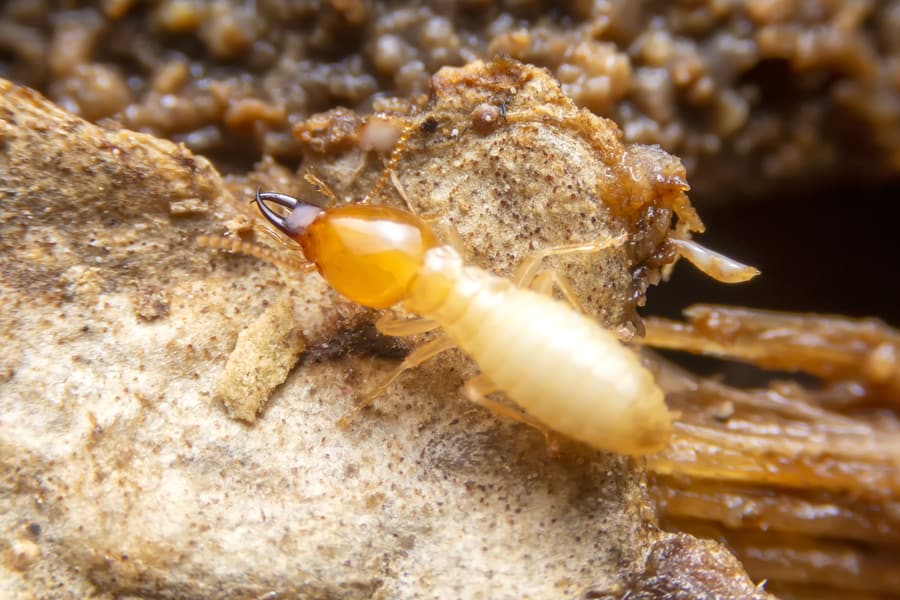
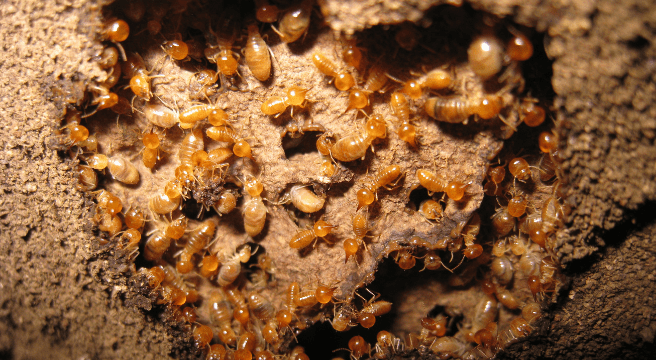
The most common type of termite in the southeast is the subterranean termite. This termite species lives in underground colonies with as many as two million members but can also be found in moist, secluded areas above ground. They are the most destructive termite species and, over time, can potentially collapse a building. This is due to their hard, saw-toothed jaws that work like shears and can bite off extremely small fragments of wood, one piece at a time. They typically begin their swarming season in early spring, usually during daylight hours.
Swarming is beneficial when creating new colonies. Termites swarm after a colony has reached a certain capacity and is ready to expand. This normally happens once per year for most colonies. Hundreds or even thousands of swarmers, also known as alates, are produced with the sole purpose of reproduction and expansion.
Swarming can occur indoors or outdoors. They cannot survive indoors because of the lack of soil to colonize. If found indoors, they are usually found near windows and light fixtures as they are attracted to light. Whether indoors or outdoors, they usually can’t cause damage. As swarmers, they can’t bite, sting, or chew. The presence of swarms indicates that a colony is nearby, though; so although the swarmers can’t cause damage, the nearby colony can.
There are many ways to prevent swarming from happening. The first step is to eliminate any termite colonies in the area. To prevent termites, make sure there are no water sources nearby, including standing water around your home. Also, routinely inspect your foundation for loose mortar or bubbling paint to see if there are termites present.
Because a termite swarm indicates a nearby colony, homeowners should take precaution when one is spotted close to home. If you suspect you have a termite infestation, contact a professional local pest control company who can inspect your property and set up a termite control plan.