Oct 6, 2017 | DIY, DIY Pest Control, Pest Control
1. Mice and Rats

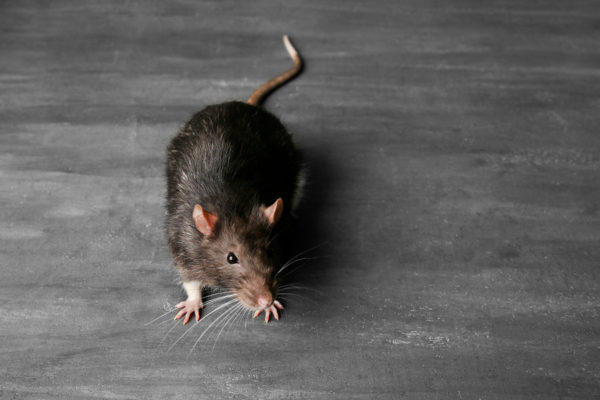
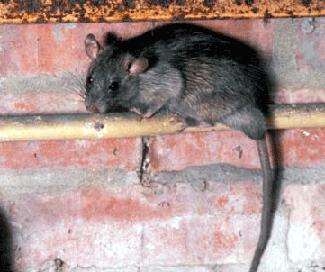
Mice and rats will seek shelter and warmth during the cold winter months. They can fit through very small openings so eliminating entry points is an effective way at preventing them from coming into your home. Eliminating food and water sources is also effective. Replace damaged roof tiles and fill any cracks in the roofing cement. Keep your attics and garages tidy and clutter free. Store your items in plastic containers versus cardboard. Install chimney caps to keep them from nesting inside your chimney. Cover your air vents with wire mesh. Store food in airtight containers and don’t leave any dirty dishes in the sink. Empty your trash regularly and make sure trash can lids are secure. Don’t leave trash bags out in the open. Clean countertops, stoves, and behind the fridge regularly and sweep and vacuum often. Seal holes around pipes using caulk or expanding foam. Keep branches and shrubbery trimmed away from the house and store firewood at least 20 feet from the home. Don’t leave pet food out overnight and seal unused pet food in airtight containers. Replace weatherstripping on windows and doors.
2. Squirrels
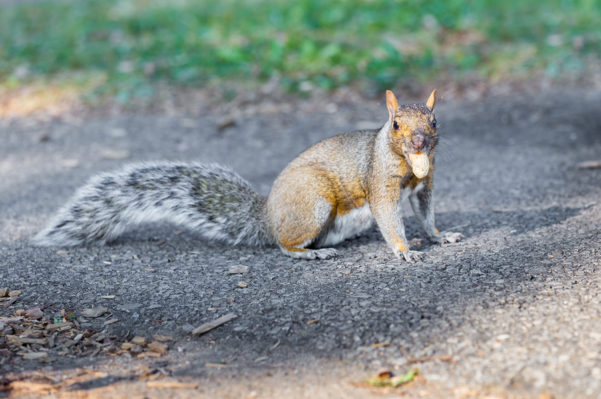
Squirrels like to frequent attics and chimneys to make their nests. Cover chimneys with chimney caps. Keep shrubbery trimmed away from the house and cut down overhanging limbs. Replace rotting wood and seal any entry points including where pipes and utilities come into the home and overhanging eaves.
3. Birds and Bats
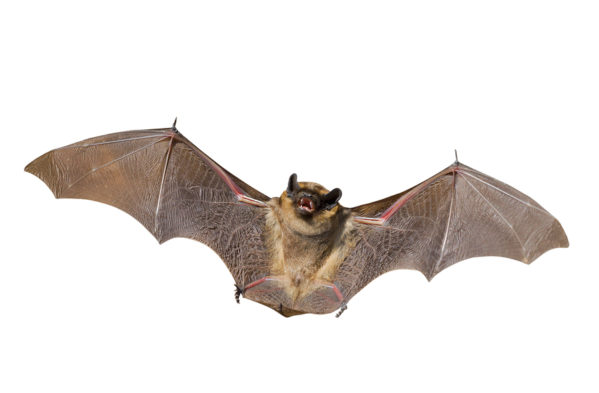
Birds and bats can and will come into your home through any opening in the exterior of the house. Chimneys should be sealed with chimney caps. Inspect the outside of your home for any openings and seal them with steel wool or foam rubber. Keep doors and windows shut as much as possible. Use screens if you must have your windows open and inspect the screens regularly for damage.
4. Cockroaches
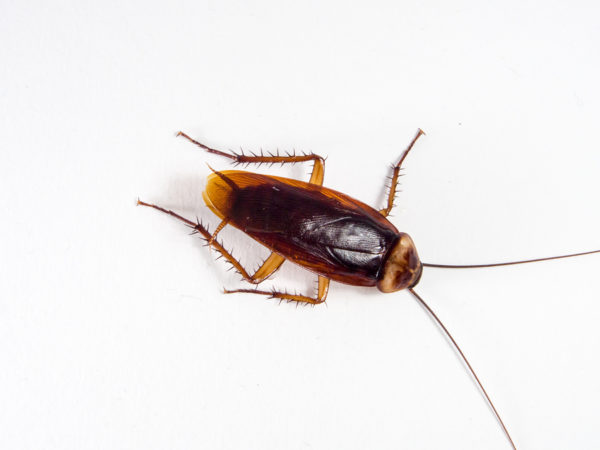
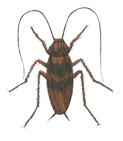
Cockroaches are attracted to moisture and excess water. They will also enter your home in search of food. Check your pipes regularly for leaks and repair quickly. Remove obstructions in pipes to prevent bursting and leaks. Seal around pipe entry points into the home. Clean your gutters. Store items in plastic containers rather than cardboard and keep them off the floor. Store food (including pet food) in airtight containers. Don’t leave dirty dishes in the sink. Wipe down countertops and sweep and vacuum regularly. Clean under sinks, in stoves, and behind appliances regularly. Empty the trash regularly.
5. Fleas
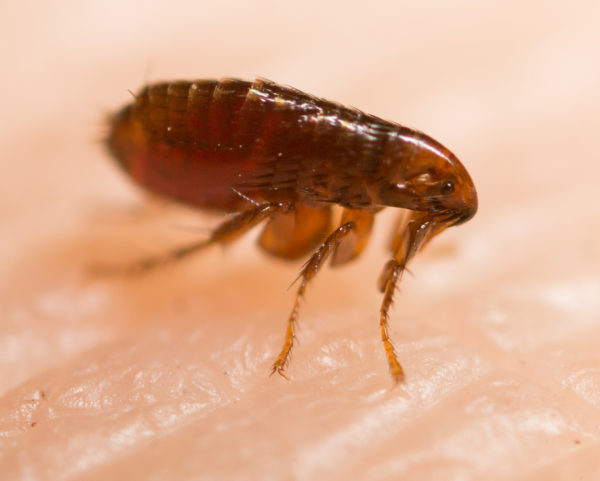
Fleas will hitch a ride into your home on your pets. The first step in preventing fleas is to treat your animals with a flea preventative, whether through medicine or shampoos or both. Check your rugs, carpets, furniture, and pet bedding for signs of fleas. Wash your pet’s bedding and other items in hot water frequently. Vacuum regularly and be sure to empty the vacuum each time you use it. Keep your grass mowed and your shrubs trimmed as this gives fleas less room to hide. Fleas can come into your yard on wild animals so don’t leave pet food out overnight to tempt them to enter your yard. Seal entry points into the house or under porches to prevent them from hiding there, as well.
6. Bed Bugs
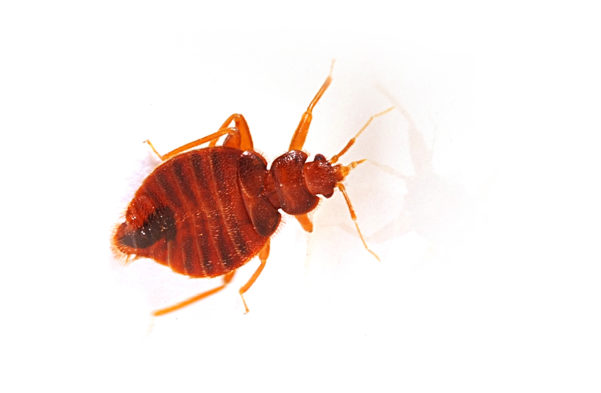
Bed bugs can come into your home in luggage (be vigilant about preventing bed bugs when traveling!) on furniture, bedding, boxes, and even clothing. Check luggage, furniture, bedding, etc. carefully before bringing it into your home. Use a mattress cover that encases the mattress and the box springs. Vacuum frequently. Wash and dry bedding on high heat regularly. Do the same with clothing after traveling.
7. Moths
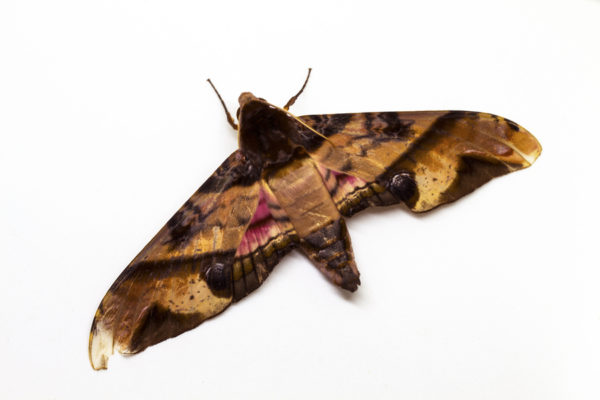
Moths are attracted to wool, fur, and upholstered furniture. Be sure to check your clothes regularly for signs of damage. Wash clothes and store them in sealed bags. Use moth balls. Vacuum and clean the insides of storage areas including wardrobes, closets, and drawers regularly.
8. Spiders
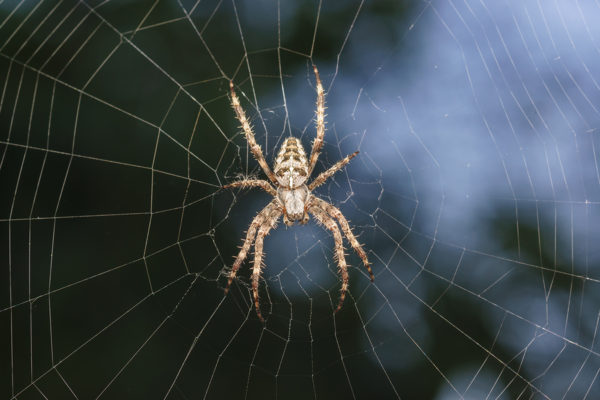
Spiders like to hide in areas of the home that are seldom used. Store seldom used items in sealed plastic containers. Seal cracks and holes in the exterior of your home to keep them from coming inside. Keep your outdoor lights off and use blinds or curtains to block the inside light. Spiders aren’t attracted to the lights but other insects are which the spiders feed on. This eliminates a food source for spiders. Keep shrubbery trimmed away from your home. Keep the grass mowed and remove debris from around your home. Sweep and vacuum regularly. Clear out as much clutter as possible. Vacuum spiders and spider webs.
Oct 6, 2017 | Pest Control
1. Mice and Rats
Mice and rats will seek shelter and warmth during the cold winter months. They can fit through very small openings so eliminating entry points is an effective way at preventing them from coming into your home. Eliminating food and water sources is also effective. Replace damaged roof tiles and fill any cracks in the roofing cement. Keep your attics and garages tidy and clutter free. Store your items in plastic containers versus cardboard. Install chimney caps to keep them from nesting inside your chimney. Cover your air vents with wire mesh. Store food in airtight containers and don’t leave any dirty dishes in the sink. Empty your trash regularly and make sure trash can lids are secure. Don’t leave trash bags out in the open. Clean countertops, stoves, and behind the fridge regularly and sweep and vacuum often. Seal holes around pipes using caulk or expanding foam. Keep branches and shrubbery trimmed away from the house and store firewood at least 20 feet from the home. Don’t leave pet food out overnight and seal unused pet food in airtight containers. Replace weatherstripping on windows and doors.
2. Squirrels
Squirrels like to frequent attics and chimneys to make their nests. Cover chimneys with chimney caps. Keep shrubbery trimmed away from the house and cut down overhanging limbs. Replace rotting wood and seal any entry points including where pipes and utilities come into the home and overhanging eaves.
3. Birds and Bats
Birds and bats can and will come into your home through any opening in the exterior of the house. Chimneys should be sealed with chimney caps. Inspect the outside of your home for any openings and seal them with steel wool or foam rubber. Keep doors and windows shut as much as possible. Use screens if you must have your windows open and inspect the screens regularly for damage.
4. Cockroaches
Cockroaches are attracted to moisture and excess water. They will also enter your home in search of food. Check your pipes regularly for leaks and repair quickly. Remove obstructions in pipes to prevent bursting and leaks. Seal around pipe entry points into the home. Clean your gutters. Store items in plastic containers rather than cardboard and keep them off the floor. Store food (including pet food) in airtight containers. Don’t leave dirty dishes in the sink. Wipe down countertops and sweep and vacuum regularly. Clean under sinks, in stoves, and behind appliances regularly. Empty the trash regularly.
5. Fleas
Fleas will hitch a ride into your home on your pets. The first step in preventing fleas is to treat your animals with a flea preventative, whether through medicine or shampoos or both. Check your rugs, carpets, furniture, and pet bedding for signs of fleas. Wash your pet’s bedding and other items in hot water frequently. Vacuum regularly and be sure to empty the vacuum each time you use it. Keep your grass mowed and your shrubs trimmed as this gives fleas less room to hide. Fleas can come into your yard on wild animals so don’t leave pet food out overnight to tempt them to enter your yard. Seal entry points into the house or under porches to prevent them from hiding there, as well.
6. Bed Bugs
Bed bugs can come into your home in luggage (be vigilant about preventing bed bugs when traveling!) on furniture, bedding, boxes, and even clothing. Check luggage, furniture, bedding, etc. carefully before bringing it into your home. Use a mattress cover that encases the mattress and the box springs. Vacuum frequently. Wash and dry bedding on high heat regularly. Do the same with clothing after traveling.
7. Moths
Moths are attracted to wool, fur, and upholstered furniture. Be sure to check your clothes regularly for signs of damage. Wash clothes and store them in sealed bags. Use moth balls. Vacuum and clean the insides of storage areas including wardrobes, closets, and drawers regularly.
8. Spiders
Spiders like to hide in areas of the home that are seldom used. Store seldom used items in sealed plastic containers. Seal cracks and holes in the exterior of your home to keep them from coming inside. Keep your outdoor lights off and use blinds or curtains to block the inside light. Spiders aren’t attracted to the lights but other insects are which the spiders feed on. This eliminates a food source for spiders. Keep shrubbery trimmed away from your home. Keep the grass mowed and remove debris from around your home. Sweep and vacuum regularly. Clear out as much clutter as possible. Vacuum spiders and spider webs.
Jun 4, 2014 | Wildlife
Scientists Develop a Use for Rats in Space
By: Katherine King
It seems like every little kid, and some (most) adults, dream of going to space one day. The only trouble seems to be the whole lack of gravity thing, minor details. Scientists have come up with a new way to study the effects of microgravity on astronauts…rats!
Scientists have developed new, high-tech cages that will allow for constant monitoring of rats or mice as they are in space. The cage provides food, water, fresh air, lighting, and bars to aid in movement. It is designed so that the rats can move from a transport cage to their main habitat without risk of escape. Rats and mice are great study animals, because they have similar eating habits to humans, have been extensively studied, and have a short life span. The new information gathered from the rats and mice will help scientists to understand the effects of microgravity over time, and help astronauts to come back healthier than in the past.
Scientists may not have been studying rodents in space for very long, but Northwest Exterminating has been studying rodents in your “space” for years! If you have a rodent problem, call Northwest Exterminating today.
Nov 22, 2013 | Uncategorized
The Proper Steps to Getting Rodents Out of Your Home
If you’ve read this blog before then you know that prevention is key. Whether talking about ants, termites, mice, or other pests and rodents, prevention is always the first step. Taking the proper steps to prevent these creatures from entering your home is the key to eliminating pest and rodent problems.
According to the Center for Disease Control and Prevention, rodents, such as rats and mice, spread over 35 diseases. Their diseases are spread through contamination by urine, feces, saliva, or bites.
So what are the proper steps to getting rid of rodents in your home?
First, is a thorough inspection of your home by a licensed professional who is knowledgeable about wildlife removal. Northwest Exterminating’s wildlife team specializes in the exclusion, removal, and control of rodents and wildlife. The wildlife team will inspect your property for any current infestations and points of entry. After that, they will work with you to customize a plan to get rid of any current rodents and the necessary steps to prevent future rodent infestations.
Second, is trapping the rodent. After your rodent control specialist has inspected your property and identified the infestation they will place traps or bait in the areas where the rodents will most likely travel.
Third, after rodents have been trapped and controlled, the wildlife team will work with you to take the necessary steps to prevent future rats and mice from returning. Proper prevention can include but is not limited to sealing cracks, blocking off entry points, eliminating food sources, and cutting back tree limbs from the roofline.
Lastly, it is very important that after the rodents have been properly trapped and out of your home that the area is carefully cleaned to avoid the spread of disease. Droppings and urine should be cleaned immediately, any nests should be removed, damaged wires repaired, and contaminated insulation should be replaced.
For more questions on rodent or wildlife control please call 888-466-7849 or visit us at www.callnorthwest.com
Feb 6, 2013 | Uncategorized
Roaches are often referred to as waterbugs. These bugs enter homes and commercial kitchens in search of food, water, and shelter.
Habits
- Enter through cracks and crevices
- Enter by way of boxes, containers, etc.
- Commonly found in areas with water such as kitchens and bathrooms
Different Species
Threats
- Cockroaches have been reported to spread at least 33 kinds of bacteria, six kinds of parasitic worms, and at least seven other kinds of human pathogens
- Cockroach allergens trigger allergic reactions
- Have shown to cause asthma in children
- Pick up germs while crawling though decaying matter or sewage and carry those germs onto foods or other surfaces
Prevention
- Reduce moisture by fixing leaky drains and pipes, properly ventilate basements and crawlspaces
- Brush all firewood before bringing it into your home – many insects lay eggs on firewood
- Clean kitchen counters regularly of spills and crumbs
- Clean dishes immediately after use
- Vacuum often
- Keep garbage in sealed containers and dispose often
- Keep food seals and stored properly
- Seal cracks and crevices that roaches could use as entry points into a structure
Other Pests to Look Out for