Dec 29, 2025 | Florida Pest Control
December in Broward County brings milder temperatures and a welcome break from the year-round heat. As residents enjoy the pleasant weather, house mice are also on the move, seeking refuge from the subtle chill. While Florida’s winters are not severe, this seasonal shift is enough to drive these small rodents indoors, making December a peak month for infestations in local homes.
Understanding why these pests become more active during this time is the first step toward effective prevention. For homeowners, being proactive is key to maintaining a comfortable and pest-free property. This guide outlines why house mice invade Broward homes in December, the issues they can cause, and proven strategies to keep them out.
Why December is a Prime Time for Mouse Invasions
Even in South Florida, the slight drop in temperature is a significant environmental cue for house mice. Their behavior changes as they instinctively search for stable, warm environments with reliable access to food and water—and your home provides everything they need.
The Search for Warmth
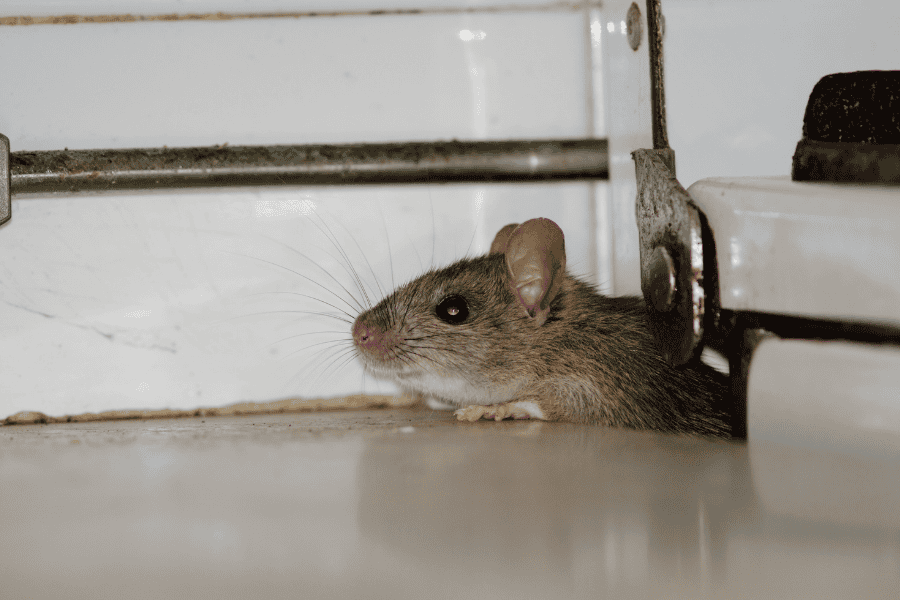
As outdoor temperatures fluctuate, mice seek consistent warmth to nest and breed. A house mouse can squeeze through an opening as small as a dime, easily gaining access to wall voids, attics, crawlspaces, and the spaces behind appliances. These secluded areas offer the perfect shelter to ride out the cooler parts of the year.
A Consistent Food Source
During winter, natural food sources like seeds and plants become less abundant outdoors. Your kitchen and pantry become an irresistible target. Unsealed food containers, crumbs on the floor, and accessible pet food bowls are an open invitation for mice to settle in. Once a food source is established, they have no incentive to leave.
The Risks Associated with House Mice
A mouse infestation is more than just a minor inconvenience. These rodents can introduce considerable problems into your home, affecting both your property and your living conditions.
Damage to Property
House mice have incisors that grow continuously, which means they must gnaw constantly to keep them filed down. This behavior can lead to significant damage.
- Electrical Wires: Mice frequently chew on electrical wiring, stripping the insulation and creating a serious fire hazard.
- Structural Elements: They can gnaw through drywall, wood, and plastic pipes, compromising your home’s structure and potentially causing leaks.
- Insulation: Mice will tear up insulation in attics and walls to create nesting material, reducing your home’s energy efficiency.
Unsanitary Living Conditions
Mice are not clean animals. They leave a trail of droppings and urine as they travel, contaminating countertops, pantry shelves, and other surfaces. They are capable of carrying and transmitting germs, which can compromise the cleanliness of your home environment. They can also bring in other pests, such as fleas and ticks.
Effective Prevention Strategies for Your Home
The most reliable way to handle a mouse problem is to prevent it from starting. Making your home less accessible and attractive to rodents is your best defense.
Seal Potential Entry Points
A thorough inspection of your home’s exterior can reveal vulnerable spots.
- Fill all cracks and holes in the foundation, walls, and roofline. Use steel wool and caulk for a rodent-proof seal.
- Install weather stripping on doors and place sweeps on garage doors to close gaps.
- Cover vents and utility openings with sturdy wire mesh.
Remove Indoor Attractants
Do not provide the resources mice need to survive and thrive.
- Store all food—including pet food and birdseed—in airtight glass or metal containers.
- Maintain a clean kitchen by wiping up spills and crumbs immediately.
- Use trash receptacles with tight-fitting lids and empty them regularly.
- Fix leaky pipes and faucets to eliminate water sources.
You should not have to share your home with pests. A professional pest control expert can perform a detailed inspection to identify entry points and the extent of the infestation. They will implement a comprehensive management plan to resolve the issue and help you secure your home against future invasions. Contact a rodent control specialist today for an inspection and enjoy peace of mind in your Broward home this December.

Dec 16, 2025 | Commercial, Commercial Pest Control
December brings unique challenges for business owners. As temperatures drop, rodents like mice and rats move indoors in search of warmth and food, making commercial spaces a prime target for infestations. When signs of activity appear, the question quickly becomes: handle it yourself or call a professional commercial exterminator?
For businesses, pest issues are more than a nuisance — they threaten reputation, operations, and compliance. Choosing between DIY methods and professional pest control services is an important decision.
Understanding the Stakes for Your Business
A rodent problem in a commercial setting can impact customers, employees, and your brand image. Rodents contaminate inventory, damage wiring and structures, and create unsanitary conditions. In industries like food service, hospitality, and healthcare, even one sighting can lead to failed inspections, bad reviews, and lost trust.
The DIY Pest Control Approach
Many business owners start with DIY methods, such as traps or baits, for a quick and inexpensive fix. While this can offer short-term relief, there are clear limitations.
Potential Positives
- Lower Upfront Cost: Retail traps and baits cost less initially than hiring a service.
- Immediate Action: You can respond right away without scheduling a visit.
Key Drawbacks
- Limited Effectiveness: DIY tools rarely solve larger infestations hidden in walls, ceilings, or equipment.
- Misidentification: Using the wrong product for the pest wastes time and money.
- No Root Cause Solution: Without sealing entry points, new rodents will continue to enter.
- Improper Use: Incorrect placement or handling can make traps ineffective and create new issues.
The Professional Commercial Exterminator Approach
A licensed commercial exterminator offers a strategic, long-term solution tailored to your business.
Benefits of Professional Service
- Expertise: Technicians are trained in rodent biology and behavior, allowing for targeted, effective treatment.
- Comprehensive Inspections: Pros identify current infestations, entry points, and contributing conditions.
- Custom Plans: Integrated Pest Management (IPM) programs combine exclusion, sanitation, and targeted applications for lasting prevention.
- Compliance & Documentation: Detailed reports and records support health inspections and regulatory requirements.
Making the Right Choice for Your Business
DIY solutions may seem cost-effective, but they often provide only temporary relief. A professional commercial exterminator delivers the expertise, strategy, and documentation needed to protect your business long-term.
Don’t let a winter rodent issue threaten your operation or reputation. Schedule a professional inspection this December and keep your business protected year-round with commercial pest control services.
Feb 7, 2025 | Pest Control
Roof rats, also known as black rats, are a common nuisance in Georgia homes and businesses. These rodents are notorious for invading attics, rooftops, and upper levels of buildings, causing damage and spreading diseases. Identifying a roof rat infestation early is crucial for preventing a growing rat population in your home. In this blog, we’ll discuss how to identify roof rats, where they are commonly found, why they are hazardous, and how to get rid of them. Plus, we’ll provide essential tips on rodent prevention.
How to Identify Roof Rats
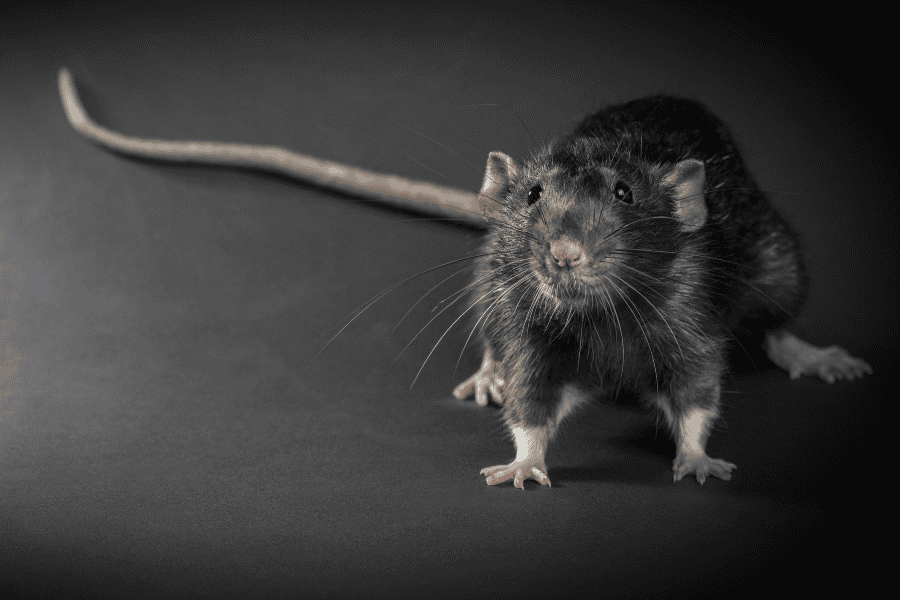
Roof rats (Rattus rattus) are smaller and more agile than their relative, the Norway rat. Here are some key features to help you identify them:
- Size & Appearance: Roof rats are typically 6-8 inches long, with an additional 6-10 inches of tail length. They have slender bodies, large ears, and pointed snouts.
- Color: They are usually black or dark brown, giving them the nickname “black rat.”
- Tail: Unlike Norway rats, roof rats have long, scaly tails that are longer than their bodies.
- Droppings: Roof rat droppings are small, spindle-shaped, and about ½ inch long with pointed ends.
Where Roof Rats Are Commonly Found
Roof rats prefer to nest in high places, making them more likely to infest attics, rafters, and upper levels of homes and buildings. They are excellent climbers and often use tree branches, power lines, and vines to access rooftops. Some common nesting sites include:
- Attics and ceiling voids
- Garages and storage sheds
- Wall cavities
- Roof spaces and eaves
- Dense vegetation and trees near homes
Because roof rats are attracted to food sources, they often seek out accessible pet food, bird seed, fruits, and unsecured garbage bins.
Are Roof Rats Dangerous?
Yes, roof rats pose several hazards to humans, pets, and property. Here’s why they should not be ignored:
- Disease Transmission: Roof rats can carry and spread dangerous pathogens, including salmonella, leptospirosis, and rat-bite fever.
- Contamination: They contaminate food and surfaces with their urine, droppings, and fur.
- Property Damage: Rats typically chew on electrical wiring, insulation, wood, and pipes, increasing the risk of fires and costly repairs.
- Parasites: Roof rats often harbor fleas, mites, and ticks, which can spread to pets and humans.
How to Get Rid of Roof Rats
Eliminating a roof rat infestation requires a combination of trapping, exclusion, and professional rat control services. Here are effective methods:
1. Traps & Baits
- Snap traps and electronic rat traps are effective for killing roof rats.
- Live traps can be used for humane removal.
- Rodenticide bait stations should be placed carefully by professionals to avoid harming pets and children.
2. Sealing Entry Points
- Close any gaps, cracks, or openings larger than ¼ inch using steel wool, hardware cloth, or caulk.
- Repair damaged vents, soffits, and roof shingles to prevent access.
3. Removing Food & Water Sources
- Store pet food and bird seed in airtight containers.
- Keep garbage cans tightly sealed and eliminate food crumbs.
- Fix leaky pipes and remove standing water sources.
4. Professional Pest Control Services
If the infestation persists, hiring a pest control company is the best solution. Professionals can assess the situation, set up strategic traps, and provide long-term rodent control solutions to keep roof rats out. If you are looking for eco-friendly options, green pest control is an alternative to traditional pest control methods that provide the same effectiveness with environmentally friendly solutions.
Rodent Prevention Tips
Preventing roof rats from invading your home is much easier than eliminating them after an infestation. Here are some tips to keep them away:
- Trim Overhanging Trees: Since roof rats live in trees and use branches to access rooftops, trimming back tree limbs at least 3 feet from the house can reduce entry points.
- Eliminate Outdoor Clutter: Remove woodpiles, dense shrubs, and debris where rats typically hide.
- Secure Food Sources: Roof rats are attracted to food, so keep outdoor dining areas clean and store pet food indoors.
- Regular Inspections: Conduct routine inspections of your attic, crawl spaces, and roof for signs of rodent activity.
Call a Professional Rat Control Company
If you suspect a roof rat infestation in your Georgia home, it’s important to act fast. These rodents multiply quickly and can cause extensive damage. A professional pest control company can provide expert rodent control services, safely remove the infestation, and implement preventative measures to protect your home.
Don’t wait until the problem worsens—contact a pest control expert today to keep your home rat-free!
Jan 24, 2025 | Pest Control
Rodents such as rats and mice are among the most common household pests in Georgia. They are notorious for invading homes, contaminating food, spreading diseases, and causing structural damage. Learning to identify the signs of rodents and taking proactive steps to prevent infestations can help protect your home and family. Below, we outline 12 practical rodent control tips, discuss the types of rodents common in Georgia, and explain why these pests invade homes.
Rodent Control For Your Georgia Home
Types of Rats and Mice Common in Georgia
- Norway Rats
Norway rats are large rodents that burrow in the ground or around the foundation of buildings. They’re known for gnawing through wood, wires, and even concrete to gain entry.
- Roof Rats
Roof rats are smaller than Norway rats and are adept climbers, often found in attics, trees, or along rooftops.
- House Mice
House mice are small but resourceful, capable of squeezing through openings as tiny as a dime. They breed rapidly and thrive in areas with abundant food and shelter.
How and Why Rodents Invade Homes
Rodents enter homes searching for three basic needs: food, water, and shelter. Here’s why and how they manage to get inside:
- Food Sources: Rodents are opportunistic eaters. They are drawn to unsealed food, crumbs, and improperly stored pet food.
- Water: Leaky faucets, standing water, and pet water bowls can attract thirsty rodents.
- Shelter: Holes in walls, gaps around windows, and open doors are prime entry points for rodents seeking warmth and safety.
12 Tips for Rodent Control in Your Home
1. Seal Entry Points
Inspect your home for cracks, holes, and gaps, especially around doors, windows, and the foundation. Use steel wool, caulk, or hardware cloth to seal these openings, as rodents can gnaw through weaker materials.
2. Keep Food Sources Secure
Store all food, including pet food, in airtight containers. Clean up crumbs and spills promptly, and avoid leaving dirty dishes overnight.
3. Eliminate Water Sources
Repair leaky faucets and pipes, and ensure your home’s drainage system works efficiently. Remove standing water both inside and outside your home.
4. Declutter Your Home
Rodents love cluttered spaces where they can hide and nest. Keep storage areas tidy, dispose of unused items, and organize your garage or attic.
5. Clean Regularly
Vacuum floors, wipe down counters, and take out the trash daily. Rodents are less likely to settle in a home that’s free of food residue.
6. Install Door Sweeps
Gaps under doors are a common entry point for rodents. Installing door sweeps can prevent rats and mice from sneaking inside.
7. Set Traps
Traps are an effective do-it-yourself rodent control method for small infestations. Snap traps, glue traps, and live traps are widely available at hardware stores. Be sure to place traps near walls and areas with visible signs of rodents, such as gnaw marks or droppings.
8. Use Rodent Deterrents
Natural deterrents like peppermint oil, cayenne pepper, and ultrasonic devices can help repel rodents. However, these methods are often best used alongside more robust solutions.
9. Address Outdoor Areas
Trim tree branches that touch your roof, as they serve as highways for roof rats. Remove piles of debris, and store firewood at least 20 feet from your home to eliminate potential nesting sites.
10. Monitor for Signs of Rodents
Stay vigilant for signs of rodents, including droppings, chewed wires, nests made of shredded materials, and unusual noises in walls or ceilings. Early detection is key to preventing a full-blown rodent infestation.
11. Protect Children and Pets
If you’re using traps or rodenticides, ensure they’re placed in areas inaccessible to children and pets. Many rodent control products can be hazardous if accidentally ingested.
12. Call a Professional Rodent Exterminator
For severe rodent problems, contacting a professional rodent exterminator or pest control company is the safest and most effective solution. These experts have the tools, experience, and knowledge to eliminate rodents and prevent future infestations. Consider pest control companies who specialize in green pest control methods to not only eliminate your pest issues but do so in a way that is safe for the environment, children, and pets.
What Diseases Do Rats Carry?
Rodents are not just a nuisance; they pose serious health risks. They can spread diseases to humans and pets, including:
- Hantavirus: Transmitted through rodent droppings, urine, or saliva.
- Salmonella: Caused by consuming food or water contaminated by rodents.
- Leptospirosis: Spread through contact with water or soil contaminated with infected rodent urine.
These diseases underscore the importance of addressing rodent problems promptly.
What to Do with a Rodent Infestation
If you suspect an infestation, take the following steps immediately:
- Identify the Type of Rodent
Determining whether you have a rat or mouse problem can help you choose the best control methods. Rats are larger and more cautious, while mice are smaller and more curious.
- Remove Food and Water Sources
Without access to food and water, rodents will be less likely to stick around.
- Set Traps or Baits
Place traps in high-activity areas, such as near nests or along walls. For severe infestations, consult a rodent exterminator to ensure safe and effective treatment.
- Inspect Your Home Regularly
Continue monitoring for signs of rodents and seal any new entry points to prevent a recurrence.
Why Professional Pest Control is Worth It
While do-it-yourself rodent control can be effective for minor infestations, professional pest control services offer significant advantages:
- Expertise: Professionals know where to look for nests, entry points, and hidden signs of activity.
- Safe Solutions: Licensed exterminators use safe, targeted methods to protect your home and loved ones.
- Long-Term Results: Pest control companies implement preventive measures to keep rodents out for good.
If you’re searching for “rodent control near me” in Georgia, consider reaching out to a trusted pest control company for a consultation.
Prevent Rodent Problems Before They Start
Preventing a rodent infestation is always easier than eliminating one. Follow these tips, stay vigilant, and take action at the first sign of activity. Rodents may be small, but their ability to contaminate food, spread diseases, and damage property makes them a big threat.
Whether you need assistance with rat control, advice on how to get rid of rodents, or help with ongoing rodent problems, don’t hesitate to contact a professional pest control company. They can provide the expertise and peace of mind you deserve.
Need Help with Rodent Control?
If you’re dealing with a rodent issue or want to take preventive measures, call a local pest control company today for a free consultation. Let the professionals handle the problem so you can enjoy a safe, rodent-free home.
Jan 15, 2025 | Florida Pest Control
Rodents can cause serious damage to both your home and your health. If you live in Broward County, Florida, and want to protect your home from these pests, this guide will help you understand how to deal with rodent infestations effectively while keeping your living space safe.
This post will cover the types of rodents common in the area, why they’re such a problem, and the most effective ways to handle infestations. By the end, you’ll be equipped with practical solutions for dealing with rodents in your home.
Dealing With Rodent Infestations
Understanding Rodent Issues in Broward County
Florida’s warm, year-round climate is an ideal environment for rodents like rats and mice, which thrive in urban areas and can cause significant structural damage. Common rodents in Broward include Norway and roof rats, both of which are known to spread diseases and damage insulation, wiring, and wood.
Why Rodents Are a Persistent Problem in Florida:
- Ideal Climate: Florida’s mild winters allow rodents to breed year-round.
- Abundant Food Sources: Urban areas and gardens provide plenty of food for rodents.
- Coastal Proximity: Local waterways and vegetation provide shelter and easy access to homes.
Effective Rodent Control Methods
While managing a rodent infestation can be challenging, there are a number of effective ways to deal with it, from preventive measures to active control strategies.
Seal Entry Points
The first step in controlling rodents is preventing them from entering your home in the first place. Inspect your home for gaps around doors, windows, and utility lines. Use durable materials like steel wool, copper mesh, or caulking to seal off potential entry points. Regularly check attics and crawl spaces for signs of rodent activity.
Traps and Bait
Traps and bait are some of the most common methods for controlling rodent populations. While traditional snap traps are effective, there are also more humane options available. Live traps, for instance, allow you to capture and release rodents away from your property. For bait, consider using alternatives to toxic chemicals, such as non-poisonous bait stations that are safe for pets and children.
Rodent-Repelling Scents
Certain smells are known to deter rodents. Some natural repellents, like peppermint oil, can be used to create a barrier around entry points or areas where you’ve spotted rodent activity. Other deterrents include cayenne pepper and vinegar-water sprays.
Proactive Rodent Prevention Tips
Prevention is always better than dealing with an infestation. Here’s how you can minimize the risk of rodents in Broward County:
- Keep Your Yard Clean: Remove overgrown vegetation, woodpiles, and other debris where rodents could hide or nest.
- Secure Garbage: Ensure trash bins have tight-fitting lids, and make sure not to overfill them.
- Store Food Properly: Store pet food and pantry items in airtight containers.
- Regular Inspections: Conduct seasonal checks to spot any early signs of rodent activity, such as droppings or gnaw marks.
Protecting Your Home and Health
Dealing with rodent infestations quickly is essential to prevent long-term damage to your home and health. Rodents are not only a nuisance, but they can also spread diseases like leptospirosis, hantavirus, and salmonella. Taking steps to secure your home and eliminate food sources for rodents will make your living environment safer for you and your family.
By implementing these practical rodent control strategies, you can maintain a pest-free home and avoid the structural damage and health risks associated with rodent infestations in Broward County. Contact a pest control company near you today to get started.