Mice, Rats, And Other Problem Rodents
When the weather turns cold we tend to spend more time indoors enjoying the warmth from our heaters and blankets. Animals are no different! Fall and winter are the time of year when animals invade our homes in search of warmth, shelter, food and water. One of the most common pests we see in cold weather season is rodents. While rats and mice are the most common rodents we see in our area, they aren’t the only ones that can cause a problem. Chipmunks and squirrels can also cause significant damage to our homes if they get inside. Here are a few of the most common rodents in our area, as well as some tips to keep them from invading your home.
HOUSE MOUSE
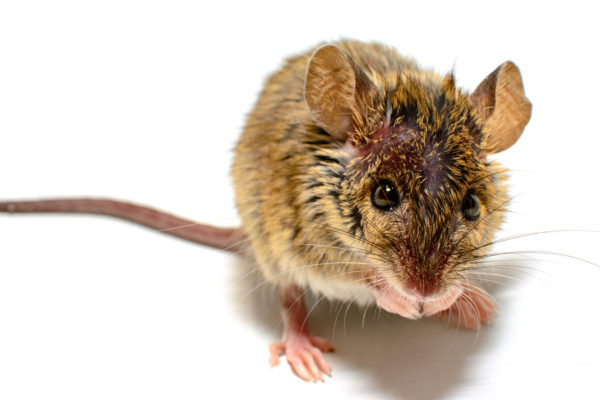
- Light to dark gray in color
- Weighs 1 ounce or les
- Small and slender
- Rod shaped droppings
- Live in and around homes, farms, and commercial buildings
- Prefer foods high in fat, protein, and sugar
- Teeth grow continuously
- Cause damage by gnawing on wood and electrical wires
- Can contaminate your home with urine and feces
- Can fit through an opening the size of a dime
NORWAY RAT
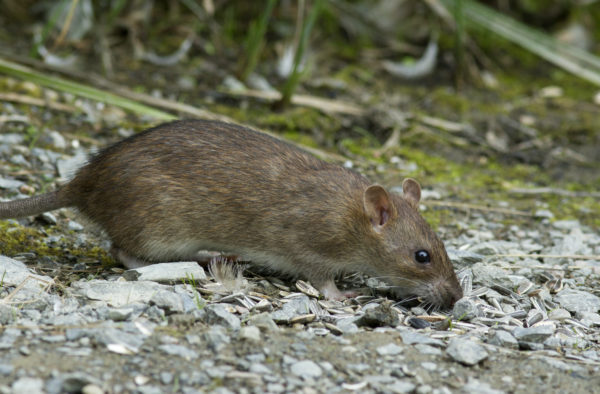
- Gray in color
- Small ears
- Tail is short in relation to its head and body
- Blunt ended droppings
- Exist in large numbers
- Live in and around homes, in basements, in stores, in warehouses, on docks, in sewers, and in dumpsters
- Burrow to nest under buildings, under concrete slabs, around lakes and ponds, and near garbage
- Line their nests with shredded paper, cloth, and other fibrous material
- Nocturnal
- Eat nearly any type of food but prefer cereal grains, meat, fish, nuts, and fruit
- Can fit through an opening the size of a quarter
ROOF RAT
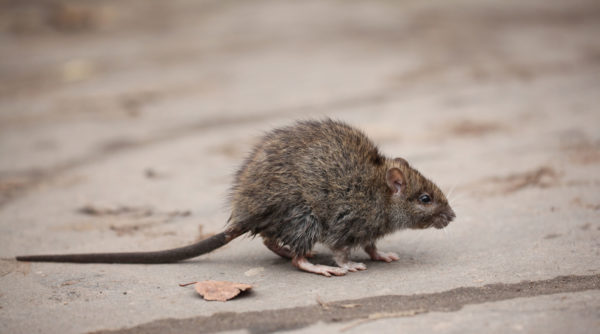
- Dark in color
- Weighs less than 1 lb
- Large ears
- Tail is longer than its head and body
- Spindle shaped droppings
- Spends 90% of its time above ground
- Nests in trees and sometimes attics
- Run on power lines or along the tops of fences
- Nocturnal
- Can fit through openings the size of a quarter
CHIPMUNK
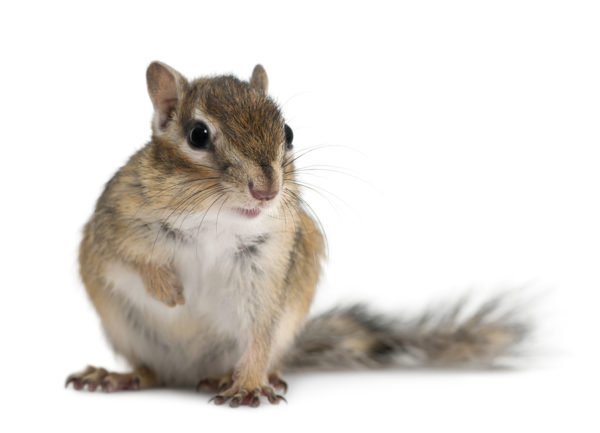
- Small squirrels
- Tan and brown with dark and light stripes
- Make a series of high pitched chirps and flip tail back and forth to attract attention
- Active during the day
- Sleep in underground burrows
- Attracted to homes with gardens, flowers, bird feeders, pet food, and nut trees
- Can damage electrical lines, cable, and AC pipes
GRAY SQUIRREL

- Predominantly gray with white markings
- Short thick fur
- Bushy tail
- Weighs 1 to 1.5 lbs
- Sends most of its time looking for food
- Active year round
- Active in mornings and evenings
- Nests in attics or garages
- Also invade bird feeders and garbage cans
- Can cause significant damage to electrical wires and telephone cables
- Can also cause damage to wood, insulation, wires, and storage boxes in your attic
- Can contaminate your attic with urine and feces
FLYING SQUIRREL
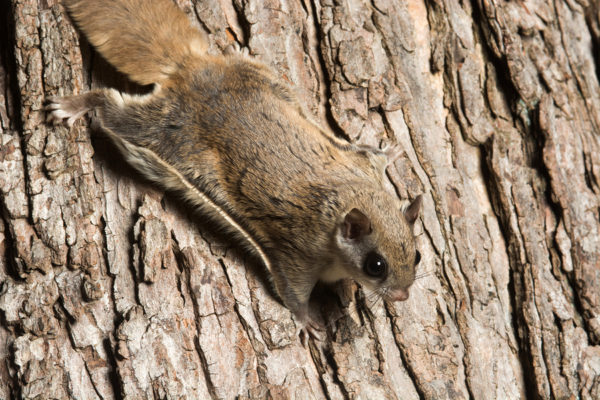
- Grayish brown body
- White belly
- Soft thick fur
- 4 to 6.5 ounces
- Up to 12″ long with tail
- Large eyes
- Low soft chirp
- Nocturnal
- Eat mostly plants, seeds, nuts, leaves, bark, flowers, roots
- Nest in tree cavities
- Occasionally nest in attics (enter through roof gaps)
- Will nest in your insulation
- Can cause contamination with urine and feces
So now that you know some common rodents, what can you do to keep them from coming into your home? Check out these tips to prevent a rodent infestation.
- Clean up spilled food immediately.
- Put away all food at night, including pet food and bird feeders.
- Keep food, including pet food and bird seed, in sealed, airtight containers.
- Keep garbage can lids tightly sealed.
- Declutter your attic and basement, especially anything made of cardboard.
- Store any items you can on shelves rather than in the floor.
- Keep your yard clear of debris.
- Keep grass and shrubs cut short.
- Trim shrubs and trees away from the sides of your home.
- Store firewood off the ground and a safe distance from your home.
- Repair holes in your foundation, garage, and interior walls and any gaps in your roof.
- Seal any openings larger than 1/4″.
- Use rubber seals under garage doors.
- Use door sweeps on exterior doors.
- Use weatherstripping around windows and doors.
- Use screens that are in good repair on doors and windows.
- Seal around pipes, drains, and vents.
- Use chimney caps.
- If you suspect you have a rodent problem, contact a pest control professional.