Nov 21, 2025 | Termite Control
While many Alabama homeowners associate termite swarms with the spring, a second, less-known swarming season can occur in the fall, particularly in November. Seeing winged insects inside your home during this time can be alarming, and for good reason. It may be a sign of a termite colony establishing itself nearby or within your property.
Understanding why this late-season activity occurs is crucial for protecting your home. This guide will explain the phenomenon of November termite swarming in Alabama, detail the key signs to look for, and provide actionable steps to prevent termites from causing significant damage.
Why Termites Swarm in November
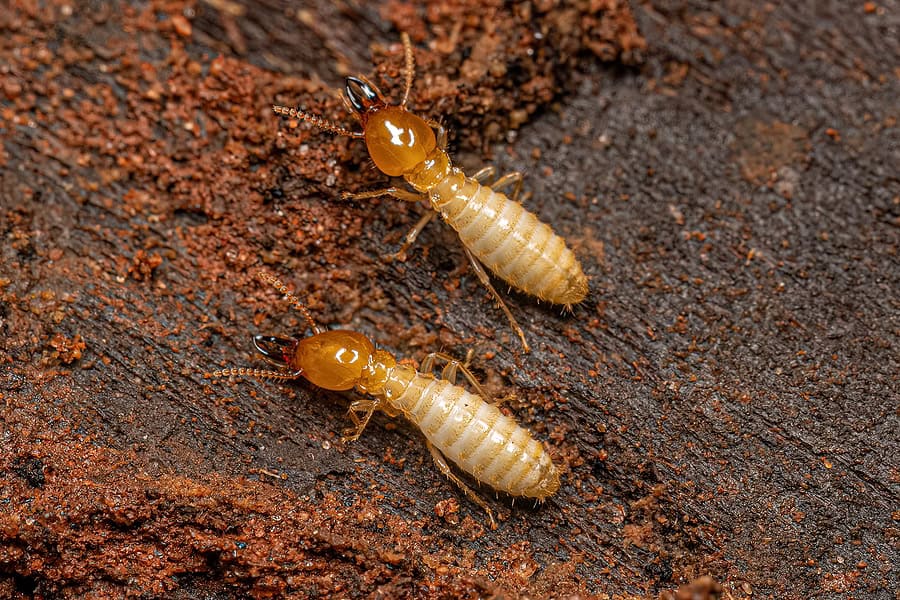
Termite swarming is a natural part of a colony’s life cycle. A swarm consists of winged reproductive termites, known as alates, that leave their mature colony to mate and establish a new one. While the most intense swarms happen in the warm, damp conditions of spring, certain termite species, particularly the formidable Formosan subterranean termite, can also swarm in the fall.
The Formosan Termite Factor
Formosan termites are an invasive and highly destructive species found in parts of Alabama. Unlike native subterranean termites that swarm primarily from March to May, Formosan termites have a longer swarming season that can extend into the late fall. A spell of warm, humid weather in November can trigger these colonies to release their alates.
A Sign of a Mature Colony
A termite swarm is a definitive indicator of a large, well-established colony nearby. A colony must be several years old before it has the resources to produce winged reproductives. Seeing a swarm means a termite population is not just present but thriving, posing a significant threat to any wooden structures, including your home.
How to Identify a Termite Swarm
Distinguishing termite alates from other flying insects, like ants, is essential for a correct diagnosis. Misidentification can lead to a false sense of security while a termite infestation grows unchecked.
Key Signs of a Termite Swarm
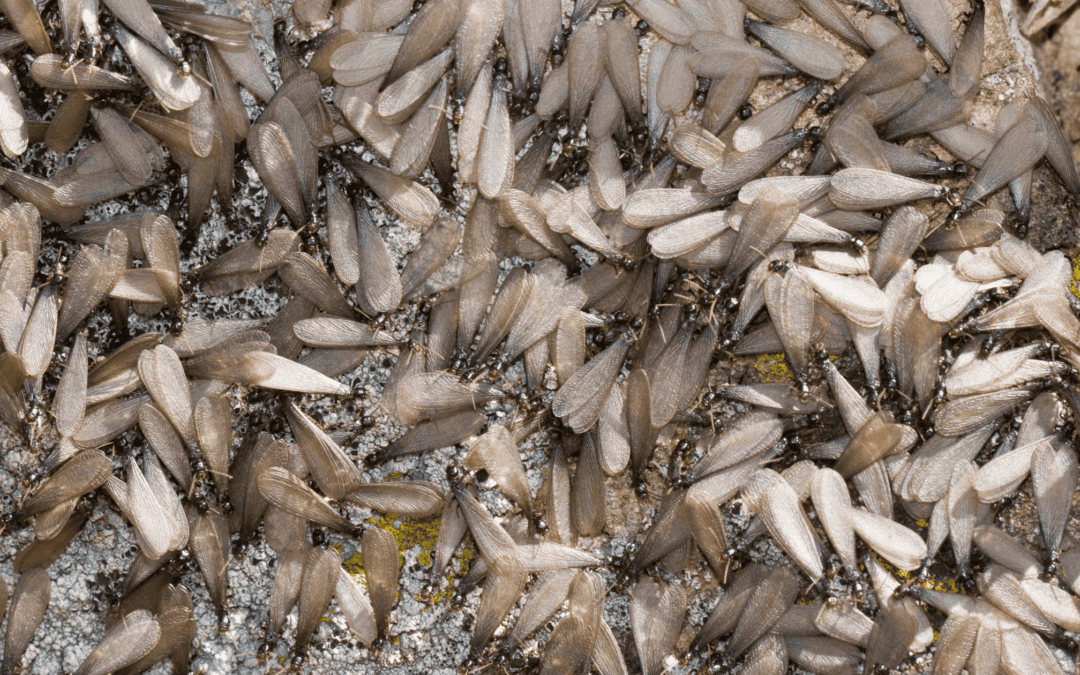
- Discarded Wings: After a brief flight, swarming termites land, break off their wings, and attempt to start a new colony. You may find piles of identical, translucent wings on windowsills, near doorways, or caught in spiderwebs. This is a tell-tale sign of a recent swarm.
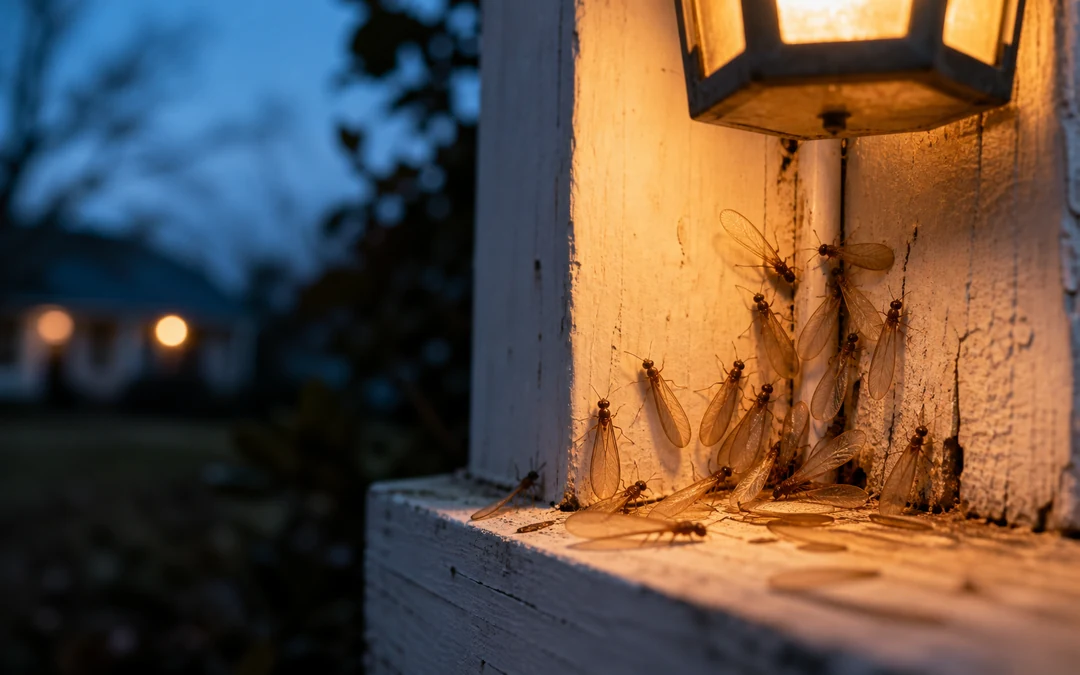
- The Swarm Itself: Termite swarms often occur during the day and can look like a cloud of small, flying insects. They are frequently attracted to light sources, so you may notice them around windows, doors, and light fixtures.
- Termite vs. Ant: Flying ants also swarm, but there are clear differences. Termites have a broad waist, straight antennae, and two pairs of wings that are equal in length. In contrast, flying ants have a pinched waist, elbowed antennae, and a front pair of wings that are longer than the back pair.
What to Do If You Suspect Termites
Discovering a termite swarm requires immediate and decisive action. The presence of alates indicates a high risk of infestation, and early intervention is the most effective way to prevent costly structural damage.
Immediate Steps for Homeowners
- Collect a Sample: If possible, collect a few of the insects or their discarded wings in a sealed bag or jar. This will help a professional pest control expert make a positive identification.
- Avoid DIY Treatments: Do not attempt to control a termite problem with over-the-counter sprays or baits. These products are rarely effective against an entire colony and may only kill a few visible termites, leaving the hidden colony to continue its destruction.
- Schedule a Professional Inspection: The most critical step is to contact a certified termite control professional. A trained inspector can determine the extent of the activity, identify the termite species, and locate the colony.
Preventing a future infestation involves reducing attractants around your home. Ensure water drains away from your foundation, repair any leaks, and keep firewood or other wooden debris stored away from the house.
While a November termite swarm in Alabama can be an unsettling discovery, it provides a crucial warning sign. By correctly identifying the evidence and acting promptly, you can protect your most valuable investment.
If you have seen signs of swarming termites or suspect an infestation, do not wait. Contact a qualified pest control specialist for a comprehensive inspection and a customized treatment plan designed to protect your home and provide lasting peace of mind.

May 14, 2024 | DIY Pest Control, Florida Termite Control
Subterranean termites will go undetected and cause severe damage to Florida homes. While there are several species of termites, subterranean termites are one of the most popular species found in areas of Florida. We breakdown what you should know about these termites and how you can prevent them from infesting your home.
What You Should Know About Subterranean Termites
They Need Water & Soil to Survive
Subterranean termites need a water source and soil to survive and form their colonies. These termites create mud tubes to travel back and forth between your home and their nest. These tubes protect them from damage and predators, and allow them to accumulate moisture for survival.
They Are Active Year-Round
Subterranean termites are active year-round, with swarmers being the earliest sign of their activity. Termite swarming season in Florida can start as early as February and run all the way until June. Spotting swarmers around your home is the first indication that a termite colony is present nearby, and another one could be starting up soon.
Their Colonies Are Hidden
Subterranean termites will stay hidden within wood and underground within their colony. Their mud tubes will protect them and allow them to stay hidden when traveling back from their nest to your home. These mud tubes are typically about the size of a pencil and can be on ceilings, walls, exterior surfaces, and on the sides of slabs.
Their Damage Can Be Extensive
Since these colonies stay hidden, it can be very difficult to detect them, allowing them to cause extensive damage to homes. Many termite infestations can go unnoticed until it’s too late for early treatment before their damage is done. In the United States, termites are known to cause over $5 billion in damage to homes annually.
Subterranean Termite Infestations Are Preventable
There are several preventative options that Florida homeowners should consider to prevent termite infestations. Several pest control companies provide varying techniques of termite management, including liquid barrier treatments and termite bait treatments, such as the Sentricon®️ Always Active Bait Station. These preventative measures also include annual inspections along with their treatments to provide you with the peace of mind that your home is always being protected from termites.
If you’re interested in termite control, reach out to a pest control company near you. These professionals will provide you with a thorough inspection and a customized treatment and prevention plan for your home.
Mar 15, 2024 | Termite Control
As spring approaches in Georgia, so does the dreaded termite swarming season. For homeowners, this time of year can be particularly nerve-wracking as swarms of termites take flight, searching for new places to establish colonies. Understanding what swarming termites are, how to differentiate them from flying ants, and taking proactive steps to prevent infestations can save you from potential damage to your home. Here’s everything you need to know to prepare for termite swarming season in Georgia.
What are Swarming Termites?
Swarming termites, also known as alates or swarmers, are reproductive termites tasked with starting new colonies. These winged insects emerge from mature termite colonies in search of mates and suitable locations to establish their own nests. Swarms typically occur in the spring, triggered by warm temperatures and high humidity levels, making Georgia’s climate ideal for termite activity.
Termite Swarming Season in Georgia
Termite swarming season in Georgia typically occurs from late February through May, with peak activity often seen in April. During this time, homeowners should remain vigilant for signs of termite activity both indoors and outdoors.
Differentiating Swarming Termites from Flying Ants
Distinguishing between swarming termites and flying ants is crucial for effective pest control. While both insects have wings and swarm during the spring, several key differences can help you identify them:
- Body Shape: Termites have straight bodies, while ants have segmented bodies with a distinct narrow waist.
- Wing Length: Termite wings are uniform in size and longer than their bodies, whereas flying ants have wings of varying lengths.
- Antennae: Termite antennae are straight, while ant antennae are elbowed.
Signs of Swarming Termites
Identifying the signs of termite swarms early can prevent costly damage to your home. Look out for the following indicators:
- Swarms of Winged Insects: If you notice large groups of winged insects inside or around your home, especially near light sources, it could indicate a termite infestation.
- Discarded Wings: After mating, swarming termites shed their wings, leaving behind piles of discarded wings near windowsills, doors, or other entry points.
- Mud Tubes: Subterranean termites build mud tubes along walls or foundations to provide moisture and protection while foraging for food.
What to Do If You Encounter Swarming Termites
If you encounter swarming termites in or around your home, it’s essential to act swiftly:
- Avoid Disturbing Them: Try to avoid disturbing the swarm to prevent them from scattering and potentially establishing new colonies elsewhere.
- Contact a Professional: Immediately contact a reputable termite control company to assess the situation and recommend appropriate treatment options.
Tips to Prevent Termites in Your Home
Prevention is key to protecting your home from termite infestations. Here are some tips to reduce the risk of termite damage:
- Schedule Regular Inspections: Arrange for annual termite inspections by a qualified pest control professional to detect signs of infestation early.
- Reduce Moisture: Termites thrive in damp environments, so repair leaks, improve ventilation, and divert water away from your home’s foundation to reduce moisture levels.
- Remove Wood Debris: Eliminate wood debris, such as stumps, fallen trees, and woodpiles, from your property to eliminate potential termite food sources.
- Use Termite-Resistant Materials: When building or renovating your home, consider using termite-resistant materials like treated lumber or concrete to minimize the risk of infestation.
By understanding the behavior of swarming termites, recognizing the signs of infestation, and implementing preventive measures, you can safeguard your home against these destructive pests. Remember, if you suspect a termite problem, don’t hesitate to contact a professional termite control company near you for assistance.
Feb 23, 2024 | Termite Control
As spring approaches in Georgia, so does the dreaded termite swarming season. For homeowners, this annual event can be a cause for concern, as it signals the potential presence of destructive pests in and around their homes. In this guide, we’ll delve into what swarming termites are, when swarming season occurs, what termite swarms indicate, and crucial tips for termite prevention.
What are Swarming Termites?
Swarming termites are reproductive members of a termite colony. These winged insects emerge from their nests in large numbers during specific times of the year to mate and establish new colonies. Their primary goal is to find a mate and locate a suitable location to start a new colony, often in or around homes.
When is Termite Swarming Season?
In Georgia, termite swarming season typically occurs in the spring, between March and May. However, it can vary depending on factors such as temperature and humidity. Warm, humid conditions following rainfall trigger swarming behavior in termites, making spring the peak season for infestations.
What Do Termite Swarms Indicate?
The presence of termite swarms near or inside your home is a strong indicator of an existing termite infestation or the potential for one. Swarming termites may be found indoors near windows, doors, or light sources, as they are attracted to light. Additionally, discarded wings near windowsills or on the floor may indicate that a termite swarm has occurred.
Tips for Termite Prevention:
- Schedule Regular Inspections: Annual termite inspections conducted by a professional pest control company are essential for early detection of termite activity and prevention of infestations.
- Eliminate Moisture Sources: Termites are attracted to moisture, so it’s crucial to address any water leaks or standing water around your home. Ensure proper drainage and repair leaky pipes to reduce moisture levels.
- Keep Wood Away from the Foundation: Avoid stacking firewood or storing wood debris near your home’s foundation, as it can attract termites and provide easy access to your property.
- Seal Entry Points: Seal cracks, gaps, and openings around doors, windows, and utility pipes to prevent termites from entering your home.
- Invest in Termite Control: Consider proactive termite control measures, such as bait stations or liquid treatments, to protect your home from termite infestations.
Don’t wait until it’s too late to safeguard your home from termites. Contact a pest control company near you today for a free termite control quote and protect your investment against these destructive pests.
Being aware of termite swarming season and taking proactive measures for termite prevention are vital steps for Georgia homeowners to protect their properties. By understanding the behavior of swarming termites and implementing preventive strategies, you can ensure a termite-free home for years to come.
Jan 31, 2024 | Florida Termite Control
Swarming termites, or alates, are often seen in the spring and summer months. While they might seem alarming, these pests do not bite, sting, or chew wood. Instead, swarming termites indicate they an established termite colony is close by, which can be problematic for your home and family. But when does swarming season begin and how do you know if termites have invaded your Florida property? We breakdown what you should know about termite swarms.
When is Florida swarming season?
Swarming season often depends on the type of termite; however, in Florida we have two common termites to lookout for: subterranean and drywood termites. Subterranean termites swarm during the spring and early summer months. Drywood termites tend to swarm in the late spring to end the summer. Termite swarms are also determined by weather, with rainstorms and overcast increasing swarm activity.
Why do termites swarm?
Termites swarm to both reproduce and expand their colony. Once a colony has reached its capacity of termites, the swarming process begins, leaving their existing one to start a new. The number of termites that will swarm will often depend on the type of termite species and colony size.
How can I prevent swarming termites?
Preventing swarming termites starts with preventing termite colonies from establishing. There are several preventative measures you can place at your home to avoid termite swarms and keep termites from establishing, including:
- During peak swarm seasons, keep your outdoor lights turned off at night; consider relocating exterior lights to recessed areas away from doors and windows
- Avoid excess moisture by ensuring you have proper ventilation and fix any leaky pipes
- Keep at least a 4-inch barrier between mulch used in your landscaping and the side of your home
- Keep shrubbery trimmed back at least 12 inches from the walls of your home and remove any fallen branches, dead wood, or old tree stumps on your property
- If you have a crawlspace, consider enclosing it to help eliminate moisture under your home but to also prevent mold, mildew, wood rot, and other household pests
- Schedule an annual termite inspection and request a quote on treatment options, such as the Sentricon Always Active Bait station for 24/7/365 termite protection
If you suspect swarming termite activity nearby or a termite infestation at your home, it’s best to call your local pest control company for help. Termite professionals will give you a thorough evaluation and the best termite treatment and prevention plan.