Dec 22, 2017 | DIY, DIY Wildlife Prevention, Pest Control, Wildlife
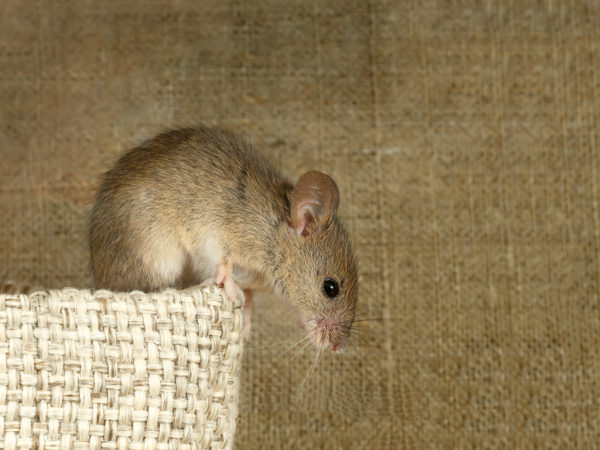
Rodents are one of the most common pests that come into our homes in the winter. Rodents are in search of 3 things – food, water, and shelter – and they can find all 3 of them in and around our homes. Squirrels, raccoons, rats, and mice are some of the most frequently seen rodents in the colder months. Rodents can cause significant damage to property and can also be a big health risk to humans. Prevention is critical in managing and preventing an infestation of rodents. Check out these tips to keep the rodents out this winter:
- Put A Lid On Your Trash: If possible, use trashcans made of metal with snug fitting lids. If you must use plastic, make sure there are no holes in it.
- Put Up Your Pet Food: Store pet food and birdseed in glass or metal containers with tight lids. Make sure to remove them at night and store them away until morning. Make sure to pick up any fallen fruit or nuts off the ground outside your home, as well. Remove standing water from bird feeders.
- Elevate Your Compost: Raise your compost container at least 1 foot off the ground.
- Keep Your Garage Clean: Rodents like to eat lawn seed, tulip bulbs, bone meal, and other items frequently used in gardening. Make sure they are stored in glass or metal containers with tight lids. Keep firewood a good distance from the house. Organize and store boxes in the garage off the ground to eliminate nesting places.
- Clean The Kitchen: Keep food stored in tightly sealed containers. Clean up spilled food and crumbs nightly.
- Keep Your Home Maintained: Make sure openings around your home are properly sealed. Keep your gutters clear of debris and water. Screen your attic vents. Keep screens on windows and doors in good repair and replace when needed.
- Call A Pro: If you suspect you have a rodent problem, call a professional pest control company or a professional wildlife removal company who can evaluate your home and provide you with a comprehensive treatment plan.
Nov 10, 2017 | Pest Control
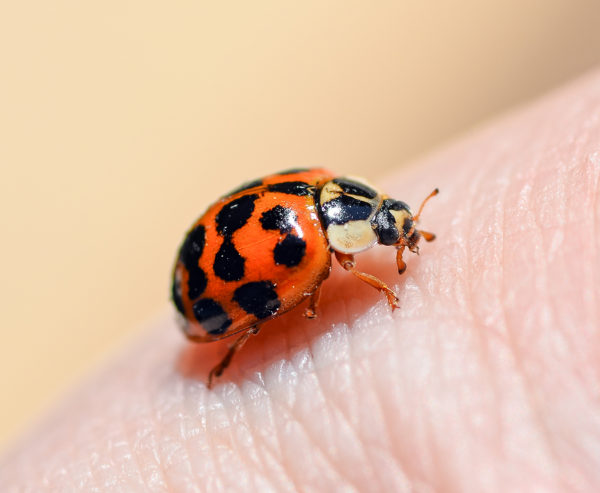
When we think of winter pests we usually think of squirrels, raccoons, rodents, and spiders. Ladybugs aren’t usually at the top of our list, but they are one of the most common winter pests. During the warmer months of the year, ladybug populations grow as they feed on the foliage and aphids. With the onset of colder weather, these food sources diminish, forcing them indoors in search of food and warmth. Ladybugs will seek shelter under rocks, leaves, and timber, and inside buildings and homes.
Ladybugs aren’t considered a threat to humans. However, they have been known to cause allergic reactions in some people and aggravate asthma. They also give off a smelly, yellow colored fluid that stains anything it comes in contact with.
The best way to prevent ladybugs is to eliminate ways for them to get into your home. Make sure the cracks around your windows, doors, siding and utility pipes are sealed. You can use a silicone or silicone-latex caulk to seal. Repair and replace damaged screens on both windows and doors. If you already have ladybugs in your home, the best way to get rid of them is with a vacuum cleaner. Empty the vacuum bag into a trash bag and seal it tightly and dispose of it outside immediately. If you suspect you have a ladybug infestation, contact a professional pest control company to provide you with a thorough evaluation and treatment plan.
Oct 20, 2017 | Going Green, Insulation, Pest Control
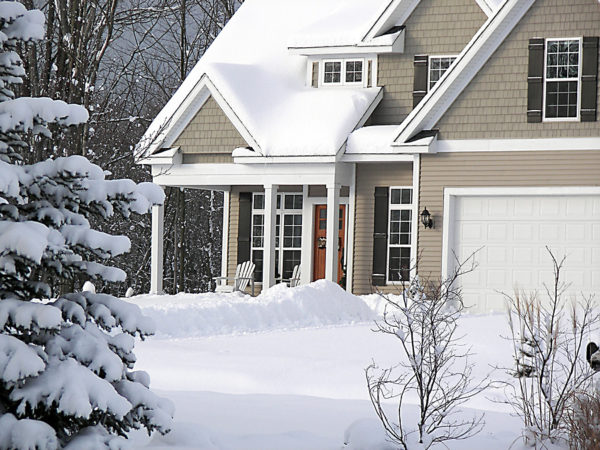
The leaves are changing colors and there’s a chill in the air. Finally! A break from the heat. And while most of us are looking forward to the cooler weather, the change in temperature also means changes in your home. As the weather cools off, it becomes more difficult to regulate your household temperature. And as your heating and cooling system works harder to control the temperature, the increased usage translates into increased utility bills. The is also prime time for wildlife and pests to seek shelter and food inside your home!
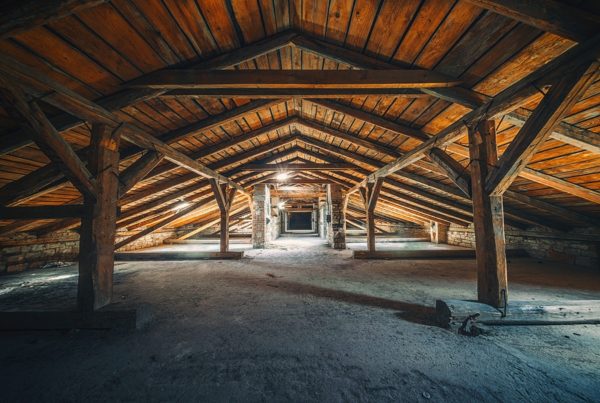
Thermal Accoustical Pest Control insulation (TAP) is energy star-rated attic insulation made of 87% recycled newsprint. TAP insulation helps regulate the temperature in your home by keeping them consistent throughout all four seasons of the year. For example, TAP keeps warm air inside and cold air outside during the winter months. By reducing the energy needed to heat and cool your home, utility bills costs can be lowered by up to 30%!
As an added bonus, TAP is treated with borates – a natural pest control product, providing permanent pest protection against roaches, ants and other unwelcome pests in your home. TAP insulation is also treated with a flame retardant that helps limit the spread of fire.
Install TAP insulation in your attic to get these benefits, not only this winter but throughout the rest of the year:
- Immediate Return On Investment with lower energy bills
- Going Green by conserving energy
- Temperature Regulation for year-round comfort
- HVAC Efficiency by decreasing the effort of your system
- Fire Safety with flame retardant material
- Permanent Pest Control Protection against ants, roaches, and more
Oct 6, 2017 | DIY, DIY Pest Control, Pest Control
1. Mice and Rats
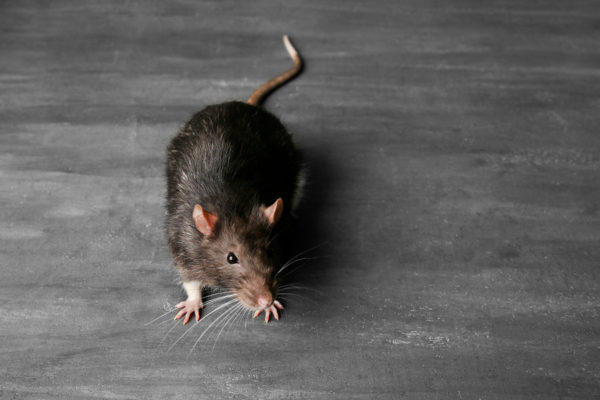
Mice and rats will seek shelter and warmth during the cold winter months. They can fit through very small openings so eliminating entry points is an effective way at preventing them from coming into your home. Eliminating food and water sources is also effective. Replace damaged roof tiles and fill any cracks in the roofing cement. Keep your attics and garages tidy and clutter free. Store your items in plastic containers versus cardboard. Install chimney caps to keep them from nesting inside your chimney. Cover your air vents with wire mesh. Store food in airtight containers and don’t leave any dirty dishes in the sink. Empty your trash regularly and make sure trash can lids are secure. Don’t leave trash bags out in the open. Clean countertops, stoves, and behind the fridge regularly and sweep and vacuum often. Seal holes around pipes using caulk or expanding foam. Keep branches and shrubbery trimmed away from the house and store firewood at least 20 feet from the home. Don’t leave pet food out overnight and seal unused pet food in airtight containers. Replace weatherstripping on windows and doors.
2. Squirrels
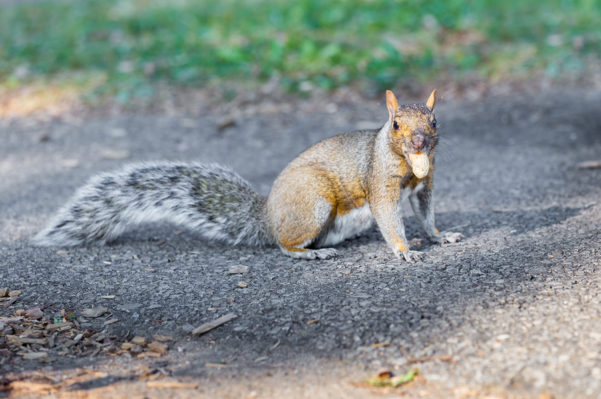
Squirrels like to frequent attics and chimneys to make their nests. Cover chimneys with chimney caps. Keep shrubbery trimmed away from the house and cut down overhanging limbs. Replace rotting wood and seal any entry points including where pipes and utilities come into the home and overhanging eaves.
3. Birds and Bats
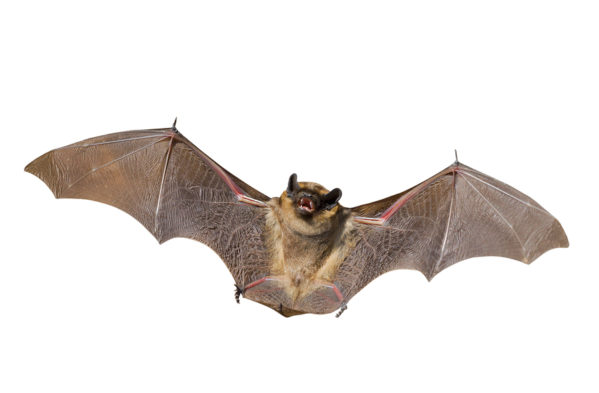
Birds and bats can and will come into your home through any opening in the exterior of the house. Chimneys should be sealed with chimney caps. Inspect the outside of your home for any openings and seal them with steel wool or foam rubber. Keep doors and windows shut as much as possible. Use screens if you must have your windows open and inspect the screens regularly for damage.
4. Cockroaches
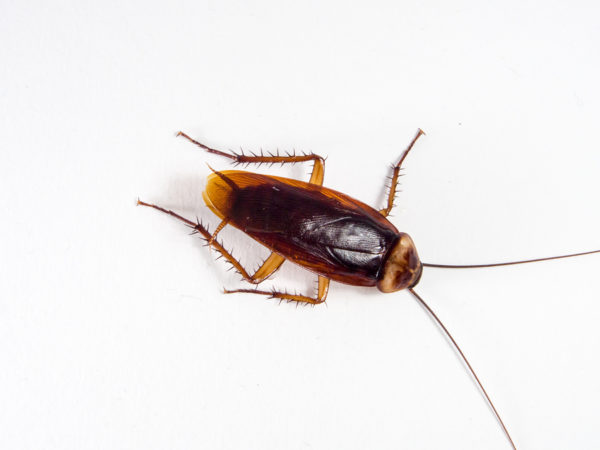
Cockroaches are attracted to moisture and excess water. They will also enter your home in search of food. Check your pipes regularly for leaks and repair quickly. Remove obstructions in pipes to prevent bursting and leaks. Seal around pipe entry points into the home. Clean your gutters. Store items in plastic containers rather than cardboard and keep them off the floor. Store food (including pet food) in airtight containers. Don’t leave dirty dishes in the sink. Wipe down countertops and sweep and vacuum regularly. Clean under sinks, in stoves, and behind appliances regularly. Empty the trash regularly.
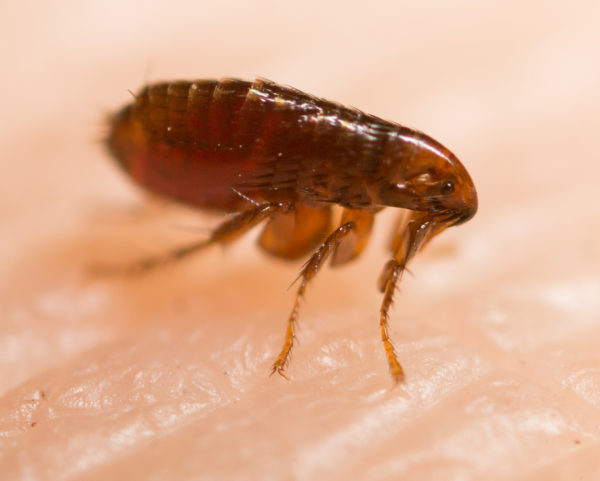
5. Fleas
Fleas will hitch a ride into your home on your pets. The first step in preventing fleas is to treat your animals with a flea preventative, whether through medicine or shampoos or both. Check your rugs, carpets, furniture, and pet bedding for signs of fleas. Wash your pet’s bedding and other items in hot water frequently. Vacuum regularly and be sure to empty the vacuum each time you use it. Keep your grass mowed and your shrubs trimmed as this gives fleas less room to hide. Fleas can come into your yard on wild animals so don’t leave pet food out overnight to tempt them to enter your yard. Seal entry points into the house or under porches to prevent them from hiding there, as well.
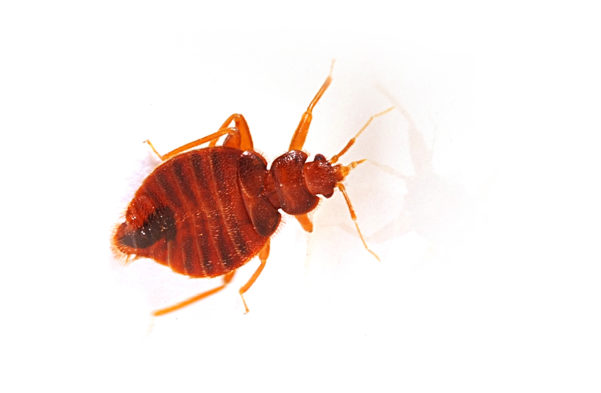
6. Bed Bugs
Bed bugs can come into your home in luggage (be vigilant about preventing bed bugs when traveling!) on furniture, bedding, boxes, and even clothing. Check luggage, furniture, bedding, etc. carefully before bringing it into your home. Use a mattress cover that encases the mattress and the box springs. Vacuum frequently. Wash and dry bedding on high heat regularly. Do the same with clothing after traveling.
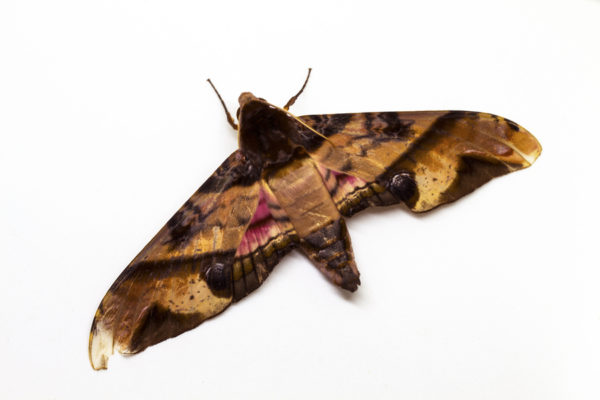
7. Moths
Moths are attracted to wool, fur, and upholstered furniture. Be sure to check your clothes regularly for signs of damage. Wash clothes and store them in sealed bags. Use moth balls. Vacuum and clean the insides of storage areas including wardrobes, closets, and drawers regularly.
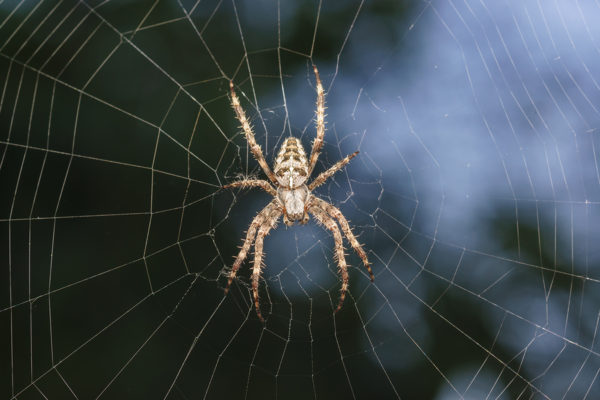
8. Spiders
Spiders like to hide in areas of the home that are seldom used. Store seldom used items in sealed plastic containers. Seal cracks and holes in the exterior of your home to keep them from coming inside. Keep your outdoor lights off and use blinds or curtains to block the inside light. Spiders aren’t attracted to the lights but other insects are which the spiders feed on. This eliminates a food source for spiders. Keep shrubbery trimmed away from your home. Keep the grass mowed and remove debris from around your home. Sweep and vacuum regularly. Clear out as much clutter as possible. Vacuum spiders and spider webs.
Oct 6, 2017 | Pest Control
1. Mice and Rats
Mice and rats will seek shelter and warmth during the cold winter months. They can fit through very small openings so eliminating entry points is an effective way at preventing them from coming into your home. Eliminating food and water sources is also effective. Replace damaged roof tiles and fill any cracks in the roofing cement. Keep your attics and garages tidy and clutter free. Store your items in plastic containers versus cardboard. Install chimney caps to keep them from nesting inside your chimney. Cover your air vents with wire mesh. Store food in airtight containers and don’t leave any dirty dishes in the sink. Empty your trash regularly and make sure trash can lids are secure. Don’t leave trash bags out in the open. Clean countertops, stoves, and behind the fridge regularly and sweep and vacuum often. Seal holes around pipes using caulk or expanding foam. Keep branches and shrubbery trimmed away from the house and store firewood at least 20 feet from the home. Don’t leave pet food out overnight and seal unused pet food in airtight containers. Replace weatherstripping on windows and doors.
2. Squirrels
Squirrels like to frequent attics and chimneys to make their nests. Cover chimneys with chimney caps. Keep shrubbery trimmed away from the house and cut down overhanging limbs. Replace rotting wood and seal any entry points including where pipes and utilities come into the home and overhanging eaves.
3. Birds and Bats
Birds and bats can and will come into your home through any opening in the exterior of the house. Chimneys should be sealed with chimney caps. Inspect the outside of your home for any openings and seal them with steel wool or foam rubber. Keep doors and windows shut as much as possible. Use screens if you must have your windows open and inspect the screens regularly for damage.
4. Cockroaches
Cockroaches are attracted to moisture and excess water. They will also enter your home in search of food. Check your pipes regularly for leaks and repair quickly. Remove obstructions in pipes to prevent bursting and leaks. Seal around pipe entry points into the home. Clean your gutters. Store items in plastic containers rather than cardboard and keep them off the floor. Store food (including pet food) in airtight containers. Don’t leave dirty dishes in the sink. Wipe down countertops and sweep and vacuum regularly. Clean under sinks, in stoves, and behind appliances regularly. Empty the trash regularly.
5. Fleas
Fleas will hitch a ride into your home on your pets. The first step in preventing fleas is to treat your animals with a flea preventative, whether through medicine or shampoos or both. Check your rugs, carpets, furniture, and pet bedding for signs of fleas. Wash your pet’s bedding and other items in hot water frequently. Vacuum regularly and be sure to empty the vacuum each time you use it. Keep your grass mowed and your shrubs trimmed as this gives fleas less room to hide. Fleas can come into your yard on wild animals so don’t leave pet food out overnight to tempt them to enter your yard. Seal entry points into the house or under porches to prevent them from hiding there, as well.
6. Bed Bugs
Bed bugs can come into your home in luggage (be vigilant about preventing bed bugs when traveling!) on furniture, bedding, boxes, and even clothing. Check luggage, furniture, bedding, etc. carefully before bringing it into your home. Use a mattress cover that encases the mattress and the box springs. Vacuum frequently. Wash and dry bedding on high heat regularly. Do the same with clothing after traveling.
7. Moths
Moths are attracted to wool, fur, and upholstered furniture. Be sure to check your clothes regularly for signs of damage. Wash clothes and store them in sealed bags. Use moth balls. Vacuum and clean the insides of storage areas including wardrobes, closets, and drawers regularly.
8. Spiders
Spiders like to hide in areas of the home that are seldom used. Store seldom used items in sealed plastic containers. Seal cracks and holes in the exterior of your home to keep them from coming inside. Keep your outdoor lights off and use blinds or curtains to block the inside light. Spiders aren’t attracted to the lights but other insects are which the spiders feed on. This eliminates a food source for spiders. Keep shrubbery trimmed away from your home. Keep the grass mowed and remove debris from around your home. Sweep and vacuum regularly. Clear out as much clutter as possible. Vacuum spiders and spider webs.