Nov 30, 2018 | Pest Control
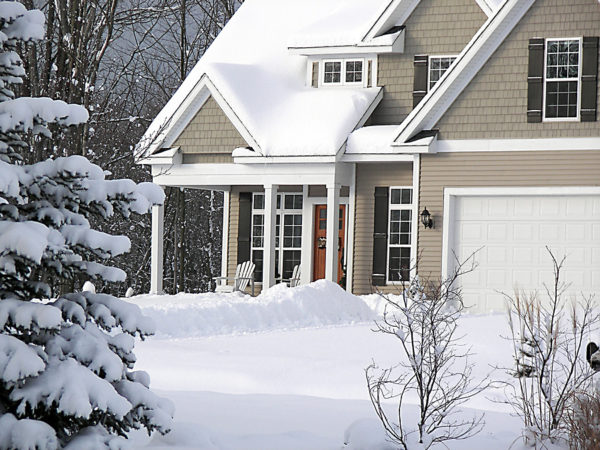
As the warm weather winds down and winter settles in, most of us will breathe a sigh of relief that we survived another season of creepy crawlers. Don’t relax just yet! Just because the weather has turned colder doesn’t mean pests have hibernated for the winter. Many pests will make their way into your home in search of shelter, food, and warmth. Mice, cockroaches, and spiders can be found crawling underfoot in the wintertime. These overwintering pests aren’t just a nuisance to have in your home; they can cause significant damage to both your property and your health. Rodents are known to carry Salmonella and Hantavirus and can chew through cables and electrical wires, increasing the risk of fires. Some spiders like the brown recluse and the black widow have bites that can be a serious threat to humans. Cockroaches are known to trigger allergies and asthma. Winter brings ice, snow, and wind, causing enough stress on your home without the threat of pest infestations. So what can you do to reduce this stress and get rid of the last of these creepy crawlers? Check out these winter pest prevention tips to help you have a stress free winter.
- Inspect the exterior of your home for cracks and holes. Seal them to keep pests from easily accessing your home.
- Replace any loose mortar around foundations and weatherstripping around windows and doors. Repair or replace any damaged screens.
- Eliminate moisture by repairing leaky faucets and clearing clogged drains.
- Keep gutters clear of debris before the weather gets too cold. Consider installing gutter guards to eliminate the need to clean gutters.
- Keep attics, basements, and crawlspaces dry and well ventilated. Consider enclosing your crawlspace.
- Keep storage areas like basements, attics, and garages well organized. Use plastic storage containers rather than cardboard and store them off the floor.
- Screen your chimney vents.
- Store firewood at least 20 feet from your home and elevate it off the ground.
- Keep food, including pet food, in airtight containers and clean up crumbs and spills immediately.
- Call a professional pest control company to provide you with a thorough home inspection and set you up with a comprehensive treatment and prevention plan.
Nov 29, 2018 | Pest Control
As the weather continues to bounce between a crisp 32° and a breezy 65°, you may have noticed a major decrease in pest activity. “Well, that’s it! No more bugs. Let’s cancel the pest service!” This, however, could prove to be a costly mistake. Winter pest control is an essential component in protection and prevention of pest infestations.
-
- Inspections during the fall and winter are crucial. Issues identified during inspections can be handled before the problem becomes worse. Early detection is key to preventing infestations.
- Winter weather in the South tends to be unpredictable. Daily temperature changes can cause pests that hibernate in our homes to become more active during this time.
- Pests aren’t really gone; they are seeking shelter from the cold. Ants, wasps, spiders, cockroaches, and other overwintering pests look to your attic, walls, and crawlspace for warmth.
- The steps your pest professional takes during winter can greatly reduce your chances of infestation once spring rolls around. While web brushing around your home helps eliminate spider webs and egg casings that could hatch come spring, spraying around the perimeter of your home creates a residual barrier that not only protects your home during the winter months, but also when spring weather returns.
While your home is filled with holiday joy and warmth during the winter, pests will take this time to seek refuge indoors. Take the time to set up an inspection with your pest control professional to make a personalized plan for prevention and protection of your home. This could be the difference between total home protection year-round or fighting against pests once warmer weather returns.
Sep 27, 2018 | Pest Control
Ladybugs are said to be a sign of good luck, but when you start to find them crawling all over the inside of your home, you don’t feel as lucky.
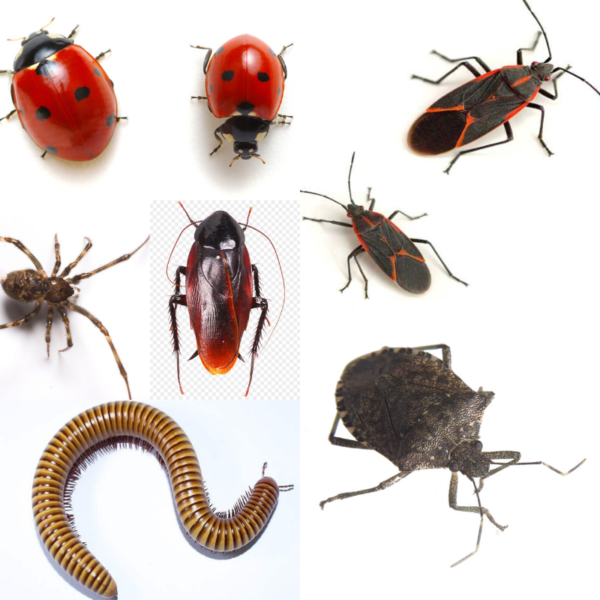
Ladybugs, or Asian Lady Beetles, are just one of the pests that will try to use your home for overwintering. Overwintering is the process of insects passing the winter season, and your home poses as the ideal habitat for this practice.
Temperatures drop, and pests such as house spiders, boxelder bugs, ladybugs, millipedes, stink bugs, and even smokybrown roaches, will make their way in your home to hide during the cold weather. Come spring, these pests will emerge in and around your home in MASSIVE numbers.
The best preventive measures to stop overwintering pests, luckily enough, are DIY!
- Seal entry points around doors and windows. Also, look for any cracks and crevices to seal.
- Invest in weather-stripping around your home.
- Use yellow bulbs for outdoor lighting; these pests are attracted to light, and this will help deter them.
- Utilize a vacuum for removal; both stink bugs and ladybugs will leave behind foul odors or liquid when smushed.
If you feel you have an issue with any of these overwintering pests, call you licensed pest professional to schedule an inspection right away.
Feb 16, 2018 | Pest Control, Wildlife
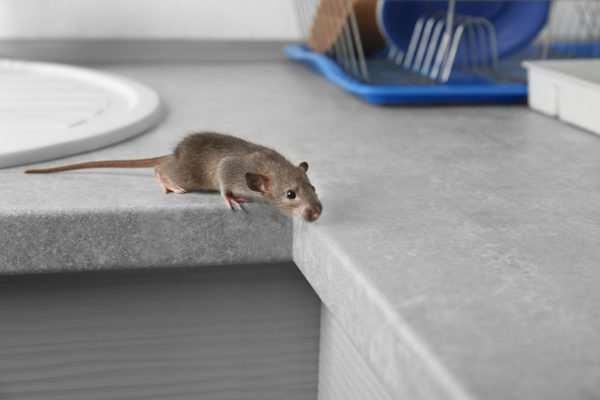
When the weather turns cold we tend to spend more time indoors enjoying the warmth from our heaters and blankets. Animals are no different! Fall and winter are the time of year when animals invade our homes in search of warmth, shelter, food and water. One of the most common pests we see in cold weather season is rodents. While rats and mice are the most common rodents we see in our area, they aren’t the only ones that can cause a problem. Chipmunks and squirrels can also cause significant damage to our homes if they get inside. Here are a few of the most common rodents in our area, as well as some tips to keep them from invading your home.
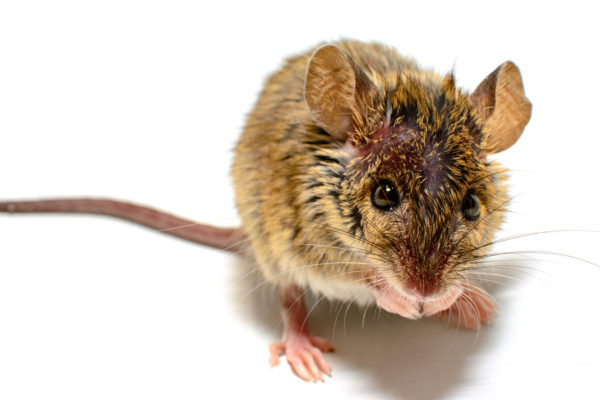
HOUSE MOUSE
- Light to dark gray in color
- Weighs 1 ounce or les
- Small and slender
- Rod shaped droppings
- Live in and around homes, farms, and commercial buildings
- Prefer foods high in fat, protein, and sugar
- Teeth grow continuously
- Cause damage by gnawing on wood and electrical wires
- Can contaminate your home with urine and feces
- Can fit through an opening the size of a dime
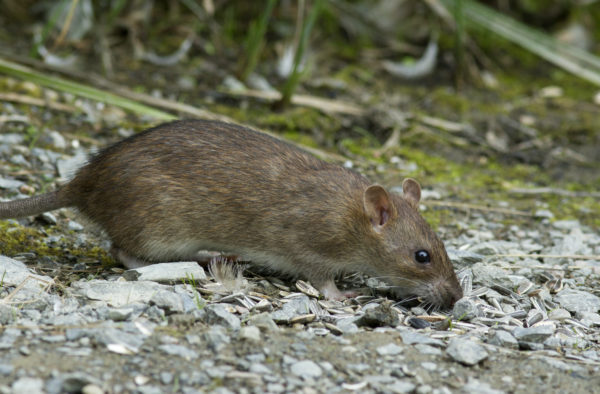
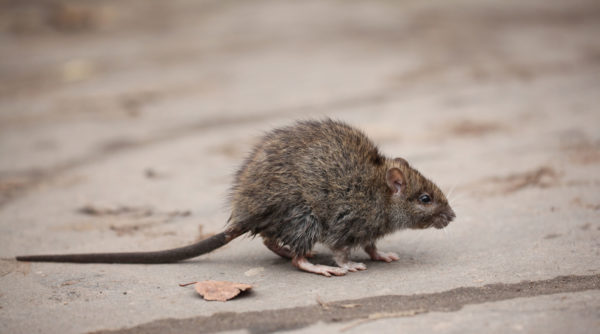
NORWAY RAT
- Gray in color
- Small ears
- Tail is short in relation to its head and body
- Blunt ended droppings
- Exist in large numbers
- Live in and around homes, in basements, in stores, in warehouses, on docks, in sewers, and in dumpsters
- Burrow to nest under buildings, under concrete slabs, around lakes and ponds, and near garbage
- Line their nests with shredded paper, cloth, and other fibrous material
- Nocturnal
- Eat nearly any type of food but prefer cereal grains, meat, fish, nuts, and fruit
- Can fit through an opening the size of a quarter
ROOF RAT
- Dark in color
- Weighs less than 1 lb
- Large ears
- Tail is longer than its head and body
- Spindle shaped droppings
- Spends 90% of its time above ground
- Nests in trees and sometimes attics
- Run on power lines or along the tops of fences
- Nocturnal
- Can fit through openings the size of a quarter
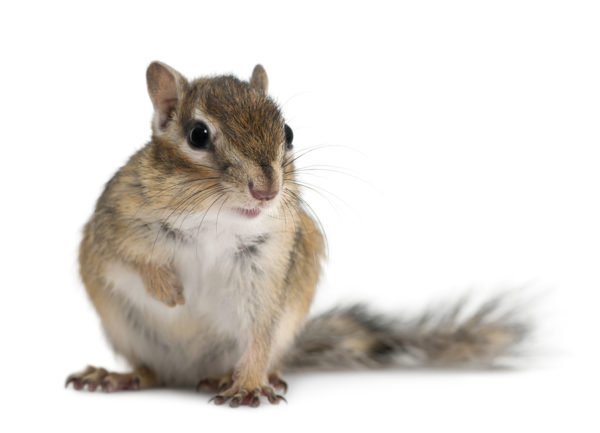
CHIPMUNK
- Small squirrels
- Tan and brown with dark and light stripes
- Make a series of high pitched chirps and flip tail back and forth to attract attention
- Active during the day
- Sleep in underground burrows
- Attracted to homes with gardens, flowers, bird feeders, pet food, and nut trees
- Can damage electrical lines, cable, and AC pipes
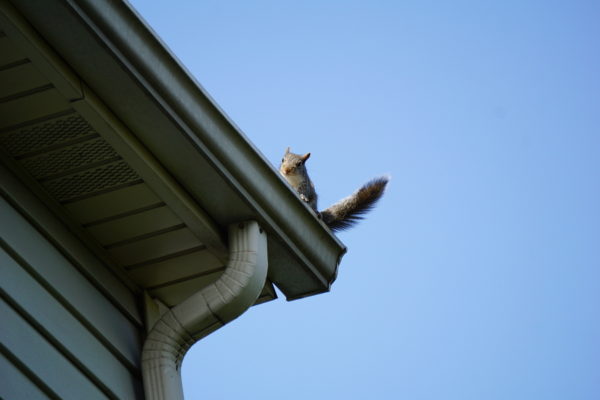
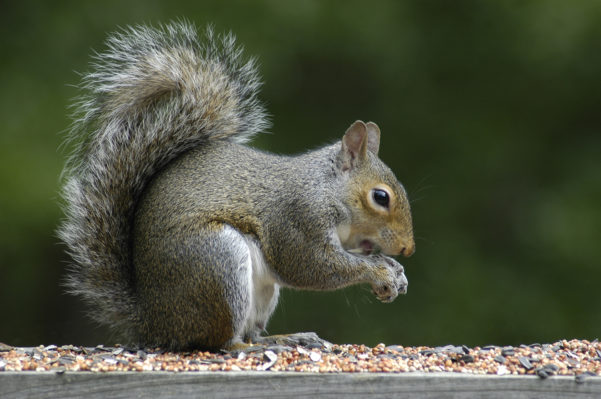
GRAY SQUIRREL
- Predominantly gray with white markings
- Short thick fur
- Bushy tail
- Weighs 1 to 1.5 lbs
- Sends most of its time looking for food
- Active year round
- Active in mornings and evenings
- Nests in attics or garages
- Also invade bird feeders and garbage cans
- Can cause significant damage to electrical wires and telephone cables
- Can also cause damage to wood, insulation, wires, and storage boxes in your attic
- Can contaminate your attic with urine and feces
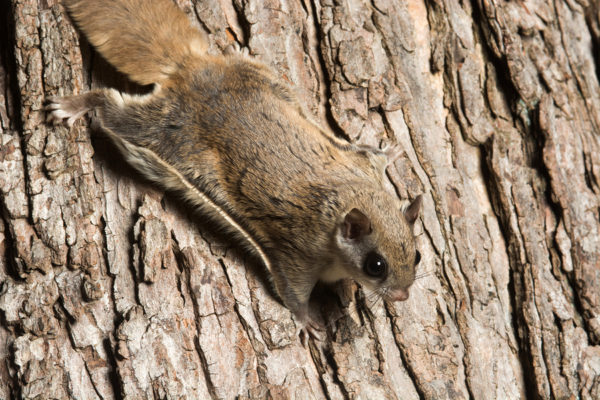
FLYING SQUIRREL
- Grayish brown body
- White belly
- Soft thick fur
- 4 to 6.5 ounces
- Up to 12″ long with tail
- Large eyes
- Low soft chirp
- Nocturnal
- Eat mostly plants, seeds, nuts, leaves, bark, flowers, roots
- Nest in tree cavities
- Occasionally nest in attics (enter through roof gaps)
- Will nest in your insulation
- Can cause contamination with urine and feces
So now that you know some common rodents, what can you do to keep them from coming into your home? Check out these tips to prevent a rodent infestation.
- Clean up spilled food immediately.
- Put away all food at night, including pet food and bird feeders.
- Keep food, including pet food and bird seed, in sealed, airtight containers.
- Keep garbage can lids tightly sealed.
- Declutter your attic and basement, especially anything made of cardboard.
- Store any items you can on shelves rather than in the floor.
- Keep your yard clear of debris.
- Keep grass and shrubs cut short.
- Trim shrubs and trees away from the sides of your home.
- Store firewood off the ground and a safe distance from your home.
- Repair holes in your foundation, garage, and interior walls and any gaps in your roof.
- Seal any openings larger than 1/4″.
- Use rubber seals under garage doors.
- Use door sweeps on exterior doors.
- Use weatherstripping around windows and doors.
- Use screens that are in good repair on doors and windows.
- Seal around pipes, drains, and vents.
- Use chimney caps.
- If you suspect you have a rodent problem, contact a pest control professional.
Feb 2, 2018 | Pest Control
Just like the weather changes with each season, so do the pests that we see. Some pests prefer warmer weather and peak in spring and summer while other pests will surge in the winter as they come inside to get out of the cold. The ways that you prepare your home will depend on what time of year it is and what pests you are preparing for. We have provided you with a few of the most common pests for each season so you can be better prepared all year long.
SPRING:
Springtime brings about an increase in temperatures, the melting of ice, and the blooming of flowers. These warmer temperatures bring many pests out from their winter hiding places. As these animals emerge they will have one thing on their minds – food and water! Spring is also mating season for many species. Here are some common spring pests to look out for:
- Ants: Ants forage for food in warmer weather. As the temperatures increase, ants will venture farther and farther from their colonies in search of food. This will eventually drive them into our homes. The heavy rains in spring also drive ants out of their colonies in search of higher ground.
- Termites: Spring is the start of termite season as they leave their nests to mate and start new colonies. This is also known as “swarming.”
- Mosquitoes: Heavy spring rains provide the ideal breeding ground for mosquitoes. Mosquitoes will increase their activity in spring in preparation for their peak season which is summer.
- Flies: Flies reach maturity at the beginning of spring. Once they mature, they will flock to areas that humans inhabit as they look for food. They prefer liquids and other sweet foods.
- Spiders: Spiders become active in the spring as they search for food. The increase in insect activity as they wake from their winter slumber provides ample opportunities for spiders to feed.
- Stinging Insects: Stinging insects include bees, wasps, yellow jackets, and hornets. These insects wake up from their dormant stage in the spring and they become more active. Spring is the start of their mating season as they seek to establish their nests and breed.
- Bed Bugs: Although bed bugs are a year round problem, their populations can spike in springtime because of the increased travel for Easter and spring break from schools.
SUMMER:
While we get somewhat of a break from pests in the summer months, there are a few species who peak during this hot season. Summer is typically the time in many pests’ life cycles where they are maturing and are less of a threat to humans. Here are some common summer pests:
- Mosquitoes: Mosquitoes are the most common summer pest. The warmer temperatures allow mosquitoes to move through their life cycle faster which means they lay more eggs in the summer months. The summer rains also provide the ideal setting for mosquitoes to breed.
- Stinging Insects: Stinging insects reach their highest populations in the summer. They will often build their nests in any openings in your house, under overhangs or in the ground near your foundation.
- Ants: Ants continue to be a nuisance in the summer. As the rains continue through the season, ants will continue to seek shelter in higher ground. They will also continue to forage into our homes in search of food.
- Flies: Flies are most active in the summer months. This is also their peak breeding season. Flies will spawn in animal waste, garbage, and rotting foods.
- Termites: Termites are most productive in the summer. This is the season when they continue to consume wood while the queen continues to lay eggs and build their colonies.
- Bed Bugs: Once again, bed bugs are year round pests. Many populations thrive in the summer months because of an increase in travel during summer break from school.
FALL:
Fall brings about cooler temperatures. This is the time of year when pests start to prepare for the upcoming winter. Many pests will start to seek warmth and shelter inside our homes. Here are some common fall pests:
- Cockroaches: Cockroaches are some of the most common fall pests. Cockroaches cannot survive in colder temperatures so fall is when we see them start to migrate indoors in search of shelter and warmth. Cockroaches are known to hide near pipes and drains. They can spread disease and exacerbate asthma.
- Spiders: Spiders are also common in the fall for the same reasons as cockroaches. They will move indoors to avoid the harsh colder temperatures, as well as in search of food as many of the flying insect populations decline as the weather cools. Spiders also breed in the fall so activity will increase as males go in search of mates.
- Rodents: Rodents are another common fall pest. Rodents will migrate indoors as the weather cools in search of warmth, shelter, food, and water. Rodents not only spread disease but will also chew through wood supports and electrical wires in your home.
- Fleas: With rodents come fleas. Fleas flourish in warmer weather so as the weather cools, we see their populations indoors thrive. Fleas will hitchhike into your home on both your pets and any other wildlife that come into your home in the fall.
- Stinkbugs: Stinkbugs become a nuisance in the fall. Stinkbugs are known for emitting an extremely foul odor when they feel threatened. Stinkbugs are also considered a serious threat to agriculture as they can cause significant damage to crops.
WINTER:
While many pests hibernate or become dormant over the winter, don’t relax just yet! There are still many pests that we see in larger numbers in the winter months as they make their way into our home to avoid the harsh cold weather. Here are some common winter pests:
- Rodents: Rodents are the most common pests we see in the winter. Rats, mice, and squirrels will invade our homes in search of a warm place to stay and an ample supply of food and water.
- Roaches: While most cockroach species die off in the winter, Oriental roaches and German roaches are still active during this time of year. They seek dark, damp areas which are prevalent in the wintertime.
- Bed Bugs: Once again, bed bug populations are active year round but they often flourish during the winter months as these are some of the busiest travel times of the year.
As you can see, no two pests are alike and no two seasons are alike. In the same manner, one universal pest control method won’t work for different pests or for different seasons. It is important to know which pests thrive during which seasons so that you can better prepare your home year round to prevent an invasion. If you suspect that you have a pest problem in your home, contact a professional pest control company who can provide you with a thorough evaluation and set you up with a comprehensive treatment plan.