Jul 1, 2013 | Uncategorized
It’s a bird! It’s a plane! It’s a…MOSQUITO?!?!

Source
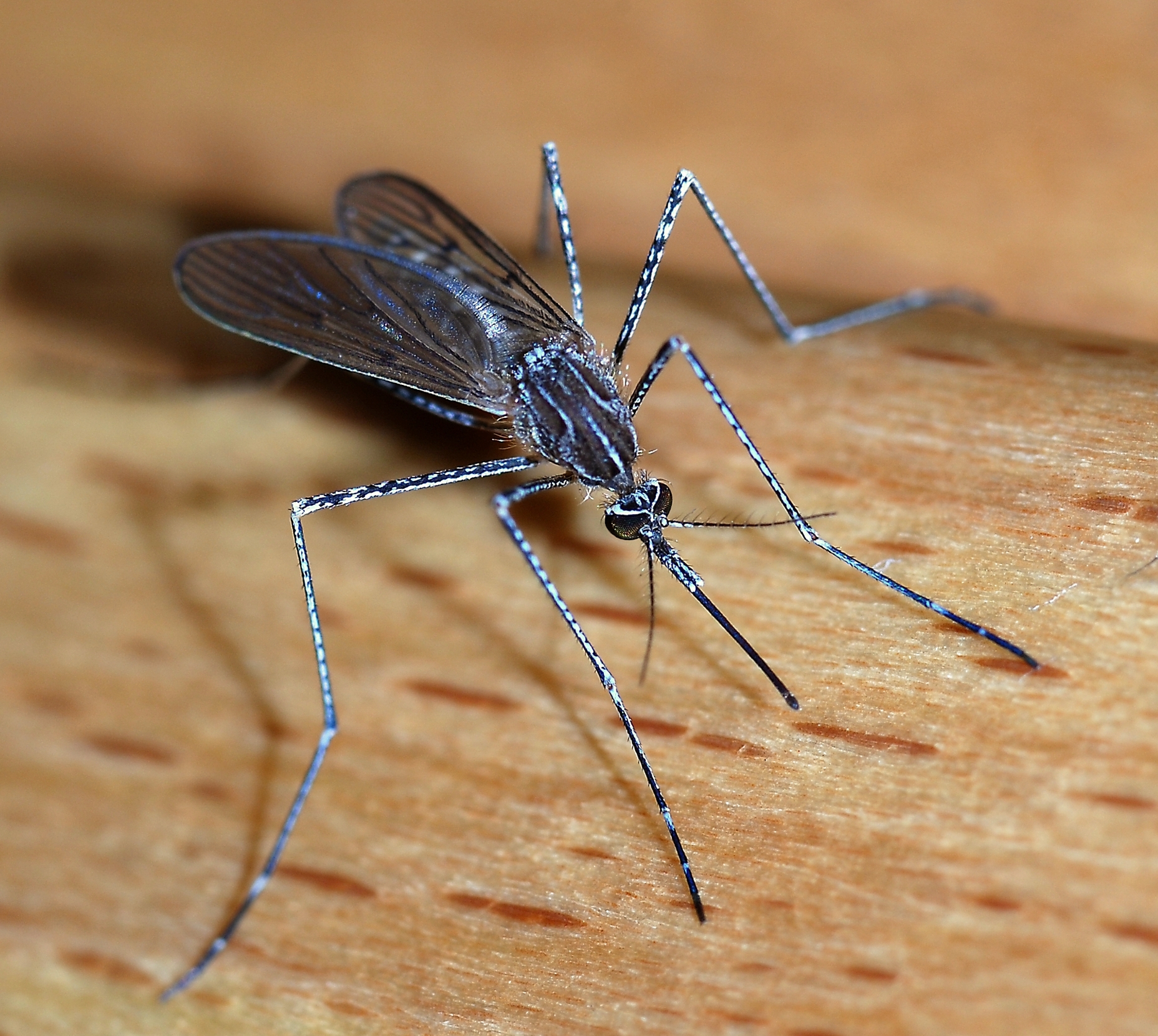
Yes, that is right mosquito season is here! And although we all enjoyed the mild winter, we may not be able to say the same this summer. Mild winters usually mean an influx in pest pressure for Pest Management Professionals and their customers…including mosquitoes.
There are currently 63 different species of mosquitoes found in GA. Approximately$125,000,000 is spent annually in Georgia in an effort to reduce and treat the effects of disease and nuisance caused by mosquitoes. That’s a lot of money to control one insect. But is there a cost to protect the public’s health? Because the mosquito has become a big threat!
Worldwide malaria remains the most important human disease transmitted by mosquitoes. Malaria counts for almost 2 million deaths each year and is estimated that there are over 400 million cases in the world. In Georgia, we see about 50 to 60 cases of Malaria a year. Although Malaria affects the most humans worldwide there are two other diseases that we see more frequently in Georgia.
The West Nile virus was first found in the states in 1999. In 2002, the virus spread over most of the United States and caused over 4,000 cases and 277 deaths. The virus is transmitted from the mosquito to a host bird, where the virus grows and then is transmitted to an incidental host (humans) by another mosquito. To date, there is no antivirus for those affected with the disease.
Another common disease doesn’t affect humans directly but it does affect the family dog. Dog heartworms are a serious problem and are spread by mosquitoes. Infection rates in some states have been reported to be as high as 80% in dogs over 2.5 years old, and almost 100% in dogs over 5 years old that are left un-vaccinated. There is approximately $60,000,000 being spent on heartworm prevention in Georgia each year and it cost nearly $1,000 to treat a case of heartworms. Bottom-line…make sure you treat your dog for heartworms BEFORE it’s an issue.
So what can we do? Mosquito prevention at Northwest Exterminating is a five step program following the basic principles of an Integrated Mosquito Management program:
- Education
- Surveillance
- Source Reduction
- Larviciding
- Adulticiding
It is important as homeowner’s that we do our part. Here are some simple steps to help reduce mosquitoes around your home:
- Reduce water collection sites
- Clean gutters regularly
- Remove yard clutter
For more tips like these and to help reduce the amount of mosquitoes around your home call Northwest Exterminating. Our goal is to create a healthier environment around your home so you can enjoy your yard!
Adam Vannest
Director of Pest Services
Northwest Exterminating
[email protected]
Jun 28, 2013 | Wildlife
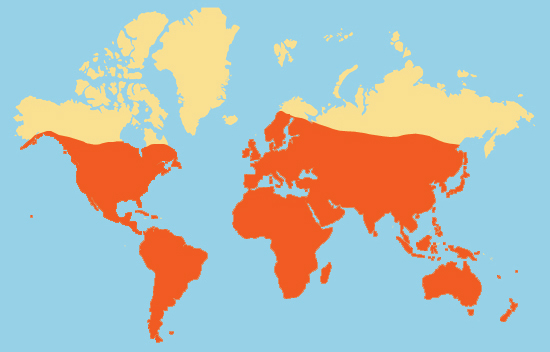
Bats are the only mammals that are actually capable of flight. However, what we consider to be wings are actually elongated fingers with a wing membrane attached. Bat wings are actually far more similar to human hands than they are to bird’s wings. Bats can be found globally, aside from in the extreme polar regions of the earth. Additionally, in many places some species of bat are endangered, whereas others have populations numbering well into the millions.
Bats Range Map
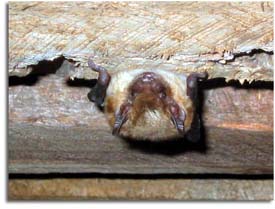
There are 15 known bat species located in the state of Georgia. One of these species includes the Big Brown Bat, which is found throughout North America. These bats can be found anywhere, but prefer places where they can be well concealed such as under look bark, tree cavities or as many people are used to, inside caves.
Big Brown Bat
Despite popular media, these bats, as well as 70% of the others, are insectivores and eat only insects including wasps, bees, flies and more. Other species of bat include Mexican free-tailed bats, Eastern pipistrelle, the Gray bat, as well as many others. Bats may be by your home if you live in a heavily wooded area or have anywhere they can feel sheltered and well-fed. If you find yourself with unexpected neighbors, our Wildlife Services will come to your aid!
Jun 26, 2013 | Uncategorized
This past weekend I was outside working in the garden when I came across a few unwanted guests. There were a few spiders, a couple ground beetles, and a large amount of ants. The ants and beetles were present because my garden provides them with a large amount of food and water. The spiders were there because my garden provides them food (the other insects).
As most of you know the most common insecticides should not be used in gardens. Leaving the everyday gardener to reach out to “over the counter” products from their local nursery or hardware store to help rid them of pests. Although many of these products are effective for short periods of time, they require a minimum time lapse before you can harvest your yield. As many of you know, at Northwest Exterminating we care about protecting your family from pests in the most natural ways possible. And when it comes to the family garden our service technicians are trained to stop the pest before they enter the garden area. That being said, a lot of the garden insects start in the garden area and never leave it – making it hard to control them. So what can you do? Below I have listed some natural ways to help assist you in keeping the pest populations down in your family’s garden this growing season. Following these steps and methods will ensure a healthy garden with minimal pesticide use.
Environmental Tips:
- Be careful not to over water. Excess water will provide a water source that is attractive to most pests.
- Don’t plant too much. Dense garden foliage will provide hidden shelter for pests including rodents.
- Weed your garden regularly. Eliminating the weeds will allow open spaces that leave pests exposed to other predators.
Natural Plantings You Can Add To Help Keep The Pests Down:
- Plant some of your herbs in amongst your garden staples. The strong aroma from these plants can deter harmful pests, and attract predators to some of the damaging pests. Examples: Basil, Citronella, Dill, Fennel, and Lemongrass
- Spread coffee grounds around the garden to help reduce snails and provide an extra source of fertilizer.
- Use a few peppermint essential oil drops in some water and lightly spray your plants to keep the ants off.
- Plant onions, marigolds, and radishes around the garden to help as well!
We hope some of these tips help you keep your family garden healthier this season! For more information on Northwest’s Pest Control and Services visit us at callnorthwest.com
Adam Vannest
Director of Pest ServicesNorthwest Exterminating
[email protected]
Jun 26, 2013 | Uncategorized
This past weekend I was outside working in the garden when I came across a few unwanted guests. There were a few spiders, a couple ground beetles, and a large amount of ants. The ants and beetles were present because my garden provides them with a large amount of food and water. The spiders were there because my garden provides them food (the other insects).
As most of you know the most common insecticides should not be used in gardens. Leaving the everyday gardener to reach out to “over the counter” products from their local nursery or hardware store to help rid them of pests. Although many of these products are effective for short periods of time, they require a minimum time lapse before you can harvest your yield. As many of you know, at Northwest Exterminating we care about protecting your family from pests in the most natural ways possible. And when it comes to the family garden our service technicians are trained to stop the pest before they enter the garden area. That being said, a lot of the garden insects start in the garden area and never leave it – making it hard to control them. So what can you do? Below I have listed some natural ways to help assist you in keeping the pest populations down in your family’s garden this growing season. Following these steps and methods will ensure a healthy garden with minimal pesticide use.
Environmental Tips:
- Be careful not to over water. Excess water will provide a water source that is attractive to most pests.
- Don’t plant too much. Dense garden foliage will provide hidden shelter for pests including rodents.
- Weed your garden regularly. Eliminating the weeds will allow open spaces that leave pests exposed to other predators.
Natural Plantings You Can Add To Help Keep The Pests Down:
- Plant some of your herbs in amongst your garden staples. The strong aroma from these plants can deter harmful pests, and attract predators to some of the damaging pests. Examples: Basil, Citronella, Dill, Fennel, and Lemongrass
- Spread coffee grounds around the garden to help reduce snails and provide an extra source of fertilizer.
- Use a few peppermint essential oil drops in some water and lightly spray your plants to keep the ants off.
- Plant onions, marigolds, and radishes around the garden to help as well!
We hope some of these tips help you keep your family garden healthier this season! For more information on Northwest’s Pest Control and Services visit us at callnorthwest.com
Adam Vannest
Director of Pest ServicesNorthwest Exterminating
[email protected]
Jun 24, 2013 | Uncategorized
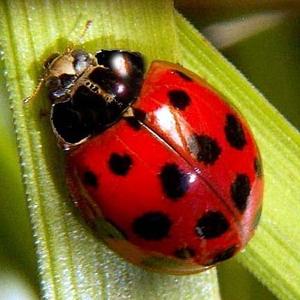
There are more than 5,000 different ladybug species in the world, known by many different names. Ladybird beetles, lady beetles, ladybirds, God’s cow, lady clock, lady cow, lady fly..these are just to name a few. The easiest way to tell a ladybug from another insect is their appearance: their bodies are always a round or oval dome-shape, they have a hard shell wing that covers their inner wings, and they are able to retract their head like a turtle.
Ladybugs leave their summer feeding grounds in fields, forests, and yards and begin to appear indoors in the fall looking for a place to spend the winter. Children love ladybugs because they are easy to catch and they are bright in color. Gardner’s also enjoy them and consider them useful as they eat aphids or insects. Many cultures consider ladybugs lucky and in many countries the sight of a ladybug is either a call to make a wish or a sign that a wish will soon be granted. Ladybugs are the state insect of Delaware, Massachusetts, New Hampshire, New York, Ohio, and Tennessee. They are the official national mascot for the Alpha Sigma Alpha sorority in the United States and the mascot of a ski resort in Spain.
Barry Teubert
Northwest Exterminating
Savannah Service Center Manager
[email protected]