Feb 6, 2013 | Uncategorized
Roaches are often referred to as w aterbugs. These bugs enter homes and commercial kitchens in search of food, water, and shelter.
Habits
- Enter through cracks and crevices
- Enter by way of boxes, containers, etc.
- Commonly found in areas with water such as kitchens and bathrooms
Different Species
Threats
- Cockroaches have been reported to spread at least 33 kinds of bacteria, six kinds of parasitic worms, and at least seven other kinds of human pathogens
- Cockroach allergens trigger allergic reactions
- Have shown to cause asthma in children
- Pick up germs while crawling though decaying matter or sewage and carry those germs onto foods or other surfaces
Prevention
- Reduce moisture by fixing leaky drains and pipes, properly ventilate basements and crawlspaces
- Brush all firewood before bringing it into your home – many insects lay eggs on firewood
- Clean kitchen counters regularly of spills and crumbs
- Clean dishes immediately after use
- Vacuum often
- Keep garbage in sealed containers and dispose often
- Keep food seals and stored properly
- Seal cracks and crevices that roaches could use as entry points into a structure
Other Pests to Look Out for
Feb 4, 2013 | Uncategorized
Northwest Exterminating recently added another tool to our website that will benefit business and homeowners. The 2013 Pest Calendar is available for printing and download on our site. Each month we highlight a particular pest that is often seen at that time of the year. Along with a visual reference, we offer some little known facts about the pest.
We cover squirrels, cockroaches, termites, carpenter bees, mosquitoes, bed bugs, fire ants, fleas/ticks, stink bugs/kudzu bugs, spiders, rats, and raccoons.
We hope this will serve as a useful tool to our customers and those that visit our site at www.callnorthwest.com
Go to our website and check out our 2013 Pest Calendar!
Feb 1, 2013 | Uncategorized
This post needs little to no explanation!! But here’s a brief one: The lawn on the left is serviced by our competitor, the lawn on the right is serviced by Northwest . Which lawn would you prefer?
L: A lawn serviced by a competitor; R: A lawn serviced by Northwest
A healthy lawn in the warm months comes from maintenance and TLC in the cool months. Northwest offers an 8 step program that will treat the conditions in your yard as the seasonal conditions change! For more information visit our page.
Jan 30, 2013 | Uncategorized
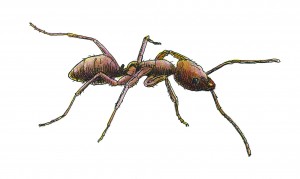
Ants in the kitchen, ants in the bathroom…that wouldn’t be unusual except it is in the middle of winter!!! Aren’t ants supposed to hibernate during the cold months?
Most likely the ants that are seen during winter are Argentine ants. These ants don’t have to live in the ground; they can make themselves right at home under structures or in the walls of homes protected from the elements. And just a few feet away is everything they need to survive: water, food and shelter. But just think, if the ants are this bad now, imagine how bad they will be in the summer!
Argentine Ant
Argentine ants can quickly populate into multiple colonies containing many queens and thousands of workers. The ants can travel freely between and within these colonies. Due to their fast growth it makes it difficult to control these ants once they have made their way into a structure. People often panic when they see ants inside their home and spray them with the closest can of bug spray that they can find. This might fix the problem temporarily, however, it is best to have a professional who can properly identify the ants and understand their habits in order to devise a treatment plan that will be most effective.
Argentine ants are constantly looking for food. They love sugary foods like soft drinks and syrups. Once an ant finds a food source, it alerts the other ants to “come and get it.” Before you know it the trashcans, counter tops and cabinets are taken over by ants! But don’t worry; there are ways to combat these guys once they have invaded.
- Keep counter tops clean of food and drink residue.
- Frequently wipe out cabinets to remove food debris.
- Thoroughly rinse out soft drink cans and bottles before throwing them in the trash and take the trash out often.
- Don’t leave unclean dishes in the sink or dishwasher.
- Keep sugary foods like cereal in sealed containers.
- Some household plants attract small insects, like aphids, that produce honey dew. Argentine ants will feed on honey dew. Controlling the insects on plants or selecting plants that are not susceptible to them will help to deter ants.
While all these methods can be effective, the best way to battle Argentine ants is to keep them from entering homes in the first place. Homeowners can cut limbs and other vegetation away from homes to prevent easy access. Rake fallen leaves and pine straw away from the home. Seal all cracks and entry points around the home (this will help with energy bills as well). Don’t forget about potted plants; ants can even nest under pots!
Many times, the materials we use to make our landscaping aesthetically pleasing are the very materials that will harbor pests. Mulch is not only a favorite material for homeowners to use, but it is also the preferred nesting material for ants – providing moisture and shelter from the elements. If mulch is used next to a house it should be pulled away from the outside walls. Refrain from over-watering mulched areas and limit the depth of the mulch to just a couple of inches to help keep it more dry. The drier the mulch, the less inviting it is for ants and other insects.
Garbage cans are often stored next to houses and buildings for convenience. It also makes the area more attractive to ants and brings them closer to your home. Garbage should be kept in sealed cans that are stored as far away from the home as possible.
Controlling Argentine ants is a difficult, year-round task, but with proper prevention and the help of your pest control provider, it is possible.
Teresa Womack
[email protected]
Jan 28, 2013 | Uncategorized
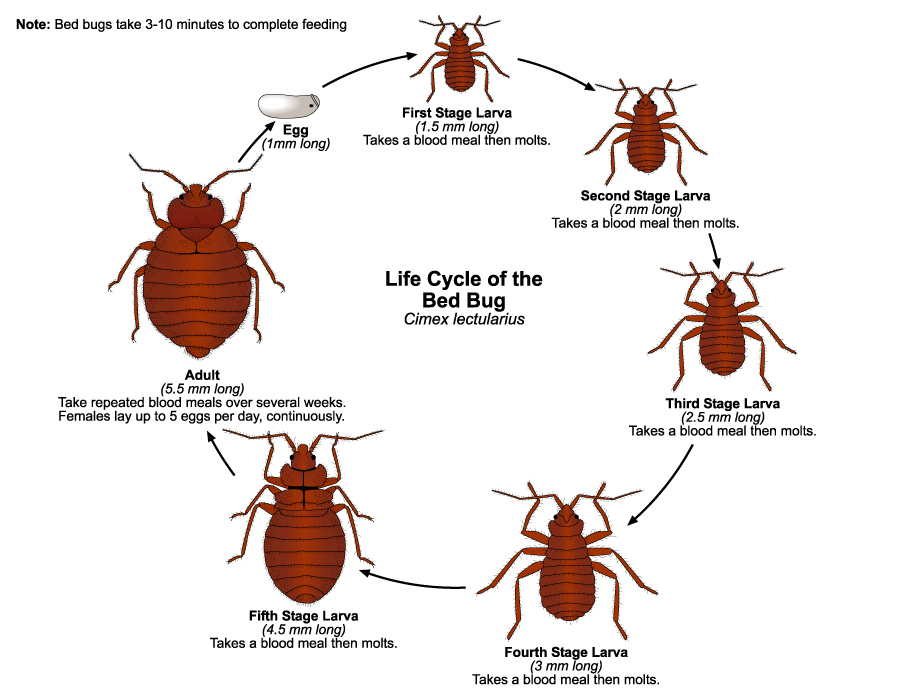
Bed bugs are small parasitic insects that feed on the blood of humans and animals, typically while they sleep. Usually, they live within 8 feet of where people sleep but are known to travel up to 100 feet in one night! This is because they can go many months without having to have a meal. When they take a bite, they will leave a small bite mark that, at worst, can cause a serious allergic reaction, but are otherwise not known to be a source of disease.
Unlike their name suggests, bed bugs can be found in houses, apartments, hotels, trains, and even cruise ships. At one time, it was thought that these insects were only an issue in developing countries, but recently they have rapidly spread throughout North America and parts of Europe. They travel through the seams and folds of luggage, overnight bags, clothing, bedding and furniture. Despite what conventional wisdom suggests, the presence of bed bugs does not have to do with lack of cleanliness. Bed bugs go where food can be found.
Bed bug infestation will most likely be spotted after they have already gotten to you. If you see inexplicable bite marks on your body after you wake up, you might want to investigate further. Looking around your sleeping area, you may discover bed bug exoskeletons, a sweet musty order, rusty-colored blood spots and of course, actual bed bugs in the folds of mattresses and sheets.
The treatment and prevention of bed bugs is where Northwest Exterminating comes in. We offer services to rid your home of bed bugs should an infestation occur. If you find that you have encountered these unwelcome bed guests, be sure to contact your nearest service center!
Melissa Brown
[email protected]
Source:
http://www.cdc.gov/parasites/bedbugs/faqs.html

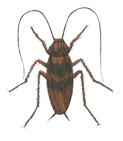 aterbugs. These bugs enter homes and commercial kitchens in search of food, water, and shelter.