Jan 25, 2013 | Pest Control, Wildlife
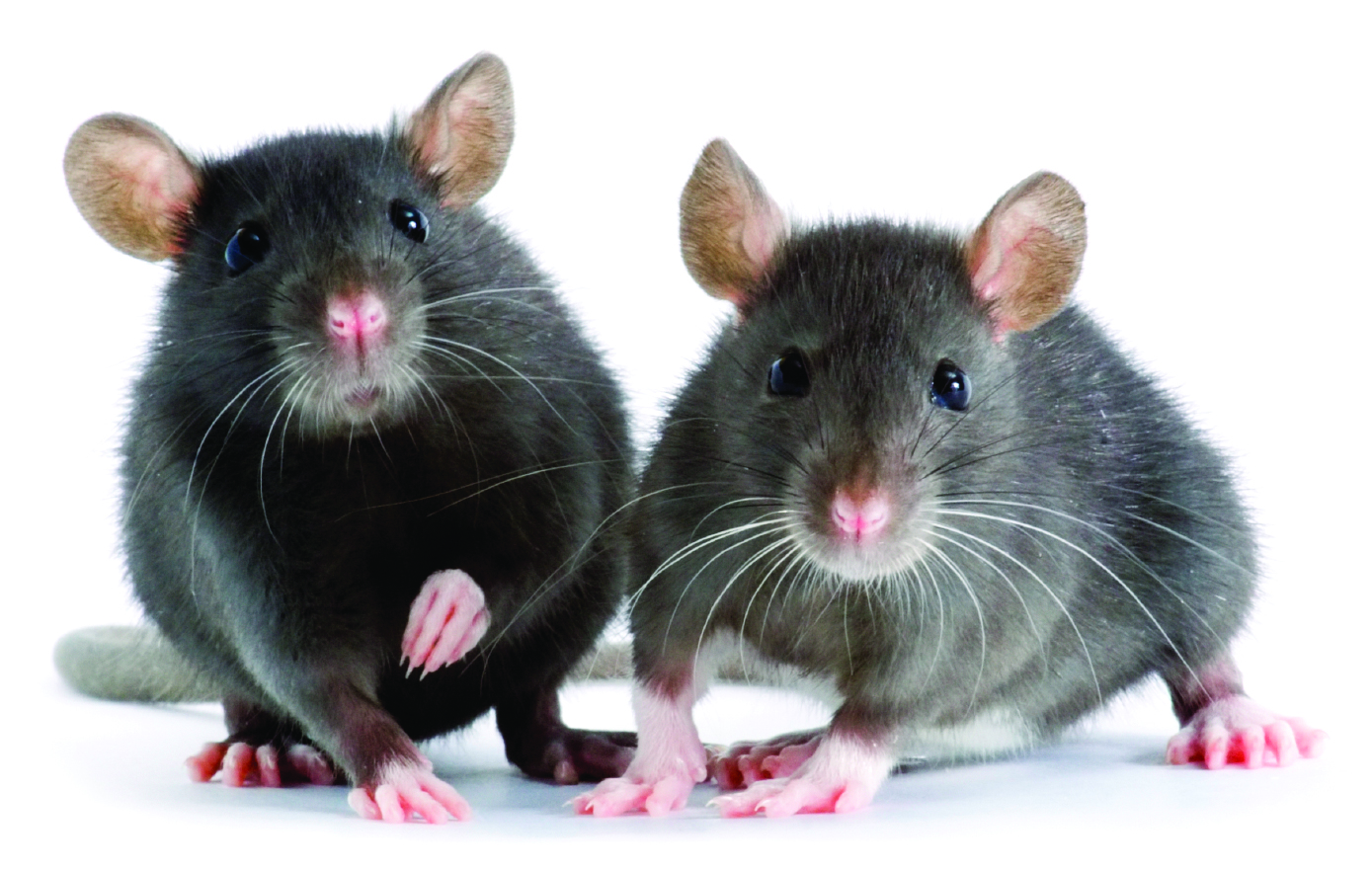
The NPMA recently posted an article on their website that explained the dangers that rodents can cause to your home and your health. We often talk in our blogs about the unsanitary conditions and the property damage that a rodent infestation can lead to but we rarely discuss the health risks that are involved.
Rodents, such as mice and rats, can leave droppings that can spread bacteria, contaminate food, and cause allergic reactions. Droppings can also spread diseases and viruses such as the following:
- Hantavirus – “Hantavirus is a potentially life-threatening disease transmitted to humans by rodents—primarily, the white-footed deer mouse. People become infected through exposure or inhalation of infected rodent urine, droppings or saliva, and the chances increase when people are near spaces where rodents are actively living.”
- Bubonic plague – “…is usually spread by the bite of an infected rodent flea and can cause fever, headache and painfully swollen lymph nodes.”
- Salmonellosis – Salmonellosis is a type of food poisoning spread by rodent feces, especially through the consumption of contaminated food. Symptoms include diarrhea, fever and abdominal pain.”
- Rat-Bite Fever – “Rat-bite fever (RBF) is a potentially fatal infectious disease spread by infected rodents or the consumption of food contaminated by rodents.”
To read the full article or get more information on the diseases above click HERE.
Please don’t take chances with the health of you or your loved ones. If you have rodents in your home, call a licensed exterminator, Northwest Exterminating, to get rid of the rodents in your home.
Source: http://www.pestworld.org/news-and-views/pest-articles/articles/health-threats-posed-by-rodents/
Jan 23, 2013 | Uncategorized
You spend a lot of time on your lawn and plants in the warm months. You enjoy their beauty, their usefulness, and even their taste if you have vegetables in your garden. So you want to make sure that your plants stay healthy in the cold temperatures of winter. Rapidly changing temperatures, extreme temperatures, frost, and snow can damage your plants.
Here are some helpful tips to protect your plants from the cold:
- Cover your plants with clear plastic. A plastic covering protects plants from snow and frost. Make sure that the plastic is a bit higher than the plant so the plastic doesn’t freeze to the plant. Using clear allows you to see through the plastic and monitor your plants.
- Cover plants with blankets. An alternative to using clear plastic is using old blankets or sheets to cover your plants. However, when using this method it is important to keep blankets dry.
- Use hot caps on vegetables. Hot caps are recommended to protect tender vegetables from frost. These can be purchased or you can make your own. Visit http://www.wikihow.com/Make-Garden-Hot-Caps-from-Used-Milk-Jugs
- Move plants to shelter. If possible, move plants to a place that offers shelter and warmth from the elements. This can be inside or even under a covered structure.
- Use mulch. Mulch acts as an insulator for plants during temperature swings.
For more information on lawn care, please visit our site at https://www.callnorthwest.com/lawn-care/
Jan 21, 2013 | Uncategorized
Ever wonder how gardens stayed plush and green without modern pest control techniques? Before exterminating companies existed, many planters relied on a method of organic pest control known as companion planting. Companion planting involves placing plants in your garden that have qualities that deter pests that surround and protect your other plants. For instance, planting certain herbs in your vegetable garden can attract beneficial insects while simultaneously repelling harmful ones.
One pest that likes to frequent gardens is the aphid, otherwise known as plant lice. These tiny insects suck the sap from the plant, taking all the nutrients to keep the plant healthy and living. Sometimes as they are feeding, aphids transmit plant viruses to plants such as potatoes and citrus plants, which can kill the plants. Planting chives, coriander or nasturtium around your plants will discourage infestations by these plants.

Nasturtium
Certain plants can keep larger pests out of your garden. For instance, planting lavender not only deter ticks, but also moths and mice. Mice also do not like the smell of daffodils, which can be used as a colorful boarder for an herb garden. Additionally, rabbits do not like the smell of onions, which can be planted alongside peas, beans, lettuce and cabbage. Lastly, sprinkling cayenne pepper on your plants can act as a deterrent for raccoons.
If companion planting still does not do the job of minimizing pest invasions, Northwest Exterminating offers pest control services that not only takes care of pest, but also does it in a green, environmentally friendly way! Northwest offers many services that will protect your plants, home and office environment. We offer more than pest elimination, but also healthier living and working environments. Check out our website for more info at www.callnorthwest.com
Melissa Brown
[email protected]
Sources:
http://gardening.about.com/od/naturalorganiccontrol/a/Companion_2.htm
http://en.wikipedia.org/wiki/Aphid
http://www.naturalnews.com/035853_companion_planting_garden_vegetables.html
Jan 16, 2013 | Uncategorized
Q. What is Green Pest Control?
Green Pest Control is a way of eliminating pests while having the lowest environmental impact possible. There are many “green” options to traditional pest control methods that use harmful chemicals. Our Green Pest Control, NorPest Green, is a program that uses the most up to date technology and products for getting rid of pests.
Times have changed and people are concerned about the health of their homes, children, and pets…and we couldn’t agree more. As stated above, NorPest Green gets rid of pests while maintaining the lowest environmental impact possible. The active ingredients in our products are derived from flowers, plants, and natural elements from the Earth…no harsh chemicals and is still just as effective as traditional pest control methods.
We also use the 5 step IPM process (integrated pest management) which is “an effective and environmentally sensitive approach to pest management that relies on a combination of common-sense practices.”
For more information on NorPest Green and our other Northwest Exterminating Green services to control insects in your home visit our website at callnorthwest.com
Jan 14, 2013 | Uncategorized
We would like to give a great big CONGRATULATIONS to our Alpharetta, Buford, Smyrna, and Newnan service centers that each received the 2012 Angie’s List Super Service Award!!
//
According to Angie’s List “The Super Service Award is given to companies that have achieved and maintained a superior service record on Angie’s List. Approximately 5% of companies on Angie’s List meet the minimum eligibility requirements to be considered. Eligibility requirements include maintaining an “A” rating overall…”
We are so proud of these teams and their hard work and dedication to Northwest Exterminating and our customers. We would also like to thank each and every person who has taken the time to go online and leave us a review regarding your experiences with Northwest. We are always striving to not only be the best in pest and termite control but the best in customer service as well.
Thanks again!