Sep 12, 2025 | Florida Pest Control
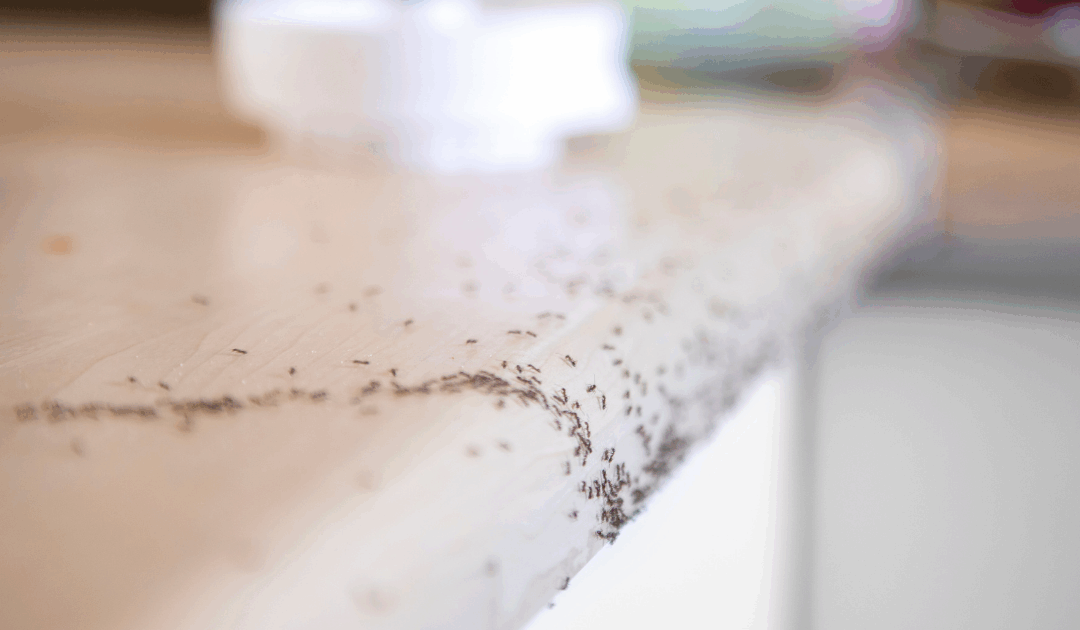
Fort Myers residents know the frustration well. You clean your kitchen, and within hours, a steady line of ants appears across the counters. Florida’s year-round warmth and humidity create ideal conditions for ant colonies to thrive, making prevention and control a regular part of maintaining a comfortable home. The good news is that lasting ant control is possible with proven strategies that protect both your family and the natural environment of Southwest Florida. Here’s how to tackle these persistent pests while keeping the area’s delicate ecosystem in mind.
Ant Control in Fort Myers
Understanding Fort Myers’ Ant Population
Southwest Florida’s subtropical climate supports several ant species that frequently invade homes. Ghost ants, with their translucent legs and bodies, often appear in kitchens and bathrooms in search of moisture and food. Fire ants build aggressive colonies in yards and deliver painful stings, while carpenter ants can damage wood structures as they tunnel to build nests.
Pharaoh ants present a unique challenge because they create multiple colonies and require specialized management. These tiny yellow ants can contaminate food and spread bacteria, making prompt action important for protecting health.
Each species behaves differently, so understanding their habits is key to choosing the right control methods.
Why Traditional Ant Control Methods Often Fall Short
Over-the-counter sprays may kill visible ants but rarely address the colony itself. Without eliminating the source, infestations often return. This cycle leads to repeated treatments that can affect beneficial insects, pollinators, and water quality in sensitive coastal areas.
Effective ant management requires a comprehensive approach that targets colonies, prevents new infestations, and protects the environment.
Natural Prevention Strategies That Work
Eliminate Entry Points
Inspect your home for cracks, gaps, and openings that ants could use to get inside. Common trouble spots include windows, doors, and utility penetrations. Seal gaps with weatherproof caulk, repair screens, and install door sweeps to block access.
Pay extra attention to moisture-prone areas. Afternoon storms in Fort Myers can create damp conditions that attract ants, so sealing these areas also supports moisture control.
Maintain Strategic Cleanliness
Reduce attractants by cleaning surfaces promptly after food preparation, especially behind appliances where crumbs and spills can go unnoticed. Store all food, including pet food, in sealed containers.
Empty trash bins regularly and ensure lids fit tightly. Wiping down surfaces with vinegar can erase the scent trails ants use to navigate, making your home less inviting.
Manage Moisture Levels
Proper ventilation and dehumidification help reduce indoor humidity. Address plumbing leaks promptly and check under sinks, around water heaters, and near outdoor faucets for moisture buildup.
Outside, improve drainage and keep gutters clear to prevent water pooling around the foundation.
Effective Natural Deterrents
Essential Oils
Peppermint oil is a well-known ant deterrent. Mix 10–15 drops with water in a spray bottle and apply to baseboards, entry points, and areas where ants are active. Tea tree and lemon oils offer additional protection and a pleasant scent.
Food-Grade Options
Diatomaceous earth damages the exoskeletons of crawling insects and works well when applied along trails and near entry points. Cinnamon powder can create a barrier ants will avoid, and ground coffee can deter several species while adding a subtle aroma.
Landscape Adjustments
Plant ant-repelling species such as mint, tansy, or pennyroyal along the perimeter of your home. Trim vegetation so it does not touch exterior walls, as plants can act as bridges for ants to enter.
Maintaining Long-Term Success
Ant control is most effective when prevention, sanitation, moisture management, and monitoring work together. Seasonal inspections help identify and address vulnerabilities early.
Keeping a record of what works on your property allows you to refine your approach over time. With consistent attention, these strategies help create an environment where ants are far less likely to take up residence, protecting both your home and Fort Myers’ coastal ecosystem. Contact local pest control professionals for a free ant control quote today!

Sep 11, 2025 | Commercial
Commercial properties face unique pest challenges that demand specialized expertise. Unlike residential settings, businesses must keep environments pest-free while protecting inventory, preventing operational disruptions, and maintaining a strong professional reputation. Professional commercial pest control goes beyond occasional treatments. It’s a comprehensive, science-based approach that addresses the root causes of infestations and prevents them from returning. Here are the proven strategies commercial exterminators use to keep businesses protected year-round.
Proven Strategies for Commercial Exterminators
Strategic Inspection and Monitoring
Regular inspections are essential to staying ahead of pest issues. Commercial exterminators create monitoring schedules based on property type, industry regulations, and seasonal pest patterns.
Inspections focus on entry points, moisture sources, food storage areas, waste systems, and structural vulnerabilities. Tools like infrared cameras, moisture meters, and borescopes help detect hidden issues before they become infestations.
Detailed documentation supports compliance, trend analysis, and long-term planning. Many exterminators now use digital monitoring systems and real-time reporting to track activity and fine-tune strategies.
Customized Treatment Protocols by Industry
Every business type has unique pest pressures, and commercial exterminators tailor protocols accordingly:
- Restaurants – Health-compliant strategies with targeted baiting, crack-and-crevice treatments, and non-food area applications.
- Healthcare facilities – Hospital-grade methods that prioritize patient safety and sterile conditions.
- Retail properties – Discreet treatments and flexible scheduling to protect both merchandise and the shopping experience.
- Warehouses – Large-scale prevention for incoming shipments, storage areas, and multiple access points.
Proactive Environmental Management
Prevention begins with making the environment less welcoming to pests. This includes:
- Moisture control – Repairing leaks, improving drainage, and maintaining HVAC systems to reduce humidity.
- Sanitation improvements – Waste management, proper food storage, and regular cleaning routines.
- Structural repairs – Sealing cracks, gaps, and utility entry points to block pest access.
Advanced Treatment Technologies
Modern pest control uses cutting-edge tools to maximize results while minimizing disruption:
- Heat treatments – Precision temperature control to eliminate pests without chemical residue.
- Smart baiting systems – Technology that tracks consumption and pest activity for targeted action.
- Exclusion solutions – Professional-grade barriers that provide long-term protection.
- Biological control agents – Natural predators and pathogens that reduce certain pest populations.
Compliance and Documentation
Many industries require detailed pest control records for audits and regulatory compliance. Commercial exterminators provide documentation that includes inspection results, treatment details, photographic evidence, and trend analysis.
They also train staff to recognize pest signs, follow sanitation best practices, and respond promptly to concerns.
Investing in Long-Term Protection
Commercial pest control is an investment in your business’s continuity and reputation. By partnering with experienced professionals, you gain strategies that prevent recurring infestations and protect your property, inventory, and customers.
DIY or one-time treatments can’t match the systematic approach and tailored expertise of professional pest management.
For consistent results and year-round protection, work with your local commercial pest control experts. They’ll create a plan that fits your industry, protects your operations, and keeps pests where they belong—outside.
Sep 9, 2025 | Good Deed Team
On August 26, Gainesville, GA teammates gathered at Fire Station 1 for a special cookout to honor local police officers, firefighters, and EMTs.
Firefighters gave teammates a rare, behind-the-scenes look at what it takes to serve in their role. Northwest Teammates learned how to operate the Jaws of Life by playing an oversized game of Jenga, felt the strength of the water flow while handling a fire hose, and even practiced knocking down a locked training door using firefighter tools. One teammate suited up in full gear to experience the weight and intensity of what firefighters carry when responding to emergencies.
“It was a fun, informational, and eye-opening way to get a small glimpse of the skills and strength they put into their work every day,” said Gainesville Office Manager Crystal Munday.
At Northwest Exterminating, First Responder Cookouts are our way of showing appreciation to the men and women who dedicate their lives to keeping our communities safe. This afternoon of appreciation and fellowship wasn’t just about great food and fun; it was a meaningful opportunity to connect with the first responders who protect the communities where we live and work.
Sep 8, 2025 | Good Deed Team
For the first time, Northwest Exterminating’s Good Deed Team partnered with Connections for Special Parents to sponsor a fishing trip for children with disabilities. The fun filled day of activities took place on August 16 at Lake Hartwell in Hartwell, GA.
For many of the children, it was their first time casting a fishing rod. The new experience brought excitement to the children and parents were delighted as they watched their children discover something new. The event gave everyone the chance to enjoy the great outdoors and connect with others in a safe and welcoming environment.
To make the day even more memorable, Good Deed Team Co-Director Greg Green provided lunch for more than 60 people, serving his Southeast (almost) famous hamburgers along with hot dogs, baked beans, potato salad, cookies and Popsicles. It was the perfect day for casting lines, creating new experiences and making fun memories.
Connections for Special Parents is an organization that provides resources and support to parents and caregivers who have children with special needs. The group helps children explore new experiences and opportunities in a safe and encouraging environment.
The Good Deed Team plans to continue this new partnership and find more future initiatives to support and serve these families in meaningful ways. The team enjoyed the chance to share time and in something new together.
At Northwest Exterminating we believe in serving communities with more than just pest solutions. We’re committed to finding ways to show care for people and spread kindness.
Sep 5, 2025 | Florida Pest Control
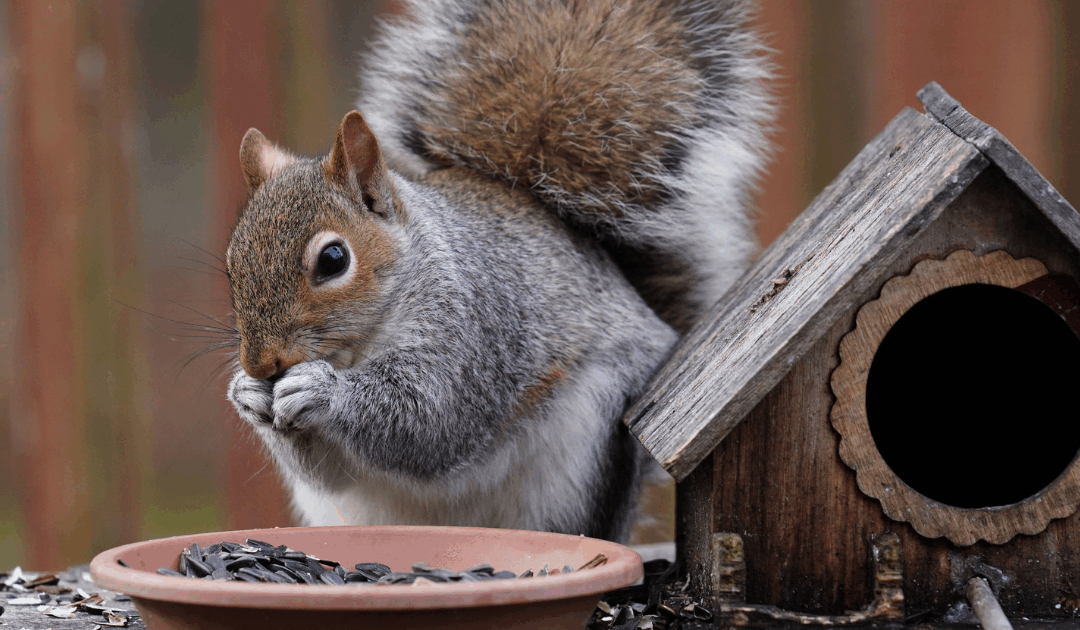
Broward County’s year-round warmth and lush vegetation make it a haven for squirrels. While they can be entertaining in parks, these agile climbers are less welcome when they invade attics, damage gardens, or chew through home structures. By understanding squirrel behavior and using strategies tailored to South Florida, homeowners can protect their property while maintaining balance with the local environment.
Understanding Broward County’s Squirrel Population
South Florida is home to several squirrel species, with gray squirrels and fox squirrels most common around residential areas. They use power lines, fences, and trees as travel routes and often seek shelter in attics, sheds, or crawl spaces.
Because Broward’s climate keeps squirrels active all year, the risk of property damage, noise, and potential health concerns is ongoing. Females typically have two litters a year—late winter and mid-summer—making these peak times for activity.
Signs of Squirrel Problems in Your Home
Early detection helps prevent costly repairs. Common signs include scratching or scampering in attics, especially at dawn or dusk, chewed roof edges or soffits, damaged screens, and gnaw marks on wood or wires. Outdoors, you may notice disturbed bird feeders, dug-up flower beds, or plants stripped of fruit and vegetables.
Natural Prevention Strategies
Habitat Modification
Remove attractants that encourage squirrels to linger. Trim branches at least six feet from the roof, clear fallen fruit and nuts promptly, and relocate or squirrel-proof bird feeders.
Physical Exclusion Methods
Cover vents, chimneys, and other openings with hardware cloth or metal screening, using mesh smaller than one inch. Seal gaps with caulk, foam, or metal patches, and reinforce vulnerable roof edges with flashing.
Eco-Friendly Deterrent Solutions
Natural Repellent Applications
Sprinkle cayenne pepper or hot sauce around problem areas, or place cotton balls soaked in peppermint, eucalyptus, or citrus oil near entry points. Predator scents, like fox or coyote urine, can also discourage squirrels.
Strategic Garden Protection
Use lightweight row covers, plant squirrel-resistant flowers like marigolds and alliums, or create decoy feeding spots away from your home and garden.
Attic and Roof Protection
Inspection and Monitoring
Check attics and roofs regularly for signs of damage or nesting materials. Pay special attention after storms, which can create new entry points. Motion-activated cameras can help track activity patterns.
Professional-Grade Solutions
Install chimney caps, vent guards, and tree banding to block climbing routes. These measures reduce access without harming wildlife.
Safe and Humane Management Practices
Live Trapping Considerations
If removal is necessary, use humane live traps with appropriate bait, following Broward County regulations on relocation. Complex situations may require trained wildlife experts who understand local squirrel behavior.
Long-Term Population Management
Encourage natural predators, and coordinate with neighbors for community-wide prevention efforts. Consistent approaches reduce squirrel pressure across the area.
Maintaining Long-Term Success
Broward squirrel control works best with ongoing attention—seasonal inspections, refreshed deterrents, and regular maintenance of exclusion methods. By combining habitat changes, physical barriers, and humane deterrents, you can keep squirrels from becoming long-term houseguests while still protecting the wildlife that makes South Florida unique. For stubborn or recurring issues, experienced pest control professionals can help ensure your home stays squirrel-free. Contact pest control near you for a free quote!