Jul 10, 2025 | Company News
Teammates at Northwest Exterminating’s Team Support Center found the perfect way to jumpstart the week after a long holiday weekend by bringing back the fun with a Summer Field Day!
The event kicked off with a spirited game of tug-of-war, setting the tone for an afternoon filled with energy and laughter. From inflatable bowling to an egg drop challenge and a classic tin toss, teammates rotated through a series of fun and quirky games that kept the momentum going. Greg Green and Kristen Milligan with the Good Deed Team provided hamburgers and hot dogs with all the fixings.
While the food and games were a hit, it was the fellowship that truly stood out. Events like these offer a chance for teammates to connect beyond daily responsibilities, fostering stronger relationships and team spirit. It’s an opportunity to interact with colleagues from different departments.

This Summer Field Day was the latest edition of Monday Mingle, a bi-monthly tradition that mixes food, fun, and friendly rivalry. From trivia contests to “finish the lyrics” battles, each Monday Mingle offers something new. This time, the event was hosted by some of the youngest members of the team. Their enthusiasm and creativity added an extra layer of excitement to the festivities, reminding everyone that a little fun goes a long way in building a stronger team.
Summer is off to a bright start at the Team Support Center—and thanks to events like these, so is the team spirit that makes Northwest such a special place to work.
Jul 9, 2025 | Florida Green Pest Control
Pests are a common concern for Broward County homeowners, thanks to the area’s warm climate and lush surroundings. While traditional pest control often involves harsh chemicals, natural pest control methods offer a healthier, eco-friendly alternative. This guide covers effective strategies and natural solutions to help protect your home—without compromising your health or the environment.
A Guide to Natural Pest Control
Eco-Friendly Pest Prevention Starts at Home
The first step in natural pest control is prevention. By making your home less appealing to pests, you can reduce the likelihood of an infestation before it starts.
1. Seal Entry Points
Pests don’t need an invitation to come inside. Small cracks, gaps, and holes in your home’s exterior are all they need to make their way in.
- Inspect for Gaps: Check windows, doors, vents, and utility lines for any openings pests could use.
- Seal with Caulk or Weatherstripping: Close gaps with caulk for small cracks and weatherstripping for door and window frames.
- Screen Protection: Install fine-mesh screens on vents, chimneys, and attic openings to block access while maintaining proper airflow.
2. Keep Things Clean
Pests are drawn to food crumbs, unsealed trash, and water sources. Maintaining a clean home is one of the simplest ways to keep them away.
- Kitchen Care: Wipe countertops regularly, vacuum crumbs, and store food in airtight containers.
- Trash Management: Keep trash bins tightly sealed and take the garbage out frequently.
- Fix Leaks: Repair dripping faucets and pipes to eliminate standing water that attracts pests like ants and roaches.
3. Reduce Outdoor Attractions
Your yard plays a big role in pest prevention. By maintaining your outdoor spaces, you can limit the chances of pests venturing indoors.
- Trim Overgrown Plants: Keep shrubs and trees trimmed and positioned away from the foundation of your home.
- Remove Yard Debris: Clear out piles of leaves, wood, and other debris that can serve as hiding spots.
- Proper Drainage: Eliminate standing water by ensuring gutters, downspouts, and yard grading direct water away from your home.
Natural Pest Repellents to Try
Once your home is pest-resistant, you can add an extra layer of protection with natural repellents. These eco-friendly solutions deter pests without posing risks to your family or the environment.
Essential Oils
Certain essential oils have strong smells that pests dislike.
- Peppermint Oil: Effective against ants, spiders, and mice. Apply diluted peppermint oil around windowsills, doorways, and cracks where pests might enter.
- Lemon Eucalyptus Oil: A great natural alternative to chemical mosquito repellents. Spray it on your skin or use it around your yard.
- Cedarwood Oil: Great for repelling moths and some insects. Use it in closets or storage areas.
DIY Remedies
- Vinegar Spray: Mix equal parts of vinegar and water to create a spray that deters ants and flies. Apply it to entry points and areas where pests gather.
- Citrus Peels: Place lemon or orange peels near doorways or windowsills to repel pests like spiders and cockroaches.
- Diatomaceous Earth: A natural powder that acts as a desiccant for insects such as ants, roaches, and bedbugs. Sprinkle it near problem areas, like cracks and crawlspaces.
Plants That Deter Pests
Certain plants naturally repel pests when planted strategically in your yard or garden.
- Marigolds: Keep mosquitoes and aphids at bay.
- Lavender: Known for deterring moths, flies, and mosquitoes.
- Basil: Helps repel flies and mosquitos while doubling as a great culinary herb.
The Benefits of Natural Pest Control Services
While DIY methods can help with light pest control, professional green pest control programs offer deeper and more reliable solutions. By working with an expert, you gain access to tailored treatments that target specific pest problems efficiently.
Advantages of Professional Green Pest Control
- Customized Plans: Experts tailor treatments to your home’s unique environment and pest concerns.
- Low-Toxicity Treatments: Eco-friendly methods strike a balance between effective pest control and environmental health.
- Preventative Solutions: Green pest control focuses on prevention, reducing the need for repeated applications.
- Peace of Mind: Professionals ensure your family and pets are healthy and protected, while eliminating pests effectively.
Many pest control companies in Broward proudly offer green pest management solutions, so look for one with a strong commitment to eco-friendly practices.
Broward homeowners have plenty of options when it comes to protecting their homes from pests in a healthy, sustainable way. By focusing on eco-friendly prevention methods, using natural repellents, and partnering with green pest control professionals, you can enjoy a pest-free home while protecting both your family’s health and the planet.
Jul 7, 2025 | Insulation, Pest Control
If you’ve been hearing bumps, scratches, or rustling noises coming from your attic, you’re not alone. Many South Carolina homeowners face unwelcome attic tenants, from rodents to insects, and even insulation issues that encourage these pests to stick around. To protect your home, it’s essential to know what’s causing the commotion and how to address it. Below, we’ll cover five common attic pests and how insulation problems could be making your attic the perfect place for these critters to settle.
Common Attic Pests and Insulation Issues
1. Rodents
Mice and rats are some of the most common attic invaders. These small pests can squeeze through tiny gaps in your roof or walls and quickly turn your attic into a nesting site. Once inside, they chew on wires, gnaw on wooden beams, and leave droppings that create health hazards.
How to Spot Rodents
- Scratching Noises: Especially at night, when they’re most active.
- Chewed Materials: Look for gnawed wires, boxes, or insulation.
- Droppings: Small, dark pellets found along baseboards and in corners.
How to Prevent Rodents
- Seal gaps around vents, roofing, and utility lines.
- Store food securely and keep trash bins closed.
- Trim back trees that overhang the roof to limit entry points.
2. Squirrels
Squirrels may seem cute in your backyard, but they’re far less adorable when they invade your attic. They typically enter through roof vents or damaged soffits and quickly set up nests. Left unchecked, their strong chewing habits can damage beams, ducts, and wiring.
Signs of Squirrels
- Daytime Activity: Listen for scurrying noises during daylight hours, as squirrels are active during the day.
- Nesting Materials: Look for twigs, leaves, or shredded insulation.
- Entry Points from Roof: Check for holes or damage around eaves and vents.
How to Prevent Squirrels
- Repair roof damage and install vent covers.
- Use tree baffles to make it harder for squirrels to climb onto your home.
- Trim trees to prevent easy roof access.
3. Bats
South Carolina’s warm climate can attract bats looking for a space to roost, and your attic often fits the bill. While bats play an important role in controlling insect populations, their droppings, called guano, can pose serious health risks.
Signs of Bats in the Attic
- Chirping or Screeching Sounds: Bats are nocturnal and vocal, so you might hear them at night.
- Guano Droppings: Look for small, shiny black droppings around entry points or in the attic.
- Stains Around Entry Points: Dark, greasy stains may appear around cracks or holes bats use to get inside.
How to Prevent Bats
- Seal entry points with caulk or wire mesh (only after confirming bats are out).
- Install bat exclusion devices to allow them out but not back in.
- Work with a wildlife removal expert for humane removal.
4. Insects
Attics are often home to a variety of insect pests, including wasps, bees, and cockroaches. Wasps and bees build nests in eaves, while cockroaches prefer warm, dark spaces near food sources. Left unchecked, these pests can lead to infestations that spread through the home.
Identifying an Infestation
- Bees or Wasps: Look for nests hanging from eaves or inside vents.
- Cockroaches: Droppings, egg casings, or a musty smell can indicate their presence.
- Other Bugs: Watch for swarms or noticeable pest activity around attic windows or lights.
How to Address It
- Remove nests with professional help, especially for stinging insects.
- Seal cracks and use weatherstripping to block entry.
- Keep the attic clean and store food securely to avoid attracting roaches.
5. Insulation Issues
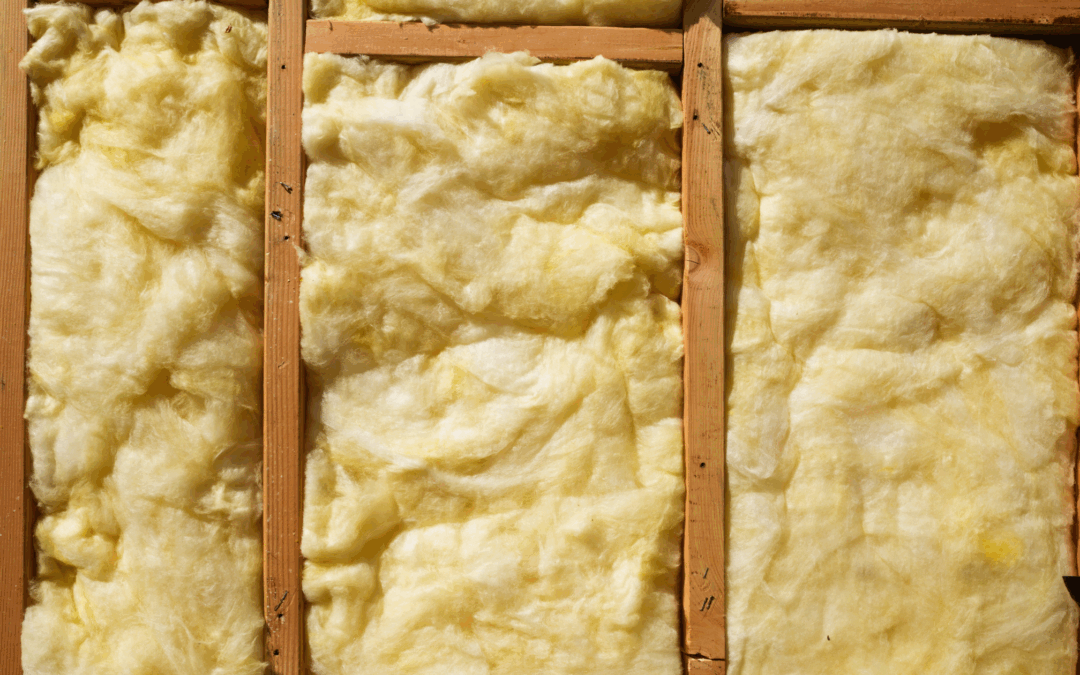
Beyond pests, poor insulation can contribute to your attic issues. Damaged attic insulation creates a warm, inviting nest for various pests while contributing to higher energy bills and reduced home comfort.
How Insulation Attracts Pests
- Holes or Gaps: These make it easy for pests to enter.
- Moisture Build-Up: Poor insulation can trap moisture, attracting insects and rodents.
- Heat Retention: Warmth in the attic, especially during colder months, appeals to animals seeking shelter.
Fixing Insulation Problems
- Inspect Regularly: Look for signs of damage, such as holes, missing sections, or shredded material (a clear sign of pest activity).
- Replace Damaged Insulation: Invest in pest-resistant insulation solutions like spray foam or cellulose treated with borates, which deter insects.
- Seal Air Leaks: Ensure proper attic ventilation while keeping gaps sealed to prevent entry.
How to Keep Your South Carolina Attic Pest-Free
Tackling pests and insulation issues in your attic takes a combination of prevention and professional support. Here are some tips to protect your home long-term:
- Schedule Regular Inspections: Check your attic for leaks, insulation issues, and pest activity at least twice a year.
- Seal Entry Points: Block cracks and openings with caulk, wire mesh, or steel wool.
- Invest in Pest Control: Work with a pest control professional to eliminate infestations prevent future issues.
- Maintain Cleanliness: Keep your attic clutter-free and dry to minimize appeal to pests.
By addressing these issues proactively, you can avoid costly repairs and keep your home protected, comfortable, and pest-free.
The noises in your attic may seem alarming, but they’re often a telltale sign of common attic pests or insulation problems. Whether it’s rodents, squirrels, bats, insects, or weak insulation creating the perfect habitat, taking preventive steps early on is key to maintaining a healthy home.
Jun 24, 2025 | Good Deed Team
In a remarkable show of community spirit and compassion, the Northwest Exterminating Family of Brands has once again proven that kindness can be a powerful force for good. With a workforce of 1,300 dedicated people, teammates completed 3,151 acts of kindness in just 31 days, highlighting their strong commitment to giving back.
Acts of Kindness Day is a company-wide initiative that took place on May 16, 2025. Employees were encouraged to take time during their workday to spread kindness in any form. What makes this initiative even more impressive is the scale and reach achieved by teammates.
On a single day alone, employees rallied to complete 1,649 acts of kindness. These ranged from writing handwritten sympathy and get-well cards to customers, to financially supporting fellow teammates during difficult times, and helping complete strangers in meaningful ways. Teammates also took time to show appreciation for local educators—Cullman, AL and McCall teammates in Gainesville, Fl hosted Teacher Appreciation Luncheons, including a fiesta-themed celebration complete with vibrant décor and festive food to recognize and celebrate teachers for their hard work and dedication.
The Acts of Kindness campaign shows how purpose-driven action, no matter the size of the workforce, can create measurable and meaningful change.
The Acts of Kindness initiative reflects the Northwest Family of Brands’ ongoing dedication to fostering a culture that values people and prioritizes positive impact both inside and outside the workplace.
Jun 19, 2025 | Florida Mosquito Control
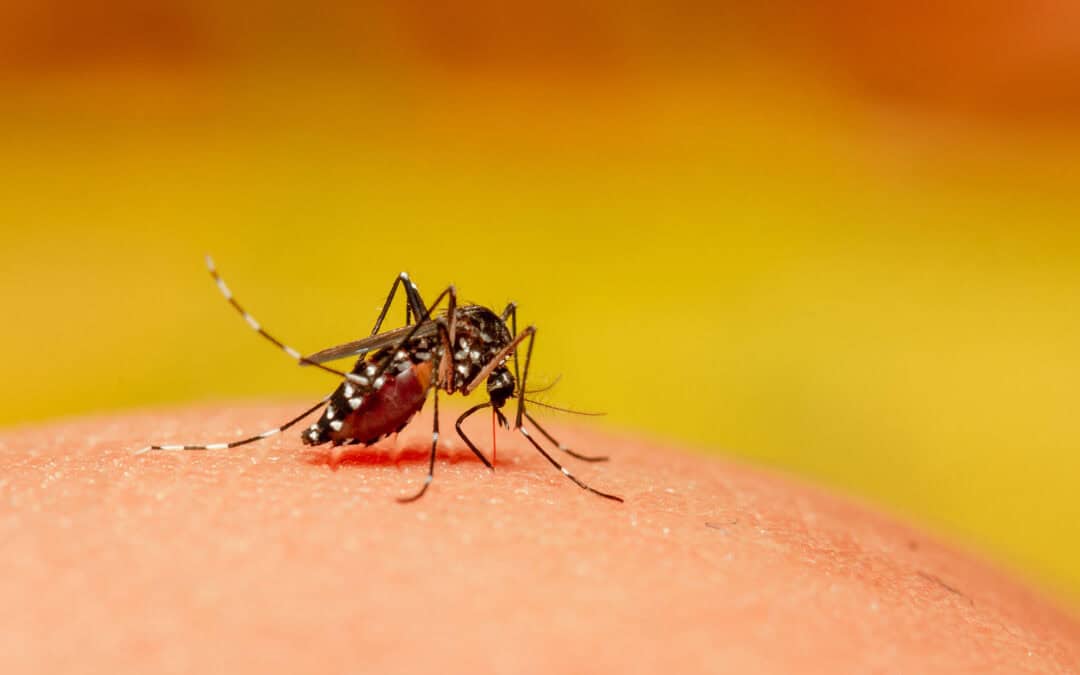
Naples is known for its beautiful weather, lush surroundings, and outdoor lifestyle. Unfortunately, it’s also a perfect environment for mosquitoes. The city’s warm, humid climate, paired with frequent summer rains, creates ideal breeding conditions for these pests. Mosquitoes are more than just a nuisance; their bites can transmit diseases like West Nile virus, Zika, and dengue fever. To truly enjoy life in Naples without constant mosquito problems, you need a reliable and eco-friendly solution. That’s where the innovative In2Care Mosquito Control System comes in.
Naples Mosquito Control: In2Care Mosquito System
Mosquito Challenges in Naples
The natural beauty and climate in Naples come with a downside. Mosquitoes thrive in warm, wet environments, and the rainy season creates plenty of standing water for them to lay eggs. This can make outdoor activities uncomfortable and even harmful. Traditional chemical-heavy treatments often provide short-term relief but may harm beneficial insects, pets, or the environment. To combat mosquitoes effectively and sustainably, a smarter approach is offered.
The Eco-Friendly Solution: How In2Care Works
In2Care Mosquito Control is a revolutionary way to protect your home from mosquitoes without relying on harmful pesticides. This system focuses on prevention by targeting mosquitoes at their source with a unique, environmentally conscious design.
- Targeted Delivery: The In2Care trap specifically attracts female mosquitoes looking for a place to lay eggs. Once inside, they pick up a bio-agent that kills both the mosquito and her larvae.
- Prevention and Spread Control: The female mosquito carries the bio-agent to other breeding sites, essentially stopping mosquito populations before they grow.
- Healthy & Sustainable: The system uses minimal pesticides, only targeting mosquitoes and leaving beneficial species unharmed. It’s a healthy option for households with children, pets, and gardens.
Why Choose In2Care for Your Family?
Families in Naples face a unique challenge when it comes to mosquitoes. Traditional mosquito control sprays may provide temporary relief but often require frequent reapplication, involve harsh chemicals, or fail to target mosquitoes at all life stages. These approaches don’t always prevent mosquitoes from returning.
With In2Care, you get long-lasting results and peace of mind. Here’s why it’s an ideal choice for your family:
- Environmentally Friendly: By using biological agents and avoiding widespread pesticide application, the system ensures the well-being of the ecosystem and your home environment.
- Convenient and Low Maintenance: Once installed, the system requires little effort on your part. Professional checks ensure optimal functioning, allowing you to enjoy a mosquito-free home without extra work.
- Efficient and Proactive: Unlike sprays that kill mosquitoes on contact, this system works at the source, stopping breeding and reducing the population over time.
- Family-Focused: Because it’s healthier for humans and pets, it’s perfect for households with children, animals, and outdoor spaces like gardens or patios.
Enjoy Mosquito-Free Living
The In2Care Mosquito Control System offers Naples families an eco-friendly way to combat mosquito problems effectively. With its innovative design and ability to target mosquitoes at their source, it not only reduces mosquito populations but also makes your home healthier and more comfortable for your loved ones.
Say goodbye to itchy bites and constant sprays. With In2Care, you can enjoy Naples’ outdoor beauty without the worry of mosquitoes. Protect your family, prioritize the environment, and make the most of your time outside. Contact your local pest control provider to learn more about installing an In2Care system today!