
Protecting Your Auburn Home from Termites: What You Need to Know

Protecting Your Auburn Home from Termites: What You Need to Know

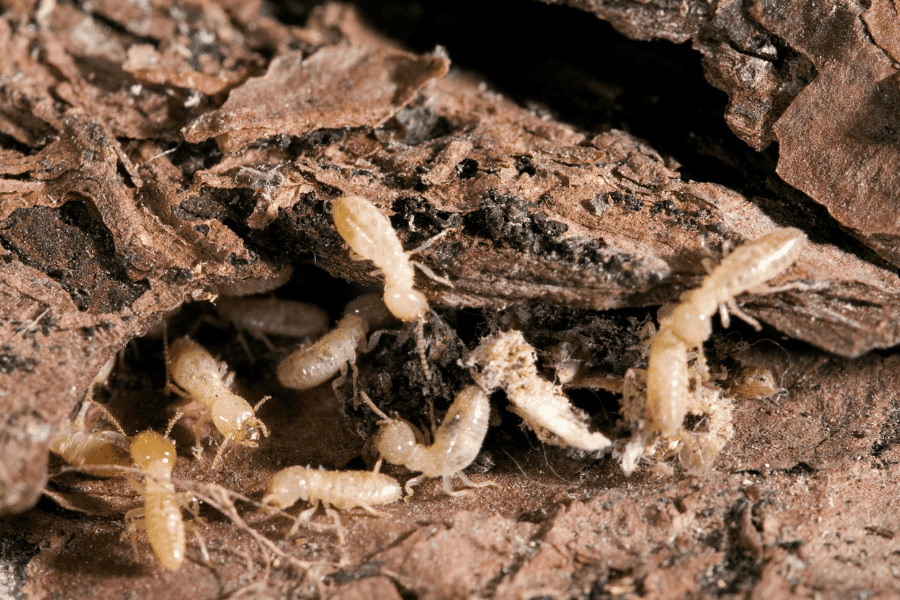
Termites, sometimes called the “silent destroyers”, will cause considerable damage to your Auburn home if left unchecked. In Alabama, subterranean termites are most common, and these tiny insects thrive in the warm, humid climate that we deal with, making termite prevention a crucial part of maintaining your household. Here’s an easy guide on what you need to know to protect your home from termites.

How To Protect Your Home From Termites

Why Termite Prevention Matters

Termites can cause extensive damage to wooden structures, often going unnoticed until significant harm is done. These pests chew through wood, flooring, and even wallpaper, compromising the structural integrity of your home. Repairing termite damage can be costly and time-consuming, which is why prevention is key.

Common Signs of Termite Infestations

Recognizing the early signs of a termite invasion can help you act before too much damage occurs. Here are a few indicators to watch for:

  • Mud Tubes: These are pencil-sized tunnels subterranean termites build to travel from the soil to their food source. You’ll usually find them on exterior walls, foundations, or in crawl spaces.
  • Hollow Wood: Tap wooden surfaces around your home. If they sound hollow, termites may have been munching away inside.
  • Discarded Wings: Swarming termites shed their wings, often leaving piles near windowsills or entryways.
  • Frass: This sawdust-like material is termite droppings and can indicate an infestation.

Identifying Termite Damage

Early detection of termite damage can save you from more extensive repairs. Look for:

  • Buckling Wood: Warped or swollen wood can indicate termite damage beneath the surface.
  • Sagging Floors or Ceilings: This might be a sign of severe structural damage caused by termites.
  • Paint Blisters: These can occur when termites damage the wood underneath, causing paint to bubble.

Termite Prevention Strategies

Preventing termites involves proactive measures to make your home less inviting to these pests. Here are some effective strategies:

  • Termites are attracted to moisture. Fix leaky pipes and ensure there is proper drainage around your foundation.
  • Avoid wood-to-soil contact. Keep firewood, lumber, or any wooden material stored at least 20 feet away from your home and elevate them off the ground.
  • Seal cracks and crevices in your home’s foundation and around utility openings to prevent easy access for termites.
  • Conduct regular inspections of your property, especially in areas prone to moisture or where wood is in contact with the ground.

In Auburn, the warm climate is conducive to termite activity year-round. Local regulations may influence the use of certain treatments, particularly chemical solutions. Consulting with a local pest control professional ensures that you follow guidelines and use the most effective treatments for your home.

Termites may be small, but their potential for damage is enormous. By staying vigilant and implementing preventive measures, you can protect your Auburn home and maintain its value. If you have noticed termite activity or signs at your home, call a pest control company near you as soon as possible. These professionals will provide you with the best plan of action for termite control in order to eliminate and prevent them in the future.
Keeping Rodents Out of Your Broward Attic

Keeping Rodents Out of Your Broward Attic

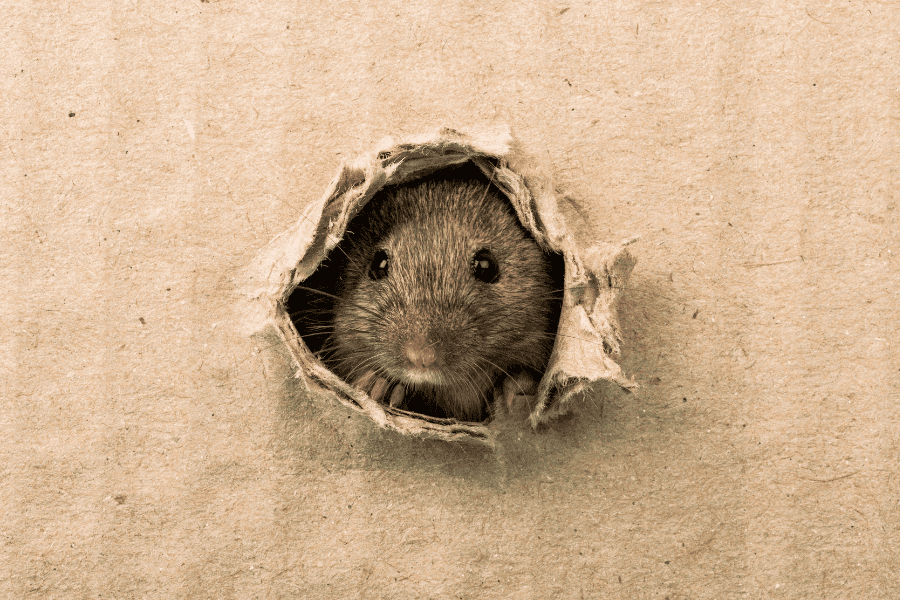
Rodents, like rats and mice, are some of the most common intruders into our Broward attics and once they get in, they can cause plenty of destruction. From gnawing on electrical wires to leaving droppings that can affect your home’s air quality, these pests can turn into a homeowner’s nightmare. However, with a few proactive steps, you can keep your attic rodent-free and even improve your home’s energy efficiency in the process. Check out these tips for keeping rodents out of your attic.

Tips For Keeping Rodents Out of Your Attic

Seal Up Entry Points

Rodents can squeeze through tiny gaps, so it’s important to thoroughly inspect your home’s exterior for any potential entry points. Pay special attention to areas around the roofline, vents, and any cracks or holes in the walls. Use materials like steel wool, caulk, or metal mesh to seal these gaps.

Keep the Attic Clean and Clutter-Free

Rodents love clutter because it provides them with hiding spots and nesting materials. By keeping your attic clean and organized, you can make it less appealing to these pests. Look to store items in plastic bins instead of cardboard boxes, and regularly check for signs of rodent activity, like droppings or chewed materials on a regular basis.

Trim Trees and Shrubs Around Your Home

Rodents often use tree branches and overgrown shrubs as bridges to reach your attic. By trimming back trees and keeping vegetation away from your home, you can make it harder for them to gain access. Try to keep branches at least six feet away from the roofline to lessen the chances of them using it to get inside your attic.

Install a Chimney Cap and Vent Covers

Chimneys and vents are common entry points for rodents. Installing a chimney cap and vent covers is a simple and effective way to block these access points. Make sure these covers are made of durable materials that rodents cannot chew through.

Regularly Check Your Roof and Gutters

Your roof and gutters should be in good repair to keep rodents from finding a way in. Loose shingles, gaps in the roofline, and clogged gutters can all provide easy entry points for rodents and other household pests.

Consider Rodent Control Services

If you’re not sure where to start or want to ensure every entry point is covered, hiring a professional can be a great investment. There are several pest control experts near you that are familiar with the types of rodents in the area and can provide tailored solutions to keep your attic rodent-free.

Consider Attic Insulation

Attic insulation can be a major help in keeping rodents out of your home. Certain types of insulation, like cellulose, can help seal gaps and crevices where rodents might try to enter. Additionally, insulation materials that are treated with borates can act as a natural repellent. Not only does proper insulation make your attic less inviting to pests, but it also has the added benefit of improving your home’s energy efficiency.

Maintain a Regular Inspection Schedule

Finally, make it a habit to inspect your attic and the exterior of your property regularly. Look for any signs of rodent activity, like droppings, gnaw marks, or nesting materials. The sooner you catch a potential issue, the easier it is to address before it becomes a bigger problem.

Keeping rodents out of your home may seem like a daunting task but with a few proactive steps, you can create an environment that’s unwelcoming to these pests! If you’ve noticed rodent activity on your property or in your attic, call a pest control company near you to get a free inspection and the best rodent control plan for your rodent situation.

Why Is A Stink Bug In Your Home A Problem?

Why Is A Stink Bug In Your Home A Problem?

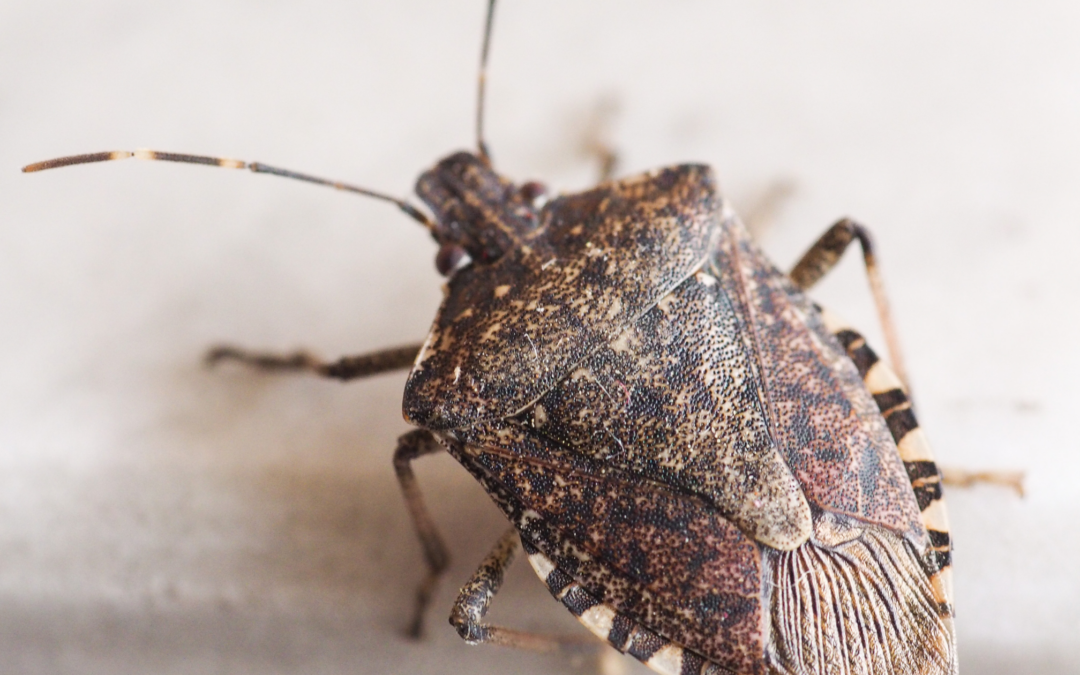
Stink bugs may not be the most dangerous pests, but their presence can be a major nuisance for homeowners in Georgia. Known for their distinctive shield-shaped bodies and the unpleasant odor they release when disturbed, these pests have become a common problem in recent years. The most notorious of these is the brown marmorated stink bug, a non-native species that has spread across the United States, including Georgia.

In this blog, we’ll explore why stink bugs are a problem, what attracts them to your home, and how to deal with an infestation. You’ll also learn what they eat, if they pose any risks to humans, and how to prevent them from getting inside.

What Stink Bugs Eat

Stink bugs, including the brown marmorated stink bug, are primarily herbivorous. They feed on a wide variety of plants, fruits, and crops, which is one of the reasons they are considered agricultural pests. In Georgia, they target common crops like peaches, soybeans, apples, and corn, causing significant damage to these plants.

Stink bugs use their piercing-sucking mouthparts to draw nutrients from fruits and vegetables, leaving behind small, discolored spots that can ruin the appearance and taste of the produce. Although they primarily feed on plants, stink bugs can also become a problem indoors as they seek warmth during cooler months.

What Attracts Stink Bugs to Your Home?

Stink bugs, especially adult stink bugs, are attracted to warm, sunny spots, which is why they tend to invade homes during the fall. As temperatures drop, these insects seek out warm, sheltered places to overwinter, and your home provides the perfect environment.

There are a few key factors that may attract stink bugs to your home:

  1. Warmth: As cold weather approaches, stink bugs look for warm places to hibernate. Your home, especially if it’s well-insulated, offers a perfect environment for them.
  2. Light: Stink bugs are drawn to light, particularly during the evening. Outdoor lights or bright indoor lights visible from the outside can attract these pests to your home.
  3. Food Sources: If your home is near gardens or agricultural fields, stink bugs may be drawn to the plants and fruits around your property.
  4. Cracks and Openings: Stink bugs can easily enter homes through cracks, gaps around windows and doors, and other openings. They are skilled at finding small entry points to get inside.

Do Stink Bugs Bite?

One of the most common questions homeowners have about stink bugs is whether they bite. Fortunately, stink bugs are not known to bite humans or pets. They don’t have the ability to pierce skin and are not aggressive toward people.

Although stink bugs don’t bite, they can still be an annoyance. Their presence in large numbers can be overwhelming, and their unpleasant odor, which is released as a defense mechanism, can linger in your home if they are crushed or disturbed.

Can Stink Bugs Fly?

Yes, stink bugs can fly. They have a distinctive flight pattern and make a noticeable buzzing sound when airborne. While their flight is somewhat clumsy, it allows them to move from one part of your home to another easily, making it more challenging to control an infestation.

Do Stink Bugs Pose Any Risks to Humans?

Stink bugs do not pose any direct health risks to humans. They don’t spread diseases, bite, or sting. However, their foul-smelling odor can cause discomfort, and in rare cases, some people may have allergic reactions to their odor or the chemicals they release.

The primary issue with stink bugs is their potential to invade homes in large numbers, especially during the fall and winter. Their presence can be a persistent nuisance, and their odor can make your home less pleasant to live in.

What to Do if Your Home Is Infested with Stink Bugs

If you’ve noticed an influx of stink bugs in your home, it’s important to take action quickly to avoid a full-blown infestation. Here are some steps you can take to manage a stink bug problem:

  1. Don’t Crush Them: Although it may be tempting to squash stink bugs, doing so will release their signature unpleasant odor. Instead, try to remove them without triggering their defense mechanism.
  2. Vacuum Them Up: One of the easiest ways to get rid of stink bugs indoors is to use a vacuum cleaner. Afterward, be sure to empty the vacuum bag to prevent the odor from lingering.
  3. Seal Entry Points: Identify and seal any cracks, gaps, or other openings around windows, doors, and foundations where stink bugs might be getting inside.
  4. Reduce Outdoor Lighting: Stink bugs are attracted to light, so minimizing the use of outdoor lighting can reduce the number of bugs that are drawn to your home.
  5. Install Screens: Adding screens to windows, vents, and doors can help keep stink bugs from entering your home.

If the infestation persists or you’re dealing with a large number of stink bugs, it’s a good idea to contact a pest control company. Professional pest control services can help you manage the problem efficiently and provide long-term solutions.

Stink bugs may not pose significant health risks, but their presence can be a nuisance, especially when they invade your home in large numbers. Understanding what attracts stink bugs, how to prevent them from entering your home, and how to deal with an infestation can help you keep these pests under control.

If you’re dealing with a stink bug infestation or want to take preventive measures, contacting a local pest control company is the best way to ensure your home stays pest-free. Pest control professionals can assess the situation and provide tailored solutions to keep stink bugs and other pests from becoming a problem in your home.

DIY vs. Professional Pest Control in Auburn: When to Call the Experts

DIY vs. Professional Pest Control in Auburn: When to Call the Experts

Dealing with pests in Auburn can be a challenging task for any homeowner. Whether it’s the persistent march of ants across your kitchen floor or the strange rustling of rodents in the attic, pests are not only a nuisance but can also pose health risks and cause property damage. When facing these unwelcome guests, homeowners often grapple with the decision of whether to tackle the problem with DIY pest control or call a professional pest control company. Here, we weigh the pros and cons of both approaches to help you make an informed decision.

DIY Pest Control vs Professional Pest Control

DIY Pest Control: Pros and Cons

Pros:

  • One of the primary benefits of DIY pest control is cost savings. Buying traps, sprays, or baits from a local Auburn hardware store can be much cheaper than hiring a professional service.
  • With DIY methods, you can take immediate action once you spot a pest problem, without waiting for an appointment.
  • Handling the issue yourself allows you to maintain control over the methods and products used.

Cons:

  • DIY solutions may not always address the root of the problem. While they can work for minor infestations, they often fall short with more extensive issues.
  • Incorrect use of pest control products can pose risks to your health and the environment. It’s crucial to follow instructions carefully.
  • Effectively managing a pest problem requires time and diligence, which might not be feasible for everyone.

Professional Pest Control: Pros and Cons

Pros:

  • Pest control professionals bring a wealth of expertise and experience. They are trained to identify and eliminate pests efficiently, often being familiar with the common pests in Alabama, such as rodents, termites, and the occasional bed bug outbreak.
  • Professionals don’t just treat the symptoms; they address the root of the problem, providing solutions that help prevent future infestations.
  • Experts can utilize eco-friendly and regulated products, ensuring the safety of your family, pets, and health.

Cons:

  • Hiring a professional service can be more expensive than buying DIY products.
  • You may need to wait for an appointment, which can be inconvenient, but in urgent cases, most pest control companies can rearrange a quick visit to eliminate the pest at hand.

When to DIY and When to Call the Experts

  • DIY: For minor infestations, such as a few ants or a single wasp nest, DIY methods can be effective. Regular preventive measures, like sealing cracks and keeping a tidy yard, are also within the realm of DIY pest control.
  • Professional Help: If you’re dealing with a larger infestation, recurring pest problems, or pests that can cause significant damage (like termites), it’s wise to call in the experts. Additionally, if you have concerns about the safety of pest control products, professional services can provide peace of mind.

Both DIY and professional pest control have their place in managing pest issues and by understanding the nature of your problem and weighing the pros and cons, you can choose the best approach for your home. Whether you opt to tackle it yourself or call in the pros, the goal is the same: a pest-free home that keeps you and your family safe and comfortable. If you’ve exhausted your DIY pest control methods and are still noticing more pests on your property than you’re comfortable with, call a pest control company near you for a free inspection and recommendations on the best treatment plan.

What Bait Is Best For A Raccoon Trap?

What Bait Is Best For A Raccoon Trap?

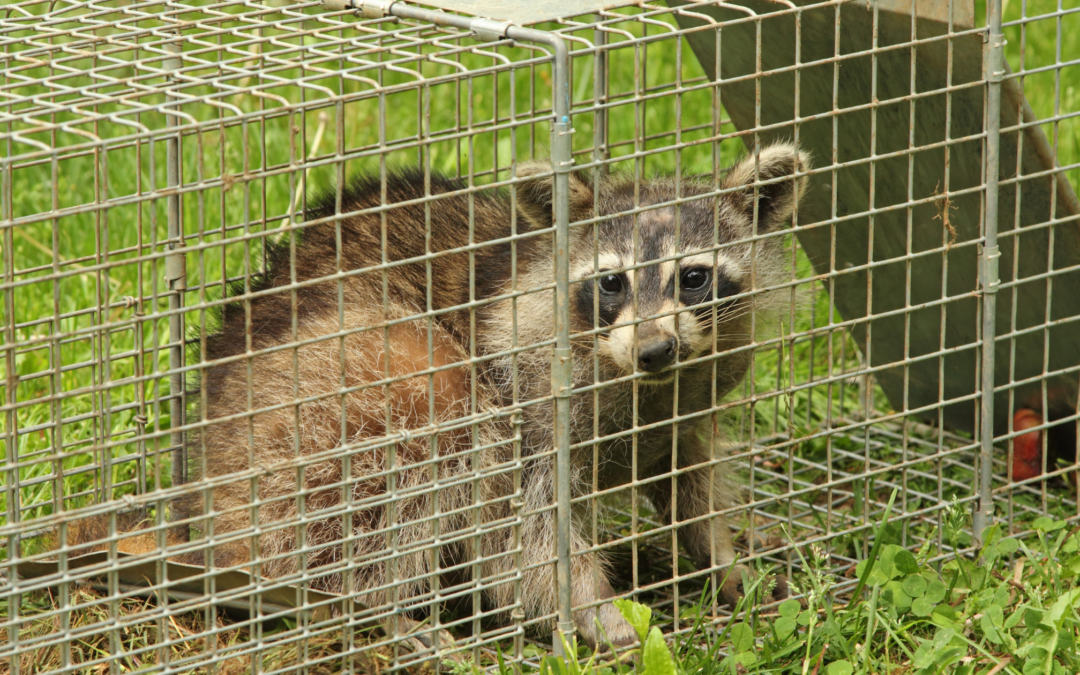
Raccoons, with their curious nature and dexterous paws, are common in Georgia. While these animals can seem harmless, they can cause significant damage to property and pose health risks to humans. If you’re dealing with a raccoon problem, knowing how to trap them safely is essential. One of the key components to successful raccoon trapping is using the right bait. In this blog, we’ll discuss what raccoons like to eat, the dangers they pose, the best baits for raccoon traps, and how to prevent these clever critters from returning.

What Do Raccoons Like to Eat?

Raccoons are omnivores with a varied diet. They have a keen sense of smell, which helps them find food in both natural and urban environments. Common foods that attract raccoons include:

  • Fruits: Grapes, apples, peaches, and berries are irresistible to raccoons.
  • Vegetables: Corn and peas are common raccoon favorites.
  • Nuts and Seeds: Raccoons enjoy munching on nuts, including peanuts and sunflower seeds.
  • Insects and Small Animals: In the wild, raccoons will eat insects, frogs, and small rodents.
  • Human Food: Raccoons are notorious for scavenging through trash bins. Leftover meats, pizza, and bread are particularly appealing.

When baiting a raccoon trap, you’ll want to use food that will entice them into the trap while also ensuring that it’s positioned correctly to trigger the mechanism.

The Dangers Raccoons Pose to Humans and Property

Though raccoons may appear cute, they can be quite destructive when they enter human spaces. Below are some of the dangers they pose:

  • Property Damage: Raccoons are excellent climbers and can easily find their way into attics, chimneys, and crawl spaces. Once inside, they can tear up insulation, damage wiring, and create nests, leading to costly repairs.
  • Health Risks: Raccoons carry diseases that are transmissible to humans and pets, including rabies and leptospirosis. Additionally, their feces may contain roundworm eggs, which pose a serious health hazard if inhaled or ingested.
  • Attacks on Pets: While raccoons tend to avoid confrontation, they can become aggressive if cornered or threatened. Small pets, particularly cats and small dogs, may be at risk of injury during encounters with raccoons.

The Best Bait for a Raccoon Trap

Choosing the right bait is crucial for successfully trapping a raccoon. The best bait will be something with a strong smell that appeals to their omnivorous palate. Here are some of the most effective options:

  • Marshmallows: Surprisingly, raccoons are highly attracted to sweet foods, and marshmallows make excellent bait. They are inexpensive, easy to handle, and have a strong sugary smell that raccoons love.
  • Peanut Butter: Peanut butter is a go-to bait for many wildlife trappers. Its thick consistency and strong aroma make it an excellent option for raccoon traps. You can smear it on the trigger plate of the trap or pair it with other foods like bread or crackers.
  • Canned Sardines or Tuna: Raccoons are attracted to the pungent smell of fish. Canned sardines or tuna are highly effective in drawing them into traps. Place the can in the back of the trap to ensure they step on the trigger plate as they reach for the food.
  • Cat or Dog Food: Many people use canned cat or dog food as bait. The strong smell and ease of accessibility make it a practical choice. However, keep in mind that this bait may also attract other animals, such as stray cats or dogs.
  • Fresh Fruit: Grapes, apples, and bananas are popular choices when it comes to raccoon bait. Their strong, sweet fragrance is a great lure, especially when placed near the back of the trap.

How to Trap a Raccoon Safely

When using a raccoon trap, it’s important to follow safety guidelines. Here are a few tips for effective trapping:

  • Choose the Right Trap: Opt for a live trap that is large enough to contain an adult raccoon but small enough to prevent injury. Traps that measure 32 to 36 inches in length are typically ideal for raccoons.
  • Place the Trap Strategically: Place the trap near areas where raccoon activity is most noticeable, such as near garbage bins, gardens, or attics. Ensure that the trap is stable and won’t tip over when the raccoon enters.
  • Check the Trap Regularly: Once the trap is set, check it frequently. Leaving a raccoon trapped for extended periods can be stressful for the animal and may increase the risk of injury.

How to Get Rid of Raccoons After Trapping

After successfully trapping a raccoon, it’s essential to handle it humanely and safely. In Georgia, there are regulations governing the release of trapped raccoons, so it’s wise to consult a professional wildlife removal company. Professionals can ensure that the raccoon is relocated to a suitable habitat away from residential areas.

Avoid handling the raccoon directly, as they can become aggressive or carry diseases. Most wildlife control companies offer relocation services as part of their raccoon removal programs, providing a humane way to get rid of raccoons.

Preventing Raccoons from Returning

Once you’ve removed the raccoons from your property, it’s essential to take steps to prevent them from coming back. Here are some effective prevention tips:

  • Secure Trash Bins: Raccoons are drawn to garbage, so make sure all outdoor trash bins are securely closed with tight-fitting lids. Consider using bungee cords to secure the lids further.
  • Eliminate Food Sources: Avoid leaving pet food outside overnight, and clean up any fallen fruit from trees in your yard. This will minimize potential food sources for raccoons.
  • Seal Entry Points: Inspect your home for any gaps or openings that raccoons could use to enter, particularly around the roof, attic, and chimney. Use materials such as hardware cloth or metal flashing to block off these entry points.
  • Install Motion-Activated Lights: Raccoons are nocturnal and prefer to operate under the cover of darkness. Installing motion-activated lights can deter them from getting too close to your home.
  • Use Repellents: Some homeowners use commercial raccoon repellents or homemade solutions, such as spraying ammonia around the perimeter of their property. These strong smells can deter raccoons from returning.

Dealing with a raccoon problem can be a challenge, but with the right bait, trap, and preventive measures, you can effectively manage and remove them from your property. If you’re unsure about how to get rid of raccoons or need assistance, working with a professional wildlife control company is the safest and most efficient solution. A trained wildlife removal expert can help you trap raccoons humanely and provide ongoing prevention strategies to keep them from returning. Contact a wildlife removal service today to reclaim your property from these pesky invaders.

Pin It on Pinterest

Call Now Button