Oct 8, 2024 | Florida Pest Control
The last thing you want to see is a cockroach scurrying across your kitchen floor, but unfortunately, Fort Myers’ warm and humid climate is a haven for these unwelcome guests! Luckily, knowing which types of roaches are most common in Fort Myers homes can help you keep them out of your home and know what action to take if you spot one!
Types of Roaches in Fort Myers
American Cockroach
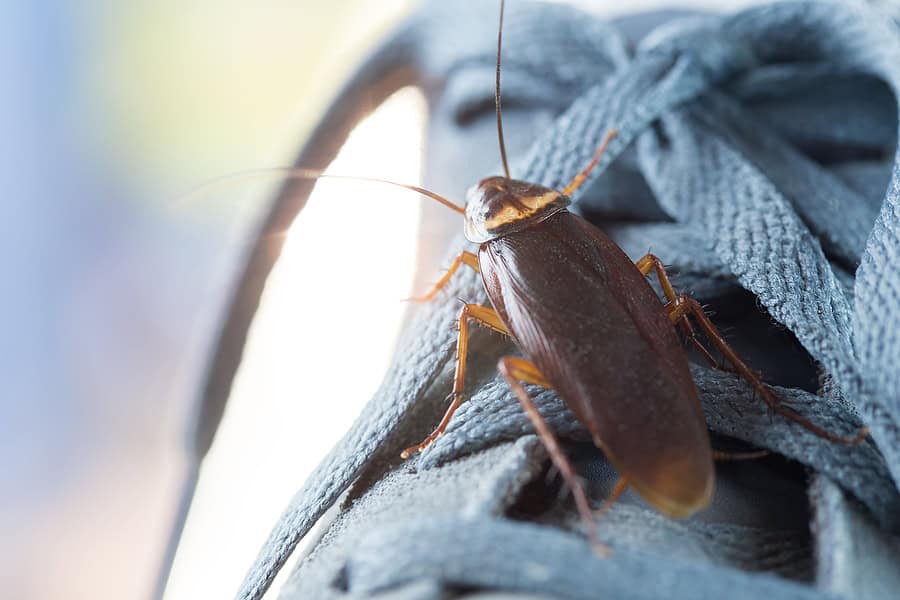
The American cockroach, also known as the “Palmetto Bug”, is one of the largest roaches you’ll find in Florida. These bugs can grow up to 2 inches long and are a reddish-brown color. You’ll often find them in dark, damp places like exterior ornamental areas, sewers, and under appliances. They’re not picky eaters and will consume anything from food crumbs to decaying matter.
German Cockroach
German cockroaches are small but mighty. Measuring about ½ inch long, these light brown roaches are the most common species to invade homes. They multiply fast, so spotting one could mean there’s already an infestation. They love warm, humid areas, especially kitchens and bathrooms, where they can find food and water easily.
Brown-Banded Cockroach
Brown-banded roaches are about the same size as German cockroaches but have distinctive brown bands across their wings. Unlike other roaches, they prefer drier areas and are often found in living rooms or bedrooms – even inside our furniture! They also tend to hide in high places like shelves and cabinets.
How to Prevent a Roach Infestation
Cockroaches are more than just creepy—they can carry bacteria and trigger allergies. Here are a few more tips to keep them out of your Florida home:
- Regularly sweep, mop, and wipe down surfaces to eliminate crumbs and spills that can attract roaches.
- Keep your kitchen clean, store food in airtight containers, and empty the trash regularly.
- Declutter your home, especially areas like closets, and vacuum regularly to remove potential hiding spots.
- Roaches love garbage, so make sure your trash cans have tight lids and are emptied regularly.
- Repair any plumbing issues and reduce humidity in your home as roaches are highly attracted to water.
- Consider using motion sensor outdoor lights as it can attract roaches that fly, such as the American roach.
- Seal any cracks or gaps around windows, doors, and plumbing, and keep your home dry by fixing leaks.
While roaches are a common pest in Fort Myers, taking steps to keep your home clean and less attractive to them can make all the difference! If you notice signs of an infestation, consider calling your local pest control company near you to help get things under control. These professionals will provide you with a thorough inspection, determine entry points, and recommend the best treatment and prevention plan for your roach situation.

Sep 27, 2024 | CrawlSpace
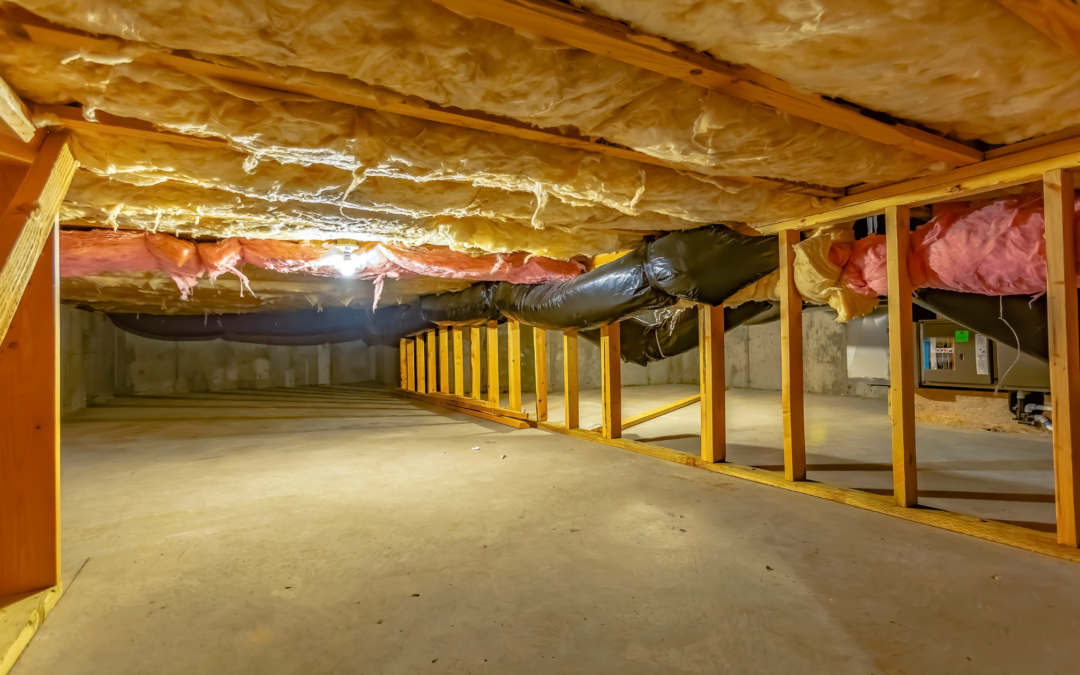
Crawl spaces are often neglected areas in homes, yet they play a crucial role in maintaining your property’s structural integrity and indoor air quality. If your home has a crawl space, you may have heard about crawl space encapsulation as a solution for various problems, such as moisture, mold, and pests. But when is the right time to encapsulate your crawl space? This blog will cover what crawl space encapsulation is, the differences between encapsulation, enclosure, vapor barriers, and moisture barriers, and why encapsulating your crawl space could be a beneficial investment for your home in Georgia.
What Is Crawl Space Encapsulation?
Crawl space encapsulation involves sealing your crawl space to protect it from moisture, pests, and temperature fluctuations. This process usually includes:
- Lining the floor and walls with a heavy-duty vapor barrier.
- Sealing any vents or openings to prevent outside air and pests from entering.
- Installing a dehumidifier to regulate moisture levels.
The primary goal of crawl space encapsulation is to create a controlled environment that improves air quality, increases energy efficiency, and prevents mold and mildew from growing.
When Should You Encapsulate Your Crawl Space?
There are several key signs that indicate it may be time to encapsulate your crawl space. Below are the most common situations where crawl space encapsulation is highly recommended:
1. Persistent Moisture Issues
If your crawl space is frequently damp or you notice standing water after it rains, this is a clear sign of moisture problems. In Georgia, where humidity is often high, excessive moisture can easily find its way into your crawl space. When moisture builds up, it can lead to mold growth, wood rot, and structural damage. Encapsulation prevents standing water from accumulating and significantly reduces moisture levels, helping to protect your home’s foundation.
2. Mold and Mildew Growth
Mold and mildew thrive in damp environments. If you’ve discovered mold in your crawl space or in other areas of your home, encapsulating your crawl space can be a key step in stopping its spread. Mold not only damages the structural elements of your home but also poses serious health risks, especially for individuals with allergies or respiratory conditions. Crawl space encapsulation prevents mold growth by controlling moisture levels and eliminating the conditions mold needs to thrive.
3. Poor Indoor Air Quality
Because air circulates from your crawl space into your home, poor conditions in the crawl space can directly affect the air quality inside your house. If you notice musty odors or experience increased allergies, asthma, or respiratory issues, it may be time to consider professional crawl space encapsulation. By sealing your crawl space, you can significantly improve the air quality inside your home.
4. Increased Heating and Cooling Costs
A damp, uninsulated crawl space can lead to significant energy inefficiency. If your heating and cooling costs have been steadily rising, it could be due to poor insulation and uncontrolled air exchange between your crawl space and living areas. Encapsulating your crawl space can drastically improve your home’s energy efficiency, allowing your HVAC system to operate more efficiently and reducing your energy bills.
5. Pest Problems
Crawl spaces are a haven for pests such as rodents, insects, and termites. If you’ve noticed increased pest activity in your home, there’s a good chance they’re entering through your crawl space. Encapsulation seals off entry points, preventing pests from getting into your crawl space and, ultimately, your home. By encapsulating your crawl space, you not only improve your home’s structural health but also make it less inviting to pests.
Understanding Crawl Space Encapsulation vs. Enclosure, Vapor Barrier, and Moisture Barrier
When it comes to crawl space protection, several terms are often used interchangeably, but they aren’t exactly the same. Let’s clarify the differences:
Crawl Space Encapsulation
Crawl space encapsulation is the most comprehensive solution. It involves sealing the entire crawl space, including the floor, walls, and vents, with a vapor barrier and may include installing a dehumidifier. The goal is to create an airtight space that is protected from moisture, pests, and temperature extremes.
Crawl Space Enclosure
Enclosure refers to sealing the crawl space but not to the same extent as encapsulation. While vents and doors may be sealed, the floor and walls may not be fully covered with a vapor barrier. This method may offer some benefits but lacks the thorough protection of full encapsulation.
Vapor Barrier
A vapor barrier is a thick plastic sheeting laid across the crawl space floor to prevent ground moisture from evaporating into the air. While a vapor barrier is a key component of encapsulation, it alone does not offer the full protection that encapsulation provides. Vapor barriers are useful in controlling moisture, but they do not address issues such as air leakage, pest entry, or temperature control.
Moisture Barrier
A moisture barrier is similar to a vapor barrier but is typically less comprehensive. Moisture barriers can prevent some moisture from entering your crawl space but may not fully protect against high humidity or heavy moisture accumulation. Moisture barriers are less effective than full encapsulation in controlling air quality and preventing mold and mildew growth.
Benefits of Crawl Space Encapsulation
Encapsulating your crawl space provides numerous advantages that make it a wise investment for homeowners in Georgia. Here are some of the top benefits:
1. Improves Air Quality
Encapsulation prevents moisture, mold, mildew, and pests from entering your crawl space, which in turn improves the air quality inside your home. With cleaner, drier air circulating through your living spaces, you’ll notice a reduction in musty odors and allergens, contributing to a healthier indoor environment.
2. Reduces Heating and Cooling Costs
Encapsulating your crawl space can lead to significant energy savings. By sealing the space and adding insulation, your home’s HVAC system doesn’t have to work as hard to maintain a consistent temperature. This translates to lower heating and cooling costs, improved energy efficiency, and a more comfortable home.
3. Prevents Mold Growth
Since encapsulation dramatically reduces moisture levels, it effectively prevents the growth of mold and mildew. Mold and mildew not only damage your home’s structure but also pose serious health risks. By keeping your crawl space dry and protected, encapsulation helps to maintain a healthy, mold-free environment.
4. Protects Your HVAC System
Moisture in your crawl space can affect your HVAC system, leading to rust and decreased efficiency. By keeping the area dry and free from humidity, crawl space encapsulation helps extend the lifespan of your HVAC system, ensuring it runs efficiently for longer.
5. Prevents Pest Infestations
Pests such as rodents, termites, and insects often enter homes through unsealed crawl spaces. Encapsulation seals off entry points, making your home less attractive to pests. This, combined with the moisture control benefits, greatly reduces the likelihood of a pest infestation.
6. Increases Your Home’s Value
A well-maintained and encapsulated crawl space can increase the value of your home. Prospective buyers are more likely to be interested in a home that is energy-efficient, moisture-controlled, and free from pest problems.
Why Hire a Professional Crawl Space Encapsulation Service?
While some homeowners may be tempted to encapsulate their crawl space on their own, it’s often best to hire a professional for this complex job. Professional crawl space encapsulation services ensure that all aspects of the project are handled correctly, from installing a high-quality vapor barrier to sealing every entry point. Hiring a professional also ensures that your crawl space remains dry, pest-free, and energy-efficient for years to come.
Crawl space encapsulation is an excellent solution for homes in Georgia dealing with moisture, mold, pests, or energy inefficiency. Whether you’re looking to improve your home’s air quality, reduce heating and cooling costs, or protect your property from standing water, encapsulation can provide long-lasting benefits. If you notice any of the warning signs discussed above, it may be time to contact a pest control company that offers professional crawl space encapsulation services to keep your home safe, dry, and energy-efficient.
Sep 26, 2024 | Pest Control
Winter can be a cozy time for many Alabama homeowners, but it’s also the perfect time for rodents to start seeking warmth and shelter – often inside our homes! To keep your property rodent-free during the colder months, placing a few DIY preventative measures can make all the difference. Let’s dive into some practical and easy-to-implement tips to help you protect your home from unwanted wildlife visitors year-round.
Tips to Keep Your Home Rodent-Free
Seal Entry Points
Rodents can squeeze through surprisingly small openings. Inspect your home for gaps around doors, windows, and your home’s foundation. Use weatherstripping or caulk to seal up any cracks or holes. Don’t forget to check for openings around pipes, vents, and utility lines—these are common entry points that rodents love.
Keep Your Home Clean and Tidy
A clean home is less attractive to rodents. Be sure to store food properly by keeping food in airtight containers, especially in the pantry. Likewise, look to clean up crumbs by regularly sweeping, mopping, and vacuuming to eliminate food scraps that could attract rodents. Don’t forget to take out the trash on a regular basis and dispose of it in trash bins that are tightly sealed.
Maintain Your Yard
Your yard is the first line of defense against rodents, so it’s important to keep it well-maintained. Trim back your vegetation throughout your property as rodents love to hide in overgrown shrubs and tall grass. Keeping this trimmed will help to reduce their hiding spots. Clear away piles of leaves, wood, and other debris that could serve as shelter for rodents. Look to keep any firewood or lumber at least 20 feet away from your home and elevate it off the ground.
Call a Professional
Sometimes, despite your best efforts, rodents find a way in. If you’re dealing with an infestation or want to ensure your home is protected, it might be time to call a pest control company near you. These professionals can assess your home, provide rodent control treatments, and offer advice specific to Alabama’s climate and rodent population.
Keeping your Auburn home rodent-free during the winter months doesn’t have to be difficult. With a little effort, you’ll enjoy a cozy, rodent-free winter season.
Sep 25, 2024 | Florida Termite Control
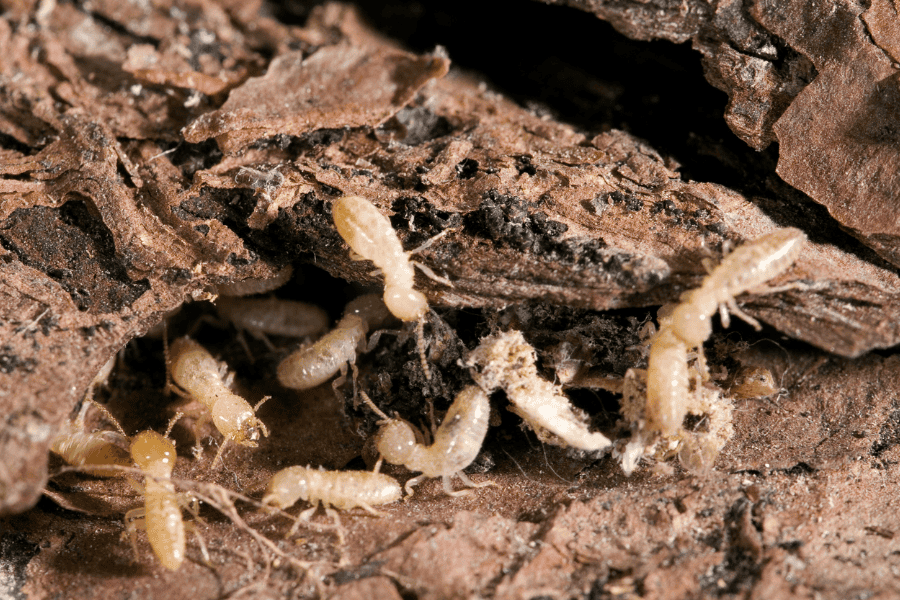
Subterranean termites can be a serious threat to homes in Florida, but with the right treatments, you can eliminate these pests and protect your property from future infestations. Check our guide to the most effective termite treatment options.
Termite Treatment Options
Liquid Soil Treatments
Liquid soil treatments are one of the most common and effective ways to protect your home from subterranean termites. A termite professional will apply a liquid termiticide around the foundation of your home, creating a barrier in which termites can cross and pick up the liquid termiticide product. They’ll then pass the termiticide product to the rest of the colony. This treatment not only eliminates termites that come in contact with the termiticide but also deters others from entering your home.
Baiting Systems
Baiting systems, such as the Sentricon®️ Always Active Bait System, involve placing bait stations around your property, especially in areas where termites are likely to be seeking a food source. The bait within the system will contain a slow-acting termiticide that termites bring back to their colony, eventually eliminating the entire colony. This process is known to be less disruptive than other traditional termite control options and is effective for both eliminating existing infestations and preventing new ones.
Wood Treatments
Wood treatments involve applying a termiticide directly to the wood in your home. This can be done during the construction phase or as a spot treatment in areas where termites have been detected. Wood treatments can protect your home by making the wood unattractive to termites.
Regular Inspections
It’s always important to have regular inspections by a professional termite control company to ensure termite activity is caught early. Professionals will be able to prevent devastating infestations by catching and eradicating these pests early, preventing the significant damage they cause and saving you money in treatment and repair costs.
Preventive Measures
In addition to professional treatments, you can take steps to make your home less attractive to termites by placing a few preventative measures throughout your property. Consider these termite prevention tips:
- Reduce moisture by ensuring there is proper drainage, fixing leaky pipes and faucets, and using dehumidifiers in basements and crawl spaces.
- Avoid direct contact between wooden structures and soil; consider using concrete or metal barriers between wood and soil to deter termites.
- Seal cracks and gaps around your home’s foundation, walls, and roof to prevent termites from entering.
- Keep firewood, lumber, and other wooden materials at least 20 feet away from your home’s foundation and elevate it off the ground.
If you would like to schedule a regular termite inspection or have already seen termite activity at your home, call a pest control company near you. These professionals will conduct a thorough inspection and recommend the best course of action for termite control.
Sep 20, 2024 | Pest Control
Pest control is an essential part of maintaining a clean and safe home, especially when faced with recurring pest problems. When unwanted pests invade, the first instinct for many homeowners is to search for quick and effective solutions. For some, this means tackling the issue themselves with do-it-yourself (DIY) pest control methods, while others prefer to call in professional pest control services.
Both approaches come with their own advantages and drawbacks, and understanding them can help you make an informed decision about which method works best for your specific pest problem. In this article, we will explore the pros and cons of DIY pest control and professional pest control, highlighting factors like cost, effectiveness, safety, and long-term results.
The Pros of DIY Pest Control
1. Cost-Effectiveness
One of the biggest advantages of DIY pest control is the potential cost savings. Professional pest control services can come with significant fees, which can add up over time. Many homeowners prefer to buy pest control products and handle the issue themselves, believing it will save money in the long run.
DIY pest control products, such as sprays, traps, and bait systems, are often available at affordable prices at local hardware or home improvement stores. Additionally, online retailers provide a wide variety of pest control solutions, making it easy to find what you need at a reasonable cost.
2. Immediate Action
When you spot pests in your home, immediate action is often necessary to prevent further damage or infestation. DIY options allow homeowners to take action right away without waiting for a professional service to arrive.
With DIY pest control solutions readily available in stores or online, you can quickly eliminate pests like ants, spiders, or cockroaches as soon as you notice them.
3. Convenience
Handling pest control yourself offers the convenience of addressing the problem on your own schedule. You can apply treatments at any time, without needing to coordinate appointments with a pest control company.
For small, isolated pest problems, DIY methods are usually sufficient and allow homeowners to manage minor infestations with ease.
4. Control Over Methods
For homeowners who are environmentally conscious or prefer natural alternatives, DIY pest control provides greater control over the types of products used. You can choose non-toxic or organic pest control products if you’re concerned about the chemicals found in conventional pesticides.
This flexibility ensures that you are using methods that align with your personal preferences and household safety standards.
The Cons of DIY Pest Control
1. Limited Knowledge and Experience
One major drawback of DIY pest control is that most homeowners lack the experience and expertise of professional pest control technicians. Identifying the exact pest and knowing the most effective way to eliminate them requires specialized knowledge. For example, a termite problem is far more complex than an ant infestation, and using the wrong products or methods can make the situation worse.
Without proper training, DIY solutions may only provide temporary relief from a pest problem rather than a long-term solution. In more serious cases, pests may return or even become resistant to certain treatments.
2. Safety Concerns
Many over-the-counter pest control products contain chemicals that can be harmful to humans, pets, and the environment if not used correctly. Misuse or overapplication of these products can lead to health risks, including respiratory issues or skin irritations.
Professional pest control services are well-versed in handling hazardous substances and take proper precautions to ensure the safety of your household. DIY methods, on the other hand, may expose you and your family to unnecessary risks if instructions aren’t followed precisely.
3. Effectiveness
While DIY pest control solutions can be effective for minor issues, they often fall short when dealing with more severe infestations. For example, a large rodent problem or a bed bug infestation requires more specialized knowledge, tools, and products that most homeowners don’t have access to.
DIY methods may not address the root cause of the problem or prevent future infestations. Without a thorough understanding of the pests’ behavior, DIY treatments might eliminate visible pests without targeting their nests or breeding sites, leading to recurring infestations.
4. Time-Consuming
Pest control is not always a one-time fix. Many DIY treatments require frequent applications and monitoring to ensure the pests are completely eliminated. For busy homeowners, this can become time-consuming and inconvenient.
In contrast, professional pest control companies offer long-term pest control solutions that require less involvement from the homeowner.
Conclusion: DIY vs. Professional Pest Control
When deciding between DIY pest control and professional pest control, it’s essential to consider the severity of your pest problem, your budget, and your comfort level with handling chemicals and treatments.
DIY pest control can be a cost-effective and convenient solution for minor pest issues, but it often lacks the expertise and long-term effectiveness of professional services. On the other hand, professional pest control offers more comprehensive pest control solutions and peace of mind but comes at a higher cost.
If you’re dealing with a recurring or severe pest infestation, it’s worth considering professional pest control services to eliminate pests and prevent future problems. For those looking for quick fixes or minor pest issues, DIY pest control may be a suitable option.
When searching for solutions, whether it’s DIY pest control near me or a trusted pest control company, understanding the pros and cons of each method will help you make the best choice for your home and family.