Jun 21, 2024 | DIY Pest Control, Wildlife
If you live in Georgia, you know that the state’s warm climate and diverse ecosystems are home to a variety of wildlife, including snakes. Encountering a snake in your yard or home can be unsettling, but knowing how to handle the situation safely is crucial. This guide will provide you with essential information on what to do if you come across a snake, how to identify venomous and nonvenomous snakes in Georgia, how to practice safe snake removal, and prevent snakes from entering your property.
What to Do If You Encounter a Snake
Outdoors:
- Stay Calm and Keep Your Distance: If you see a snake outdoors, remain calm. Most snakes are non-aggressive and will avoid humans if given the chance.
- Observe from a Safe Distance: Do not try to touch or provoke the snake. Take a few steps back and give it space to move away.
- Identify the Snake: Use binoculars or a zoom lens to get a closer look without getting too close. This can help in identifying whether the snake is venomous or nonvenomous.
Indoors:
- Do Not Panic: If you find a snake inside your home, do not panic. Most indoor encounters are with nonvenomous snakes.
- Contain the Snake: If possible, isolate the snake in a room by closing the door and placing a towel at the bottom to prevent it from escaping.
- Call a Professional: For safe snake removal, contact a wildlife control company. Search for “snake removal near me” to find local professionals who can handle the situation.
Identifying Venomous vs. Nonvenomous Snakes in Georgia
Georgia is home to both venomous and nonvenomous snakes. Here are key identifiers:
Venomous Snakes:
- Eastern Diamondback Rattlesnake: Large, heavy-bodied with diamond-shaped patterns and a rattle on the tail.
- Copperhead: Distinctive hourglass-shaped bands across the body.
- Cottonmouth (Water Moccasin): Thick body, dark crossbands, and a distinctively white mouth.
- Coral Snake: Brightly colored with red, yellow, and black bands. Remember the rhyme: “Red touches yellow, kills a fellow; red touches black, friend of Jack.”
Nonvenomous Snakes:
- Eastern Garter Snake: Striped pattern running lengthwise down the body.
- Rat Snake: Large and often black or yellow with a checkerboard pattern.
- King Snake: Black with white or yellow bands, often confused with the venomous coral snake.
Safe Snake Removal Methods
- Use a Snake Hook or Tongs: If you have experience, you can use snake hooks or tongs to safely remove a snake. These tools allow you to handle the snake without getting too close.
- Trap the Snake: Place a large bin or bucket over the snake, then gently slide a piece of cardboard underneath to lift and remove it.
- Contact Professionals: For those without experience, it’s best to call a wildlife control company. Professionals have the necessary tools and knowledge to handle snake removal safely.
Preventing Snakes from Entering Your Property
- Eliminate Food Sources: Snakes are attracted to areas with abundant prey. Keep your yard free of rodent populations and secure garbage bins.
- Remove Shelter: Clear away debris, woodpiles, and tall grass where snakes may hide.
- Seal Entry Points: Inspect your home for cracks and gaps. Seal openings around doors, windows, and foundations to prevent snakes from entering.
- Use Snake Repellent: Commercial snake repellents can be effective in deterring snakes from your property. Follow the instructions carefully for the best results.
- Maintain Your Yard: Regularly mow the lawn and trim bushes to reduce hiding spots for snakes.
Who to Call for Snake Removal
If you’re dealing with a snake problem and need professional help, search for “snake removal near me” to find a trusted wildlife control company in your area. These experts can safely and humanely remove snakes from your property and provide advice on preventing future encounters.
Encountering a snake can be a frightening experience, but with the right knowledge and precautions, you can handle the situation safely. Remember to stay calm, keep your distance, and contact professionals for help with snake removal. By taking steps to prevent snakes from entering your property, you can reduce the likelihood of future encounters. Stay vigilant, and don’t hesitate to reach out to wildlife control companies for expert assistance in managing your snake problem.

Jun 20, 2024 | DIY Pest Control, Florida Pest Control
Living in Florida can come with great perks – gorgeous beaches, vast landscapes, and a warm, tropical climate to enjoy practically year-round, though this climate also invites some unwelcome guests: stinging pests. From wasps to fire ants, these pests can turn your outdoor fun into worry. In this blog, we breakdown your guide to common stinging pests and how to keep them at bay!
Identify Common Stinging Pests
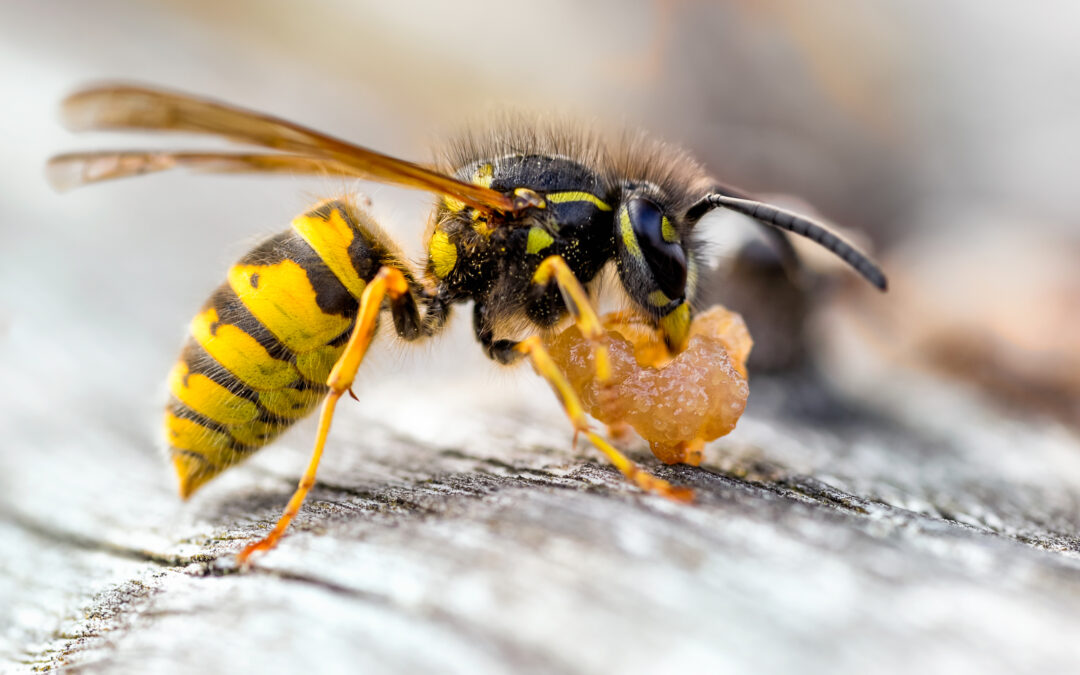
- Wasps: Wasps, such as paper wasps and yellow jackets, can be aggressive, with their sting being extremely painful. They’ll often build their nests in eaves, attics, and other sheltered areas.
- Bees: While beneficial to the environment, these pests can still become a nuisance if they nest near or inside your home. While honeybees are less aggressive, carpenter bees are known to destroy the structural integrity of structures!
- Fire Ants: These small ants pack a painful sting! Fire ants can be aggressive, and their stings are known to cause severe allergic reactions to some.
Tips to Prevent Stinging Pests
Maintain Your Yard
Keep your lawn trimmed and free of debris. Stinging insects will often nest in overgrown areas throughout your property. Additionally, trim back trees and bushes, and remove piles of leaves or wood. Place any stored lumber 20 feet from your home and raise it off the ground.
Secure Your Trashcans
Wasps and other pests are attracted to food waste, so it’s crucial to dispose of it properly. Make sure your trash bins are sealed tightly and clean them regularly to prevent odors that attract pests. Wasps love the sugary liquids that are left behind in soda cans, so make sure your recycling bins are secure and clean too.
Inspect & Repair
Inspect your home for any openings where pests could enter. Repair screens and doors, and seal gaps around pipes and cables with steel wool or caulk, depending on the size.
Call a Professional
Controlling stinging pests on your own can be very risky and it’s always best to deal with these pests by calling a Naples pest control company near you. These pest control professionals are trained to know how to handle and remove these pests safely.
Jun 14, 2024 | DIY Pest Control, Fire Ant
If you live in Georgia, you’re likely familiar with the nuisance of fire ants. These tiny terrors can turn a peaceful yard into a hazardous area, causing pain and discomfort with their bites. Understanding how to identify, control, and prevent fire ants is crucial for maintaining a safe and enjoyable outdoor space. This blog will guide you through the process of detecting fire ants, understanding why they’re harmful, and taking effective measures to control them.
Why Fire Ants are Harmful
Fire ants, particularly the red imported fire ants, are notorious for their painful bites and aggressive behavior. When disturbed, these ants sting multiple times, injecting venom that causes burning pain, itching, and sometimes severe allergic reactions. For individuals with allergies, their bites can be life-threatening and require immediate medical attention.
Beyond their painful stings, these ants pose significant threats to pets, livestock, and wildlife. They can damage crops and invade electrical equipment, causing costly repairs. Thus, managing fire ant infestations is essential not only for personal comfort but also for protecting your property and health.
Where Fire Ants Usually Nest
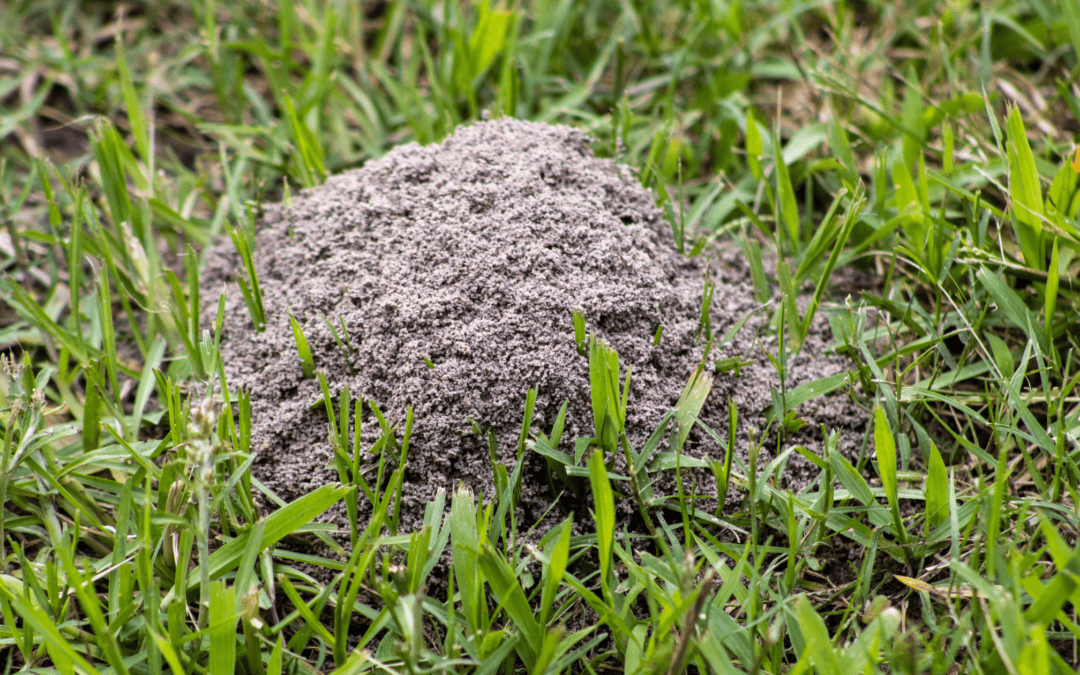
Fire ants typically nest in sunny, open areas. They prefer well-drained soils and are commonly found in lawns, parks, fields, and pastures. Their nests, or mounds, are usually dome-shaped and can reach up to 18 inches in height. These mounds have no central opening like other ant hills; instead, the ants enter and exit through underground tunnels. In the southeastern United States, including Georgia, these ant mounds are particularly common due to the region’s warm climate.
How to Spot Signs of Fire Ants in Your Yard
Identifying a fire ant infestation early can prevent a small problem from becoming a large one. Here are some telltale signs that you might have them in your yard:
- Presence of Mounds: Look for raised, dome-shaped mounds in sunny, open areas of your yard. These mounds can vary in size but are often about 12 to 18 inches in diameter.
- Ant Trails: Fire ants create well-defined trails leading to and from food sources. You may notice lines of ants traveling between the mound and areas where they forage.
- Aggressive Behavior: These ants are highly aggressive when their nest is disturbed. If you notice ants swarming rapidly and attacking when you come near a mound, you are likely dealing with fire ants.
- Red and Black Coloring: Red imported fire ants are distinctive with their reddish-brown color on the head and body, and a darker abdomen. Observing this coloration can help in identification.
How to Get Rid of Fire Ants
If you’ve confirmed the presence of this type of ants, taking immediate action is crucial. Here are effective methods to get rid of fire ants:
- Bait Treatments: Ant baits are effective as they attract worker ants that carry the poison back to the colony, eventually killing the queen and the entire colony. Place bait around the mounds and in areas where ants are foraging.
- Insecticide Treatments: Liquid or granular insecticides can be applied directly to the mounds. Follow the product instructions carefully to ensure safe and effective use.
- Boiling Water: Pouring boiling water directly onto the mound can kill a significant number of ants. This method may need to be repeated and should be used with caution to avoid injury.
- Professional Pest Control: For large or persistent infestations, contacting a professional pest control company is advisable. Professionals have access to more potent treatments and can implement a comprehensive fire ant control plan.
Fire Ant Prevention Tips
Preventing these aggressive ants from invading your yard is always better than dealing with an existing infestation. Here are some tips to keep them at bay:
- Regular Inspections: Frequently check your yard for new mounds, especially during warm weather when they are most active.
- Yard Maintenance: Keep your lawn well-maintained by regularly mowing the grass and removing debris, which can provide shelter for them.
- Barrier Treatments: Apply insecticide barriers around the perimeter of your property to deter these ants from entering.
- Proper Waste Management: Ensure that garbage is stored in sealed containers and removed regularly to avoid attracting ants.
- Professional Preventive Services: Consider scheduling regular visits from a pest control company to apply preventive treatments and conduct inspections.
Fire ants are a significant pest in Georgia, but with vigilance and proactive measures, you can keep your yard safe. Recognize the signs of fire ants, understand why they’re harmful, and use effective methods to control and prevent infestations. For persistent issues, don’t hesitate to contact a professional pest control company for expert assistance. By staying informed and prepared, you can enjoy a fire ant-free yard all year round.
Jun 13, 2024 | DIY Pest Control, Florida Termite Control
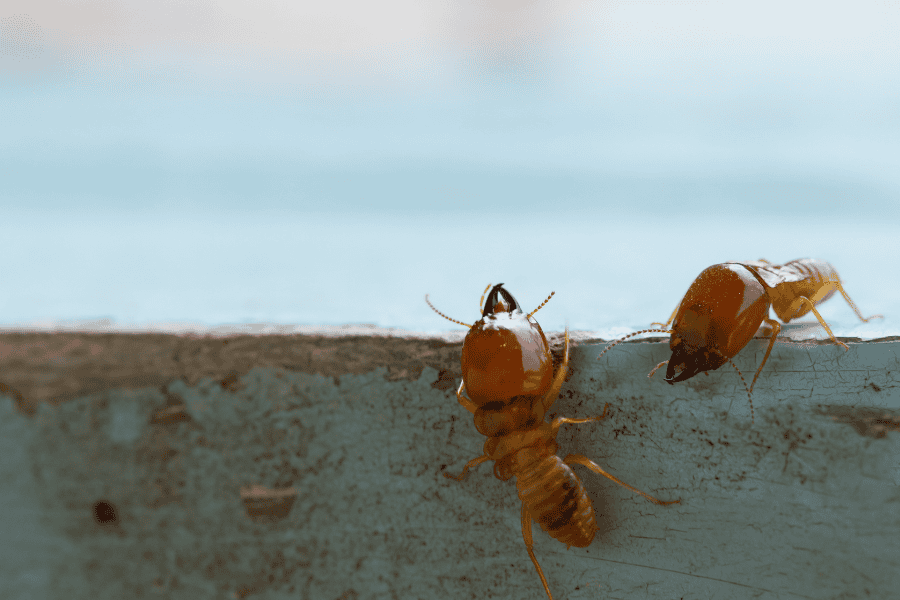
Termites thrive in warmer weather and are known to create extensive damage to your home if not managed properly. This makes Florida’s warm and humid climate a hotspot for termite activity! In our sunshine state, the most common types of termites are drywood and subterranean termites. Let’s breakdown the difference between these two termite species and how you can prevent these pests from infesting your home.
Drywood and Subterranean Termites
It’s important to understand the difference between drywood termites and subterranean termites to properly treat and prevent them.
Drywood Termites
- Drywood termites live inside dry wood and do not need contact with soil.
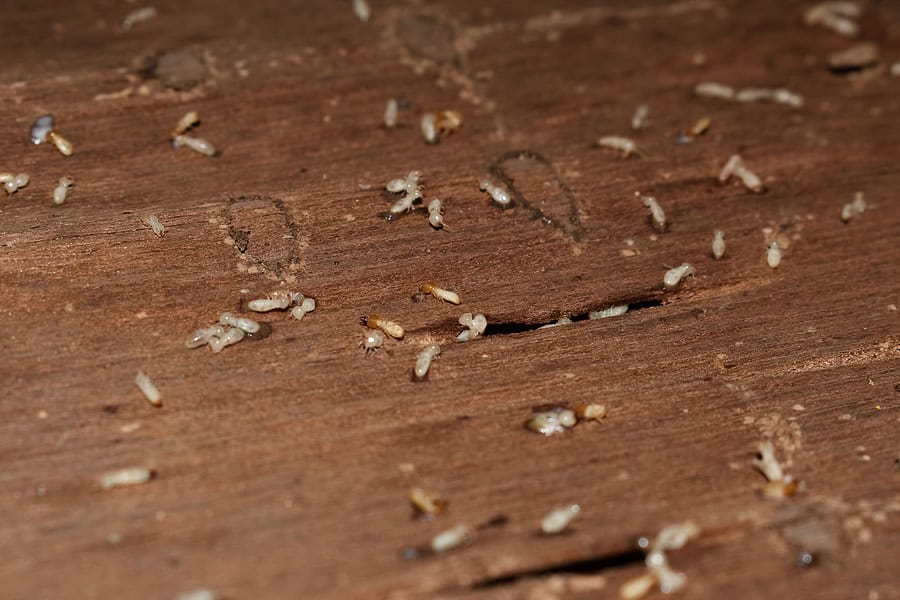
- A good indication on whether drywood termites have infested is finding small piles of wood pellets or frass, tiny holes in wood surfaces, and discarded wings near windowsills or light fixtures.
- Drywood termites cause significant structural damage by hollowing out wood from the inside out.
Subterranean Termites
- Subterranean termites build colonies in the soil and require moisture to do so. They will often create mud tubes to travel between their nest and food sources.
- Signs of a subterranean termite infestation include mud tubes on exterior walls, foundations, or crawlspaces. Other infestation signs include damaged wood that sounds hollow and swarms of winged termites.
- These termites will destroy foundations, support beams, and other wooden structural causing thousands of dollars in repairs.
Termite Prevention Tips
There are several do-it-yourself prevention tips that you can utilize to prevent both drywood and subterranean termites. Consider the following:
- Seal any cracks and crevices in your home’s exterior using caulk or steel wool depending on the size.
- Keep attics, basements, and crawlspaces well-ventilated and dry; consider encapsulating your crawlspace to help with excess moisture.
- Fix leaky faucets, pipes, and air conditioning units to prevent standing water.
- Make sure your home’s drainage system directs water away from the foundation.
- Keep firewood, lumber, and other wooden materials elevated and away from your home’s foundation.
- Keep shrubs, trees, and other vegetation trimmed away from your home.
- Schedule an annual termite inspection with a professional Pompano pest control company near you. These professionals will provide you with a thorough inspection and termite control options if termites are found.
Jun 7, 2024 | Commercial
Termites are one of the most destructive pests, capable of causing significant damage to commercial properties. Their ability to silently infiltrate and compromise the structural integrity of buildings makes them a serious threat. Effective termite control is essential to protect your investment and ensure the safety of your property. Explore the importance of termite control for your business, the types of termite infestations, and the best strategies for effective termite management.
The Importance of Termite Control
Termites can cause extensive damage before their presence is even detected. They feed on wood and other cellulose materials, weakening the structure of buildings and potentially leading to costly repairs. For commercial properties, this not only affects physical integrity but also can disrupt business operations and impact your reputation.
Regular termite inspections and proactive control measures are crucial in preventing infestations and mitigating damage. By understanding the signs of termite activity and implementing effective control strategies, you can protect your property and avoid the significant costs associated with termite damage.
Types of Termite Infestations
There are several species of termites, but the most common ones that affect commercial properties are:
- Subterranean Termites: These termites live in the soil and build mud tubes to access above-ground food sources. They are the most destructive and responsible for most termite damage in commercial properties.
- Drywood Termites: Unlike subterranean termites, drywood termites do not require contact with soil and can infest dry wood structures. They are often found in areas such as attics, walls, and furniture.
Signs of Termite Activity
Detecting termite activity early is critical for effective control. Here are some common signs to watch for:
- Mud Tubes: Subterranean termites build mud tubes to travel between their nest and food sources. These tubes are often found on foundation walls, support beams, and other structural elements.
- Wood Damage: Termite-damaged wood often sounds hollow when tapped and may have a honeycomb interior.
- Discarded Wings: Swarming termites shed their wings after mating. Finding discarded wings near windows, doors, or other entry points can indicate an infestation.
- Frass (Termite Droppings): Drywood termites leave behind small, pellet-like droppings known as frass, often found near infested wood.
Effective Termite Control Strategies
- Regular Inspections: Schedule annual termite inspections with a professional pest control company. Regular inspections can detect early signs of infestation and prevent extensive damage.
- Soil Treatments: Subterranean termites often enter buildings through the soil. Soil treatments, such as liquid termiticides, create a chemical barrier that prevents termites from reaching the structure.
- Bait Systems: Termite bait systems are an effective and eco-friendly method for controlling termite populations. Baits are placed around the property, attracting termites and then eliminating the colony.
- Wood Treatments: Treat exposed wood with borate-based products to protect against termite infestation. These treatments penetrate the wood and create a barrier that is toxic to termites.
- Moisture Control: Since termites thrive in moist environments, it’s essential to address any moisture issues around your property. Repair leaks, ensure proper drainage, and use dehumidifiers in areas prone to moisture buildup.
- Preventive Maintenance: Regularly inspect and maintain your property to eliminate potential termite entry points. Seal cracks and crevices, repair damaged wood, and remove any debris or wood piles near the building.
Professional Termite Control Services
While DIY methods can offer temporary relief, professional pest control services provide comprehensive and long-term solutions. A qualified commercial pest control company can:
- Conduct thorough inspections: Identify signs of termite activity and potential risk areas.
- Develop customized treatment plans: Tailored to the specific needs and conditions of your property.
- Implement advanced treatments: Use the latest tools and techniques to ensure effective termite control for your business.
- Offer ongoing monitoring and maintenance: Regular follow-ups to ensure your property remains termite-free.
Effective termite control is essential for safeguarding your commercial property from the destructive impact of these pests. By understanding the types of termite infestations, recognizing signs of activity, and implementing comprehensive control strategies, you can protect your investment and maintain a safe, functional property. Be sure to call a pest management team near you for a free, personalized, no-obligation quote!