Feb 26, 2024 | Good Deed Team
To celebrate Random Acts of Kindness Day, our teams across the southeast took it upon themselves to give back to their local communities in big, small, and impactful ways. Let’s see what out teams were able to tackle this day:
Dallas Service Center

The Office Professionals in our Dallas office donated 4 bags full of clothing and shoes to the local St. Vincent de Paul ministry. Earlier in the week, they mailed Valentine’s Day cards to all the Office Admins in their region!
Alpharetta Service Center
During a normal stop on his route, a technician took the time to pick up trash around a customer’s property . He noticed that the newspapers were still at the end of the driveway, so he brought them to the front door and picked up a plant that had fallen over on the porch.
Homewood Service Center
One of our teammates noticed a package at the end of a steep driveway and took the extra steps to bring it to the customer. It turned out that the customer was unable to retrieve the package and was grateful for the extra help!
Lanier Service Center
Multiple teammates took it upon themselves to give $15 Starbucks gift cards to some of their customers during their normal routes. The customers were so grateful for the continued service and an extra cup of coffee!
Team Support Center
Wanting to ensure that our teammates across the southeast felt appreciated, our Team Support Center took the time to put together care baskets filled with Thank You cards and different types of snacks!
Cullman Service Center
The team collected and donated food for the local food pantry. They partnered with Liberty Church in Holly Pond, AL, where one of our technicians is the pastor. In a separate initiative, one of our teammates put together treat bags for each person in the office!
Canton Service Center
The Good Deed Team in Canton decided to bring lunch to a local fire station to show their appreciation. We’re grateful for the continued support of our local first responders!
South Florida Team
The Sales team wrote Thank You cards for their teammates and customers. Our team is grateful for the continued support from everyone in the local area.
There were many more moments of kindness during the day, and we’re grateful that our teams completed so many Acts of Kindness in just one day. We can’t wait to see what else our teammates across all of our service centers accomplish in their communities in 2024!
For more information on Random Acts of Kindness Day, visit here!
Feb 23, 2024 | Termite Control
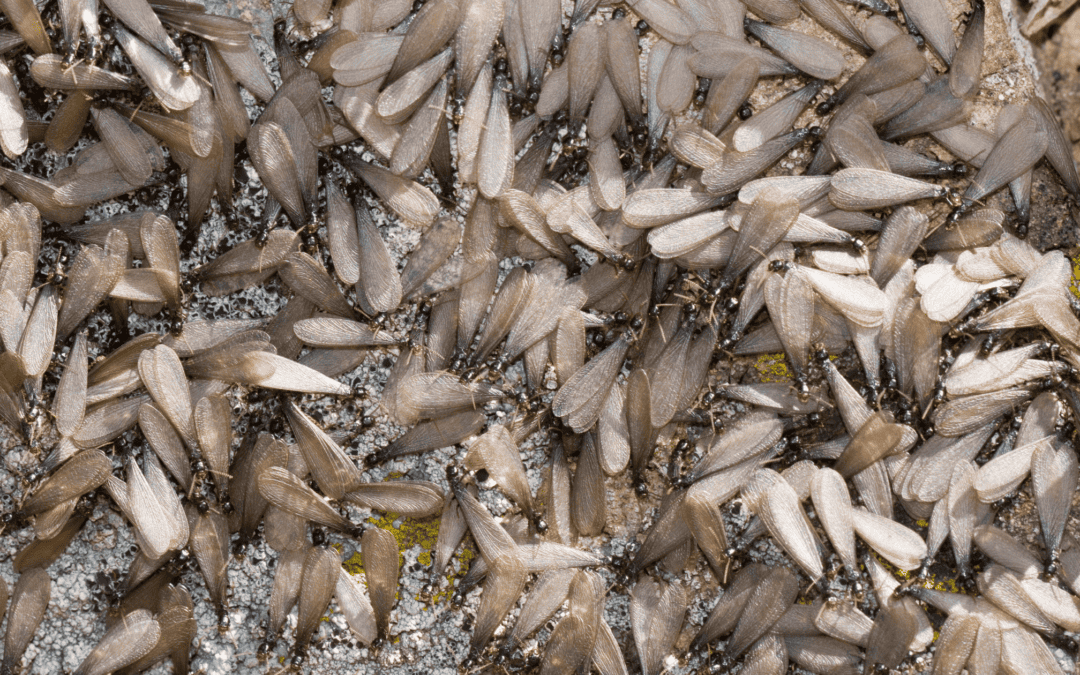
As spring approaches in Georgia, so does the dreaded termite swarming season. For homeowners, this annual event can be a cause for concern, as it signals the potential presence of destructive pests in and around their homes. In this guide, we’ll delve into what swarming termites are, when swarming season occurs, what termite swarms indicate, and crucial tips for termite prevention.
What are Swarming Termites?
Swarming termites are reproductive members of a termite colony. These winged insects emerge from their nests in large numbers during specific times of the year to mate and establish new colonies. Their primary goal is to find a mate and locate a suitable location to start a new colony, often in or around homes.
When is Termite Swarming Season?
In Georgia, termite swarming season typically occurs in the spring, between March and May. However, it can vary depending on factors such as temperature and humidity. Warm, humid conditions following rainfall trigger swarming behavior in termites, making spring the peak season for infestations.
What Do Termite Swarms Indicate?
The presence of termite swarms near or inside your home is a strong indicator of an existing termite infestation or the potential for one. Swarming termites may be found indoors near windows, doors, or light sources, as they are attracted to light. Additionally, discarded wings near windowsills or on the floor may indicate that a termite swarm has occurred.
Tips for Termite Prevention:
- Schedule Regular Inspections: Annual termite inspections conducted by a professional pest control company are essential for early detection of termite activity and prevention of infestations.
- Eliminate Moisture Sources: Termites are attracted to moisture, so it’s crucial to address any water leaks or standing water around your home. Ensure proper drainage and repair leaky pipes to reduce moisture levels.
- Keep Wood Away from the Foundation: Avoid stacking firewood or storing wood debris near your home’s foundation, as it can attract termites and provide easy access to your property.
- Seal Entry Points: Seal cracks, gaps, and openings around doors, windows, and utility pipes to prevent termites from entering your home.
- Invest in Termite Control: Consider proactive termite control measures, such as bait stations or liquid treatments, to protect your home from termite infestations.
Don’t wait until it’s too late to safeguard your home from termites. Contact a pest control company near you today for a free termite control quote and protect your investment against these destructive pests.
Being aware of termite swarming season and taking proactive measures for termite prevention are vital steps for Georgia homeowners to protect their properties. By understanding the behavior of swarming termites and implementing preventive strategies, you can ensure a termite-free home for years to come.
Feb 19, 2024 | Pest Control
Anyone who resides in the southeastern region of the US knows that summertime means higher humidity and the buzzing sound of insects. But what’s making that sound? It’s most likely a cicada! These insects, with their distinctive buzzing calls and unique lifecycles, are a fascinating subject of study and observation. Let’s dive into what cicadas are, their habitat, and what they do.
What are Cicadas?
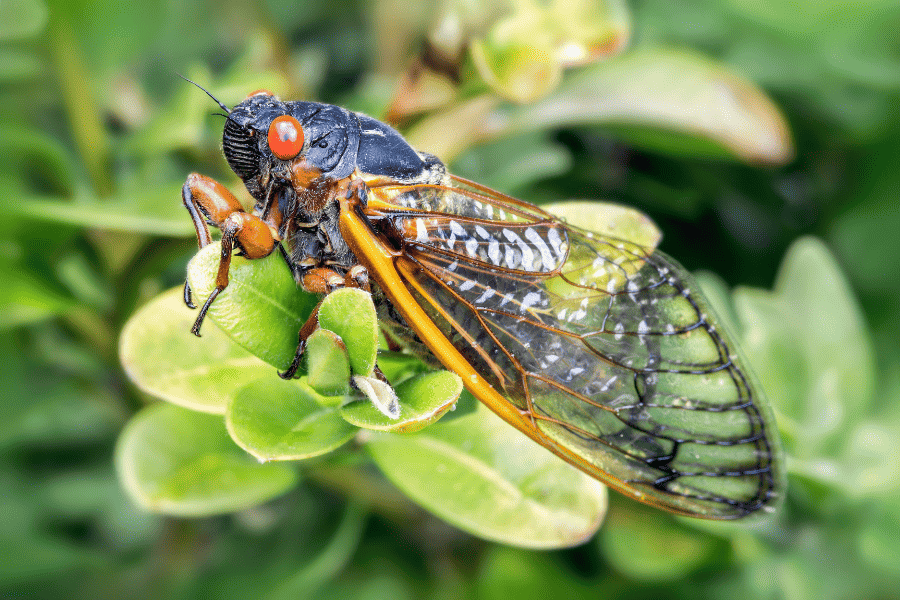
Cicadas are large insects with transparent wings, prominent eyes, and often vibrant colors. They spend most of their lives underground as nymphs, feeding on tree roots. However, they emerge as adults in periodic cycles, typically every 13 to 17 years depending on the species, to mate and lay eggs.
What is the Habitat of a Cicada?
They inhabit a wide range of environments, from forests to tropical jungles, commonly found in regions with trees and shrubs, as their nymphs rely on plant roots for substance. Cicadas are particularly prevalent in areas with well-drained soil since they remain underground for long periods of time.
The Lifecycle and Behavior of Cicadas
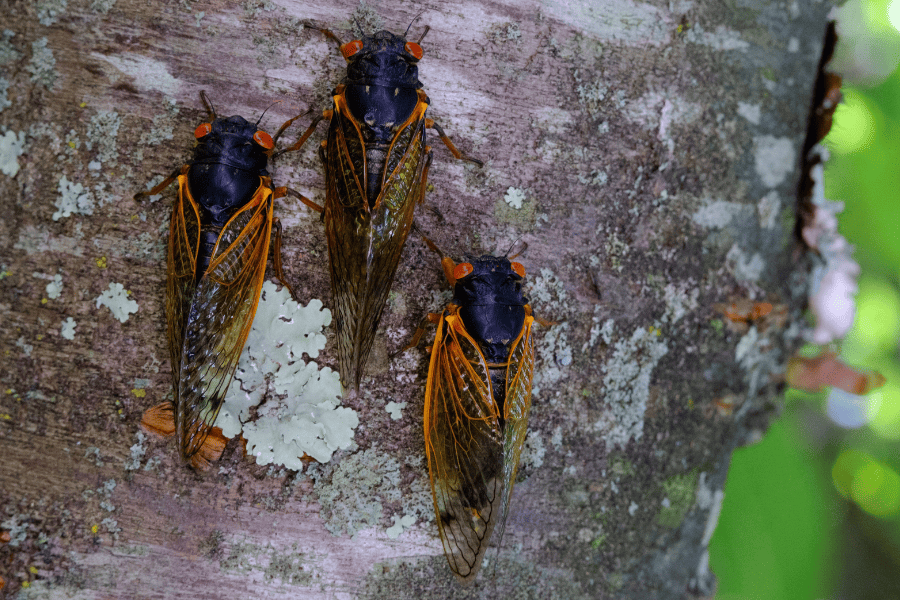
After spending years underground, cicadas emerge synchronously in large numbers. This mass emergence, known as a brood, is thought to be an evolutionary strategy to overwhelm predators and increase the chances of successful mating.
Once above ground, adult cicadas spend their brief adulthood reproducing. Males will produce a distinctive buzzing call to attract females, which can reach deafening levels in volume. After mating, females will lay their eggs in tree branches, where the nymphs will hatch and drop to the ground to begin their underground existence.
The Importance of Cicadas
Despite their loud buzzing call, cicadas play an important role in the ecosystem. As both nymphs and adults, they serve as a food source for birds, mammals, and even other insects. Their emergence can also enrich the soil with nutrients as the decomposing bodies of deceased cicadas return vital nutrients back to the soil. They can also contribute to the pollination of plants during their adult stage, although to a lesser extent than bees or butterflies.
Although the buzzing sound of the emerged adult cicadas can reach high levels of sound, their adult lifespan is typically short lived and ends after they successfully mate. If you find your property surrounded by cicadas, give a pest control company near you a call!
Feb 19, 2024 | Pest Control
This spring, the Great Southern Brood and the Northern Illinois Brood are set to appear at the same time, also known as a dual emergence. The dual cicada emergence will affect the Midwest and Southeast, including Georgia, Alabama, Tennessee, and South Carolina. The last time a dual emergence occurred was in 1803, when Thomas Jefferson was president, and the Louisiana Purchase had just been completed. Let’s just say that when the next one happens, no one alive today will witness it!
What are Cicadas?
These large insects live underground as nymphs for years and emerge by the millions every 13 to 17 years, depending on the brood they are a part of. They emit a loud buzzing sound when trying to find a mate, sometimes so loud it can keep you awake at night! They don’t bite, sting, or carry any diseases, and serve as pollinators and benefit the ecosystem.
Their main goal is to mate and reproduce. During the egg laying process they will trim holes into tree branches, sometimes causing branches to break off completely. This may sound like a negative thing, but they act as a natural pruning. The holes they leave behind help aerate the soil and allow for rainwater to get underground and nourish tree roots in the hot summer months.
Can I Prevent Cicadas?
Keeping cicadas away can be quite challenging, especially during their periodic emergences when they appear in large numbers. There are some strategies to minimize their impact on your property:
- Physical Barriers: Covering vulnerable plants and trees with fine mesh netting can prevent cicadas from laying their eggs on them. Make sure the netting is securely fastened to prevent cicadas from accessing the foliage.
- Pruning: Trimming branches and foliage can help reduce the attractiveness of your yard to cicadas. Removing excess vegetation can make it less appealing for them to lay eggs.
- Avoid Bright Lights: Cicadas are attracted to bright lights, so minimizing your outdoor lighting at night may help reduce their presence around your home
Cicadas might be annoying, but it’s important to remember their impact on the ecosystem of our forests. Limiting them on your property can be difficult, but there are ways. If the noise begins to get too loud, give a pest control company near you a call today!
Feb 15, 2024 | Florida Termite Control
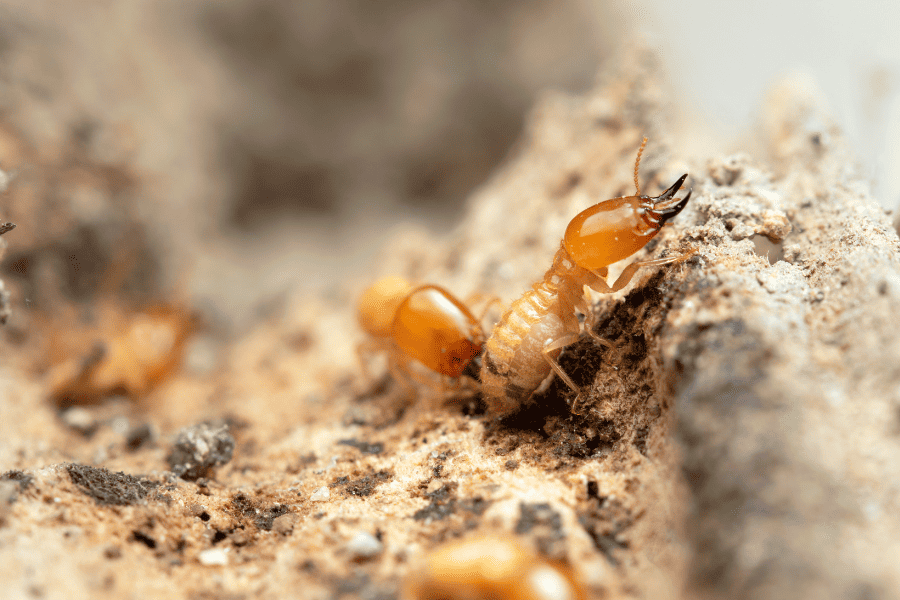
One of the biggest investments you can make is your home, so taking every precaution to protect it from termites is critical! Subterranean and drywood termites will wreak havoc on your Florida home, eating it from the inside out, resulting in thousands of dollars in repairs. Homeowner’s insurance may not cover termite damage, so it’s important to understand the types of termite control and preventative measures you should take to avoid termite damage. We breakdown Florida termite control options and preventative measures to consider for your home and property!
Florida Termite Control Options
It’s always best to consult with your local pest control company on the best termite prevention or control plan for your home and termite situation. These professionals will be able to offer various options to prevent and control termites from taking over your home, including:
- Bait Station: Installed by a pest professional around the perimeter of your home, bait stations, including the Sentricon Always Active Bait Station, eliminate subterranean termites and their colonies. These stations contain a slow-acting termiticide food source where termites will take it back to their colony, eventually eliminating it.
- Liquid Termite Defense: These treatments look to eliminate subterranean termites and their colonies. Liquid defense treatments require your termite professional to dig a trench around your foundation and inject a termiticide to eliminate the entire colony and its queen.
- No-Tent Treatment: Best used to address drywood termite infestations, the no-tent treatments utilize a non-repellent product into drywood termite galleries to eliminate the termites found in your Florida home. This treatment is slow acting to allow termites who encounter the product to take it back to the queen and colony to eliminate it.
DIY Termite Control Tips
Along with having a termite control plan in place, there are several do-it-yourself termite prevention measures you can place around your home to keep these pests from even entering your property. Check out our top termite prevention tips here:
- Eliminate entry points around your home by filling in cracks or holes in cement foundations and around gaps where utilities enter the house with cement, caulk, or grout.
- Eliminate excess moisture or standing water by fixing leaks around or inside your home and keeping your crawlspace and attic well-ventilated to help reduce the moisture.
- Remove unnecessary lumber, old trees, or tree stumps from your yard
- Schedule a regular termite inspection with a termite control company near you to help catch termite infestations early, identify signs of termite activity, and provide the most effective termite treatment option if needed.