Feb 14, 2024 | CrawlSpace
Your Tennessee home’s crawlspace plays a significant role in the health and safety of your family and overall property. If crawlspaces are not properly taken care of, it can lead to pest infestations, foundation damage, poor indoor air quality, and potential health hazards! Luckily, crawlspace encapsulation looks to address these concerns. We break down all you should know about crawlspace encapsulation and how to maintain a healthy crawlspace!
What is CrawlSpace Encapsulation?
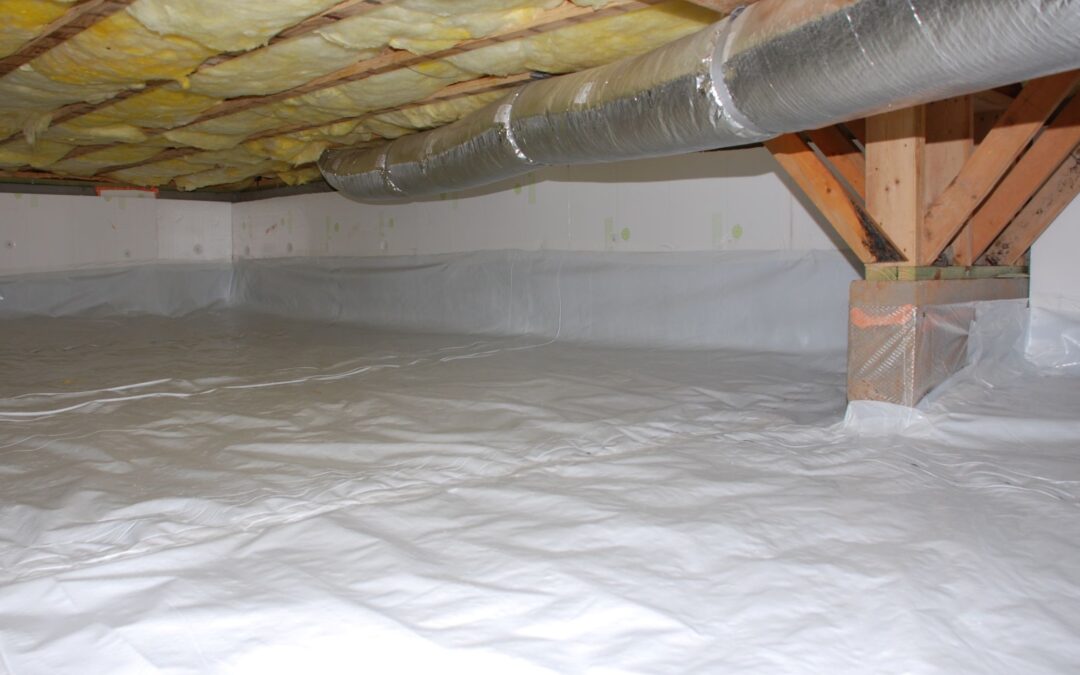
Encapsulation is the process of sealing your crawlspace with a barrier to prevent moisture from entering. A crawlspace professional will install this moisture or vapor barrier on the floor and walls of the crawlspace, allowing moisture to stay out to prevent fungi growth and other moisture-related problems.
What Are the Benefits to CrawlSpace Encapsulation?
Along with preventing fungi growth and excessive moisture, there are several benefits to enclosing your crawlspace! Moisture can affect several factors inside your home, Including:
- Energy Savings: Your HVAC unit or furnace runs longer to help maintain the temperature inside, using more electricity, and in return increases your energy bills. A moisture barrier will act as a sealant and ease your HVAC system to make a home more energy efficient and save money!
- Structural Integrity: Home foundations are vital and excess moisture can lead it to wood rot, comprising the structural integrity of your home. Moisture barriers will reduce the amount of moisture to avoid wood rot and protect it overall.
- Better Air Quality: Mold and mildew issues can arise if your crawlspace is in bad condition, creating a health risk to your family and pets. When installed, a moisture barrier will reduce moisture levels and prevent mold and mildew from forming, creating better air quality overall.
- Pest Control: Unsealed crawlspaces are an open invitation for pests and wildlife to enter and search for a place to nest and find a food source. Pests like rodents, roaches, and termites can cause considerable damage and contaminate your home, bringing in health and safety concerns. Enclosing your crawlspace will eliminate entry points for pests to into your home and serve as a good starting point for home pest control.
How Can I Keep a Healthy CrawlSpace?
Enclosing your crawlspace is a great way to avoid moisture, but the care for your crawlspace doesn’t stop there! It’s important to continue taking care of the space even after it’s enclosed. Regularly check for signs of moisture such as dampness or standing water. If you notice moisture buildup, address it as soon as possible. Additionally, consider installing screens over vents or openings in your crawlspace to prevent pests from entering. Remove any debris or clutter you might see, as pests use it to hide. Lastly, schedule regular inspections with your Nashville pest control company to ensure the area is free of pests and other problems.
If you think it’s time to enclose your crawlspace or would like more information on various crawlspace care solutions, call a pest control company near you for a free inspection!

Feb 9, 2024 | Pest Control
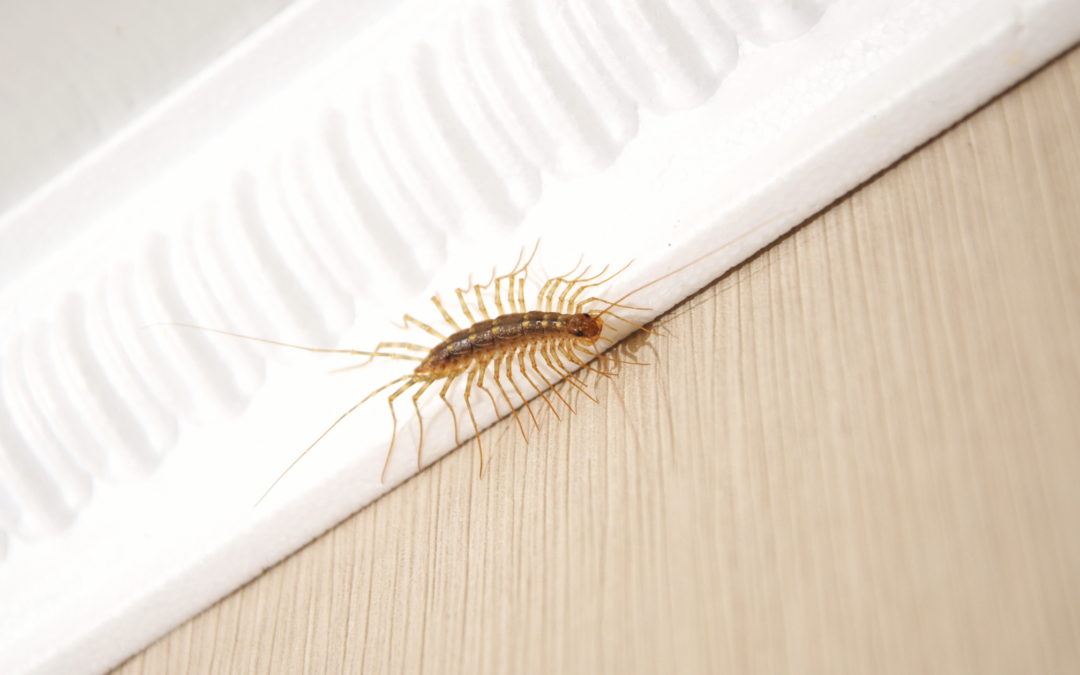
Centipedes: those creepy crawlers that send shivers down our spines when we encounter them scurrying across the floor. But beyond their unsettling appearance, many homeowners wonder: can centipedes bite or sting? Let’s dive into the facts and debunk the myths surrounding these household pests.
Identifying Centipedes
Centipedes are elongated arthropods with multiple pairs of legs, ranging from 15 to 177 pairs depending on the species. They typically have a flattened body and are light brown to dark brown or even reddish in color. One distinguishing feature is their long antennae and the pair of venomous claws located behind their head, known as forcipules.
Signs of Centipedes in Your Home
Spotting a centipede indoors is often the first sign of an infestation. They tend to hide in dark, damp areas such as basements, bathrooms, and crawl spaces during the day and come out at night to hunt for prey.
Hazards to Humans and Property
While centipedes may look intimidating, they are generally not aggressive towards humans. However, if threatened or mishandled, they can deliver a painful bite using their venomous claws. While the venom is not typically dangerous to humans, it can cause localized pain and swelling.
Centipedes can be beneficial to your property by preying on other household pests such as cockroaches, spiders, and silverfish. However, their presence in large numbers can indicate an underlying pest problem that needs to be addressed.
Keeping Centipedes Out of Your Home
Prevention is key when it comes to controlling centipedes in your home. Here are some tips to keep them at bay:
- Seal Entry Points: Inspect your home for cracks, gaps, and holes in walls, floors, and foundations, and seal them to prevent centipedes from entering.
- Reduce Moisture: Centipedes thrive in damp environments, so reducing moisture levels in your home by fixing leaks, using a dehumidifier, and ensuring proper ventilation can help deter them.
- Declutter and Clean: Remove clutter from your home and regularly clean and vacuum to eliminate hiding spots and potential prey for centipedes.
- Outdoor Maintenance: Keep outdoor areas free of debris, leaf piles, and mulch, as these can attract centipedes and provide harborage areas near your home.
Don’t let centipedes and other household pests invade your space. Take proactive steps to protect your home and family by partnering with a trusted pest control company. Contact a pest control company near you today for a free pest control quote and let our experienced technicians help you reclaim your home from unwanted intruders.
While centipedes can bite if provoked, they are generally not a significant threat to humans. However, their presence can indicate underlying pest issues that need to be addressed. By following preventive measures and seeking professional pest control assistance when needed, you can effectively manage centipedes and enjoy a pest-free home environment.
Jan 31, 2024 | Florida Termite Control
Swarming termites, or alates, are often seen in the spring and summer months. While they might seem alarming, these pests do not bite, sting, or chew wood. Instead, swarming termites indicate they an established termite colony is close by, which can be problematic for your home and family. But when does swarming season begin and how do you know if termites have invaded your Florida property? We breakdown what you should know about termite swarms.
When is Florida swarming season?
Swarming season often depends on the type of termite; however, in Florida we have two common termites to lookout for: subterranean and drywood termites. Subterranean termites swarm during the spring and early summer months. Drywood termites tend to swarm in the late spring to end the summer. Termite swarms are also determined by weather, with rainstorms and overcast increasing swarm activity.
Why do termites swarm?
Termites swarm to both reproduce and expand their colony. Once a colony has reached its capacity of termites, the swarming process begins, leaving their existing one to start a new. The number of termites that will swarm will often depend on the type of termite species and colony size.
How can I prevent swarming termites?
Preventing swarming termites starts with preventing termite colonies from establishing. There are several preventative measures you can place at your home to avoid termite swarms and keep termites from establishing, including:
- During peak swarm seasons, keep your outdoor lights turned off at night; consider relocating exterior lights to recessed areas away from doors and windows
- Avoid excess moisture by ensuring you have proper ventilation and fix any leaky pipes
- Keep at least a 4-inch barrier between mulch used in your landscaping and the side of your home
- Keep shrubbery trimmed back at least 12 inches from the walls of your home and remove any fallen branches, dead wood, or old tree stumps on your property
- If you have a crawlspace, consider enclosing it to help eliminate moisture under your home but to also prevent mold, mildew, wood rot, and other household pests
- Schedule an annual termite inspection and request a quote on treatment options, such as the Sentricon Always Active Bait station for 24/7/365 termite protection
If you suspect swarming termite activity nearby or a termite infestation at your home, it’s best to call your local pest control company for help. Termite professionals will give you a thorough evaluation and the best termite treatment and prevention plan.
Jan 26, 2024 | Pest Control
As the temperatures drop in Georgia and winter sets in, many pests seek refuge within the warmth of our homes. These unwelcome visitors, known as overwintering pests, can pose serious hazards to both our homes and our health. In this blog post, we will explore common overwintering pests, how they find their way into our homes, the risks they present, when they emerge, and most importantly, how to prevent their invasion. If you find yourself facing a pest problem, don’t hesitate to take action – request a free pest control quote today.
Common Overwintering Pests
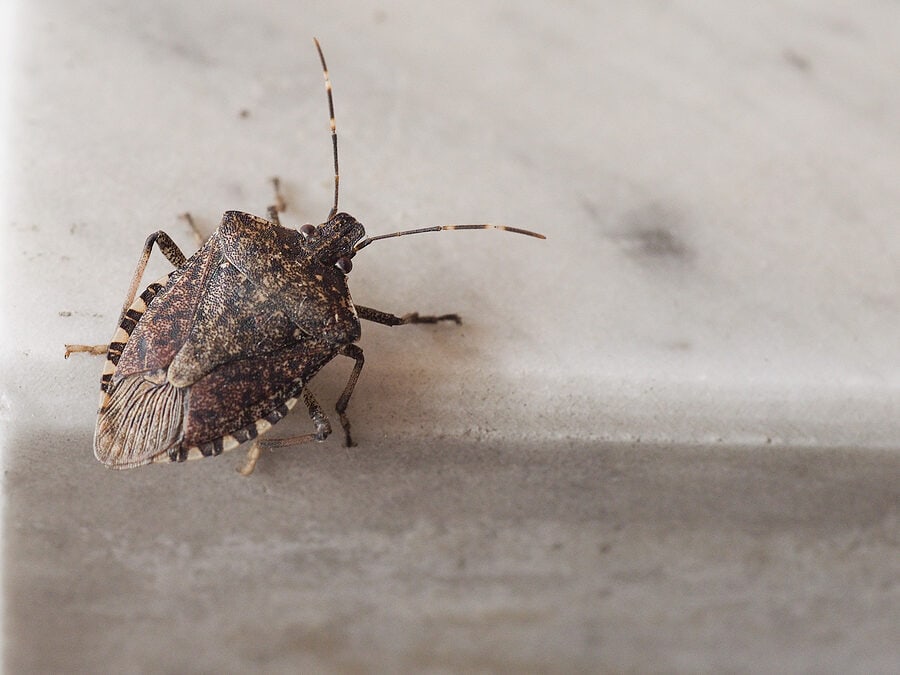
- Stink Bugs: These shield-shaped insects often gather on the sunny sides of buildings during the fall and make their way indoors seeking shelter.
- Ladybugs: While harmless to humans, large clusters of ladybugs can become a nuisance when they enter homes seeking warmth.
- Cluster Flies: These flies typically infest attics and wall voids during the winter months.
- Boxelder Bugs: Recognizable by their red and black coloration, these bugs can become a significant issue when they invade homes for shelter.
How They Get Into Your Home
Overwintering pests use various entry points to infiltrate your home. Common entryways include gaps around windows and doors, cracks in the foundation, and openings around utility pipes. Once inside, they seek out warm and secluded areas to hibernate during the colder months.
Hazards to Humans and Homes
While overwintering pests are generally not harmful to humans, they can become a nuisance in large numbers. Some pests may release unpleasant odors or stains when disturbed, while others, like stink bugs, emit a foul-smelling liquid as a defense mechanism. Additionally, the presence of these pests can lead to contamination of stored food items.
When and What Happens When They Emerge
Overwintering pests typically emerge in the spring as temperatures rise. The emergence can be sudden and overwhelming, leading to a surge in pest activity. This is the time when homeowners often notice an increased presence of these pests in and around their homes.
Prevention Tips
- Seal Entry Points: Conduct a thorough inspection of your home and seal any gaps or cracks that pests can use to enter.
- Install Screens: Use screens on windows and doors to prevent pests from gaining access.
- Maintain Landscaping: Trim vegetation away from your home to eliminate potential bridges for pests to enter.
- Professional Pest Control: Consider hiring a reputable pest control company to perform routine inspections and treatments to keep overwintering pests at bay.
If you’re concerned about overwintering pests invading your home, take action now. Request a free pest control quote from your local pest control company and ensure a pest-free environment for you and your family.
Understanding the behavior of overwintering pests and implementing preventive measures is key to safeguarding your home. By following these tips and being proactive, you can enjoy a pest-free living space even during the colder months. Don’t let winter pests take over – request your free pest control quote today.
Jan 26, 2024 | Commercial, Wildlife
When left unaddressed, birds can wreak havoc on your business. As a business owner, protecting your reputation and bottom line is crucial to your success. We breakdown the dangers nuisance birds can be to your business if invaded and bird control methods you can place to deter them away.
Problems Birds Cause to Businesses
Birds can cause many problems for your business and property. It’s crucial to understand the issues birds can bring so you can effectively deter them.
- Health risks: Birds and their droppings can spread more than 60 diseases, including Salmonella and E. coli. They can also attract other pests, including rats and insects, that pose additional health threats to your team and customers.
- Property Damage: Bird droppings can be corrosive and cause damage to roofs, balconies, equipment, and more. The cost to repair their damage can be costly and disrupt your regular business operations.
- Safety Risks: Bird droppings can create a slippery surface, especially on walkways, stairs, and entrances. This can lead to customer or employee slip-and-fall accidents.
- Food Contamination: If you’re in the food business, a bird infestation can pose a risk of food contamination, which can lead to food poisoning and other health issues for your customers.
Bird Control Methods for Your Business
One of the best ways to deter these nuisance birds away is to create an environment that’s less attractive to them. Check out these humane preventative tips to keep birds from invading your business.
Bird Netting
This method can act as a barrier to keep birds away from your building. The netting is often made of polypropylene and has stainless-steel hardware, which can be invisible to your customers’ eyes. It can best protect your business from smaller birds like swallows and sparrows. Bird netting can protect areas such as loading docks, rooftops, courtyards, storefront signs, balconies, open beam structures, and more.
Spikes
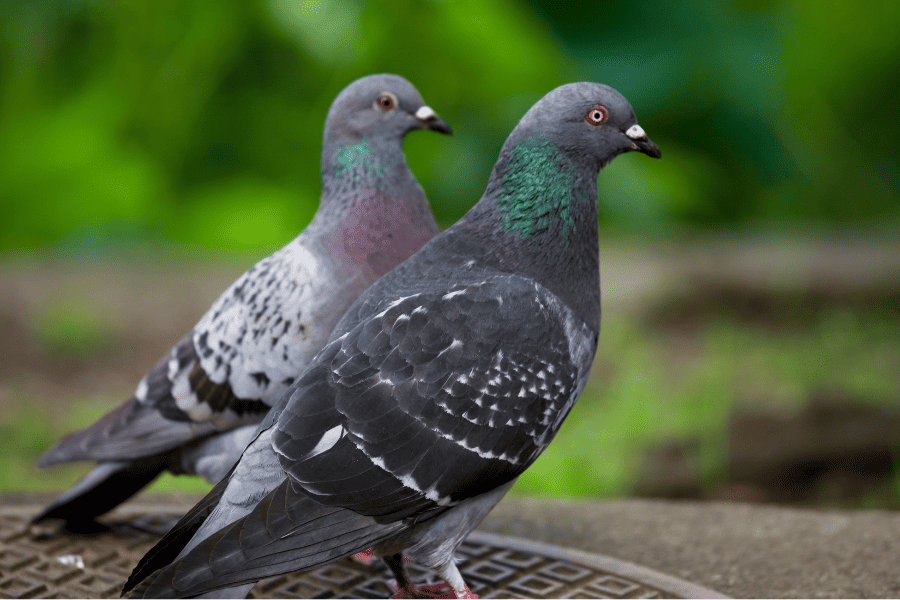
Spikes are harmless deterrents that work great to deter birds, such as pigeons, away from a structure. Spikes are made from stainless steel or plastic and are placed upward to make it difficult for birds to land or make it uncomfortable to roost. Spikes can be placed on ledges, parapets, gutters, signs, and more.
Visual Deterrents
Visual deterrents or decoys are a great tool to utilize around your business property to deter birds. Decoys that resemble owls or other predators can scare birds away. Other deterrents include holographic and reflective materials like optical gel, scare tape, and more. This method can be a great addition to other bird control methods you have already placed at your business.
If you’ve seen more bird activity than you’re comfortable with around your business, call your local professional wildlife control team for assistance. These bird experts will provide you with the best options to prevent the nuisance birds, deter them from your property, and control them to avoid a future bird infestation.