Dec 9, 2025 | Pest Control
Winter in Savannah brings cooler temperatures and a break from the summer heat, but not from pest activity. Because the area’s winters are mild, many pests remain active — often moving indoors in search of warmth, food, and shelter. Rodents, cockroaches, and spiders are among the most common intruders this time of year. Understanding which common winter pests stay active and how to keep them out is the first step to protecting your home all season long.
Why Pests Seek Shelter in Winter
Even a subtle drop in temperature can signal a significant change for pests. As their natural outdoor habitats become less hospitable, your home offers an ideal alternative with stable temperatures, moisture, and a consistent supply of food. This instinctive drive for survival is what leads to an increase in indoor pest sightings during the winter months. These pests can enter through the smallest of openings, turning your home into their winter retreat.
Rodents: Mice and Rats
House mice and roof rats are two of the most common pests to invade Savannah homes in winter. They are intelligent and resourceful, capable of squeezing through tiny cracks and holes to gain entry.
- Behavior: Once inside, rodents establish nests in dark, secluded areas like attics, basements, wall voids, and behind large appliances. They are nocturnal, so you may hear scratching or scurrying sounds at night before you ever see a mouse or rat.
- Risks: Rodents pose a considerable risk to property and well-being. They must constantly gnaw to keep their incisors short, leading them to chew through electrical wiring, drywall, and plastic pipes, which can create fire hazards and cause leaks. They also contaminate food and surfaces with their droppings and urine.
Cockroaches
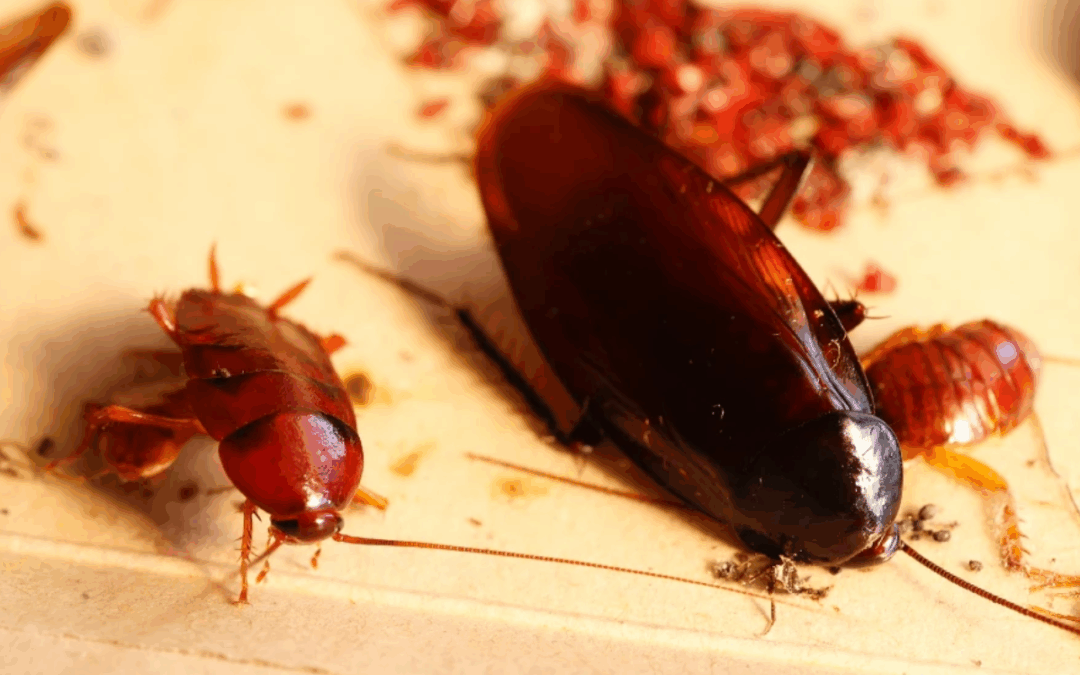
Cockroaches are a year-round problem in Georgia, but their indoor presence can become more noticeable in winter. Species like the American cockroach and the German cockroach are experts at finding their way inside.
- Behavior: Cockroaches are drawn to moisture and food. They often hide in kitchens, bathrooms, laundry rooms, and basements. They thrive in cluttered areas and can reproduce quickly, allowing a small problem to become a major infestation in a short amount of time.
- Risks: Cockroaches can spread germs and bacteria across your home. Their shed skins, droppings, and saliva contain proteins that are known to trigger allergies and asthma symptoms, especially in children and sensitive individuals.
Spiders
Spiders are not typically winter pests, but they often follow their food source—other insects—indoors. If you see an increase in spiders, it could be a sign of another underlying pest issue.
- Behavior: Spiders prefer quiet, undisturbed areas to build their webs, such as corners, closets, basements, and attics. While most common house spiders are not aggressive, their presence and webs can be a nuisance.
- Risks: The primary concern with spiders is their webs and the unsettling feeling of sharing your home with them. Their presence often indicates that other pests are available as a food source within your home.
Effective Winter Pest Prevention Strategies
A proactive approach is the best way to maintain a pest-free home. Focusing on exclusion and sanitation can make your property far less appealing to these unwanted winter guests.
Seal Entry Points
Carefully inspect your home’s exterior for any gaps or openings that pests could use to get inside.
- Fill cracks in the foundation and around windows with caulk.
- Use steel wool to seal holes around pipes and utility lines, as rodents cannot chew through it.
- Install weather stripping on doors and windows to create a tight seal.
Eliminate Attractants
Remove the food, water, and shelter that pests are searching for.
- Store all food, including pet food, in airtight containers.
- Clean up crumbs and spills immediately and avoid leaving dirty dishes in the sink.
- Fix leaky faucets and pipes to reduce moisture.
- Keep your home, especially storage areas like basements and attics, clean and clutter-free.
When Professional Help Is Needed
While these prevention methods are effective, an established pest population can be difficult to manage on your own. If you see signs of infestation, such as droppings, gnaw marks, or the pests themselves, it is time to consult a pest control professional to ensure your Savannah home remains a comfortable, pest-free space this winter.

Dec 8, 2025 | Florida Pest Control
November in Miami brings cooler weather, but it also drives smokybrown cockroaches indoors. Unlike other roaches, these large, winged pests aren’t attracted to filth—they’re seeking shelter for the cooler months. This guide explains how to identify them, why they move inside in November, and how to keep your home roach-free.
Getting to Know the Smokybrown Cockroach
The Smokybrown cockroach (Periplaneta fuliginosa) is a large species, typically measuring over an inch long. They are a uniform, shiny mahogany or black color and have fully developed wings that extend beyond their bodies. While they are strong fliers, they are often more attracted to light than other roach species.
These roaches are outdoor dwellers by nature. They thrive in warm, humid environments and are commonly found in areas with plenty of moisture and organic matter, such as:
- Mulch and leaf litter
- Tree holes and stumps
- Greenhouses and planters
- Gutters filled with debris
Unlike German cockroaches, which infest kitchens and bathrooms in search of crumbs, Smokybrowns need a high degree of humidity to survive and will dehydrate quickly without it.
Why Are They Invading Miami Homes in December?
As the season changes, so do the living conditions for Smokybrown cockroaches. Even the subtle temperature drop and drier air of a Miami November can be enough to drive them indoors in search of a more stable environment.
A Need for Moisture
The primary driver for a Smokybrown cockroach invasion is moisture. As the air becomes less humid, these roaches will migrate toward areas that can provide the dampness they require. Your home may offer several attractive spots, including basements, crawlspaces, laundry rooms, and bathrooms.
Shelter from the Elements
Your home provides protection from cooler temperatures and predators. Smokybrowns will exploit any available opening to gain access, often hiding in attics, wall voids, or behind cabinets where they can remain undisturbed.
The Issues with a Smokybrown Infestation
While a single roach might seem like a minor issue, their presence can indicate a larger problem. You should not have to share your living space with these pests.
- Contamination: Cockroaches walk across a variety of surfaces, including garbage and decaying matter, before crawling over your countertops, dishes, and food preparation areas. This can lead to the spread of germs throughout your home.
- Allergens: Cockroach droppings, saliva, and shed skins contain proteins that can trigger allergic reactions and asthma attacks, particularly in sensitive individuals and children.
- A Sign of a Larger Problem: Seeing Smokybrowns indoors often points to a moisture issue or an unsealed entry point that could allow other pests to enter as well.
How to Prevent an Indoor Invasion
Proactive prevention is the most effective way to keep Smokybrown cockroaches out of your home. The focus should be on exclusion and reducing moisture.
Seal Your Home’s Exterior
Conduct a thorough inspection of your property and seal any potential entry points.
- Fill cracks in the foundation and gaps around pipes with caulk or sealant.
- Install weather stripping on doors and windows to ensure a tight fit.
- Repair or replace damaged screens.
- Cover attic vents and other openings with fine mesh.
Reduce Moisture Levels
Make your home less attractive by controlling humidity.
- Fix leaky faucets, pipes, and drains immediately.
- Ensure crawlspaces and attics are properly ventilated.
- Use dehumidifiers in damp areas like basements.
- Keep gutters clean and ensure they direct water away from the foundation.
Maintain Your Yard
Since these roaches live outdoors, managing your landscape is key.
- Keep mulch and pine straw at least a foot away from your home’s foundation.
- Clear away leaf litter, woodpiles, and other organic debris.
- Trim tree branches and shrubs so they do not touch the house.
Don’t let these sneaky invaders disrupt your holiday season. Contact a pest control professional to schedule an inspection and ensure your Miami home remains a comfortable, pest-free environment.
Dec 2, 2025 | Good Deed Team
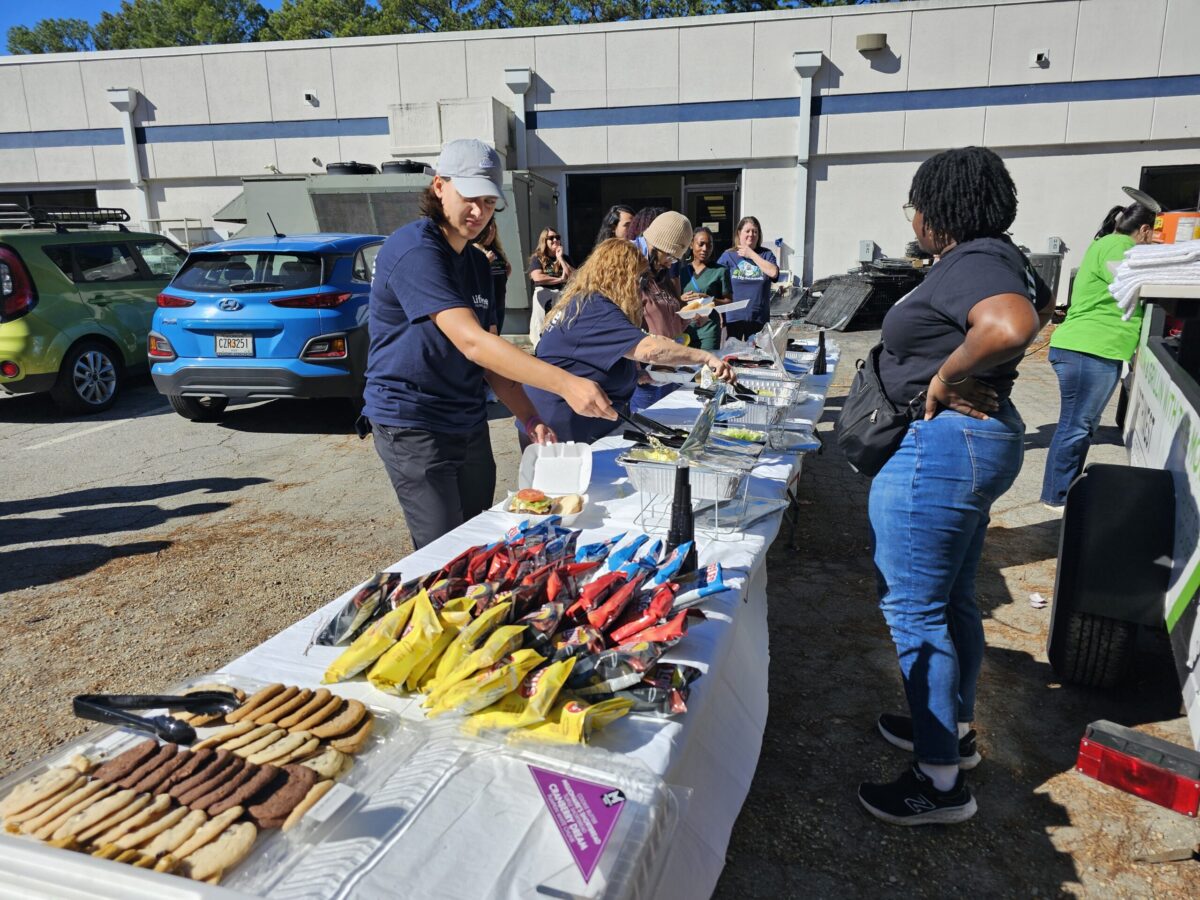
Northwest Exterminating’s Good Deed Team hosted a special cookout for the staff and volunteers at Lifeline Animal Project on Presidential Parkway in Atlanta on October 22. Putting a fun twist on their traditional first responder cookouts, this event honored the heroes who make a difference for Atlanta’s pets every day.
Katie Burchfield, Commercial Office Manager in Tucker, GA and a regular volunteer at Lifeline’s Community Animal Center, wanted to bring more awareness to the need for dogs and cats to find their perfect forever homes. After suggesting that Northwest get involved, Good Deed Team Co-Directors Greg Green and Kristen Milligan jumped at the opportunity to help.
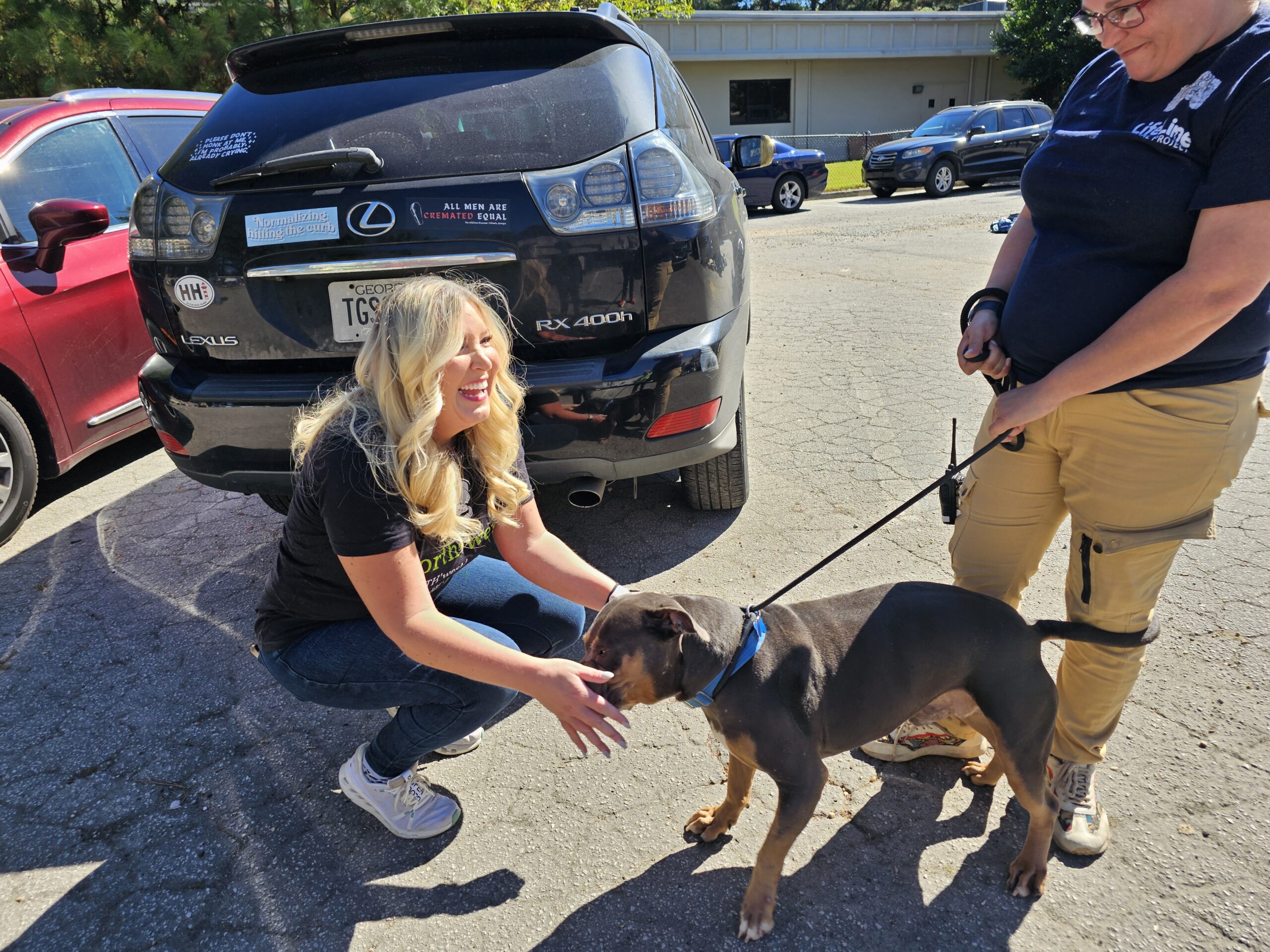
In addition to serving lunch, teammates spent the afternoon walking dogs, meeting adoptable pets, and learning more about Lifeline’s mission. After plenty of belly rubs, treats, and tail wags, it was hard to tell who enjoyed the day more – the volunteers or the four-legged friends soaking up the extra attention.
Across the country, animal shelters are facing an overcrowding crisis and Georgia is no exception. Lifeline’s Community Animal Center helps relieve this pressure by taking in dogs from Fulton and DeKalb counties, typically housing around 100 dogs at any given time.
Lifeline staff explained that human interaction plays a huge role in helping pets feel loved and ready for adoption, something our teammates were more than happy to provide.
Potential adoptive families are even encouraged to “check out” a pet for a few hours or an entire weekend to get to know them better. Katie has brought several dogs to the local Northwest Exterminating Tucker office as part of this initiative. Teammates help by posting pictures on social media to attract potential adopters or fosters, but the benefits go both ways. “This really does help,” said Katie. “And the bonus is that our team enjoy the stress relief a dog brings to the office.”
By opening their hearts and their offices, Northwest teammates help give these animals a second chance and a better opportunity to find a forever home.
The day was a reminder that giving back comes in many forms. Whether it’s serving lunch, walking dogs, or helping a furry friend find a home, Northwest teammates showed that helping the community sometimes means lending a paw.
Nov 28, 2025 | Pest Control
When you discover pests in your home or business, your first instinct is to get the problem handled as quickly as possible. In that rush, you might be tempted to hire the first person who offers a solution, especially if they show up at your door with a convincing sales pitch. However, not all pest control providers are created equal. Choosing an unlicensed individual over a certified professional can lead to significant risks, ineffective treatments, and even greater costs down the road.
Hiring a licensed pest control professional is more than a preference—it’s a crucial step in protecting your property, your family, and your peace of mind. Licensed experts bring a level of training, accountability, and knowledge that unlicensed operators simply cannot match. This post will explore why working with a licensed professional matters and highlight the potential dangers of cutting corners.
The Risks of Hiring Unlicensed Pest Control
Recently, the Georgia Department of Agriculture (GDA) issued a warning to residents about a spike in unlicensed individuals selling pest control services door-to-door. This official alert underscores a persistent problem that puts consumers at risk. Unlicensed operators may seem like a bargain, but the potential consequences are serious.
1. Improper Use of Pest Control Products
One of the greatest dangers of hiring an unlicensed operator is the misuse of pest control products. Licensed technicians receive extensive training and understand how to:
- Select solutions appropriate for specific pests and settings
- Apply these solutions in ways that protect your home and support environmental health
- Handle, store, and dispose of products responsibly to prevent harm
Without this expertise, an unlicensed individual might use the wrong product or apply it incorrectly, resulting in ineffective control and unnecessary risk to your property, your family, and the local ecosystem. This not only fails to solve the pest issue but can also introduce new problems.
2. Lack of Knowledge and Expertise
Effective pest control is a science. It requires a deep understanding of pest biology, behavior, and harborage areas. A licensed professional doesn’t just spray chemicals; they conduct a thorough inspection to identify the root cause of the infestation. They can distinguish between different types of pests and know the most effective, targeted strategies to eliminate them.
An untrained person, on the other hand, is likely to take a one-size-fits-all approach. This often leads to temporary relief at best, while the core problem remains unsolved. The pests will almost certainly return, forcing you to spend more time and money on a problem that could have been resolved correctly the first time.
3. No Accountability or Insurance
What happens if an unlicensed operator damages your property or fails to get rid of the pests? In most cases, you have little to no recourse. Reputable, licensed pest control companies are required to carry liability insurance. This protects you in the event of accidental damage to your home during treatment.
Furthermore, licensed companies stand behind their work. If a pest issue persists after a service, a professional team will return to make it right. With an unlicensed individual, there are no guarantees. They may be difficult to contact after receiving payment, leaving you with a lingering pest problem and a lighter wallet.
4. Legal and Compliance Issues
According to the GDA, anyone soliciting or performing pest control services in Georgia must have a valid license. Hiring someone without the proper credentials means you are dealing with an individual operating outside the law. These operators are not held to any state or federal standards, and violations can result in significant fines for the provider. For you, the customer, it means there is no regulatory body overseeing the quality or wellbeing of the work being done.
The Benefits of Working with a Licensed Professional
Choosing a licensed pest control company is an investment in quality and long-term results. Highly trained inspection specialists are equipped to catch and resolve customer concerns with precision.
Expertise and Continuous Training
Licensed technicians are career professionals who receive ongoing education on the latest pest control technologies, protocols, and environmentally responsible practices. This commitment to expertise ensures any pest challenge can be handled effectively, from common ants and cockroaches to more complex issues like termites and rodent infestations. Detailed site evaluations help pinpoint risks and provide actionable recommendations for a pest-free environment.
Environmentally Responsible Approach
Licensed providers focus on minimizing chemical use by combining targeted treatments with non-chemical methods such as exclusion, sanitation improvements, and monitoring. This integrated approach is effective while also being environmentally responsible.
Guaranteed Results and Customer Care
Partnering with a licensed company provides access to responsive customer care and a team that is accountable for results. Clients receive regularly scheduled service designed to prevent future infestations, and any issues that arise between visits are promptly addressed. The goal is to provide effective solutions and the confidence that comes with knowing a home is protected by trained experts.
Nov 27, 2025 | Florida Pest Control
As November arrives in Pompano, Florida, residents often notice an increase in spider activity both inside and outside their homes. While spiders are a year-round presence in our tropical climate, this time of year can make them seem more prevalent. The appearance of more webs and uninvited eight-legged guests can be unsettling for any homeowner.
Understanding why you might be seeing more spiders is the first step toward effective management. This guide provides information on common Pompano spiders, explains their fall behavior, and offers practical strategies for keeping your home spider-free. A proactive approach is essential for reliable Pompano spider control.
Why Spiders Become More Noticeable in November
The increased visibility of spiders during the fall in Pompano is often linked to their life cycle and the behavior of their prey.
Mating Season and Maturation
For many spider species, late summer and fall are peak mating seasons. Male spiders, which typically lead more reclusive lives, will actively wander in search of a mate. This increased movement makes them far more likely to be seen crossing floors, walls, and patios. Additionally, many spiders born in the spring have reached full maturity by November, meaning they are larger and their webs are more substantial and noticeable.
Abundance of Other Insects
November often sees a surge in other insects seeking shelter from changing conditions. Spiders are predators, and they go where the food is. An increase in flies, gnats, and other small pests around your home provides an abundant food source, attracting spiders to build webs near doorways, windows, and exterior lights.
Common Spiders in Pompano and Associated Risks
While most spiders found in Florida are harmless and beneficial to the ecosystem, a few species warrant caution.
- Black Widows: Known for their shiny black bodies and a distinct red hourglass marking on the abdomen, black widows prefer dark, undisturbed areas like woodpiles, sheds, and cluttered garages. Their bite is venomous and requires immediate medical attention.
- Common House Spiders: These are the spiders you most frequently see, building webs in corners and windows. They are not dangerous to humans and primarily serve as a nuisance.
Proven Strategies for Pompano Spider Control
The most effective way to manage spiders is to make your home less inviting to them and their prey. A comprehensive prevention plan is the cornerstone of effective Pompano spider control.
Seal Entry Points
Denying spiders access to your home is the most crucial step.
- Inspect Your Home’s Exterior: Carefully examine your foundation, siding, and areas around pipes and vents for cracks and gaps.
- Seal Openings: Use caulk to seal any openings you find. Install or repair screens on windows and doors, and add weather stripping to ensure a tight seal.
Eliminate Attractants
By removing sources of food and shelter, you make your property less appealing.
- Reduce Exterior Lighting: Outdoor lights attract the insects that spiders feed on. Consider using yellow “bug lights” or motion-sensor lights to minimize this effect.
- Maintain Your Landscaping: Keep shrubs, trees, and other vegetation trimmed back from your home’s exterior. Spiders use branches as bridges to access your house. Remove leaf litter, woodpiles, and other debris that can serve as harborage.
- Keep Your Home Tidy: Regularly dust and vacuum, especially in corners, under furniture, and in closets. This removes webs, egg sacs, and the spiders themselves.
Implementing these preventative measures can significantly reduce the number of spiders you encounter. A clean, well-sealed home is your best defense.
If you are dealing with a persistent spider problem or have identified venomous species like black widows on your property, it is best to seek professional assistance. Contact a certified pest control expert for a thorough inspection and a targeted treatment plan to ensure the well-being and comfort of your home.