Jan 5, 2024 | Pest Control
Georgia is no stranger to household pests. One common visitor that many Georgians encounter is the daddy long legs, a unique arachnid that often finds its way into homes. In this blog post, we’ll explore what attracts daddy long legs, how to identify them, reasons for a daddy long legs infestation, whether they pose a threat to humans, and effective ways to prevent and eliminate them. If you’re dealing with a daddy long legs infestation, read on for valuable insights and practical solutions.
Identifying Daddy Long Legs
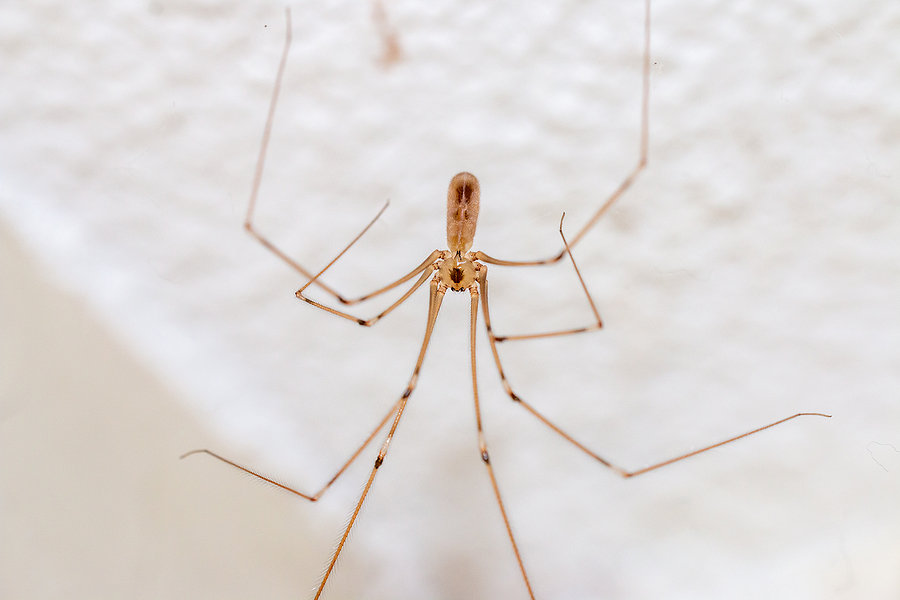
Daddy long legs, scientifically known as Opiliones, are not true spiders but belong to the arachnid family. They are characterized by their long, thin legs and small, oval-shaped bodies. Unlike spiders, daddy long legs have a fused body structure and lack venom glands. Their appearance can sometimes be confused with cellar spiders, but the absence of a segmented body distinguishes them.
Why Daddy Long Legs Invade Homes
Understanding the reasons behind daddy long legs entering homes is crucial for effective control. These arachnids are attracted to damp and dark environments, making basements, crawl spaces, and garages ideal habitats. Additionally, they are opportunistic feeders, preying on small insects and other arthropods found in and around homes. The presence of abundant prey can draw daddy long legs indoors.
Are Daddy Long Legs Dangerous to Humans?
The good news is that daddy long legs are not harmful to humans. Contrary to popular myths, they do not possess venomous fangs and are not capable of biting. In fact, these arachnids play a beneficial role by feeding on other pests, helping to control insect populations around your home. While their presence may be unsettling to some, daddy long legs pose no direct threat to your health.
Preventing and Eliminating Daddy Long Legs
To keep daddy long legs at bay, consider implementing the following preventive measures:
- Seal Entry Points: Conduct a thorough inspection of your home and seal any cracks or gaps in doors, windows, and foundations.
- Reduce Moisture: Daddy long legs thrive in damp environments, so address any water leaks or humidity issues in basements and crawl spaces.
- Declutter: Keep your living spaces clutter-free to minimize hiding spots for these arachnids.
- Outdoor Maintenance: Trim vegetation around your home, keeping it away from the exterior walls to reduce the likelihood of daddy long legs entering.
- Professional Pest Control: Enlist the services of a reputable pest control company to conduct regular inspections and treatments, ensuring effective daddy long legs and spider control.
If you’re dealing with a daddy long legs invasion or any other pest issues in Georgia, don’t hesitate to reach out to our expert team. Request a free pest control quote today and let us help you create a pest-free environment in your home. Protect your family and property with our reliable pest control services.
Remember, a proactive approach to pest control is key to maintaining a comfortable and pest-free living space. Contact us now and take the first step toward a pest-free home!

Dec 29, 2023 | Pest Control
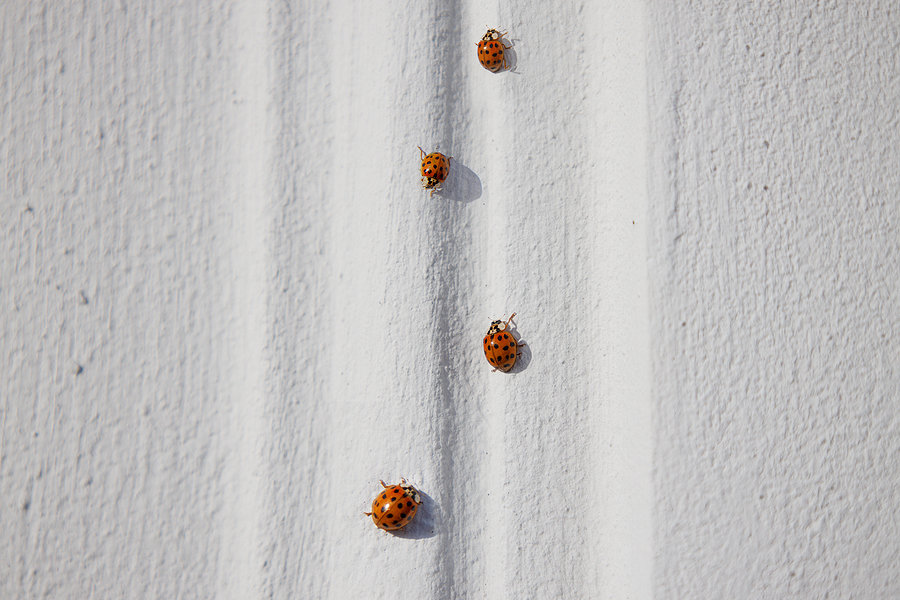
Ladybugs, with their vibrant colors and delicate appearance, are often seen as harmless garden visitors. However, when these charming insects decide to make your home their own, they can quickly turn from garden allies to household pests. In Georgia, ladybug infestations are not uncommon, and understanding how to identify, prevent, and eliminate these invaders is crucial for maintaining a pest-free home.
Understanding Ladybugs:
Ladybugs, scientifically known as Coccinellidae, are beneficial insects in gardens, feeding on aphids and other harmful pests. However, some species of ladybugs, such as the Asian Lady Beetle, can become unwelcome guests when they invade your living space in large numbers.
Identification:
Ladybugs are typically small, round beetles with bright red or orange shells adorned with black spots. The Asian Lady Beetle, often mistaken for native ladybugs, can vary in color from yellow to orange and may have no spots or multiple spots. Proper identification is essential for effective pest control.
How Ladybugs Invade Your Home:
Ladybugs seek shelter indoors during colder months, making your cozy home an attractive refuge. They enter through gaps, cracks, and openings around windows, doors, and other entry points. Once inside, they can congregate in large numbers, creating a nuisance for homeowners.
Prevention Tips:
- Seal Entry Points: Inspect your home for any gaps, cracks, or openings and seal them to prevent ladybugs from entering.
- Install Screens: Ensure that windows and doors have tight-fitting screens to keep ladybugs out while allowing fresh air to circulate.
- Clean Outdoor Spaces: Ladybugs are attracted to aphids, so regularly clean your garden and remove aphid-infested plants to deter these pests.
Elimination Strategies:
- Gentle Removal: If you spot ladybugs indoors, use a vacuum cleaner to gently remove them. Empty the vacuum bag or canister promptly.
- Natural Repellents: Use natural repellents like citrus-scented cleaners or cloves to deter ladybugs from certain areas.
- Professional Pest Control: For persistent infestations, consult a professional pest control company in Georgia. Experts can assess the situation and provide tailored solutions to eliminate ladybugs from your home.
If you find yourself facing a ladybug invasion or any other household pest issue, don’t hesitate to reach out to our expert pest control team. We offer free quotes and personalized solutions to keep your home pest-free.
Ladybug infestations may seem harmless at first, but they can quickly become a nuisance if left unaddressed. By understanding their behavior, implementing preventive measures, and seeking professional help when needed, you can ensure a ladybug-free home in Georgia. Take the first step towards a pest-free living space by requesting a free pest control quote today.
Dec 28, 2023 | Florida Pest Control
Just because it’s winter doesn’t mean
pests can’t invade your home! Unfortunately, there are several overwintering pests looking to your home to provide them with food, shelter, and water. Let’s breakdown the most common winter pests to lookout for at your Florida property.
Roaches
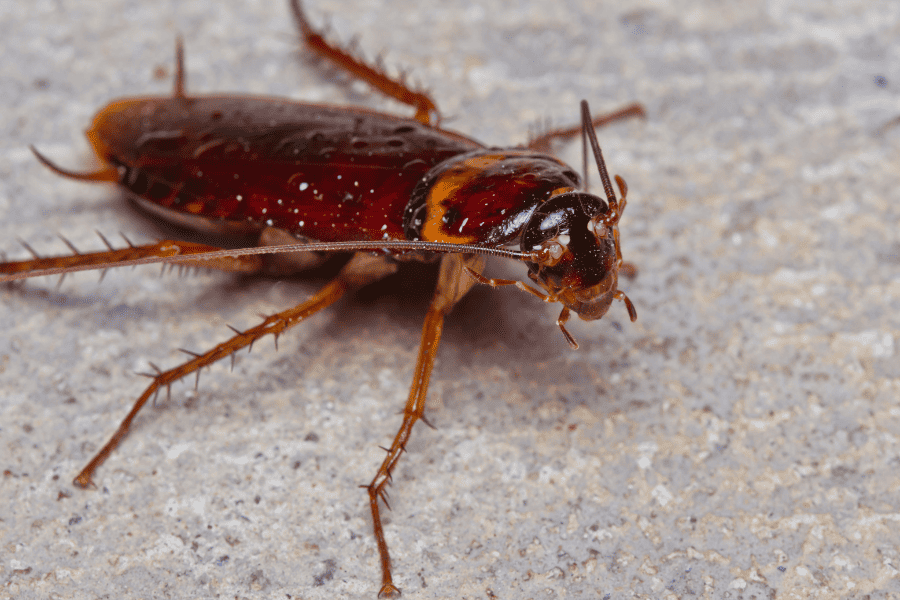
Cockroaches are common household pests seeking a warm environment to provide them with food and water. These pests can pose a serious health risk to humans as they transmit diseases and trigger allergies and asthma. Roaches will utilize any small hole, gap, or cervices to enter your home. They are also known to hitch a ride inside grocery bags, boxes, and used appliances.
Rodents
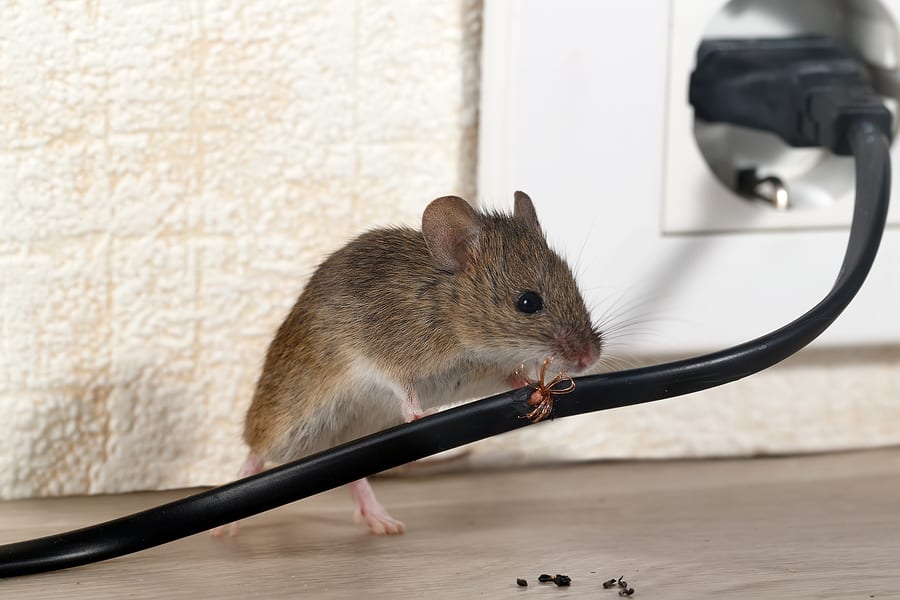
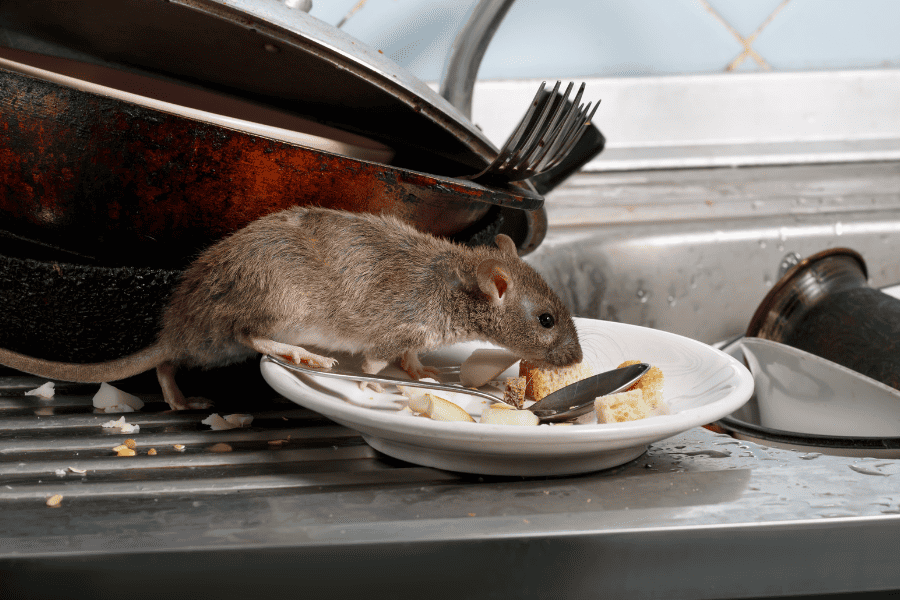
Rodents, including rats and mice, are year-round pests but they can become a major problem as the winter season approaches. Rodents will seek out warmth, food, shelter, and water inside our homes, squeezing through small holes and gaps to get inside. Mice and rats can cause damage to our homes and be a health risk to humans as they are known to chew through insulation, wiring, wood, and contaminate surfaces through their droppings.
Silverfish
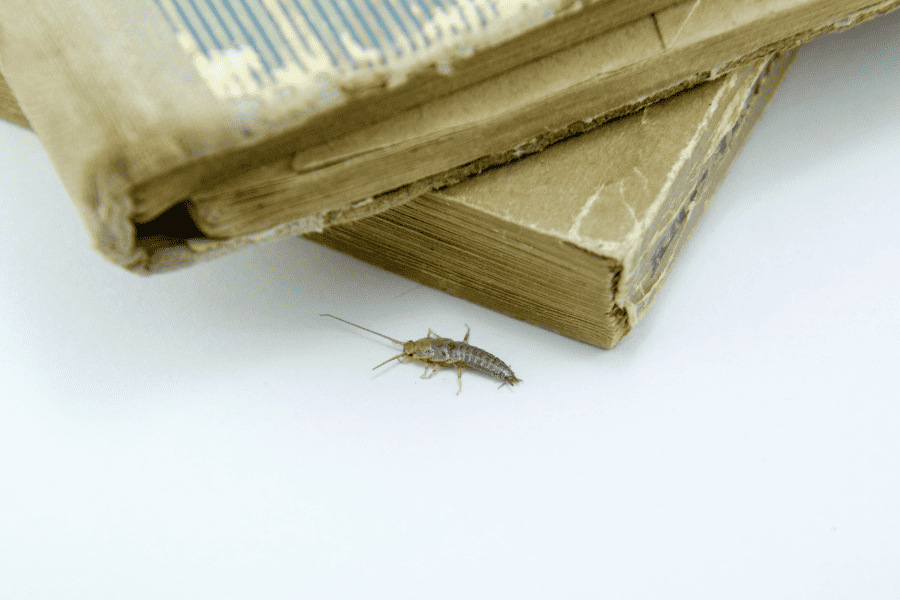
These pests will look to your basements and bathrooms to seek a damp, cold place to live in. While silverfish are harmless to humans, they can invade in numbers, and cause them to be a major nuisance to remove them. These pests will often gain access to your home by hitching a ride through the items you’ve taken out of storage in your garage or attic. Silverfish will also feed on your books, glue, wallpaper, and boxes.
Preventing Winter Pests in Florida
It might seem impossible to deter wildlife creatures from your home during the winter but by placing certain preventative measures throughout your property, you can avoid their infestation! Check out these winter pest control tips when you want to keep these pests away:
- Inspect the exterior of your home for any cracks, gaps, and holes, seal them as soon as possible.
- Avoid leaving your pet food and water out overnight.
- Fix any leaky faucets or pipes found as soon as possible.
- Take your garbage out on a regular basis and utilize a trashcan with a tightly secure lid.
- Declutter your home by removing old newspapers, mail, and cardboard laying around your home.
- If you’re using mulch in your landscaping, place it at least 1 foot from your foundation.
- Consider reaching out to your local pest control company to get a customized plan to prevent pests from invading your home.
Dec 27, 2023 | Bed Bug
Understanding what bed bugs are and how they can find their way into your home is the first step in preventing their unwelcome presence. Let’s go over how to properly identify bed bugs and the many ways they can make their way into your home.
What are Bed Bugs?
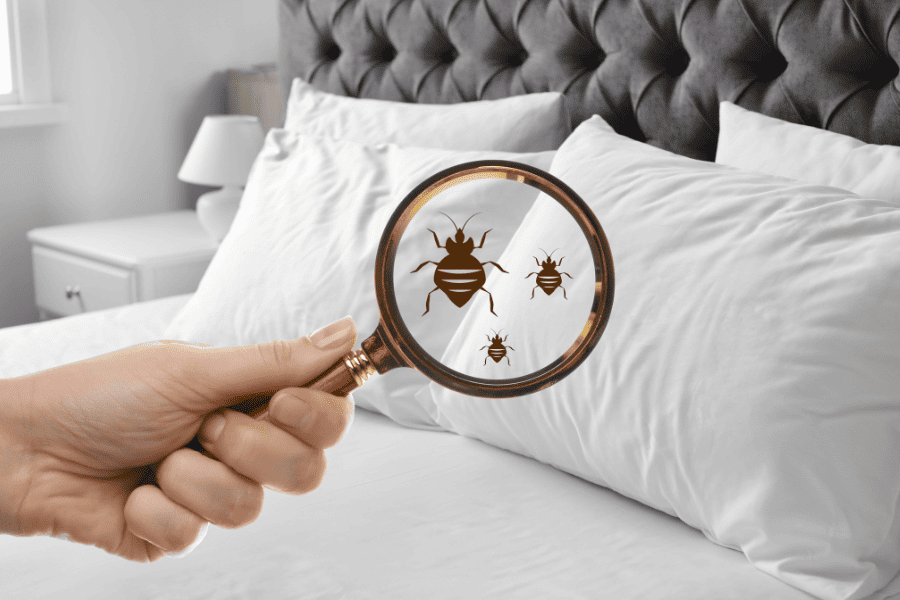
Bed bugs are small, parasitic insects that primarily feed on the blood of humans and animals. The reddish-brown, oval-shaped creatures are about the size and apple seed when fully grown. Bed bugs are expert hiders, which makes identifying bed bugs challenging until an infestation is underway.
How Do Bed Bugs Enter Your Home?
- Traveling: Bed bugs can easily latch on to clothing, luggage, or personal items, and travel with you from place to place. Infested hotel rooms, motels, public transportation, or even the homes of friends and family can be potential sources of bed bug exposure.
- Secondhand Items: Bringing in used furniture or clothing that has been infested with bed bugs is another common entry point. Items like used clothing, mattresses, sofas, or upholstered chairs can provide the perfect hiding spots for bed bugs.
- Visitors: Unfortunately, your visitors could be unknowingly carrying these pests with them, especially if they have been dealing with an infestation themselves.
How to Prevent Bed Bugs
Preventing a bed bug infestation begins with awareness. Here are some steps you can take:
- Inspect secondhand items thoroughly before bringing them into your home
- When traveling, inspect hotel rooms for signs of bed bugs and keep luggage off the floor and away from walls
- Regularly wash and dry your bedding, curtains, and clothing at high temperatures to eliminate potential bed bugs
- Use mattress and box spring encasements to reduce hiding spots for bed bugs
- Learn the signs of a bed bug infestation
Understanding how to identify bed bugs and how they can enter your home is the first step to keeping these pests away. If you suspect you have bed bugs, reach out to your local pest control company for an inspection and plan of action!
Dec 26, 2023 | Florida Pest Control
South Florida’s warm and humid climate makes it an ideal place to live—but not just for people. Unfortunately, it also provides the perfect environment for a variety of pests to thrive. From termites and ants to mosquitoes and rodents, these unwanted invaders can quickly turn your home into their own. That’s why routine South Florida pest control is essential for homeowners who want to maintain a safe, comfortable, and pest-free environment.
The Importance of South Florida Pest Control
Common Pests Found in South Florida
Homeowners in South Florida face a unique set of pest challenges due to the region’s subtropical climate. Some of the most common pests in South Florida include:
- Termites – These silent destroyers can cause extensive structural damage before homeowners even realize they have an infestation.
- Ants – Fire ants, carpenter ants, and ghost ants are all common in South Florida, each bringing different risks to homes and yards.
- Mosquitoes – With the ability to transmit diseases such as Zika and West Nile virus, mosquitoes are more than just a nuisance.
- Rodents – Rats and mice seek shelter in homes, causing damage to insulation, wiring, and even spreading diseases.
- Cockroaches – Known for their resilience, cockroaches can contaminate food, trigger allergies, and multiply rapidly.
- Spiders – While most are harmless, some species, like the brown recluse and black widow, pose health risks.
Why Routine Pest Control Services Matter
1. Early Detection Prevents Major Infestations
One of the primary benefits of routine pest control services is early detection. Many pests, like termites and rodents, can go unnoticed for months while causing significant damage. Regular inspections and treatments help catch problems before they escalate into costly infestations.
2. Protects Your Home from Costly Repairs
Termites alone cause billions of dollars in property damage each year in the United States. Without pest management, infestations can weaken the foundation of your home, destroy insulation, and compromise the structural integrity of your property. Investing in routine Florida pest control services ensures that your home stays protected against these destructive invaders.
3. Reduces Health Risks for Your Family
Many household pests carry bacteria, viruses, and allergens that can pose serious health risks. Cockroaches, for example, can trigger asthma and allergy symptoms, while rodents spread diseases such as hantavirus and salmonella. Pest control services eliminate these threats, keeping your family safe and healthy.
4. Improves Your Quality of Life
Living in a home infested with pests can be stressful and uncomfortable. Constantly dealing with mosquitoes biting you in your yard or seeing cockroaches in your kitchen can impact your daily routine. A proactive approach to local pest control helps you maintain a clean and comfortable living space.
5. Prevents Seasonal Pest Problems
Different pests are more active during specific times of the year. Regular South Florida pest control services can help keep seasonal invaders at bay, ensuring that your home remains pest-free year-round.
Choosing the Right Pest Control Company
Not all pest control companies are created equal. When selecting a provider, look for a local pest control company that:
- Has experience dealing with South Florida’s unique pest challenges.
- Offers customized treatment plans to meet your specific needs.
- Uses eco-friendly and safe pest control methods.
- Provides preventative solutions in addition to extermination services.
- Has positive reviews and a strong reputation in the community.
Keep Your Home Pest-Free with Professional Pest Control Services
Routine pest control services are the best way to protect your home from unwanted invaders. Whether you’re dealing with an existing infestation or want to prevent future problems, professional pest management ensures that your home stays safe and comfortable.
Don’t wait until pests take over your home—act now! Contact us today for expert South Florida pest control services.
Call us now at [Your Phone Number] or fill out our online form [Insert Website Link] to schedule your free inspection.