Jan 19, 2024 | Wildlife
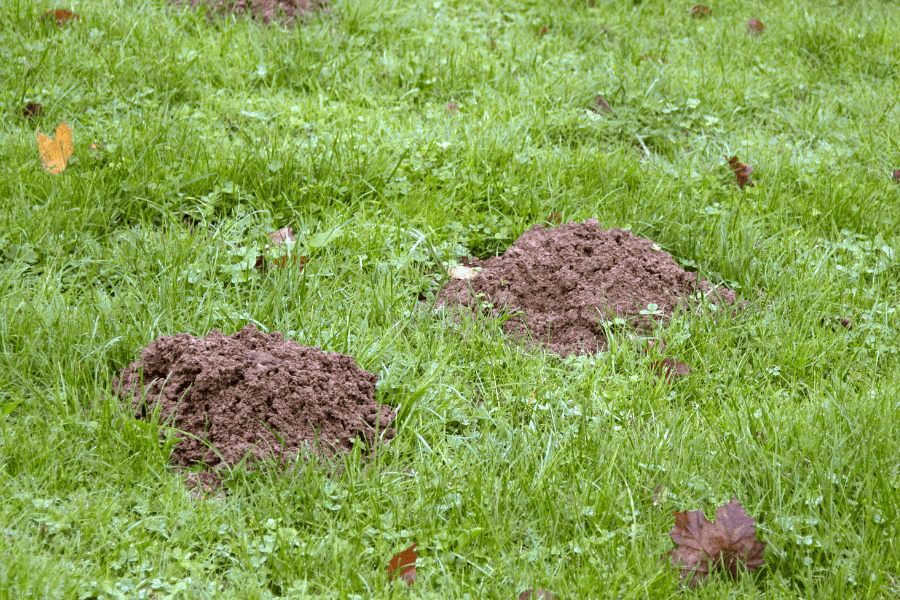
A perfectly manicured yard can be destroyed by moles in an instant! These creatures dig tunnels in search of lawn pests in your yard, including grubs, earthworms, and other bugs. Once moles invade, it can be difficult to control and remove them from your property as they can go undetected for long periods of time. One of the best ways to understand mole prevention is understanding the signs of their activity in the first place. We break down common mole signs and the preventative measures to place at your home to avoid their destruction.
Common Mole Signs
There’s no one sign that can pinpoint moles in your yard but there’s several to lookout for if you suspect you’ve got a mole infestation, including:
- Molehills
- Yellow or damaged grass
- Tunnels and runaways
- Overturned soil
- Small craters
- A spongy ground when you walk on it
If you’ve noticed any or all of these signs on your property, it’s likely that you have a mole in your yard.
Preventing Moles
There are several methods you can utilize to avoid mole activity. Consider the following mole control tips and tricks:
- Moles feed on grubs and insects so it’s important to eliminate these lawn pests to not only help reduce mole activity but also keep a healthy lawn.
- Use nontoxic mole repellent in your yard by mixing three parts castor oil, one part dish soap, and water. Castor oil will upset mole’s digestion and encourage them to find a food source somewhere else.
- Owls are one of the biggest mole predators. Consider installing an owl nesting box on your property in the late winter or early spring when owls begin looking to nest. Owls will help control both the mole and small rodent population on your property.
- To keep moles out of a specific area, such as a garden bed, create a trench around the perimeter. Dig this trench about three feet deep and fill it with rocks or wire mesh to extend to the bottom of it.
Since moles live underground, it can be difficult to prevent and control them. The best treatment for moles is target elimination through baiting, which is best done by a professional wildlife control company. These expert professionals will be able to track the mole, strategically place traps, utilize effective baits, treat the mole tunnels to avoid another mole infestation, and monitor the tunnels to ensure all moles have been removed. If you suspect moles in your yard, call your local wildlife control company for a free evaluation.

Jan 18, 2024 | Good Deed Team
In the spirit of the holiday season, our LaGrange team recently had the incredible opportunity to make a meaningful impact in the lives of a local family facing tough times. It all began when one of our service professionals, Chad Pannell, was approached by a pest control customer seeking help with a rodent issue affecting a particular family.
As the details unfolded, we discovered that this was a single mother navigating life with six children. Our team decided to step in and bring some holiday cheer to this family. They were able to contact the mom to gather wish lists for each child and herself.
Each member of our team contributed to creating a Christmas filled with warmth and joy for this family. From clothes to toys, they pooled their resources to ensure that every child, spanning ages 6 to 15, had a special gift to unwrap on Christmas morning. Our efforts extended beyond the little ones, allowing us to provide thoughtful items for the deserving mother as well.
The gifts were delivered just in time for Christmas, bringing smiles and a sense of relief to this family facing challenges. The LaGrange Northwest Team has a history of supporting families in need, whether through word of mouth or participating in programs like the angel tree. We’re grateful for teammates who continuously put Customers First. We can’t wait to see what they’re able to accomplish this year!
Jan 18, 2024 | Good Deed Team
Northwest Exterminating continued its long-term partnership with Toys for Tots for another holiday season, celebrating its 15th year of being a drop off site for toy collection. It’s an incredible milestone for our team, as the Toys for Tots mission and initiatives are something all of Northwest looks forward to supporting each year!
Since 2008, our teams across the southeast have come together to bring holiday cheer to underprivileged children in the Metro Atlanta area. Our teams look forward to the opportunity to fill many boxes with toys and other gifts every year. Being able to make a difference is what fuels our extraordinary relationship with Atlanta Toy for Tots and our team enjoys being able to greet a Marine at the door every December.
The Atlanta Toys for Tots goal is “to help bring joy of Christmas and send a message of hope to America’s less fortunate children.” This is part of why our Northwest team enjoys partnering with them every year because our goal is to provide simple, meaningful opportunities for our teammates to create a positive impact in the communities we serve.
We know the holiday season can be tough on many people and having the opportunity to give back and support an organization that does so much for those around them is something our team is truly grateful for. We look forward to hearing how many children were able to be impacted with this year’s positivity and to continuing our partnership with Toys for Tots in the upcoming years.
Jan 17, 2024 | Florida Pest Control
It’s always alarming spotting a roach in your home. These pests are highly adaptable and seek out human environments for a food and water source. Once they’ve infested your home, it can be difficult to control and eliminate them as they reproduce rapidly! The first step in preventing roaches is understanding the signs of cockroaches and the factors that could attract them into your Florida home.
Common Signs You Have Cockroaches
- Smear Marks: Roaches seek out areas with moisture, where they will produce dark, irregularly shaped spear marks as they rest or crawl along walls. You can find these smears where the wall and floor meet.
- Droppings or Egg Casings: Depending on the roach species, droppings will vary but you can often find them near floor corners, cabinets, under the fridge, and under the stove.
- Musky Odor: If there’s a large number of roaches that have infested a home, a strong musky odor may be present in your home. This smell can indicate live or dead roaches.
- Allergies: Roaches contain proteins known to trigger allergy symptoms, including a stuffy nose, wheezing red itching eyes, chest tightness, shortness of breath, and an increased use of inhalers.
- Live Roaches: An obvious sign that roaches have infested your home is actually seeing them present on your property. If you’re seeing them during the day, overcrowding from an infestation could force them out into open areas.
Common Roach Prevention for South Florida Homes
The best way to avoid roaches from entering your Sanibel property is placing preventative measures throughout! Check out our tips on preventing cockroaches:
- Seal gaps and openings including in walls, around electrical sockets, around doors and windows, and along your foundation with silicone-based caulk or steel wool.
- Keep counters, sinks, floors, and tables clean of drink spills and food crumbs.
- Vacuum on a frequent basis; we recommend at least once a week!
- Don’t leave pet food outside overnight, instead bring it indoors and store your pet food in a plastic container with a tight lid.
- Consider enclosing your crawlspace to help reduce moisture and prevent household pests like roaches, mice, termites, and more.
If you’ve noticed the above signs of cockroaches, it’s best to call your local Florida pest control provider. These professionals will identify the type of roach, any entry points, and the best treatment and ongoing prevention for your home.
Jan 12, 2024 | Termite Control
Termites can be a silent threat to the structural integrity of your home, and in Georgia, where the climate is conducive to termite activity, it’s essential to be proactive in termite control. In this blog post, we’ll explore how often you should treat for termites, common types of termites found in Georgia, signs of termite damage, the importance of annual inspections, preventive measures, and what to do if termites invade your home.
Types of Termites in Georgia
Georgia is home to several termite species, with the most common being subterranean termites, drywood termites, and Formosan termites. Each species poses unique challenges, making it crucial to understand their behavior for effective termite control.
Identifying Signs of Termite Damage
Recognizing termite damage early is key to minimizing the impact on your home. Look out for hollow-sounding wood, mud tubes on exterior walls, discarded wings near windows and doors, and visible damage to wooden structures. If you notice any of these signs, it’s time to take action.
The Importance of Annual Termite Inspections
To stay ahead of potential termite infestations, annual inspections are a must. Professional termite control companies in Georgia offer thorough inspections to detect early signs of termite activity, providing peace of mind and safeguarding your investment.
Preventing Termite Infestations
Prevention is the first line of defense against termites. Keep woodpiles away from your home, ensure proper drainage to prevent water accumulation near the foundation, and seal any cracks or crevices in your home’s exterior. Additionally, consider opting for pressure-treated wood in construction projects.
What to Do If You Find Termites
Discovering termites in your home can be alarming, but swift action is crucial. Contact a reputable termite control company immediately. Professional pest control experts will assess the extent of the infestation, recommend a tailored treatment plan, and provide guidance on preventing future occurrences.
- Request a Free Termite Control Quote: Don’t wait until termites become a problem. Request a free quote from our experienced termite control team to safeguard your home.
- Schedule Your Annual Termite Inspection: Ensure your home is termite-free with our comprehensive annual inspections. Schedule your inspection today for peace of mind tomorrow.
Protecting your home from termites requires a proactive approach. By understanding the types of termites, recognizing signs of damage, prioritizing annual inspections, implementing preventive measures, and seeking professional help when needed, you can ensure a termite-free living space. Take the first step in termite control – request a free quote and secure the longevity of your home.