Dec 22, 2023 | Pest Control

Dec 21, 2023 | Florida Pest Control
Florida has a unique climate compared to the rest of the southeast, especially in the winter months. Due to the humidity and active pests this time of year, effectively storing your holiday decorations to prevent a pest infestation can require a bit more strategy. Let’s go over the best ways to store holiday decorations pest-free, year-round!
Moisture-Resistant Containers
Opting for moisture-resistant plastic containers with tight sealing lids makes it easier to create a protective barrier against the damp Florida air. This not only guards your decorations against moisture-related damage, but also helps to deter pests attracted to humid environments.
No More Cardboard
Cardboard is susceptible to moisture damage and is an attractant for certain pests. The material is easy to chew through for cockroaches and silverfish, making it a not-so-great option for storing items year-round. Utilizing plastic storage containers is a great way to discourage pests from taking over your décor.
Throw Away Edible Décor
Items like gingerbread houses or even candy canes should be discarded after the holiday season ends. It’s better to remake or repurchase the food-based decorations yearly.
Use Shelving Units
If you are storing boxes in your basement or garage, utilize a shelving unit to place boxes on. When boxes are stacked on the ground or piled up, they can become ideal hiding spots for pests or rodents. Using shelves will keep these boxes off the ground, limiting the chance for them to become an unwanted pest’s home.
Use these tips to store holiday decorations and preserve the holiday spirit in your Florida home! If you notice more pests than normal in your storage space, contact your local pest control company for a customized pest plan and enjoy a pest-free holiday!
Dec 20, 2023 | Florida Termite Control
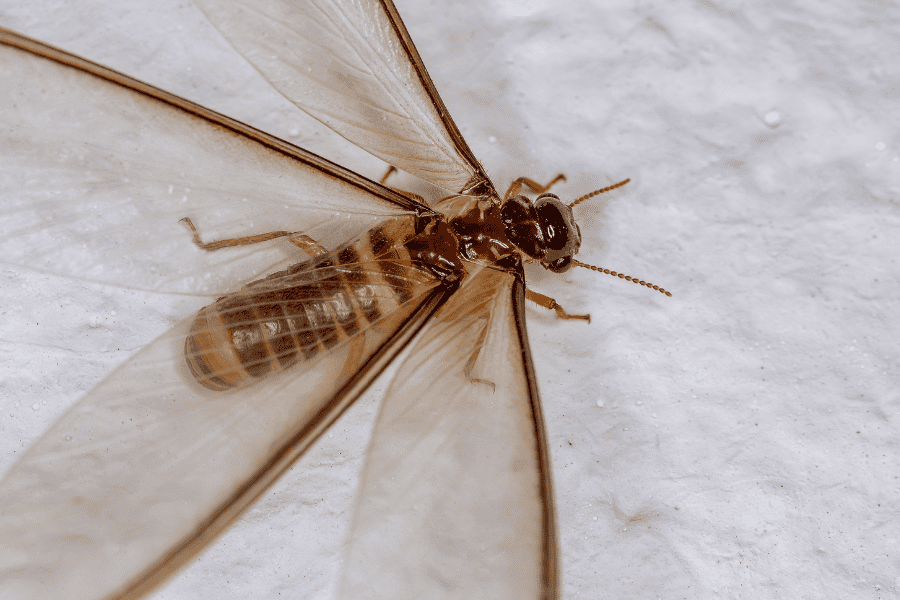
Dealing with a drywood termite infestation is less than ideal since these pests can cause significant structural damage to your Florida home. So how can you prevent termites from invading? It’s important to understand the characteristics of drywood termites, signs of their activity, and the preventative measures to place throughout your home, we break down all these below.
What to Know About Drywood Termites
Drywood termites have an oval-shaped waist, short legs, and a cream-white to light brown colored body. The size of these termites depends on their age, but usually range from ¼ inch to 1 inch long. Unlike their counterpart, the subterranean termite, drywood termites do not need soil to live. Instead, they excavate wood, living and nesting within wooden structures or dry wood, such as attic framings.
Signs of Termites
Since these termites live in the excavated wood, it can be difficult to spot and identify them. However, there are still termite signs you can look out for. Swarms of termites or discarded wings near windowsills or doors is an early indication that a colony has been established at your home. Likewise, spotting their droppings, or frass, is a telltale sign of a termite infestation. These droppings look like small mounds of tiny pellets.
Preventing Termites
Consider implementing these do-it-yourself termite control measures throughout your property to avoid a termite infestation:
- Keep lumber, wood, and mulch away from your foundation.
- Trim all shrubs, bushes, or other dense greenery so it doesn’t touch the side of your home.
- If you have old trees, lumber, or tree stumps, consider removing them.
- If you are utilizing firewood, store it at least 20 feet away from your home and elevated off the ground.
- Before bringing antique furniture or wooden furniture inside your home, make sure to thoroughly inspect it first.
- Inspect your home’s exterior for any openings leading inside and repair them as soon as possible.
- Keep your attic and crawlspace well-ventilated to help reduce moisture and other household pests.
If you’ve noticed drywood termites on your property or would like to get ahead of your termite prevention, contact your local Florida termite control company for more information. These professionals will provide you with a free inspection, a treatment plan based on your home’s needs, and recommendations on preventing termites in the future.
Dec 15, 2023 | Pest Control
The holiday season in Georgia brings joy, warmth, and festive cheer. However, it also marks the arrival of unwanted guests – holiday pests that can disrupt your celebrations. As temperatures drop, pests seek refuge indoors, making pest-proofing your home a crucial step in ensuring a pest-free holiday season. In this guide, we’ll explore common winter and holiday pests, along with effective tips for holiday pest proofing and elimination.
Common Holiday Pests in Georgia
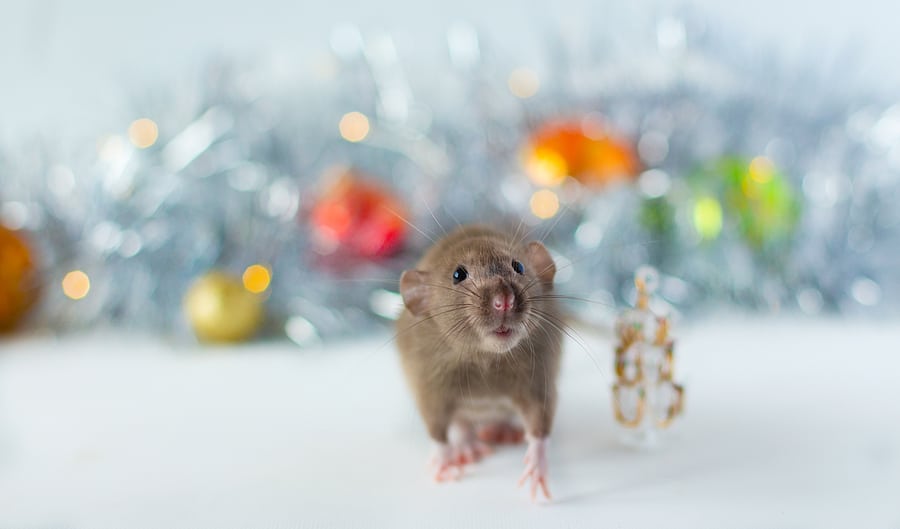
- Rodents: Mice and rats are notorious for seeking shelter in warm, cozy homes during colder months. They can squeeze through tiny openings and cause havoc in your pantry.
- Cockroaches: Cockroaches are resilient and can survive harsh conditions. They are attracted to warmth and food, making your home an ideal destination during the holidays.
- Spiders: While most spiders are harmless, some can pose a threat. They often enter homes in search of prey and shelter.
- Ants: Even in winter, ants can be a nuisance. They may venture inside seeking water, warmth, or food sources.
Pest Prevention for a Joyful Holiday Season
- Seal Entry Points: Inspect your home for any cracks, gaps, or openings. Use weather stripping and sealant to close gaps around windows, doors, and foundations. Pay special attention to areas where pipes and wires enter your home.
- Proper Food Storage: Keep food items in airtight containers to deter rodents and insects. Clean up crumbs and spills promptly, and store garbage in tightly sealed bins.
- Outdoor Maintenance: Trim trees and shrubs away from your home to eliminate pest highways. Regularly clean gutters and remove debris to prevent pest harborage.
- Inspection and Monitoring: Regularly inspect attics, basements, and crawl spaces for signs of pests. Set up traps and monitor them to catch any intruders early. Inspect decorations and other holiday items before bringing them indoors.
- Professional Pest Control: Consider hiring a professional pest control service for a thorough inspection and treatment. Professionals can identify potential problem areas and implement effective pest prevention strategies.
Eliminating Holiday Pests with Expert Pest Control
If you find yourself facing an infestation despite your best efforts, it’s crucial to act promptly. Our expert pest control services are tailored to address the unique challenges posed by holiday pests. We utilize advanced techniques and environmentally friendly treatments to ensure a safe and pest-free home.
Don’t let holiday pests dampen your festive spirit. Take proactive steps for holiday pest proofing and enjoy the season without unwanted visitors. Contact your local pest control company today for a free pest control quote, and let our experienced team safeguard your home for a joyful and pest-free holiday season.
Wishing you a happy and pest-free holiday season!
Dec 13, 2023 | Bed Bug
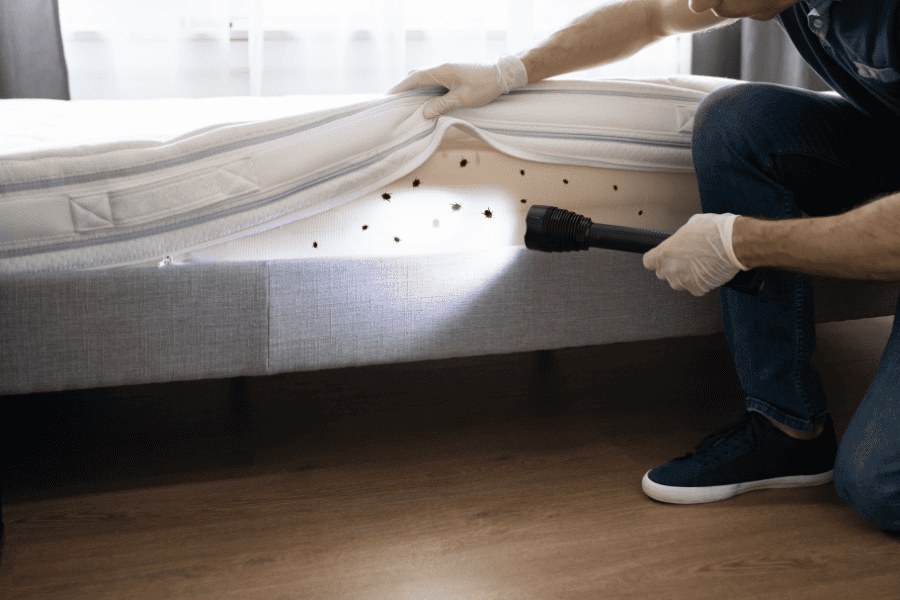
Bed bugs are the unwelcome guests that can ruin your sleep and take over your home. These tiny, apple seed shaped insects can easily infest your home without warning by hitchhiking via your luggage or other personal belongings. To help you prevent bed bugs, let’s go over the common signs of bed bugs and how to effectively manage them as pests.
Common Signs of Bed Bugs
- Unexplained Bites: One of the most common signs of a bed bug infestation is waking up with itchy, red welts on your skin. These bites often appear in clusters and are usually found on exposed areas such as arms, legs, neck, and face. Not everyone reacts the same way to bed bug bites, so an absence of bites doesn’t always mean an absence of bed bugs.
- Bloodstains on Bedding: As bed bugs feed on your blood, they can leave behind reddish-brown stains on your sheets and pillowcases. This is typically a result of crushed bed bugs or blood-filled fecal matter.
- Musty Odor: Bed bugs release a distinctive, sweet, and musty odor that can be unpleasant to most. If you notice this scent in your bedroom or other areas of your home, it can be a clear sign of infestation.
- Live Bed Bugs: The most obvious of the signs for having bed bugs is finding live bugs. Adult bed bugs are the size of an apple seed, reddish-brown, and oval shaped. Nymphs are smaller and lighter in color.
Effective Strategies to Rid Your Home of Bed Bugs
- Maintenance: The first step in managing a bed bug infestation is to declutter and thoroughly clean the affected areas. Vacuum your mattress, box spring, and any nearby furniture with a brush attachment to dislodge any bed bugs or eggs. Be sure to discard all vacuum debris outside of your home!
- Isolation: Once you discover the area that is affected, isolate whatever piece of furniture or room to prevent further infestation.
- Professional Pest Control: While some DIY methods can be beneficial, bed bugs are notorious for being a challenging pest to rid your home from. Bed bug control professionals can pinpoint the affected area and get your home back to a pest-free environment! Call your local pest control company for a free quote!