Nov 30, 2023 | Florida Pest Control
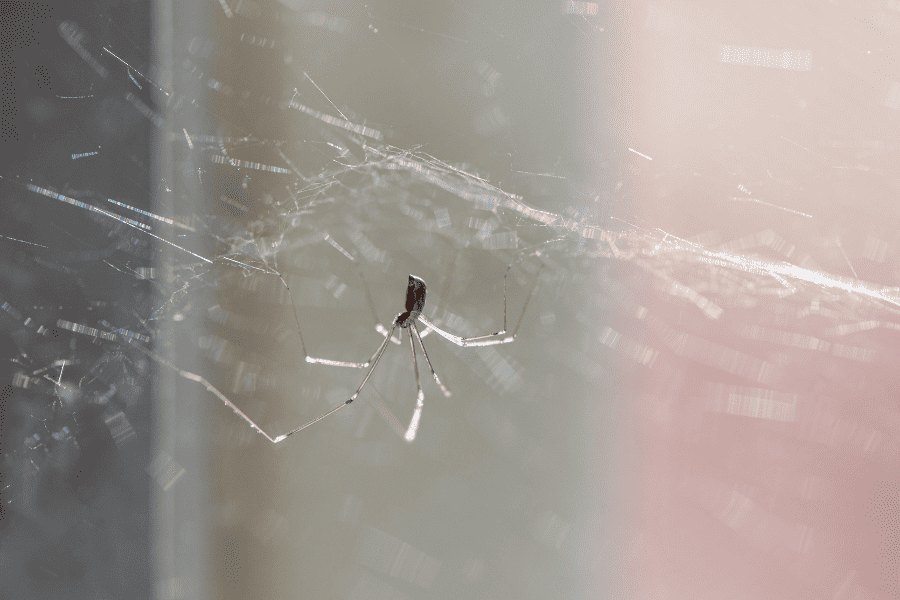
If you’ve noticed an increase of spiders inside your Florida home, it can be quite alarming for most homeowners! While most spiders are not dangerous to humans and are considered a benefit to our environment, it doesn’t mean you want them inside your house. With several species found in Florida, including daddy long legs, southern house spider, black widows, and more, it’s inevitable to come across one, but it’s easy to prevent, reduce, or eliminate their presence around your home. Check out the reasons why spiders are entering your home and easy spider prevention tips to avoid them in the future.
Why Do Spiders Enter Homes?
Spiders enter homes to search for food and find a habitat to continue looking for prey to feed on. Spiders eat insects, so if you’ve found webs around your home, it’s likely that those spiders found their food source. Inspect the inside and outside of your home for spider signs, these include spider webs, egg sacs, insects they feed on, or the spiders themselves.
How Can I Stop Spiders from Invading My Home?
There are several ways you can help reduce spider activity on your property. Spiders are looking for food, so it’s important to reduce the amount available to them by removing other household pests from your property. You can reduce the insects on your property by:
- Keeping your outside garbage cans covered and sealed with a tight lid
- Keep your exterior lights off at night or replace your white lights with yellow lights
- Address any moisture problems throughout your home, including clogged gutters, leaky pipes, crawlspace issues.
- Some insects like certain vegetation, such as weeds, look to reduce some around your home.
Not only is it important to reduce the insect population to avoid spiders, but it is equally important to deter them from even entering your home. Consider these spider prevention tips to avoid them from invading indoors:
- Seal any holes or openings found in your windows, doors, and foundation.
- Repair torn screens, broken windowpanes, and damaged seals.
- Spiders can slip under doors, consider installing weatherstripping to close that gap.
- Spiders like to hide in clutter, so remove unnecessary items in your yard such as old tires, rock piles, old lumber, and even old vehicles.
- Keep a tidy home and remove old newspapers or magazines.
If you’ve noticed more spider activity than you’re used to, consider calling your local Florida pest control company for help. These professionals will provide you with a thorough inspection and recurring pest control plan to help avoid spiders and other household pests in the future.

Nov 30, 2023 | Termite Control
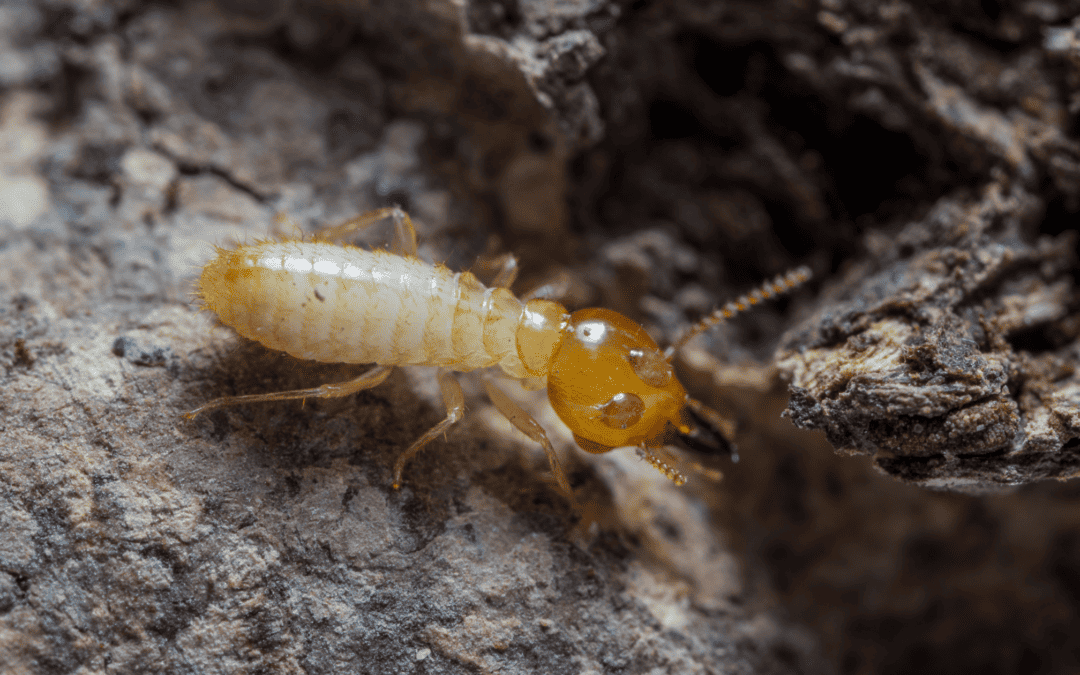
Winter in Georgia may bring chilly temperatures, but for homeowners, it’s no time to let their guard down, especially when it comes to termite control. Contrary to popular belief, termites can remain active during the colder months, making it crucial to stay vigilant year-round. In this blog post, we’ll explore the types of termites found in Georgia, the concept of a termite season, signs of a termite infestation, and essential tips for prevention.
Types of Termites in Georgia
Georgia is home to several termite species, with the most common being Eastern Subterranean Termites, Formosan Subterranean Termites, and Drywood Termites. Each type poses its own set of challenges for homeowners, making termite control a necessity.
Is There a Termite Season in Georgia?
While many associate termite activity with warmer months, Georgia’s mild climate means that termites can remain active throughout the year. There might be a slight slowdown in winter, but it’s a mistake to assume that termites take a complete hiatus. In fact, their activity might even go unnoticed, making it crucial for homeowners to be proactive in their termite control efforts.
Signs of Termites in Your Home
Detecting termite activity early is key to preventing extensive damage. Keep an eye out for the following signs:
- Mud Tubes: Subterranean termites build mud tubes to travel between their nest and food source. Check for these on your foundation or in crawl spaces.
- Swarmers: Reproductive termites, or swarmers, may emerge in large numbers during the spring. However, some species, like the Formosan termites, can swarm in the winter.
- Wood Damage: Look for hollow-sounding or damaged wood, as termites consume wood from the inside out.
- Discarded Wings: After swarming, termites shed their wings. Piles of discarded wings near windows or light sources can indicate an infestation.
Termite Prevention Tips
Prevention is the best defense against termites. Here are some tips to protect your home:
- Moisture Control: Termites are attracted to moisture. Ensure proper ventilation and address any leaks promptly.
- Regular Inspections: Schedule regular termite inspections to catch any infestation in its early stages.
- Wood-to-Ground Contact: Avoid direct wood-to-soil contact in and around your home.
- Remove Wooden Debris: Clear away dead trees, stumps, and other wooden debris from your property.
- Professional Treatment: Enlist the help of a professional pest control company for regular termite control treatments.
Don’t wait until it’s too late. Safeguard your home from termite damage by requesting a free termite control quote from our experienced team. Our experts are ready to assess your property, identify potential risks, and implement effective termite control measures tailored to your needs.
In conclusion, termites in Georgia don’t take a winter vacation. Stay informed, remain vigilant, and take proactive steps to protect your home from these silent invaders. Contact a professional pest control company today for a comprehensive termite control solution and ensure your home stays termite-free year-round.
Nov 24, 2023 | Wildlife
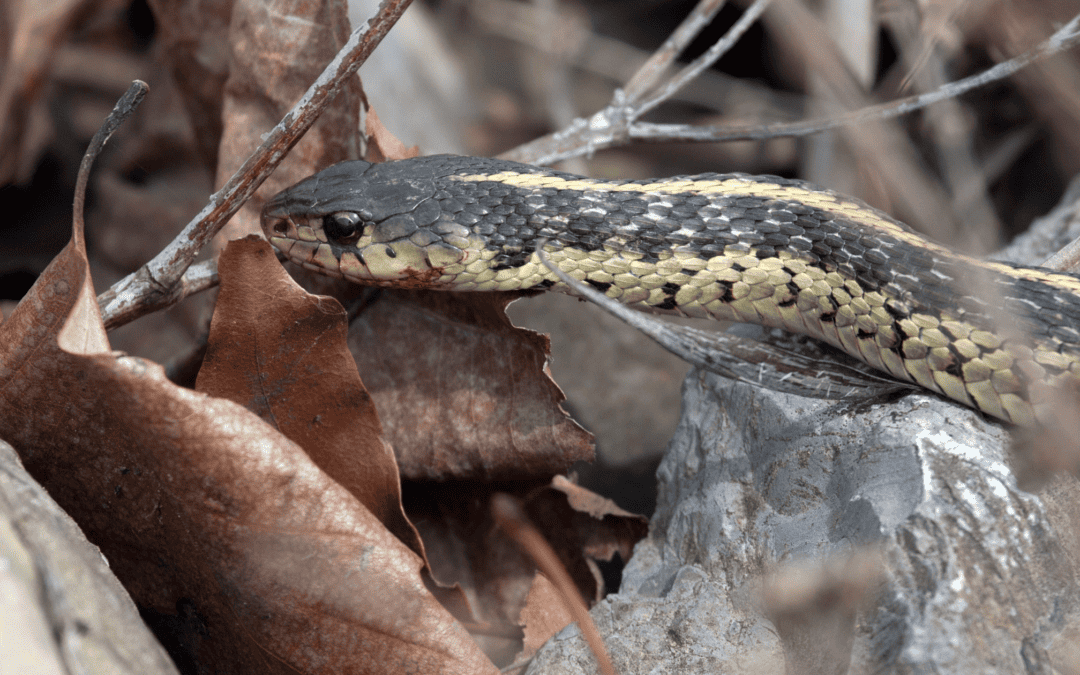
Georgia, with its diverse wildlife, is home to a variety of snake species. As temperatures begin to drop, many people wonder if snakes, like other animals, hibernate during the winter months. In this blog post, we’ll explore the intriguing world of snake hibernation, the differences between hibernation and brumation, and provide valuable tips for effective snake control in your Georgia home.
Do Snakes Hibernate?
Contrary to popular belief, snakes don’t undergo true hibernation. Instead, they enter a state called brumation. While hibernation involves a deep sleep, brumation is more of a slowed-down metabolic state. Snakes become less active, but they are not completely dormant. This adaptation allows them to conserve energy during colder months, making it easier to survive until warmer temperatures return.
Understanding Brumation
Brumation typically occurs when temperatures drop, signaling snakes to find a sheltered spot to wait out the cold season. Unlike mammals in hibernation, snakes may occasionally emerge during milder days to bask in the sun and regulate their body temperature. Understanding this behavior is crucial for effective snake control, especially if you want to keep these slithering creatures away from your property.
Tips for Snake Control in Georgia
- Seal Entry Points: Snakes are excellent at finding small openings to enter homes. Inspect and seal any gaps or cracks in the foundation, walls, and windows to prevent them from slithering in.
- Trim Vegetation: Keep your yard well-maintained by trimming tall grass, bushes, and overgrown vegetation. Snakes seek shelter in these areas, so reducing hiding spots decreases the likelihood of them setting up residence in your yard.
- Remove Attractants: Snakes are attracted to areas with abundant prey. Minimize potential food sources such as rodents by keeping trash sealed, cleaning up fallen fruits, and securing pet food.
- Regular Inspections: Conduct regular inspections of your property, especially in warm seasons when snakes are more active. Early detection can prevent a snake population from establishing itself.
Concerned about snakes on your property? Our expert pest control team in Georgia is here to help! Whether you need snake removal or wildlife management, we offer effective and humane solutions. Request a free pest control quote today to safeguard your home and enjoy a snake-free environment.
Understanding the habits of snakes during colder months is essential for effective snake control in Georgia. By implementing these tips and being proactive, you can reduce the likelihood of encountering snakes on your property. For comprehensive snake removal and pest control services, reach out to an experienced pest control company. Enjoy peace of mind in every season with our reliable wildlife management solutions.
Request your free pest control quote today and keep your home snake-free!
Nov 23, 2023 | Florida Pest Control
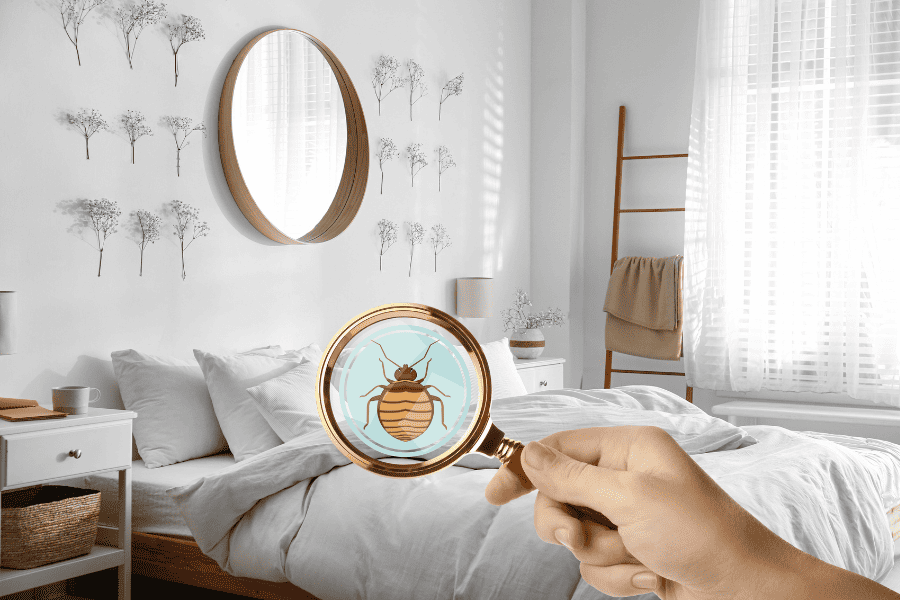
Traveling for the holidays, staying at hotels, and visiting family are all opportunities for bed bugs to hitchhike through your luggage and make their way into your home! These invasive pests will go undetected for long periods, reproducing quickly, and causing a full-blown infestation. One of the best ways to avoid bed bugs inside your home is to prevent them in the first place.
Bed Bug Prevention Tips
Prevent Bed Bugs While Traveling
While packing for your trip, consider utilizing plastic bags to pack your clothes, shoes, and other personal items to help prevent bed bugs that climb into your suitcase. Before booking your hotel room, look up the bed bug registry. Once you get to your hotel room or Airbnb, inspect the room for signs of bed bugs, including small, dark spots, bloodstains, or bed bug skins. Try to avoid placing your luggage on the bed or floor, instead, place it on tile floors, in a closet, even in showers or tubs, and keep it away from the walls and any wooden furniture.
Prevent Bed Bugs at Home
Once you return home from a trip, unpack your items outside instead of inside your home. Look to unpack your clothes and personal items outside, and wash them immediately through a high-heat dryer cycle as bed bugs cannot withstand high temperatures. If you’ve recently purchased secondhand furniture, groceries, or have a delivery, make sure to always inspect them before bringing them inside.
Bed Bug Treatments
If you’ve seen bed bug signs or a live bed bug, it’s important to act fast to eliminate them from your home. There are several do-it-yourself bed bug methods that you can utilize but having a professional provide you with an inspection and a bed bug treatment plan is usually best. These licensed professionals will give your home in in-depth inspection and a customized bed bug control plan, either a chemical or heat treatment, based on your pest situation. If you suspect a bed bug infestation, contact your Florida pest control company for more information.
Nov 17, 2023 | Pest Control
Georgia is home to a variety of fascinating arachnids, including the intricate orb weaver spiders. While these eight-legged creatures play a crucial role in controlling insect populations, encountering them in and around your home can be a cause for concern. In this blog post, we’ll delve into the world of orb weavers, exploring how to identify them, where they commonly reside, and essential tips for prevention and control.
Identifying Orb Weaver Spiders: Nature’s Web Artists
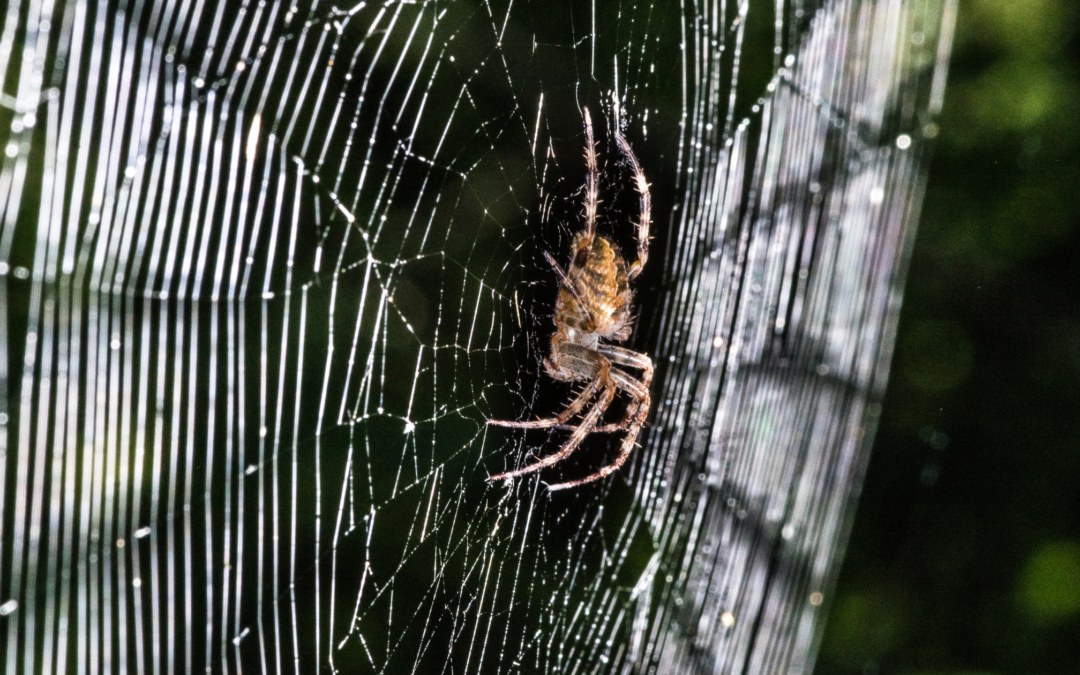
Orb weavers, members of the Araneidae family, are renowned for their distinctive circular webs, meticulously crafted to capture unsuspecting prey. Recognizing these spiders is key to effective pest control. Key features include:
- Web Structure: Orb weavers construct spiral-shaped webs with a hub at the center, creating a classic orb shape.
- Coloration: These spiders come in a range of colors, including brown, black, and vibrant yellows and greens. Some species may have intricate patterns on their abdomens.
- Size: Orb weavers can vary in size, with some species having small bodies, while others can reach sizes of up to an inch or more.
Common Habitats of Orb Weavers in Georgia
Orb weavers are adaptable and can be found in a variety of habitats, both natural and man-made. In Georgia, you may encounter them in:
- Gardens and Yards: These spiders often take residence in gardens, where their webs can capture flying insects like mosquitoes and flies.
- Wooded Areas: Orb weavers thrive in wooded environments, using trees and shrubs to anchor their webs.
- Around Buildings: Structures with outdoor lighting can attract insects, providing a perfect hunting ground for orb weavers.
Prevention and Control Strategies
While orb weavers are generally beneficial, their presence near your home may cause discomfort. Here are some practical tips for prevention and control:
- Regular Cleaning: Keep outdoor spaces tidy by removing debris, such as leaves and tall grass, which can attract insects and subsequently orb weavers.
- Seal Entry Points: Ensure windows and doors are properly sealed to prevent spiders from entering your home.
- Outdoor Lighting: Use yellow-toned outdoor lights, which are less attractive to insects and, by extension, orb weavers.
- Professional Pest Control: If orb weavers become a persistent issue, consider seeking the expertise of a professional pest control service. Trained technicians can assess the situation and implement targeted solutions.
If you find yourself caught in the web of orb weaver spiders, don’t hesitate to take action. Our experienced pest control team is here to help. Request a free pest control quote today to safeguard your home from unwanted arachnid visitors. Let us weave a plan to keep your space pest-free and comfortable.