Oct 20, 2023 | Pest Control
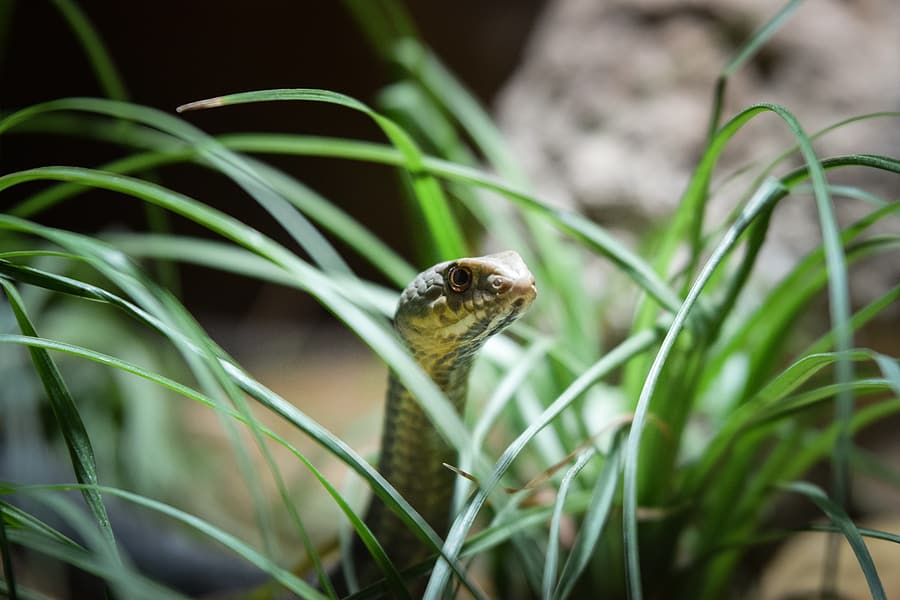
Georgia’s diverse wildlife and lush greenery make it a picturesque place to live, but it also attracts various critters, including snakes. While many snakes in Georgia are non-venomous and beneficial, encountering them in your yard can be unnerving. To ensure your family’s safety and peace of mind, we’ll explore natural ways to keep snakes away using common snake repellent plants, discuss common snakes found in Georgia, and provide tips for prevention and snake removal.
Common Snakes in Georgia
Before we dive into snake-repelling plants, let’s get familiar with some of the common snakes you might encounter in Georgia:
- Eastern Garter Snake: Harmless and small, garter snakes are commonly found throughout Georgia.
- Eastern Rat Snake: A beneficial snake that helps control rodent populations.
- Copperhead Snake: One of the few venomous snakes in Georgia, identifiable by its copper-colored head.
- Eastern Diamondback Rattlesnake: The largest venomous snake in North America, though encounters are rare.
Now, let’s explore some natural methods to keep these serpents at bay.
Video Transcript
Seeing a snake near your home can be unsettling, especially when kids or pets are involved.
The good news, not all snakes are dangerous, and prevention goes a long way. First, know what’s normal in Georgia. Many snakes you’ll see, like garder snakes and rat snakes, are nonvenenomous and actually help control rodents. Still, it’s important to stay alert for venomous species like copperheads or rattlesnakes. Second, use nature to your advantage. Snakes rely on scent. So strong smelling plants like lavender, maragolds, rosemary, lemongrass, onions, and garlic can help make your yard less inviting. Third, remove what attracts them. Keep grass trimmed, clear wood piles and clutter.
Seal gaps around your foundation, and reduce rodents so snakes don’t find food or shelter. When you’re ready to call a professional for a peaceful home, feel free to reach out to our team at Northwest Exterminating.
Repelling Snakes with Plants
- Lavender: Lavender’s fragrant scent is lovely to us but offensive to snakes. Plant it along paths and near entry points to your home.
- Marigolds: The strong odor of marigolds deters not only snakes but also a range of other pests.
- Rosemary: This aromatic herb is an excellent choice for snake repellent. Plant it around your garden or entryways.
- Onion and Garlic: Both onion and garlic plants can help keep snakes away due to their pungent scent.
- Lemongrass: Lemongrass contains citronella, which is a natural snake repellent. Plant it in your garden or keep it in pots around your outdoor areas.
Preventing and Eliminating Snakes
Aside from using snake-repellent plants, here are some additional tips to prevent and eliminate snakes from your yard:
- Keep Your Yard Neat: Trim overgrown grass, remove debris, and eliminate hiding spots like woodpiles and tall shrubs.
- Secure Your Home: Seal any cracks or gaps in your home’s foundation, windows, and doors to prevent snakes from entering.
- Control Rodents: Snakes are attracted to prey like rodents. Implement rodent control measures to reduce the rodent population in your area.
- Regular Inspections: Periodically inspect your yard for snake presence, shed skins, or nests.
- Professional Pest Control: If you’re dealing with a persistent snake problem or have concerns about venomous snakes, don’t hesitate to contact a professional pest control company. Request a free pest control quote from experts in the field.
Conclusion
Living in Georgia’s beautiful landscape also means sharing your space with wildlife, including snakes. By using snake-repelling plants, maintaining your yard, and taking steps to prevent snake encounters, you can enjoy the natural beauty of Georgia while keeping slithery intruders at bay. If you need help with pest control, request a free quote from a trusted pest control company to ensure a snake-free environment for your family.

Oct 20, 2023 | Florida Mosquito Control
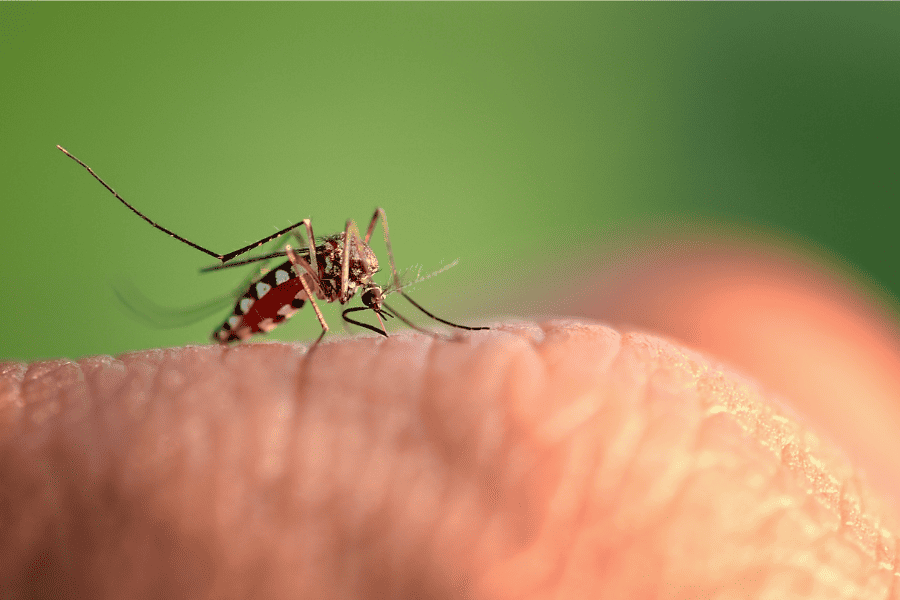
In Florida, it can seem like mosquito activity will never end. With our tropical, humid weather, mosquitoes thrive and invade our yards looking for standing water to breed. Besides being a nuisance, these pests can also pose health hazards to both humans and animals, transmitting diseases like the West Nile virus and the Zika virus. So, when does mosquito season end in South Florida?
Mosquito Season in Florida
The official mosquito season typically runs from around March through September or October. Though, since Florida is in a tropical area, mosquito season tends to be year-round, often starting as early as February and ending as late as November. While it’s not ideal to deal with mosquitoes year-round, there are certain things you can do around your home to prevent these pests from taking over your yard. Check out our do-it-yourself mosquito control steps you can take to help minimize mosquitoes around your property:
- Eliminate Standing Water: Inspect your property and look for items that can hold water and remove them, including buckets, flowerpots, bird feeders, old tires, wheelbarrows, and more.
- Clean Gutters: Clogged gutters will create a perfect breeding ground for mosquitoes, who only need a small amount of water to do so. Make sure your gutters are free of debris and leaves, especially after a rainstorm.
- Fill in Hollow Areas: Low lying areas like ditches can collect water, make sure you fill them in with dirt if you spot them. Likewise, make sure to check for logs and stumps holding water and remove them as they can provide a place for mosquitoes to habitat during the cold weather.
- Seal Gaps: Inspect your foundation for any openings and holes, repairing them as soon as you can with caulk or wool steel depending on the size. Likewise, inspect your door and window screens for openings throughout your home and replace them if needed.
- Tidy Your Yard: Mosquitoes like tall grass, shrubbery, and damp woodpiles, making it important to keep your grass mowed and cut your shrubs back regularly. Likewise, store your wood piles at least 20 feet from your home and elevate it off the ground.
- Plant Mosquito-Repelling Plants: Citronella, lavender, marigolds, rosemary, thyme, and basil are all plants and flowers that can help repel mosquitoes because of the oils they contain, consider planting these in your yard.
- Consider a Pro: Fighting mosquitoes can feel like a never-ending battle when you live in South Florida; consider calling a professional pest control company who can provide a mosquito elimination service and control options to prevent them in the future. These mosquito professionals will inspect your yard, provide source reduction, recommend elimination techniques, and target adult and larvae mosquitoes.
Oct 19, 2023 | Wildlife
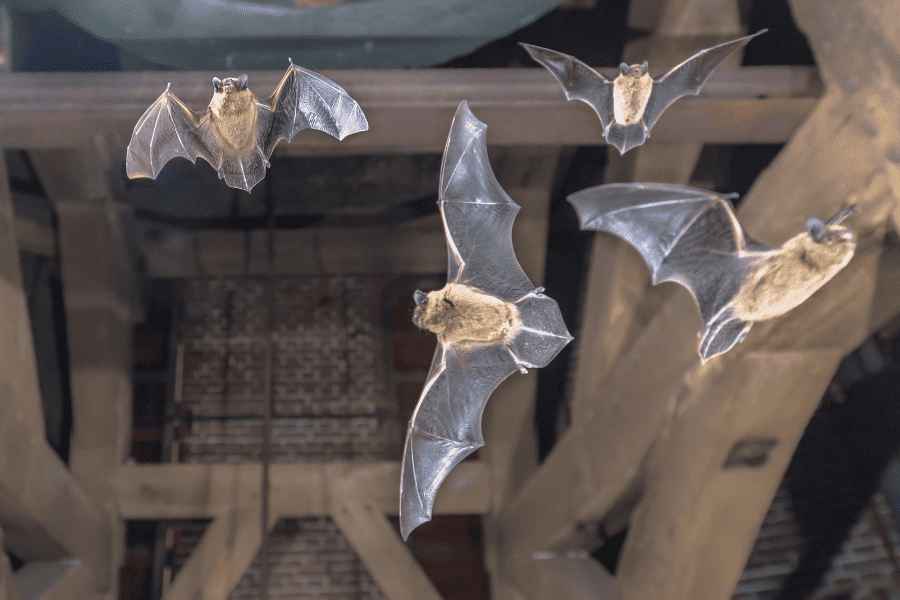
Bats are often misunderstood and feared by many, but they play an essential role in maintaining the balance of Georgia’s ecosystem. Georgia is home to 16 different types of bats, each contributing to the environment in unique and beneficial ways. Let’s go over some common Georgia bats and why they are so beneficial to humans.
Common Bats in Georgia
- Eastern Red Bat: These small, tree roosting bats are often seen in heavily wooded areas. They have rusty-red fur which makes them more recognizable when seen.
- Big Brown Bat: These bats are on the larger size and are known for their robust appearance. They often roost in buildings and feed on insects.
- Little Brown Bat: These bats are common in Georgia and play a vital role in controlling insect populations.
Benefits of Bats in Georgia
- Some species can consume their body weight in insects each night. This helps keep populations of pests low, including mosquitoes.
- Bats are also very beneficial in pollinating certain flowers, including some fruit-bearing species.
- They also help aid in forest regeneration by dispersing seeds. The fruits they feed on contain seeds and then they transport the seeds to various locations.
Conservation Efforts of Bats
While bats offer numerous benefits, they face several threats. This includes habitat loss, disease, and disturbance in roosting sites. Georgia has conservation initiatives aimed at protecting these creatures by protecting their roosting sites, educating the public, and monitoring bat populations for diseases, like white-nose syndrome.
Removing bats is a delicate matter in the state of Georgia and should only be handled by licensed wildlife control professionals. If you suspect you have bats in your home, be sure to give your local wildlife control company a call today!
Oct 17, 2023 | Florida Pest Control
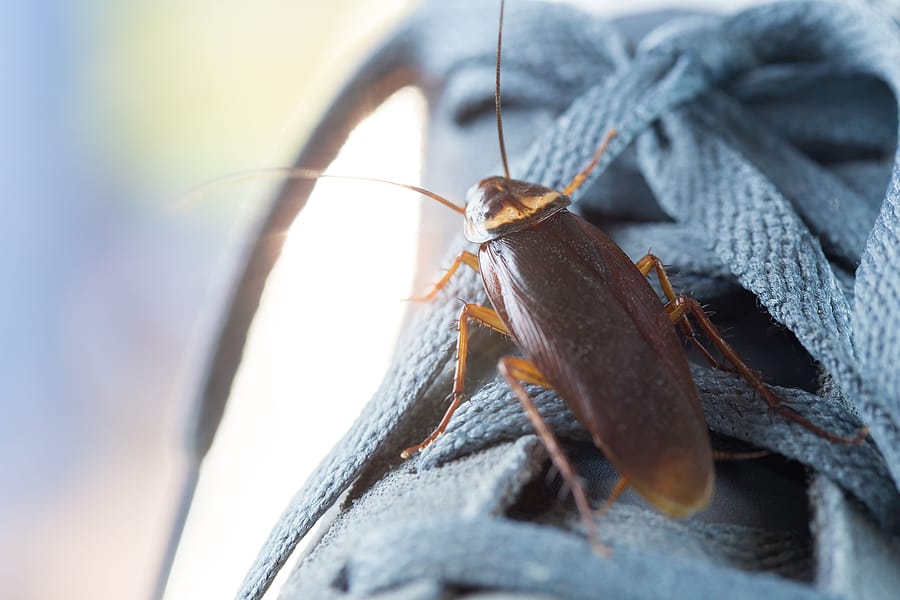
Seeing roaches in your Lauderdale Lakes home?
Roaches are highly adaptable creatures and can find their way inside your home through the tiniest of gaps. Once they begin reproducing is when you start to see the problems that roaches bring. Understanding the factors that attract these pests into your home is the first step to preventing them!
Best ways to prevent roaches in your Lauderdale Lakes home:
Remove Food Sources
Roaches prefer to eat sugar, carbs, and protein but will eat about anything they can find. Regularly clean up any leftover food, spills, or crumbs on tables, countertops, and appliances, especially after cooking or eating a meal. After a grocery trip or storing leftovers, look to place your food in airtight containers. Be sure to also empty your trash at least once a week and clean out the trash container of any spilled liquids or leftover food regularly.
Remove Water Sources
Did you know that roaches can survive without water for 2 weeks? It’s true! Despite this, they still seek out water as much as they can and will enter homes if they’ve found it. It’s important to remove any standing water inside or outside of your home. Look to remove water near drains and sinks, particularly overnight. Your crawlspace and basement can create excess moisture; consider utilizing a dehumidifier or installing a moisture barrier or crawlspace enclosure to help.
Remove Shelter
Roaches love clutter, making it essential to remove any unnecessary items from your home, garage, and attic. Get rid of any old cardboard boxes, newspapers, and magazines. Check your interior walls, skirting, electrical outlets, baseboards, sinks, and cabinets for any gaps or openings, sealing them as soon as possible. Make sure your windows and doors are sealed and consider utilizing weatherstripping. Likewise, ensure all your exterior lighting turns off at night as it can attract rodents and household pests.
If you notice more roaches than normal in your Lauderdale Lakes home, be sure to give your local pest control company a call today for a free inspection and a customized pest plan to help prevent cockroaches!
Oct 12, 2023 | Bed Bug
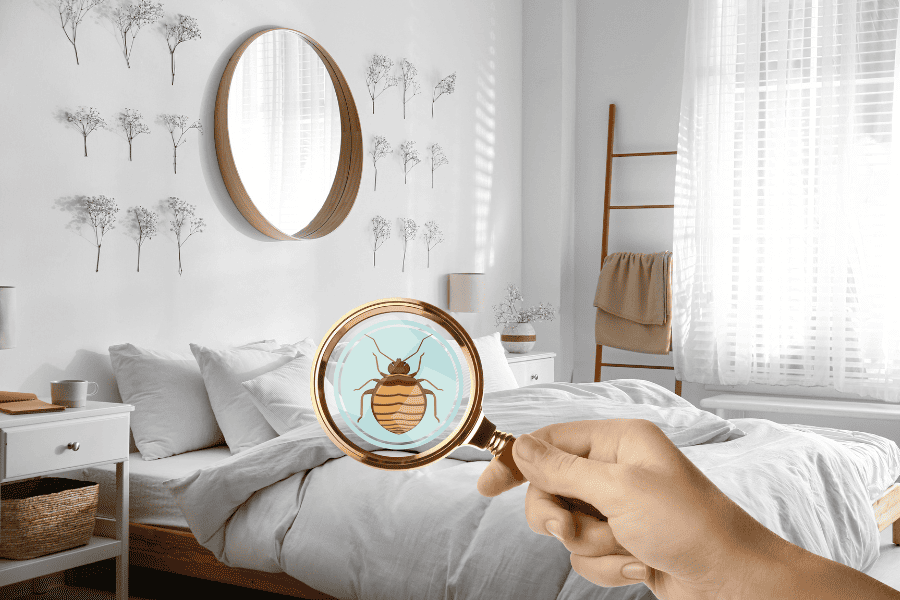
The holidays are quickly approaching, so we can all expect to see even more travel occur throughout the United States. While traveling can be stressful, it’s nothing compared to returning home and discovering you’ve brought bed bugs with you! We breakdown how you can eliminate the potential for bed bugs while traveling.
How to Prevent Bed Bugs While Traveling:
- Inspect your hotel or Airbnb room carefully before unpacking. Look for signs of bed bugs under your mattress and behind the headboard. Common signs include:
- Small, dark spots
- Blood stains
- Eggshells
- Don’t put luggage on the bed or on the floor. Utilize a luggage rack or fully unpack and hang up your clothes if a closet is provided.
- When returning home, unpack and wash your clothing right away. The heat from the dryer will help eliminate any hitchhiking bed bugs.
- After returning, inspect your home for any signs of potential bed bugs.
Where Are Bed Bugs Found?
Bed bugs are found in many locations, including Airbnb’s, hotels, public transportation, public places, and even friends or family homes. It’s best to be mindful of where you place your belongings while traveling.
If you think you have brought bed bugs home with you from your travels, give your local Tennessee bed bug experts a call today for a personalized bed bug control plan and a free inspection!