Nov 21, 2025 | Termite Control
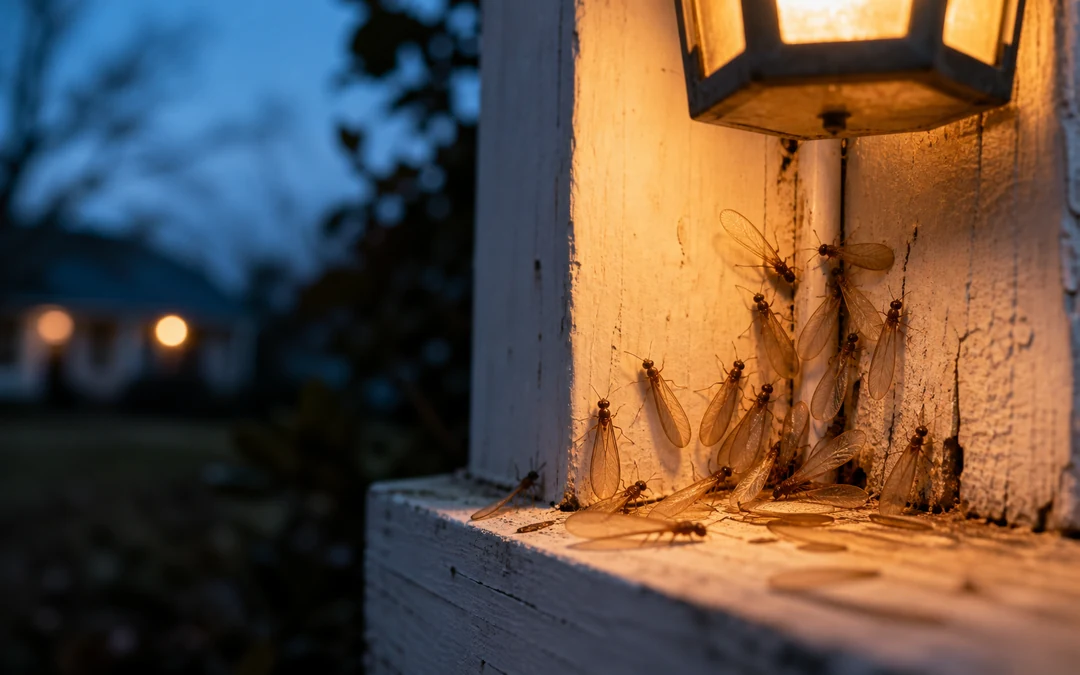
While many Alabama homeowners associate termite swarms with the spring, a second, less-known swarming season can occur in the fall, particularly in November. Seeing winged insects inside your home during this time can be alarming, and for good reason. It may be a sign of a termite colony establishing itself nearby or within your property.
Understanding why this late-season activity occurs is crucial for protecting your home. This guide will explain the phenomenon of November termite swarming in Alabama, detail the key signs to look for, and provide actionable steps to prevent termites from causing significant damage.
Why Termites Swarm in November
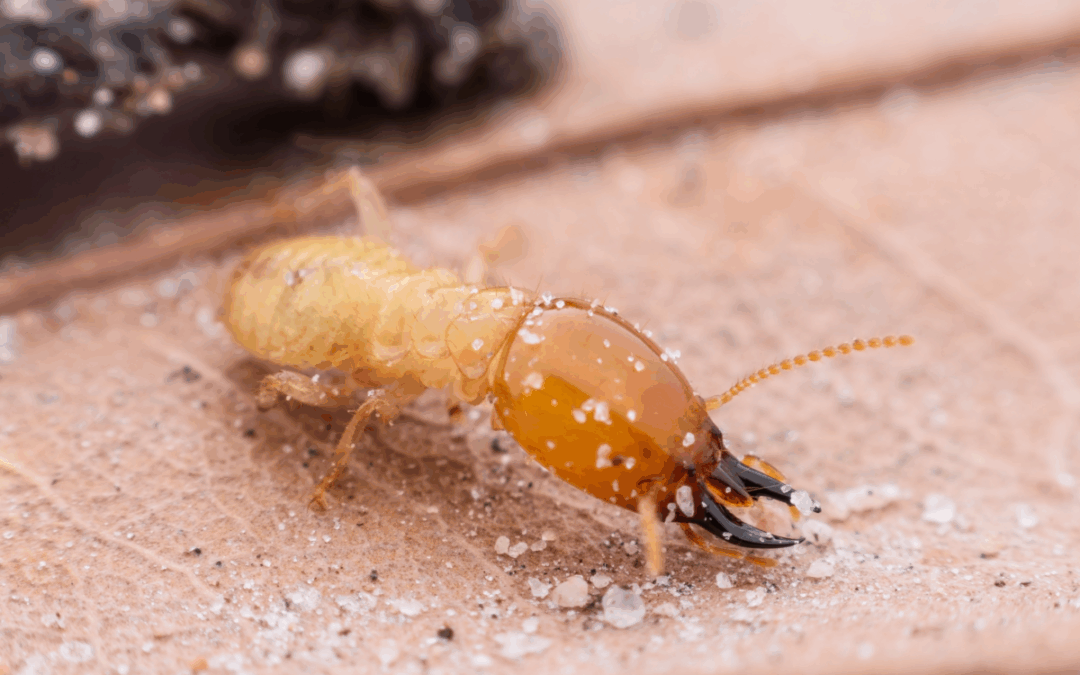
Termite swarming is a natural part of a colony’s life cycle. A swarm consists of winged reproductive termites, known as alates, that leave their mature colony to mate and establish a new one. While the most intense swarms happen in the warm, damp conditions of spring, certain termite species, particularly the formidable Formosan subterranean termite, can also swarm in the fall.
The Formosan Termite Factor
Formosan termites are an invasive and highly destructive species found in parts of Alabama. Unlike native subterranean termites that swarm primarily from March to May, Formosan termites have a longer swarming season that can extend into the late fall. A spell of warm, humid weather in November can trigger these colonies to release their alates.
A Sign of a Mature Colony
A termite swarm is a definitive indicator of a large, well-established colony nearby. A colony must be several years old before it has the resources to produce winged reproductives. Seeing a swarm means a termite population is not just present but thriving, posing a significant threat to any wooden structures, including your home.
How to Identify a Termite Swarm
Distinguishing termite alates from other flying insects, like ants, is essential for a correct diagnosis. Misidentification can lead to a false sense of security while a termite infestation grows unchecked.
Key Signs of a Termite Swarm
- Discarded Wings: After a brief flight, swarming termites land, break off their wings, and attempt to start a new colony. You may find piles of identical, translucent wings on windowsills, near doorways, or caught in spiderwebs. This is a tell-tale sign of a recent swarm.
- The Swarm Itself: Termite swarms often occur during the day and can look like a cloud of small, flying insects. They are frequently attracted to light sources, so you may notice them around windows, doors, and light fixtures.
- Termite vs. Ant: Flying ants also swarm, but there are clear differences. Termites have a broad waist, straight antennae, and two pairs of wings that are equal in length. In contrast, flying ants have a pinched waist, elbowed antennae, and a front pair of wings that are longer than the back pair.
What to Do If You Suspect Termites
Discovering a termite swarm requires immediate and decisive action. The presence of alates indicates a high risk of infestation, and early intervention is the most effective way to prevent costly structural damage.
Immediate Steps for Homeowners
- Collect a Sample: If possible, collect a few of the insects or their discarded wings in a sealed bag or jar. This will help a professional pest control expert make a positive identification.
- Avoid DIY Treatments: Do not attempt to control a termite problem with over-the-counter sprays or baits. These products are rarely effective against an entire colony and may only kill a few visible termites, leaving the hidden colony to continue its destruction.
- Schedule a Professional Inspection: The most critical step is to contact a certified termite control professional. A trained inspector can determine the extent of the activity, identify the termite species, and locate the colony.
Preventing a future infestation involves reducing attractants around your home. Ensure water drains away from your foundation, repair any leaks, and keep firewood or other wooden debris stored away from the house.
While a November termite swarm in Alabama can be an unsettling discovery, it provides a crucial warning sign. By correctly identifying the evidence and acting promptly, you can protect your most valuable investment.
If you have seen signs of swarming termites or suspect an infestation, do not wait. Contact a qualified pest control specialist for a comprehensive inspection and a customized treatment plan designed to protect your home and provide lasting peace of mind.

Nov 20, 2025 | Florida Snake Control
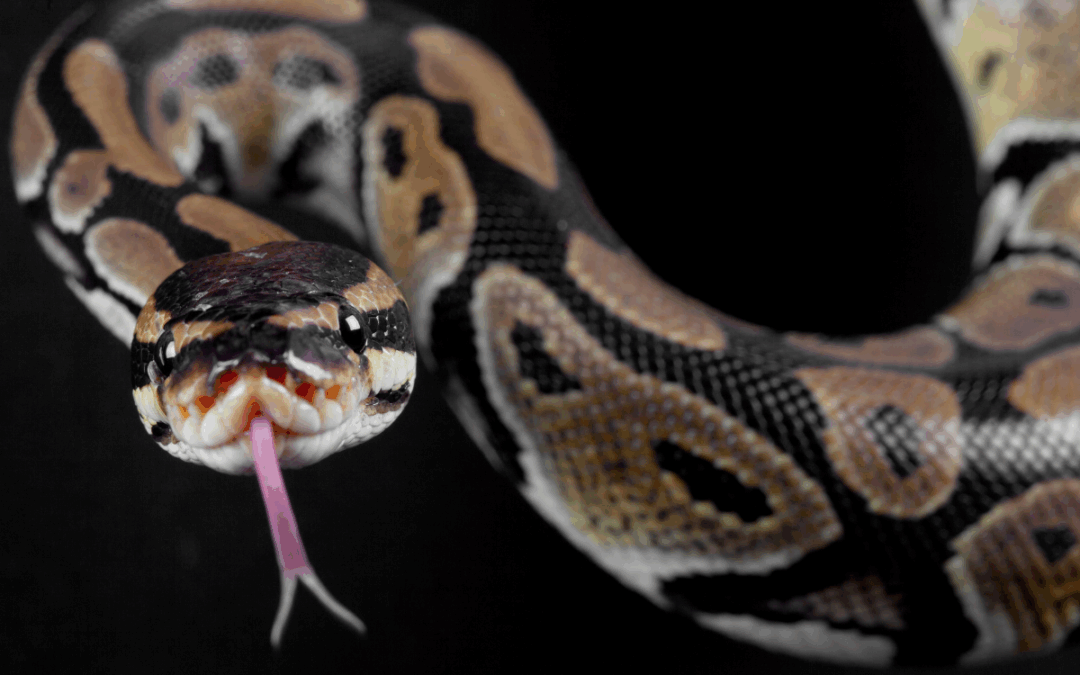
As fall brings milder temperatures to Miami, residents often take the opportunity to spend more time outdoors. However, this seasonal change also affects the behavior of local wildlife, including snakes. An unexpected encounter with a snake in your yard or near your home can be alarming. Understanding their habits is key to coexisting and minimizing unwanted interactions. This guide provides essential information on why you might see more snakes during the fall in Miami and offers practical, effective strategies for keeping your property secure. A proactive approach to wildlife management is the foundation of effective snake prevention in Miami.
Understanding Snake Behavior in the Fall
Snakes are cold-blooded, meaning their body temperature is regulated by their environment. In Miami’s climate, they remain active for much of the year, but their behavior shifts with the seasons.
Seeking Shelter and Warmth
As temperatures begin to cool, even slightly, snakes will actively seek warm, sheltered places. They may bask on sun-warmed pavement, rocks, or patios during the day. As evening approaches, they look for secure hiding spots that retain heat, such as under debris, in dense vegetation, or within burrows. Unfortunately, crawl spaces, sheds, and gaps in a home’s foundation can also provide this same sense of security.
Hunting for Food
The fall is also a time when many of a snake’s prey—rodents, lizards, and frogs—are actively preparing for winter. Snakes will follow these food sources, which can lead them directly to residential properties where these smaller animals are often abundant.
Common Snakes in Miami and Potential Risks
While the majority of Florida’s native snakes are non-venomous and beneficial to the ecosystem, it is vital to be aware of the few venomous species in our area.
- Non-Venomous Snakes: Species like the Black Racer, Garter Snake, and various water snakes are common and harmless. They play a crucial role in controlling rodent and insect populations.
- Venomous Snakes: Residents should be able to recognize potentially dangerous snakes. In South Florida, these include the Eastern Diamondback Rattlesnake, the Dusky Pygmy Rattlesnake, the Cottonmouth (or Water Moccasin), and the Coral Snake. These species typically avoid human contact but will bite if they feel threatened or cornered.
Given the potential risks, treating any unidentified snake with caution is the most responsible course of action.
Proven Strategies for Snake Prevention in Miami
The most reliable way to keep snakes off your property is to make your yard less attractive to them and their prey. Effective wildlife management focuses on habitat modification.
Eliminate Food Sources and Shelter
By removing the resources snakes rely on, you encourage them to move elsewhere.
- Maintain Your Landscape: Keep your lawn mowed and trim back dense shrubs and overgrown vegetation, especially around the foundation of your home. This reduces hiding spots for snakes and the pests they hunt.
- Remove Debris: Clear away woodpiles, leaf litter, rock piles, and any unused equipment from your yard. These create ideal harborage for snakes and rodents. Store firewood on a raised rack away from the house.
- Secure Trash Bins: Use trash cans with tight-fitting lids to avoid attracting rodents, which are a primary food source for many snakes.
Secure Your Home’s Exterior
Prevent snakes from entering your home by sealing potential access points. This is a critical component of snake prevention in Miami.
- Inspect and Seal: Thoroughly examine your home’s foundation, walls, and areas around pipes and vents for any cracks or holes. Seal these openings with durable materials.
- Check Doors and Vents: Install screens on crawl space vents and ensure weather stripping on doors creates a tight seal.
By implementing these habitat modifications, you can significantly reduce the likelihood of encountering snakes on your property.
While these preventative measures can make a big difference, some situations are best left to the professionals—especially when venomous snakes are involved. A professional snake removal service can help keep snakes from inhabiting your property, reducing the risk of encounters.
If you are dealing with a persistent snake issue or feel in harm’s way, contact a certified snake control professional. An expert can identify and remove the animal, as well as provide a comprehensive property assessment to identify and resolve underlying issues contributing to the problem.
Nov 14, 2025 | Pest Control
As autumn arrives in Hermitage, Tennessee, the cooling temperatures signal a change in pest behavior. Homeowners may notice an increase in certain uninvited guests, specifically stink bugs and multicolored Asian lady beetles. These pests congregate on the sunny sides of buildings and seek entry to overwinter. Understanding their habits is the first step toward effective management.
This guide provides information on why these pests invade homes during the fall and offers practical, preventative strategies to protect your property. A proactive approach is key to ensuring your home remains a comfortable, pest-free environment throughout the season.
Understanding Fall-Invading Pests
Both stink bugs and Asian lady beetles are considered nuisance pests. While they do not typically cause structural damage or pose significant health risks, their presence in large numbers can be a considerable annoyance.
Brown Marmorated Stink Bugs
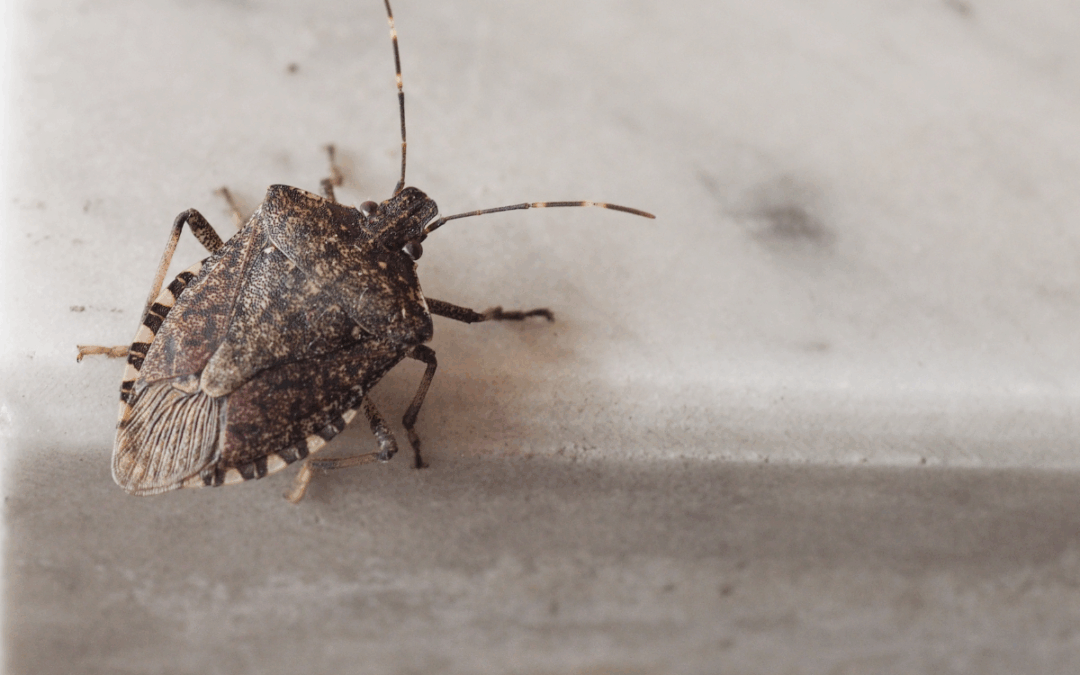
Native to Asia, the brown marmorated stink bug is now a common sight across the United States. These shield-shaped insects are about a half inch long and mottled brown. As their name suggests, they release a foul odor when disturbed or crushed, which is their primary defense mechanism. During fall, they seek warm, sheltered places to hibernate, making homes an ideal target.
Multicolored Asian Lady Beetles
Often mistaken for native ladybugs, Asian lady beetles can be identified by their variable coloration, ranging from tan to reddish-orange, and a distinctive ‘M’-shaped marking behind their head. Like stink bugs, they gather in large numbers on sunny, exterior walls in the fall. They seek out small cracks and crevices to enter homes, where they will remain dormant until spring.
Why These Pests Invade Hermitage, Tennessee Homes
The primary driver for these fall invasions is survival. As temperatures drop and daylight hours shorten, stink bugs and Asian lady beetles enter a hibernation-like state called diapause. To survive the winter, they must find a protected location that shields them from the elements.
Your home offers the perfect refuge. It provides warmth, shelter, and protection from predators. These pests are drawn to the heat radiating from sun-exposed siding and will exploit any available opening to get inside, often congregating in attics, wall voids, and behind baseboards.
Proven Strategies for Pest Prevention
The most effective way to manage fall invaders is to prevent them from entering your home in the first place. A few key preventative measures can make a significant difference.
Seal Potential Entry Points
A thorough inspection of your home’s exterior is the most critical step. Denying pests entry is your best line of defense.
- Inspect and Seal: Examine your foundation, siding, and areas around windows, doors, and utility pipes for any cracks or gaps. Use a high-quality silicone caulk to seal these vulnerabilities.
- Repair Screens: Ensure all window and door screens are in good condition and free of tears or holes.
- Secure Vents: Install fine-mesh screening over attic vents, exhaust fans, and chimneys to block potential access points.
Reduce Exterior Attractants
Making the exterior of your home less appealing can discourage pests from gathering.
- Exterior Lighting: Consider using yellow “bug lights” for exterior fixtures, as they are less attractive to insects.
- Manage Landscaping: Trim back vegetation and tree branches that touch your house, as pests can use these as bridges to gain access.
Proper Removal of Indoor Pests
If you find stink bugs or lady beetles inside, avoid crushing them. Instead, use a vacuum cleaner with a hose attachment to remove them. Once collected, you can dispose of the vacuum bag to prevent odors from lingering.
By implementing these exclusion and prevention techniques, you can significantly reduce the likelihood of a fall pest invasion. Protecting your home requires a proactive and consistent approach.
If you are experiencing a persistent issue with stink bugs, Asian lady beetles, or other pests, professional intervention may be necessary. Contact a certified pest control expert for a comprehensive property inspection and a customized management plan to address your specific needs.
Nov 13, 2025 | Florida Termite Control
While many Naples homeowners associate termite activity with the spring, the pleasant fall weather can create conditions for these pests to remain active. In November, certain termite species continue to pose a threat to properties, often working unseen until significant damage has occurred. A proactive approach to termite prevention is essential for protecting your home’s structural integrity.
This guide provides information on why termites can be a problem in the fall, how to identify the warning signs, and what steps you can take for effective termite defense in Naples.
Why Termites Remain a Threat in the Fall
In Southwest Florida’s warm climate, termites do not go dormant as they might in colder regions. Species like the highly destructive Formosan subterranean termite can remain active year-round.
Consistent Moisture and Warmth
Naples’ climate provides the two key ingredients termites need to thrive: moisture and warmth. A damp autumn can keep soil moist, allowing subterranean termites to continue foraging for food sources—namely, the wood in your home.
Signs of a Mature, Thriving Colony
A termite swarm, regardless of the time of year, is a clear indication that a mature colony of any size is located nearby. Colonies must be several years old before they have the resources to produce these reproductive members. Seeing a swarm is a critical warning sign that should not be ignored.
How to Identify a Termite Infestation
Early detection is crucial for minimizing damage. Since termites often operate out of sight, homeowners must be vigilant for subtle signs of their presence.
Key Indicators of Termite Activity
- Discarded Wings: After a swarm, termites shed their wings. You may find small piles of these identical, translucent wings on windowsills, near doorways, or in spiderwebs. This is often the most visible evidence of a recent termite swarm.
- Mud Tubes: Subterranean termites build pencil-sized mud tubes to travel from their soil-based colonies to their food source. Check your home’s foundation, crawl spaces, and exterior walls for these distinctive earthen tunnels.
- Damaged Wood: Termite damage can appear as hollowed-out or honeycombed wood. Tapping on wood surfaces may produce a hollow sound. You might also notice blistering or darkening of wood structures.
Essential Strategies for Termite Defense in Naples
A comprehensive prevention strategy is the most effective way to protect your home. This involves making your property less attractive to termites by eliminating the conditions they seek.
Reduce Moisture Around Your Property
- Ensure gutters and downspouts are clear and direct water away from the foundation.
- Repair any leaking faucets, pipes, or air conditioning units promptly.
- Grade the soil around your foundation so that it slopes away from the house, preventing water from pooling.
Eliminate Wood-to-Ground Contact
- Keep firewood, lumber, and other cellulose-based debris stored at least 20 feet away from your home and elevated off the ground.
- Avoid using wood mulch directly against your foundation; consider alternatives like rubber or gravel mulch.
- Trim shrubs and tree branches so they do not touch your home’s exterior, as these can provide a hidden pathway for termites.
Schedule Professional Inspections
The most reliable method for termite defense in Naples is to have your home professionally inspected annually. A trained pest control expert can identify conducive conditions and early signs of an infestation that an untrained eye might miss.
Discovering signs of termites can be concerning, but it allows you to take action before a minor issue becomes a major problem. Do not attempt to resolve a termite infestation with do-it-yourself products, as these are often ineffective against the hidden colony.
If you have noticed discarded wings, mud tubes, or other signs of termite activity, contact a certified pest control professional immediately. A thorough inspection and a tailored treatment plan are the best way to protect your home and ensure your peace of mind.
Nov 7, 2025 | Uncategorized
As summer slides into fall in Georgia, residents often spot large, bright yellow-and-black spiders dangling in gardens, yards, and wooded areas. Commonly called “banana spiders,” these eye-catching arachnids aren’t just creepy crawlers—they’re nature’s pest-control experts. With trending searches like banana spider Georgia 2025 and big yellow spiders, it’s no wonder everyone’s noticing these local orb-weavers.
“Banana Spiders”
The Golden Silk Orb-Weaver (Trichonephila clavipes)
Appearance and Habitat
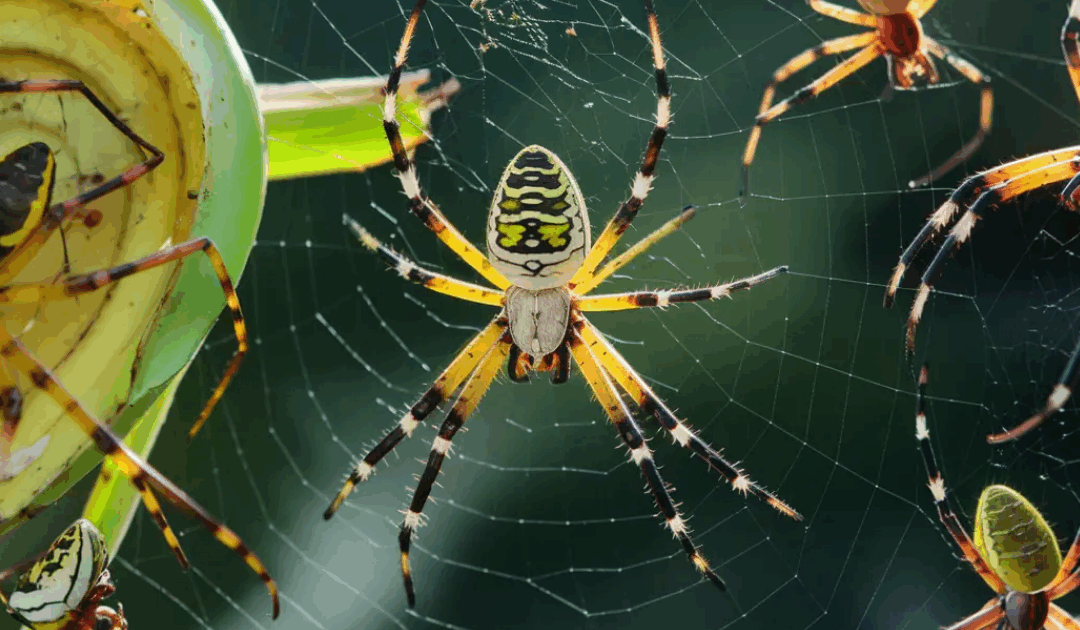
These show-stopping spiders have long yellow-orange abdomens and banded legs, while males are tiny sidekicks. Their signature golden webs glisten in sunlight and can stretch several feet wide across gardens, trails, and sunny spaces.
Are They a Concern?
Golden Silk Orb-Weavers are docile and bites are rare, usually causing only minor irritation—think bee-sting mild. Their webs trap countless insects, including pesky mosquitoes, making them your backyard’s natural bug zappers.
The Joro Spider (Trichonephila clavata)
Appearance and Habitat
A new Georgia resident from East Asia, Joro females flaunt bold yellow-and-black stripes with red markings on their underside. Their huge, multi-layered webs appear in trees, power lines, and open areas, making them hard to miss in the fall.
Are They a Concern?
Despite their size and “alien” looks, Joros are harmless. Their fangs are too small to bite humans or pets, and they’re generally shy—perfect for spider-watchers rather than spider-fighters.
The Yellow Garden Spider (Argiope aurantia)
Appearance and Habitat
Females boast striking black-and-yellow abdomens with signature zigzag web patterns (stabilimentum). They spin classic wheel-shaped webs in gardens, fields, and roadsides, low enough to catch buzzing insects.
Are They a Concern?
Non-aggressive and rarely biting, these spiders are excellent garden allies, keeping plant-damaging insects under control.
So next time you spot a banana spider in Georgia, don’t scream—snap a photo instead! These big yellow spiders are doing the heavy lifting, keeping insects in check while giving the Georgia fall landscape a little extra flair. If you’re having issues with spiders or other household pests, contact a pest control expert for a free quote!