Jun 27, 2023 | Wildlife
Summer is a time when wildlife is often more active and visible around your home. While it can be exciting to see these animals, it’s important to take precautions to keep them out of your home and prevent any potential damage. Here is the most common summer wildlife you’ll begin seeing soon and some tips on how you can keep these critters away!
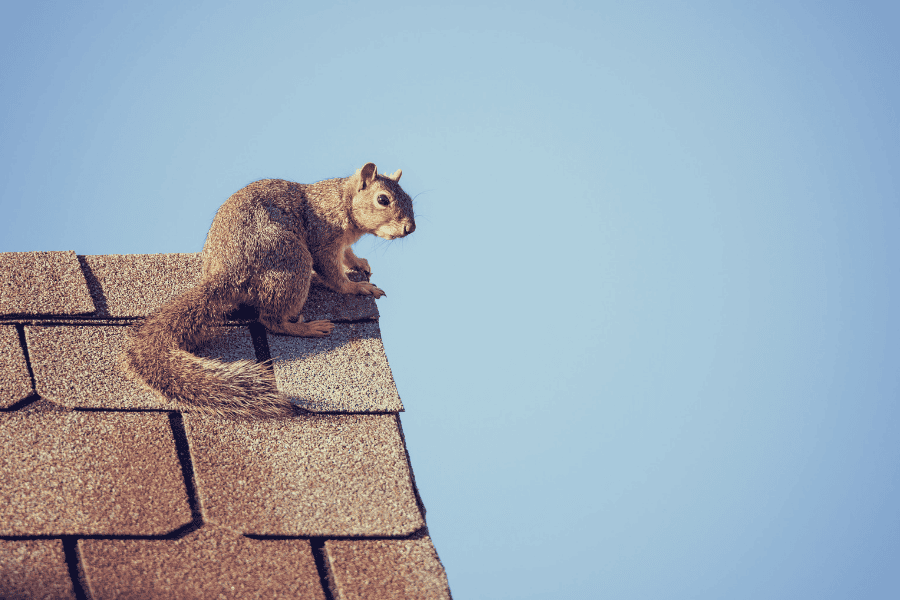
Squirrels
Squirrels are a common sight in many neighborhoods during the summer. While they can be fun to watch, they can also cause damage to your home and property.
To prevent squirrels in your attic or crawlspace:
- Make sure to seal any gaps in your home’s exterior
- Fix any holes in your roof or siding
- Trim back any tree branches that may be close to your home
Raccoons
Raccoons are another common summer wildlife that you may find around your home. They can be attracted to garbage cans and compost bins.
To prevent raccoons from being attracted to your property:
- Make sure to also seal any gaps or holes in your roof or siding
- Use trash cans with sealed lids
Snakes
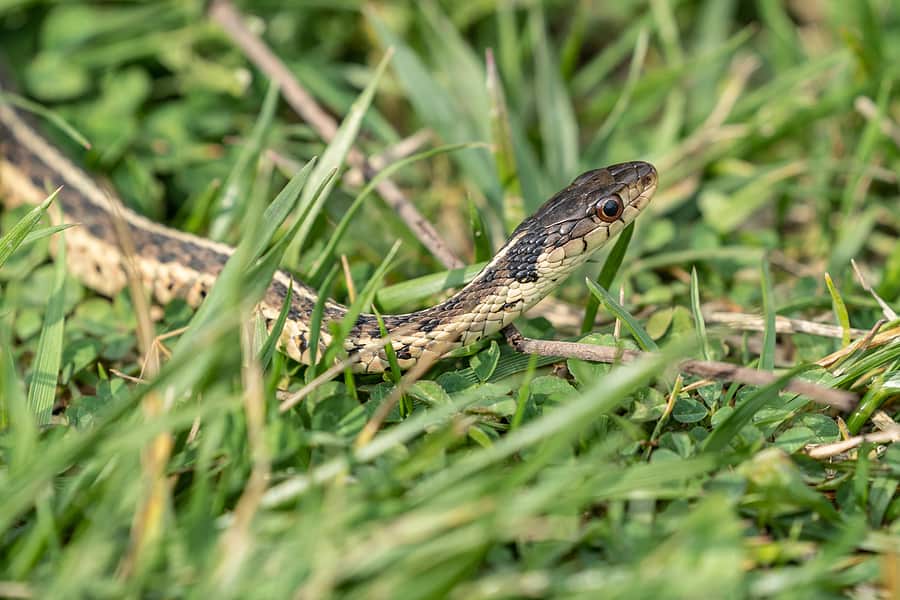
Snakes are more active during the summer months and may be found around your home or yard. It’s not often that you’ll see venomous snakes near your property, but there are some that live in Georgia. Just be on the lookout while outside hiking or walking through wooded areas.
To prevent snakes from entering your home:
- Make sure to seal any gaps or holes in your foundation or walls
- Keep your yard tidy and free of debris
We hope these tips will help lessen the chances of wildlife finding their way indoors this summer. If you begin to suspect your home might have some uninvited guests, give your local wildlife control company a call today!
Jun 23, 2023 | Florida Pest Control
Once flies get inside your home, they not only become a major nuisance, but they can also be difficult to eliminate. While flies can look very similar at first glance, there are different types, each with their own set of characteristics. It’s important for every homeowner to understand their difference to properly prevent them from invading their home! Check out the common flies you can encounter in Florida and tips on preventing them!
Drain Flies
Commonly found in kitchens or bathrooms, drain flies look like fuzzy moths. They thrive in dark and damp environments, such as floor and sink drains. You can tell these flies apart from others as they are light gray or tan in color and have a dark border around their wings. While these flies don’t bite, their presence can trigger asthma in some people.
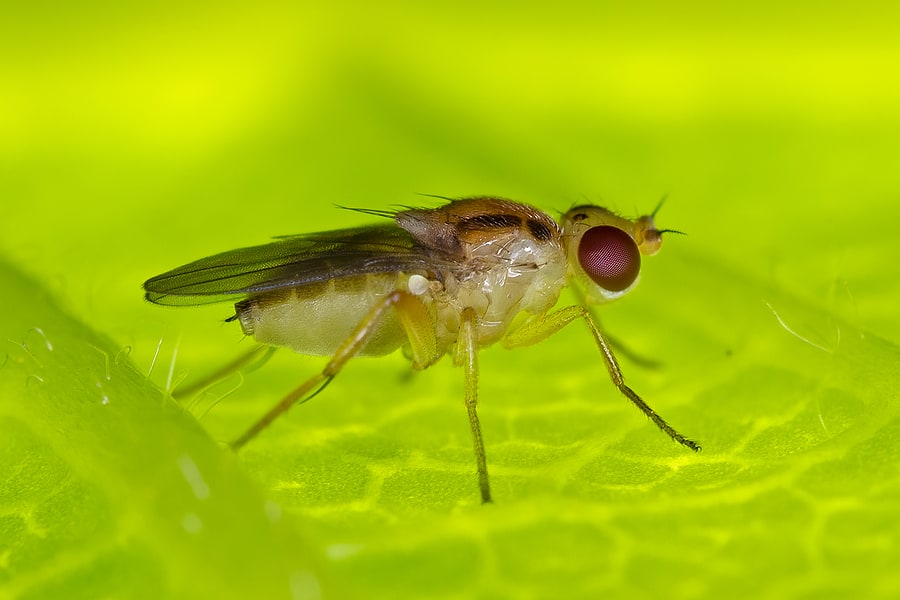
Fruit Flies
One of the most common flies known to invade our kitchens is fruit flies. These flies are known to rapidly produce and will breed in dark, moist areas of your home, including drains, garbage disposals, and trashcans. These flies can lay around 500 eggs that hatch in as little as 24 hours! These pests are attracted to and will eat rotting food and usually prefer fruits and vegetables. While these flies won’t sting or bite humans, they will contaminate foods with bacteria and disease-causing pathogens.
Horseflies
Horseflies can often be found near bodies of water they utilize for breeding, both in suburban and rural areas. Horseflies are most active during the hotter days of the year and typically rest on paths and roads in wooded areas. Female horseflies can be a risk to our health as they are known to have a painful bite with their mouthparts utilized for cutting open flesh instead of sucking blood. Their bites are also known to cause allergic reactions too.
How to Prevent Flies from Your Florida Home
- Clean up spills and leftover food crumbs as soon as possible
- Frequently sweep, mop, and vacuum your home.
- Store your food in tightly sealed containers, including your pet food.
- Don’t leave your pet bowls outside and clean up any pet waste in your yard.
- If you are going to open your windows to enjoy the fresh air, make sure to use screens to keep flies from entering.
If you’ve noticed more flies around your property than usual, it could be time to reach out to your local pest control company for help. These pest professionals will be able to find a fly prevention method that works best for your home.
Jun 22, 2023 | Pest Control
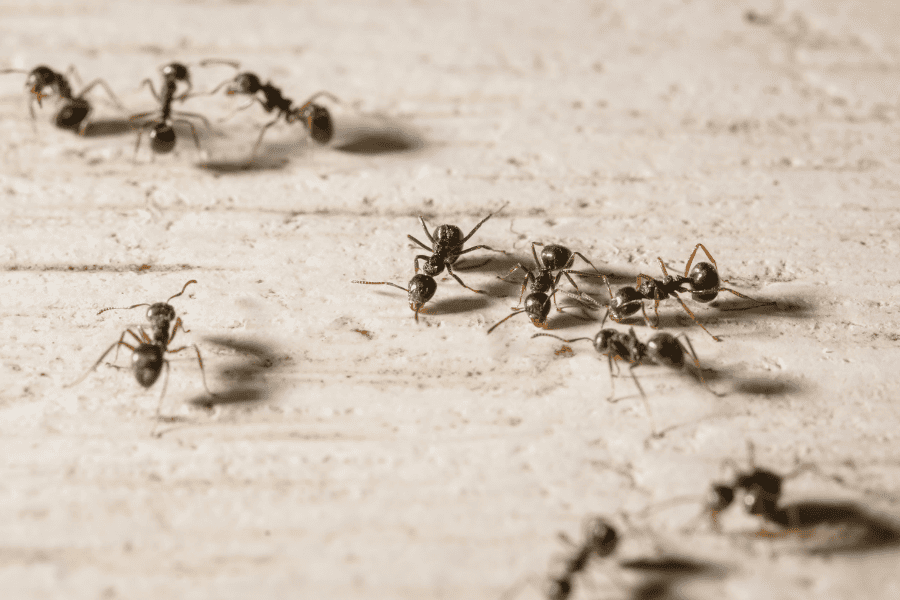
Ants are a common pest that can invade your kitchen and other areas of your home or yard. Not only are they annoying, but they can also get into your food and be difficult to remove from your home. Let’s explore different types of ants and provide tips on how to prevent them from entering your home or yard.
There are many different types of ants, but some of the most common ones found in kitchens include: Argentine ants, carpenter ants, and odorous house ants. Argentine ants are small and brown, while carpenter ants are larger and can cause damage to wood structures. Odorous house ants are small and black and emit a strong odor when crushed.
To prevent ants in your kitchen:
- Keep your kitchen clean and free of crumbs or spills
- Keep your counters and floors clean
- Store food in airtight containers
- Keep your trash cans sealed tightly
- Use ant baits or sprays to eliminate any ants that may be present
To prevent ants from entering other areas of your home or yard:
- Seal any cracks or crevices where they can enter
- Keep your yard clean and free of debris
- Remove any sources of standing water
- Avoid leaving food or sugary drinks outside
If you have a specific type of ant that is causing problems in your home or yard, there may be specific prevention methods that are more effective. For example, if you have carpenter ants, it’s important to remove any rotting wood or other sources of moisture that may be attracting them.
Our team of experts are ready to help you identify what type of invading ant you have in your home. Give your local pest control company a call for a free inspection today!
Jun 21, 2023 | Pest Control
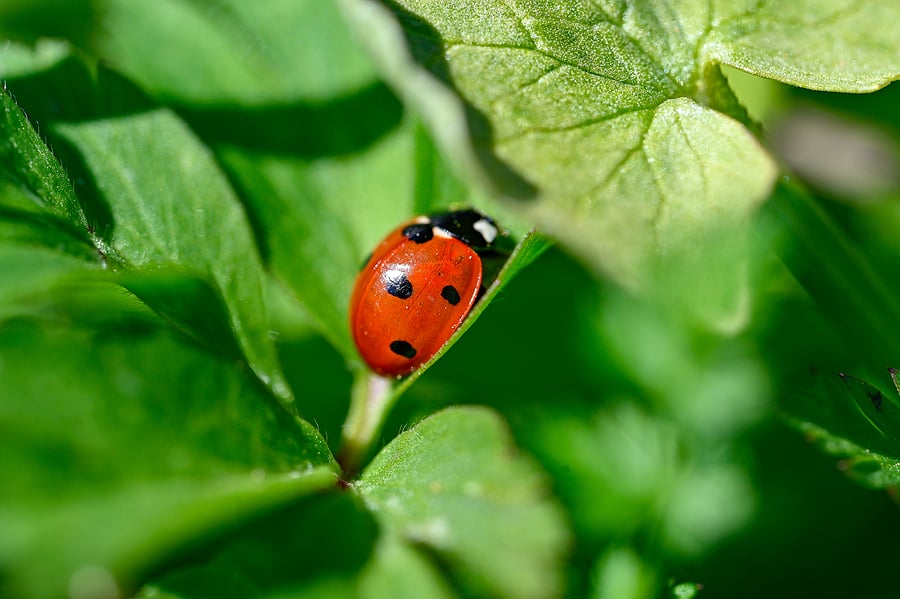
There are over 5000 species of ladybugs worldwide. These insects, also known as ladybird beetles or lady beetles, are common throughout North America. Their appearance varies depending on the species; colors can range from red to orange and they can have spots, stripes, or even no pattern on their dome shaped bodies.
Ladybugs are harmless to humans and are even considered to be good luck in some cultures. They are beneficial to have around as they eat aphids and other plant-eating pests. While they are harmless to us, they can stain walls and furniture in your home and give off an odor.
Ladybugs are most active from spring to fall. Once the weather cools off, they will search for warm, isolated places to overwinter, such as rotting logs, under rocks, or inside our homes. When the weather warms up again, they will emerge from their hiding spots, seemingly taking over the homes they infested.
You can get rid of ladybugs by:
- Sealing them out. Plug any holes in exterior walls, seal doors and caulk around windows.
- Plant flowers. Ladybugs are attracted to flowers and gardens. By providing them with a food source outdoors, they will be less likely to make their way indoors. They do not like mums. Consider planting or placing potted mums near or around the doors and windows of your home.
- Vacuuming. Vacuuming won’t kill them but it will make it easier to get them out of your home. Make sure you vacuum them into a sealed container and then either release them outside or dispose of them.
- Use diatomaceous earth. DE is a powder that dehydrates insects. It is nontoxic to both humans and pets.
- Repel them. Ladybugs dislike certain scents including citronella, citrus oil, cloves, and bay leaves. Spray or place these near windows or other infested areas.
If you have an issue with ladybugs or other household pests, contact your local pest control company for a free evaluation.
Jun 19, 2023 | Pest Control
Warm weather means it’s the time of year when snakes are active, emerging in search of food and to bask in the sunlight for warmth. Although most snakes you encounter are nonvenomous, there are a few venomous snakes in Georgia. While many people may not enjoy running into a snake near their home, they can be quite beneficial to have around. Snakes eat other problematic pests that commonly infest your home, such as rodents, making them a natural form of pest control. If the thought of a snake sharing your space still makes you uneasy, try these DIY snake repellent methods to keep your yard snake free.
Napthalene
A frequent ingredient in many commercial snake repellent products is napthalene. It is one of the most widely used repellents. If you don’t want to buy a commercial product, napthalene is the major component of moth balls. The odor of napthalene annoys snakes but does not kill them. Mothballs should be placed in any holes, gaps, or crevices on your property where snakes could be an issue. If moth balls are consumed, they can be toxic and dangerous to children or pets, so use caution or avoid using them if you have pets or children in your home.
Sulfur
Powdered sulfur is an excellent snake repellent. If you sprinkle powdered sulfur around your home and property, snakes will avoid it since it bothers their skin. Because sulfur has a strong odor, wear a mask that covers your nose and mouth when applying it.
Clove and Cinnamon
Clove and cinnamon essential oils are powerful snake repellents. For best efficacy, combine these ingredients in a spray bottle and spray directly on snakes. Caution is advised because snakes frequently run in the opposite direction of the spray. This mixture can also be used as a fumigant in a diffuser.
Garlic and Onions
Garlic and onions contain sulfonic acid, which repels snakes (the same chemical that makes us cry when we slice onions). For maximum effectiveness, combine this with rock salt and sprinkle around your home and yard. Infuse garlic into any essential oil and use to fumigate rafters, basements, and other difficult-to-reach areas.
Ammonia
Because snakes dislike the odor of ammonia, spraying it over any frequented locations is one alternative. Another approach is to soak a rag in ammonia and place it in an open bag near snake-infested areas to keep them away.
Vinegar
Vinegar repels snakes near bodies of water, particularly swimming pools. For a natural snake deterrent, pour white vinegar around the perimeter of any body of water.
Lime
Mix lime with hot pepper or peppermint and sprinkle it around the perimeter of your home or property as a snake deterrent. Snakes dislike the fragrance of the mixture, and the fumes irritate their skin.
Eliminate Food Sources
Snakes consume rodents, frogs, birds, moles, voles, insects, and even fish. If these food sources are removed, the snakes will move on in search of another source.
Remove Hiding Spots
Inspect the exterior of your home and property carefully and repair any cracks or holes you find. Repair any gutters, plumbing, or ventilation ducts that are damaged. Repair or replace any damaged window and door screens. Snakes will also seek refuge in wood piles and garbage piles. Store firewood in sealed, lockable wood boxes if possible. Remove any heaps of wood chip mulch, straw mulch, leaves, or other debris that may have accumulated on your land.
Maintain Landscaping
Garden on a regular basis to remove any snake attractants such as debris, holes, and overgrowth. Keep the grass short to eliminate snake hiding areas. Install snake-proof fencing consisting of steel mesh, plastic sheeting, or a capture net. If you do put up fencing, make sure it is flush with the ground, oriented outward, and at least 3 feet high and 4 feet deep. You can also use things that snakes find difficult to slither over, such as holly leaves, pine cones, egg shells, and gravel. Planting snake repellent plants, which provide a natural deterrent, is another option. Marigolds, lemongrass, and wormwood are some typical examples.
If these DIY methods aren’t working or you just feel more comfortable with professional help, contact your local pest control company for a quote on snake removal services.