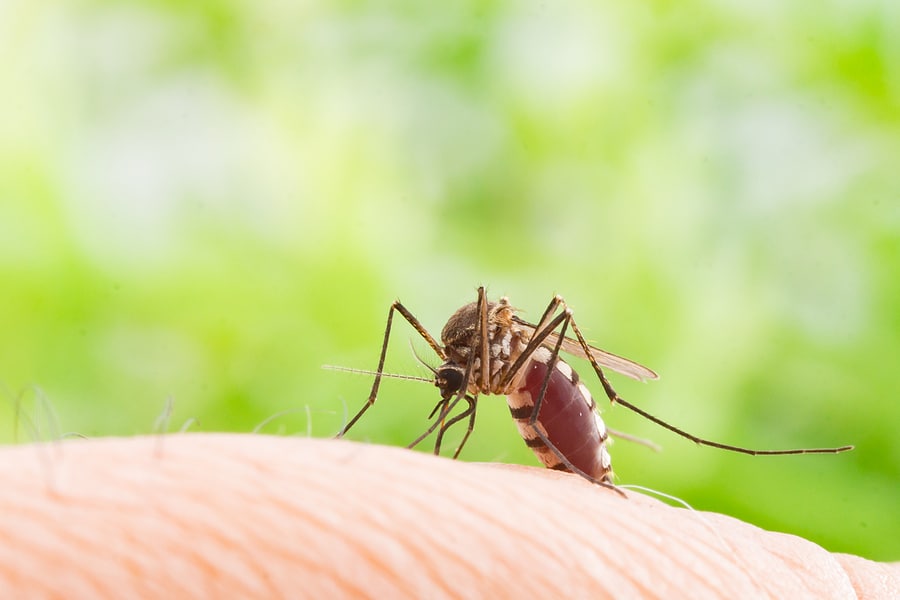
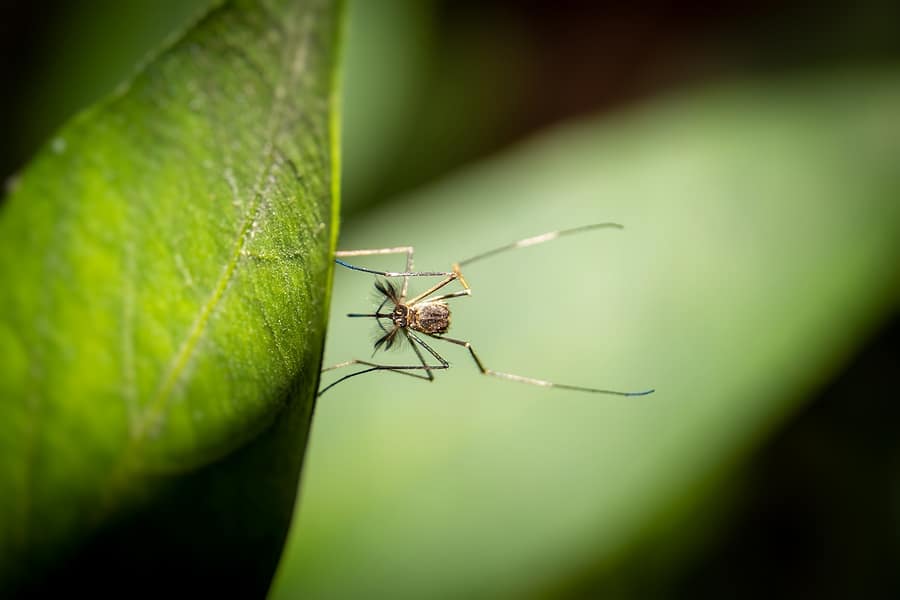
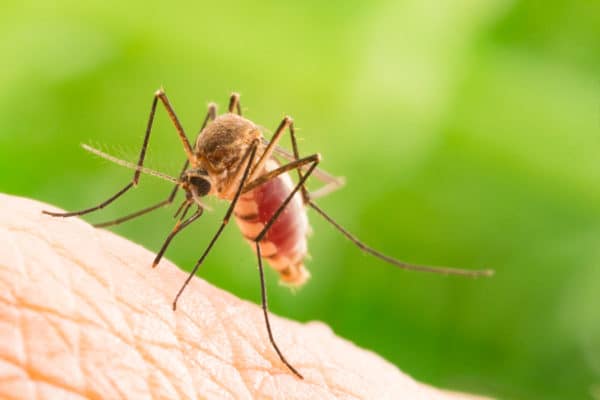
Mosquitoes are known to be a nuisance. With the warmer weather upon us, taking the necessary steps to avoid these pests is extremely important. Mosquito control treatments performed by professionals can help reduce these pests by targeting adult mosquitoes and larvae throughout your property. There are several factors that determine how these treatments can help protect you, your family, and your property.
Mosquito season typically runs from April to October, with warm seasons being a major factor in their activity. Mosquitoes are highly attracted to standing water. They will usually lay their eggs in water for survival, only needing a small amount of water to do so. Once these eggs hatch, it can be difficult to try and control them.
If mosquitoes have hatched and are roaming your property, they can find their way inside your home. Mosquitoes are small, measuring only 1/8 – 3/8” long. They can easily fit inside small holes or gaps leading into your house. Ensuring that your windows and doors have screens in good repair is essential for keeping them out. If inside, mosquitoes will search for a perfect place to lay eggs, including in areas with house plants and water trays. These nuisance pests will lay their eggs in water trays and even feed off the plants for energy.
Female mosquitoes will bite and feed on humans and animals, as they require a blood meal to lay fertile eggs. These bites can become red, itchy, and irritating for both humans and animals. Mosquito bites are equally dangerous; mosquitoes can spread viruses such as West Nile or dengue fever through their bites. To avoid mosquito bites, take precautions when you know you’ll be outside during the peak season. Use EPA-registered mosquito repellants, wear long-sleeved shirts and pants, and avoid using scented lotions or bath products.
With mosquito treatments, a pest professional can inspect your property and identify the resting and breeding areas to more effectively eliminate these pests. These services are recommended monthly during peak mosquito season so you can have a bite-free spring and summer! If you are concerned with mosquitoes on your property, contact your local pest control company for a free inspection!
Mosquito season is right around the corner, starting in the spring and peaking over the summer. Taking precautions now can help prevent a mosquito infestation when the weather warms up. While mosquitoes aren’t usually a problem inside your home, they will take over your yard, hampering your time spent outdoors. Besides being a nuisance, mosquitoes can transmit serious diseases to not only humans but also dogs, cats, and horses. Help keep your family and pets safe with these mosquito prevention tips.
Get Rid of Standing Water
Mosquitoes breed in standing water and only need a thimbleful to procreate. Eliminating potential breeding sites will help with mosquito elimination. Identify any low areas that are prone to flooding or pooling water and fill them in with dirt or remulch them. Empty bird baths daily and refill them. Keep gutters clear of debris. Turn over and remove water from anything that can collect it including pots, tarps, toys, furniture, old tires, pet bowls, etc. Fix any leaky faucets, sprinklers, and hoses that can cause water to pool up. Check AC drip pans for standing water. Keep pools maintained and cover or fill hollow tree stumps.
Clean Your Gutters
Clogged gutters can lead to standing water, attracting mosquitoes looking for a place to lay eggs. Keep gutters clear of debris or consider installing gutter guards to help prevent clogs. This can also help prevent other pests, as well.
Treat Your Water Features
For larger water features that can’t be eliminated, treat them with larvacide that will eliminate any mosquito larvae that is present. Use it in any areas of standing water such as ponds, water features, and swimming pools.
Keep Yards Maintained
Mosquitoes love to hide in tall grass, shrubbery, and damp woodpiles. Keep your grass mowed short and your landscaping well maintained. Keep wood piles covered or store wood in containers with lids.
Use Outdoor Fans
Mosquitoes are attracted to carbon dioxide and body heat. If you have to spend any time outdoors, consider using outdoor fans to help dissipate and redirect the carbon dioxide and body heat you emit. This helps make you less attractive to mosquitoes in the area.
Install Mosquito-Repelling Flowers
Some common flowers and plants actually make great natural mosquito repellent. Planting these flowers around your home will help keep mosquitoes at bay. Marigold is one of the most common mosquito-repelling plants. Others include lavender, rosemary, basil, catnip, lemon balm, peppermint, and pennyroyal. Citronella grass is also a good option as it is extremely easy to maintain and can be used to fill in large areas.
Attract Bats
Yes, you heard that right! Bats eat thousands of mosquitoes each day. While this may not be an ideal solution if you live in a neighborhood or in close proximity to your neighbors, it is a great alternative to those with larger properties. You can build a bat house to attract them to your yard and watch the mosquitoes disappear.
Call The Pros
Fighting mosquitoes can seem like a never-ending battle despite your best efforts. There are several mosquito control options available today. Most professional mosquito elimination services will include treatments that target both adult and larvae, as well as source reduction and elimination techniques. These services are typically monthly during peak mosquito season. If you have a problem with mosquitoes, contact a professional pest control company for a free estimate.
Mosquitoes, known to be a top summer nuisance pest, are a huge problem when they invade your property. With consistently heavy rains and warm temperatures, it seems like these insects never go away. Why is it that these pests seem to come out excessively when it’s hot and raining?
It’s important to note that mosquito activity can vary from region to region, depending on the temperature of the area. Mosquitoes are cold-blooded insects; therefore, these pests won’t disappear until temperatures are consistently below 50 degrees. In areas of high temperatures, mosquito activity increases making summer peak mosquito season. Because of this, if it’s warm in the area you live in you’ll most likely see mosquitoes around.
When it comes to the rain, mosquitoes aren’t particularly attracted to the actual rainfall, but instead to what the rain leaves behind. Standing water brings mosquitoes for one reason – a place to lay their eggs. The water that’s left behind from rain provides the ideal place for their eggs to survive and hatch. It’s important to note that if any water is left undistributed for a long period of time, the eggs laid will eventually hatch and create even more mosquitoes to invade your property.
While rain and heat are inevitable during the summer months, they don’t mean there isn’t a solution to prevent mosquitoes. Here are some easy ways you can keep mosquitoes away from your property,
Remove standing water from flowerpots, birdbaths, tarps, and any containers in or around your yard holding standing water
Remove piles of leaves and debris from your yard and gutters, as these can give mosquitoes a place to hide and breed
Cover any objects that can hold or collect standing water that can’t be removed, such as pools and boats
If you’re constantly battling mosquitoes, it might be time to contact a professional pest control company to help eliminate them and provide an ongoing prevention plan.
By Cory Goeltzenleuchter, B.C.E., P.H.E., CP-FS, Director of Technical Services — Northwest Exterminating · Last updated: July 2026 Reviewed for accuracy by Neil Bloyd, Director of Learning & Technical Services — Northwest Family of Brands
Quick answer: Professional mosquito control typically costs $70 to $100 per treatment or $325 to $500+ per season for a standard residential property in the Southeast. Total cost depends on yard size, treatment type, water features, and how many visits are scheduled across the season.
Mosquito season in Georgia, Tennessee, Alabama, North Carolina, and South Carolina runs long. From early spring through late fall, mosquitoes are not just a nuisance, they are a public health concern. According to the CDC, mosquitoes are among the most dangerous disease-carrying insects in the world, capable of transmitting West Nile virus, Eastern equine encephalitis, and other pathogens.
So when homeowners start comparing mosquito control options, the first question is almost always the same: how much does mosquito control cost? The answer depends on several variables, and this guide breaks each one down clearly. You will find typical price ranges, a DIY vs. professional comparison, and guidance on what to expect from a seasonal plan, all based on real-world conditions in the Southeast.
A backyard you can actually use is what mosquito control buys you across a long Southeast season.
The Short Answer: Typical Mosquito Control Pricing
Mosquito control service cost varies by property size, treatment method, and how frequently your yard is treated. That said, here are the ranges homeowners in the Southeast most commonly encounter:
Per treatment (barrier spray): $70 to $100 for a standard residential lot
Seasonal plan: $325 to $500+ for a typical quarter-acre to half-acre property
Larger properties or multiple problem areas: $500 to $1,900+ per season
In2Care station-based programs: Pricing varies; contact your local branch for a custom quote
Automated misting systems (installed): $1,500 to $5,000+ depending on the number of nozzles and system complexity
Special-event one-time treatment: $75 to $150+, depending on yard size and timing
These are ranges, not fixed prices. Your actual mosquito service cost will depend on the specific factors covered below.
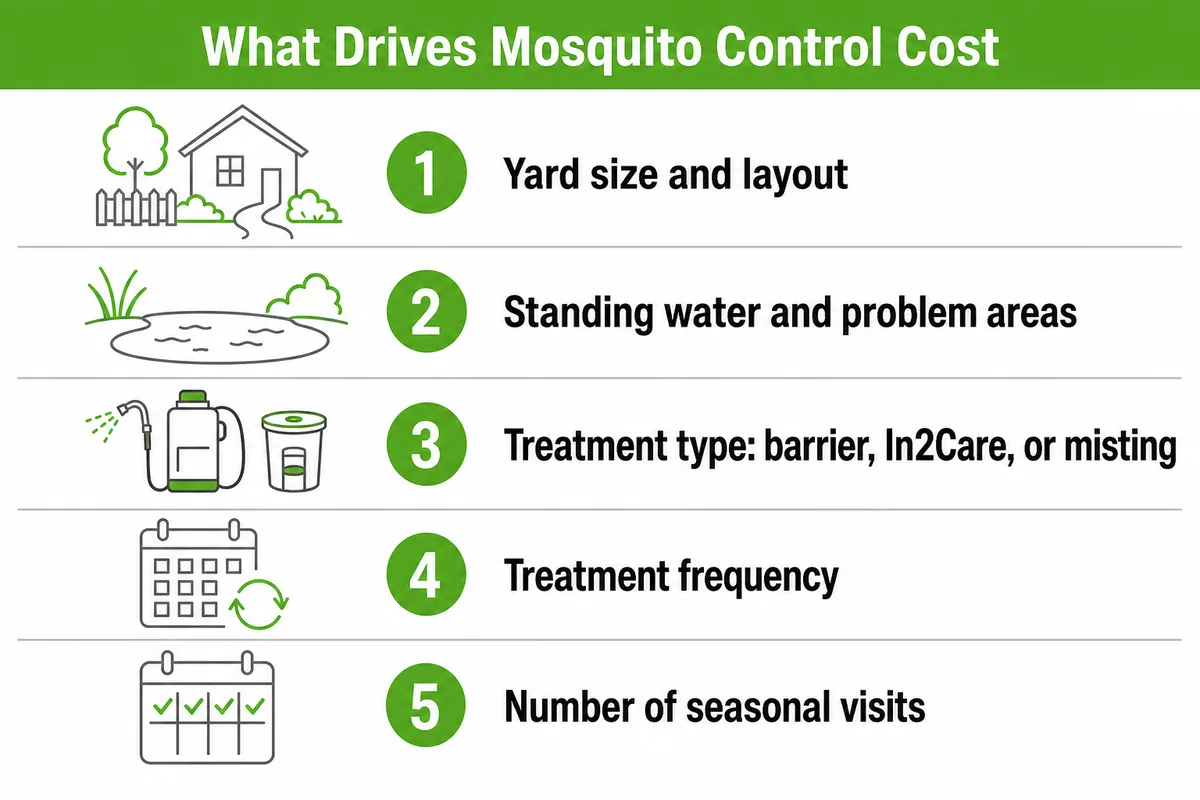
Five factors drive most of the difference between one mosquito control quote and another.
What Affects the Cost of Mosquito Control?
How does yard size and layout affect mosquito treatment cost?
Yard size is the most straightforward pricing driver. Most professional mosquito treatments are priced per quarter-acre or half-acre. A compact suburban lot in a neighborhood will cost less than a sprawling half-acre property with mature tree lines and dense landscaping. Layout matters too. A yard with winding borders, thick shrubs, and limited access points takes more time and product to treat thoroughly.
Do water features and problem areas raise the price?
Yes. Standing water is where mosquitoes breed, and yards with ponds, bird baths, low-lying areas, drainage ditches, or wooded borders require additional attention. Larvicide treatments targeting these specific areas can add to the overall mosquito service cost. During the quoting process, a technician will assess these features and factor them into your estimate.
How does treatment type affect mosquito control pricing?
There are three main treatment types, and each carries a different cost structure:
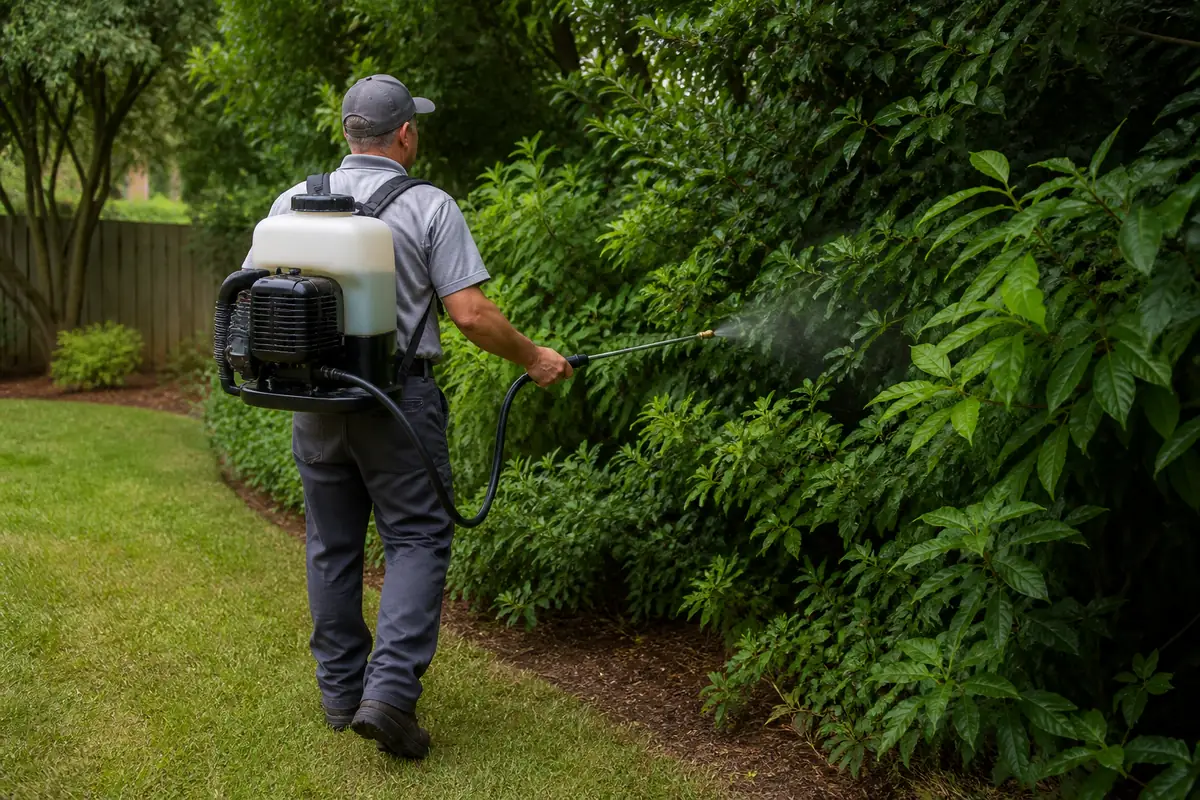
Barrier spray treatments apply adulticide to vegetation and resting areas around the yard perimeter. These are the most common professional treatments, typically priced per visit, and need to be reapplied every 21 to 30 days.
In2Care mosquito stations use a biological approach. Stations are placed around the property and work continuously between visits, using a larvicide-laced medium that mosquitoes carry back to breeding sites. This method is well-suited for homeowners who prefer a no-spray option.
Automated misting systems involve installing a network of nozzles around the yard perimeter, connected to a reservoir and timer. These systems deliver timed treatments automatically. Installation is a significant upfront investment, but ongoing costs are lower once the system is in place.
“When we give a quote, a lot of what separates one price from another is the scope of the problem: the size of the property, how many breeding sites we find, and which treatment method is the right fit,” says Cory Goeltzenleuchter, B.C.E., P.H.E., CP-FS, Director of Technical Services at Northwest Exterminating. “A yard with a retention pond in the back corner needs a different approach than a clean, maintained lot.”
Does treatment frequency change the seasonal cost?
Significantly. A single one-time treatment before a summer event costs far less than a recurring seasonal plan. But one-time treatments also provide short-term protection only. Barrier sprays last 21 to 30 days before their effectiveness begins to decline. For sustained mosquito reduction throughout the season, recurring monthly treatments are the standard recommendation.
Mosquito Control Pricing Models Explained
What does a per-treatment mosquito control plan cost?
Per-treatment pricing is straightforward. You pay a set rate per visit, typically $70 to $100 for a standard lot. Some providers offer a slight discount when you commit to recurring service upfront rather than scheduling visits individually.
How much is a seasonal mosquito control plan?
A seasonal plan bundles multiple monthly treatments into a single agreement covering peak mosquito season. In the Southeast, that typically means treatments from late March or April through October, roughly five to seven visits depending on your location and provider. Total seasonal cost for a standard residential property generally runs $325 to $500+, though larger properties with more complex needs can exceed $1,900 for the season.
“A typical Southeast yard needs at least five to six treatments across a full season to maintain consistent mosquito reduction,” notes Matthew “Logan” Walker, Area Technical Leader for Northwest Service Centers in Georgia. “Skipping treatments mid-season lets populations rebound quickly, especially in wetter months.”
How much does a one-time mosquito treatment cost for a special event?
One-time event treatments, for outdoor weddings, graduation parties, or backyard gatherings, typically range from $75 to $150+, depending on yard size. These are best scheduled 24 to 48 hours before the event for maximum effectiveness. They are not a substitute for a seasonal program but can provide meaningful short-term relief.
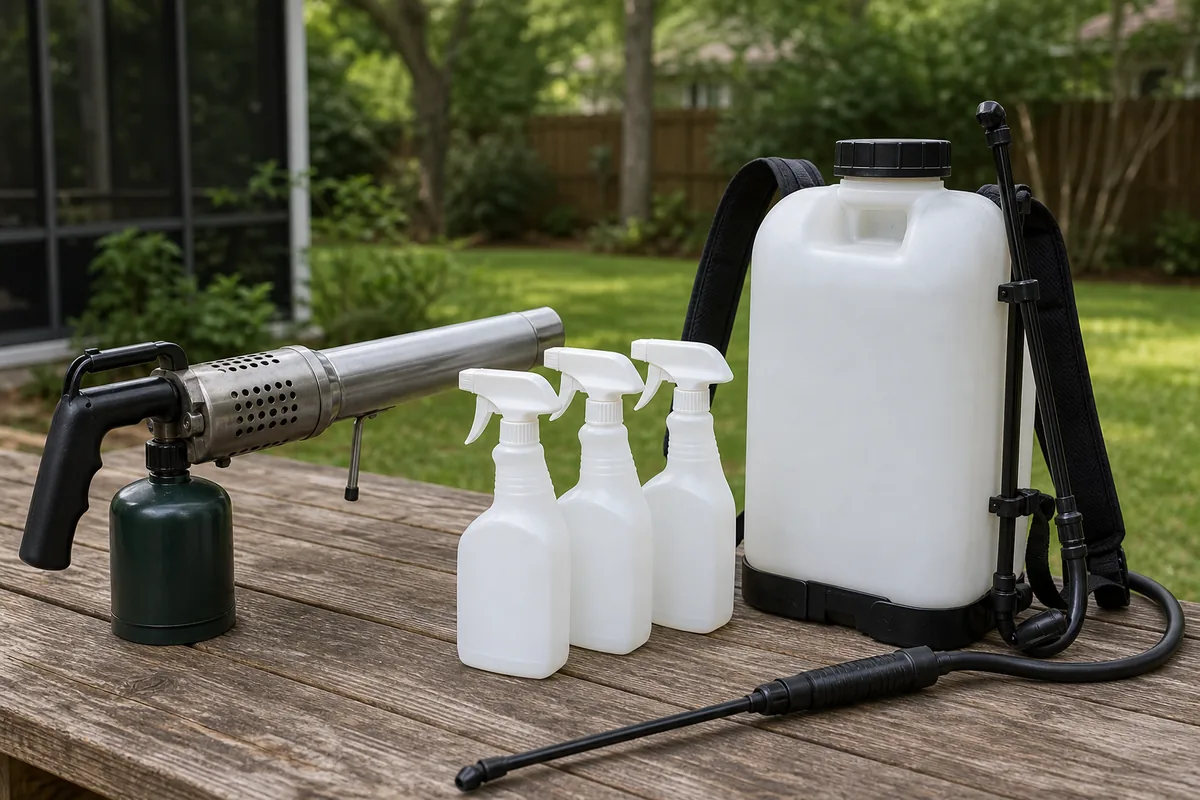
DIY equipment and product add up over a season, and the results are harder to keep consistent.
Professional vs. DIY Mosquito Control Cost Over a Season
Many homeowners explore DIY mosquito control first. Store-bought sprays, yard foggers, and backpack sprayers are widely available, and the upfront cost looks lower. But over a full season, the comparison is closer than it appears, and the results often are not.
Factor
DIY Mosquito Control
Professional Service
Upfront cost
$50 to $200 (equipment plus product)
$0 (no equipment needed)
Product cost per season
$100 to $300+
Included in service cost
Total seasonal cost (est.)
$150 to $500+
$325 to $500+
Treatment expertise
Self-applied
Board-trained technicians
Property inspection included
No
Yes
Larvicide source reduction
Rarely included
Standard practice
Re-treatment guarantee
No
Typically included
Time investment
2 to 4 hours per application
None (tech handles everything)
The cost difference narrows considerably when you factor in product quality, equipment, and your own time. Professional-grade products are not available over the counter, and proper application, targeting resting sites, breeding areas, and foliage at the right height and coverage rate, requires training and experience. A missed breeding site means the problem continues regardless of how often you spray the perimeter.
Is Professional Mosquito Control Worth the Cost?
For most homeowners in the Southeast, the answer is yes, particularly those with yards that see regular outdoor use, families with children, or properties near wooded areas and water features.
Here is a practical way to think about it: a seasonal mosquito control plan costs roughly the same as two or three tanks of gas per month. In exchange, you reclaim your backyard from early spring through late fall, without the time investment of self-treating every 21 to 30 days.
Professional mosquito control also includes services that DIY simply cannot replicate. A trained technician will conduct a property inspection, identify active breeding sites, apply larvicide to standing water, and treat adult resting areas with appropriately selected products. Many plans also include re-treatment guarantees. If mosquitoes return between scheduled visits, a technician comes back at no additional charge.
For homeowners who prefer a no-spray approach, In2Care mosquito stations offer a science-backed alternative that works continuously between service visits, making professional service even more hands-off.
Mosquito Season in the Southeast: Why Local Conditions Drive Costs
Residents of Georgia, Tennessee, Alabama, North Carolina, and South Carolina face one of the longest mosquito seasons in the country. The combination of warm winters, high humidity, and abundant rainfall creates ideal breeding conditions well before summer arrives, and keeps populations active well into October.
This extended season has a direct impact on how much mosquito spraying costs over a year. A homeowner in Atlanta or Charlotte may need five to seven treatments to cover the full active season, while a homeowner in a drier climate further north might only need three or four. The Southeast’s climate also makes larval source management more critical, since rain events can create new breeding sites between scheduled treatments.
When requesting a quote from a local mosquito control provider, ask specifically about treatment frequency recommendations for your area and property type. A company familiar with your region’s seasonal patterns will give you a more accurate picture of total annual cost than a national estimate.
Professional barrier treatments target the shaded vegetation where adult mosquitoes rest between meals.
Ready to Stop Guessing and Get an Accurate Quote?
Mosquito control cost is not one-size-fits-all. Your yard size, the presence of water features, the treatment method you choose, and the number of treatments you need across a Southeast season all factor into the final number.
The most reliable way to understand what mosquito control will cost for your specific property is to get a professional assessment. Northwest Exterminating provides free, no-obligation estimates for homeowners across Georgia, Tennessee, Alabama, North Carolina, and South Carolina.
Call (888) 466-7849 to speak with your local Northwest branch today.
Frequently Asked Questions About Mosquito Control Costs
How much does mosquito control cost per treatment?
A single professional mosquito treatment generally costs between $70 and $100 for a standard residential property in the Southeast. Larger lots, properties with extensive water features, or those requiring specialized treatment methods may cost more. Pricing is typically based on yard size, measured in quarter-acre or half-acre increments.
How much does a seasonal mosquito control plan cost?
A full seasonal plan for a typical quarter-acre to half-acre property runs $325 to $500+. Properties larger than a half-acre, or those with significant mosquito pressure from ponds, drainage areas, or wooded borders, may see seasonal costs reach $1,900 or more. Most Southeast homeowners need five to seven treatments to cover the full active season from spring through fall.
How often do you need mosquito treatments to keep populations under control?
Barrier spray treatments remain effective for 21 to 30 days before effectiveness declines. For consistent results through peak mosquito season, monthly treatments are the standard recommendation. Skipping treatments mid-season allows mosquito populations to rebound, particularly after rain events that create new breeding sites.
Is professional mosquito control worth the cost compared to DIY?
For most Southeast homeowners, yes. Professional service includes property inspection, larvicide treatment of breeding sites, adulticide application by trained technicians, and re-treatment guarantees, none of which are included in over-the-counter DIY products. When total seasonal costs are compared, professional service and DIY are often within a similar price range, but professional results are consistently more reliable.
How much does a mosquito misting system cost?
Automated mosquito misting systems cost $1,500 to $5,000+ to install, depending on yard size and the number of nozzles required. Ongoing costs include refilling the insecticide reservoir, periodic maintenance, and occasional system checks. Misting systems are a long-term investment best suited for larger properties or homeowners who want fully automated protection without scheduling recurring service visits.
What is the difference between barrier spray and In2Care mosquito treatment?
Barrier spray treatments apply adulticide directly to vegetation and resting areas, targeting adult mosquitoes present at the time of service. Treatments are typically reapplied every 21 to 30 days. In2Care mosquito stations use a biological approach. Stations placed around the yard attract egg-laying mosquitoes, which then carry larvicide back to additional breeding sites. In2Care is a no-spray option that works continuously between visits. The right choice depends on your property, lifestyle preferences, and level of mosquito pressure.
About the Author
Cory Goeltzenleuchter, B.C.E., P.H.E., CP-FS is the Director of Technical Services for Northwest Exterminating. As a Board Certified Entomologist and Public Health Entomologist, Cory is one of the organization’s leading technical experts in pest management. He oversees technical training, service standards, and industry best practices while helping ensure customers receive extraordinary service through science-based solutions, ongoing education, and innovative approaches across the Northwest Family of Brands.
Reviewed for accuracy by Neil Bloyd, Director of Learning & Technical Services for the Northwest Family of Brands. Neil leads training, professional development, and technical education initiatives that empower teammates to grow their expertise and better serve customers. Through his leadership and industry knowledge, Neil helps foster a culture of continuous learning and supports science-based pest management solutions across the organization.
Spending time outdoors is a great way to escape the hustle and bustle of everyday life. Whether it’s spending time by the pool, having a picnic, or just lounging in the yard, relaxing outside is a great activity for the whole family. But the last thing you want to have to deal with while spending time in your yard are mosquitoes. Mosquitoes can be a danger to your family and even pets as they survive by sucking blood from animals and humans. They are usually found in areas of high humidity looking for stagnant, standing water to breed. Luckily, there are ways you can prep your yard to prevent mosquitoes.
Remove Unnecessary Items
Since mosquitoes breed in standing water, it is essential to eliminate any items that could hold water. Items such as foundations, toy buckets, outdoor pet bowls, flowerpot sauces, tarps, pool covers, and more should not stay in your yard for a long period of time. It’s also important to remove excess grass, leaves, firewood, and yard clippings as mosquitoes tend to stay in grass and debris around your home.
Clean Your Gutters
Clogged gutters can not only create standing water but will also catch debris and leaves. This provides mosquitoes a perfect breeding location. Make sure that your gutters are clean and clear, especially after a thunderstorm. Consider installing gutter guards to help prevent clogs and clutter.
Fill Hollow Areas
Any low-lying areas like ditches can also collect standing water after rain or watering plants. Make sure to check around your yard that you don’t have these; if you do notice them you can simply fill them in with dirt. Additionally, check for any hollow logs and stumps throughout your yard. They not only can hold standing water but will also provide overwintering mosquitoes a place to hibernate during cold weather.
Maintain the Pool
If you have a well-maintained pool, mosquitoes will most likely avoid it. However, if a pool goes unused for a long period of time, these pests will be attracted to the stagnant water. Make sure to keep the pool maintained or covered if you’re planning to not use it for a while.
By utilizing these tips, you can start to enjoy your yard and worry less about mosquito bites! If you are still having an infestation of mosquitoes, it’s best to contact your local pest company to provide you with the best plan of action to eliminate mosquitoes. Request a Free Estimate now to get started.
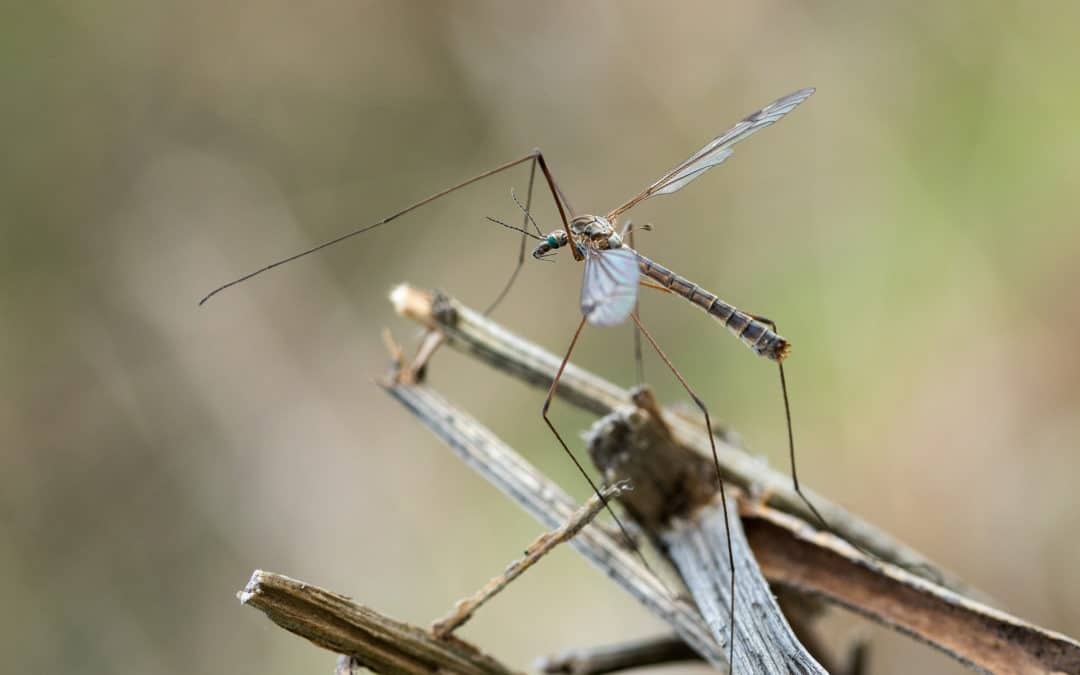
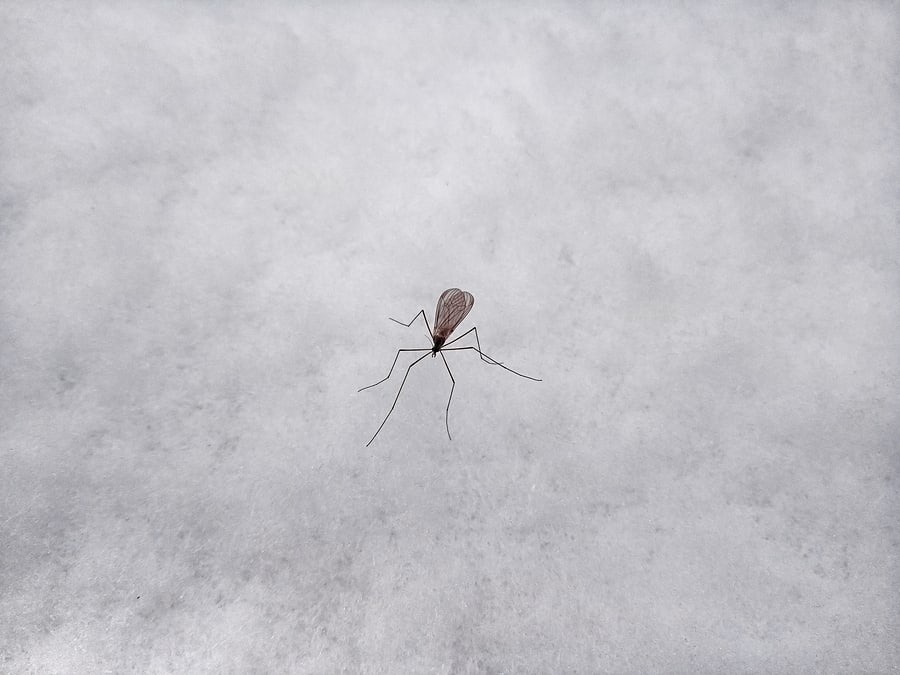
Imagine sitting outside, enjoying the weather with family, when you notice what looks to be a mosquito but it’s massive! No, this isn’t a super-sized mosquito, though it may look like one; it’s just a crane fly. Mosquitoes and crane flies can look very similar to one another, though they are very different by nature.
Crane flies can be black, red, or yellow in color depending on their species. Their wings can be transparent, brown, grayish-black or even brownish-yellow. They typically have extremely long legs and elongated faces opposed to the much smaller body of the mosquito. Active in the fall and spring, these creatures enjoy lawns near wooded areas or open fields where the females can lay eggs in the grass. They also tend to increase in numbers when there is a surge of dampness or heavy rainfall.
While mosquitoes can be considered a threat since they are known to survive off the blood of warm-blooded creatures, crane flies are deemed harmless and even gentle creatures. The only real damage that a crane fly can cause is in their larvae state after hatching when they will typically eat grass roots, leaving large brown patches on the lawn.
If you happen to see crane flies roaming around in your yard, don’t be too alarmed as they are no real threat to human health. If you are noticing more mosquitoes flying around, though, that could be a concern. It’s always best to contact a local pest control company who can help identify these pests and suggest a treatment plan if needed.
By Matthew “Logan” Walker, Area Technical Leader — Northwest Service Centers, Georgia · Last updated: July 2026
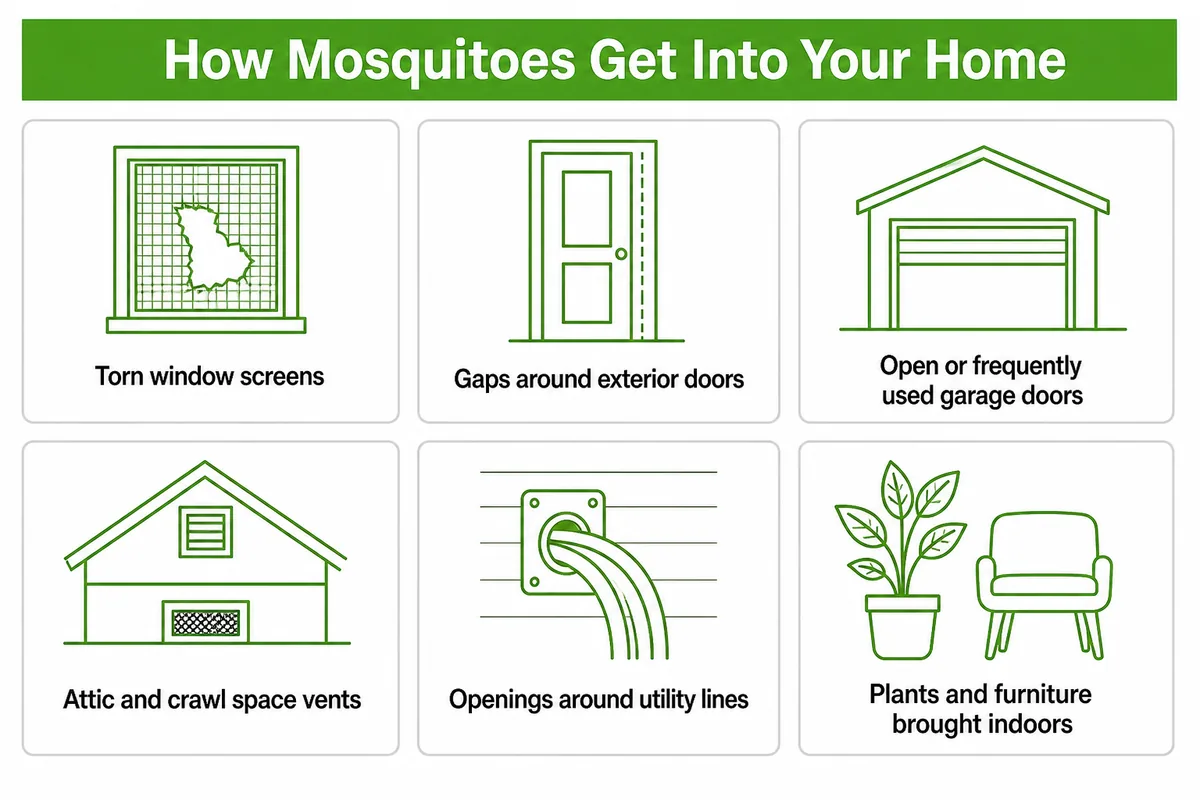
Quick answer: Mosquitoes enter through torn screens, gaps around doors, garages left open, attic and crawl space vents, and small openings around utility lines. They can also hitch a ride indoors on plants or outdoor furniture. Once inside, they hide in cool, dark, humid spaces until they are ready to feed. If you continue seeing mosquitoes inside your home, there is often an outdoor breeding site nearby that needs attention.
If you are asking, ‘Why are there so many mosquitoes in my house?’ the answer is usually one of two things. Mosquitoes are either finding easy ways to enter your home or they are breeding in standing water somewhere on or around your property. Swatting a few mosquitoes may solve today’s annoyance, but identifying the source is the key to solving the problem for good. In the Southeast, warm temperatures, humidity, and frequent rain create ideal mosquito conditions for much of the year, making prevention especially important.
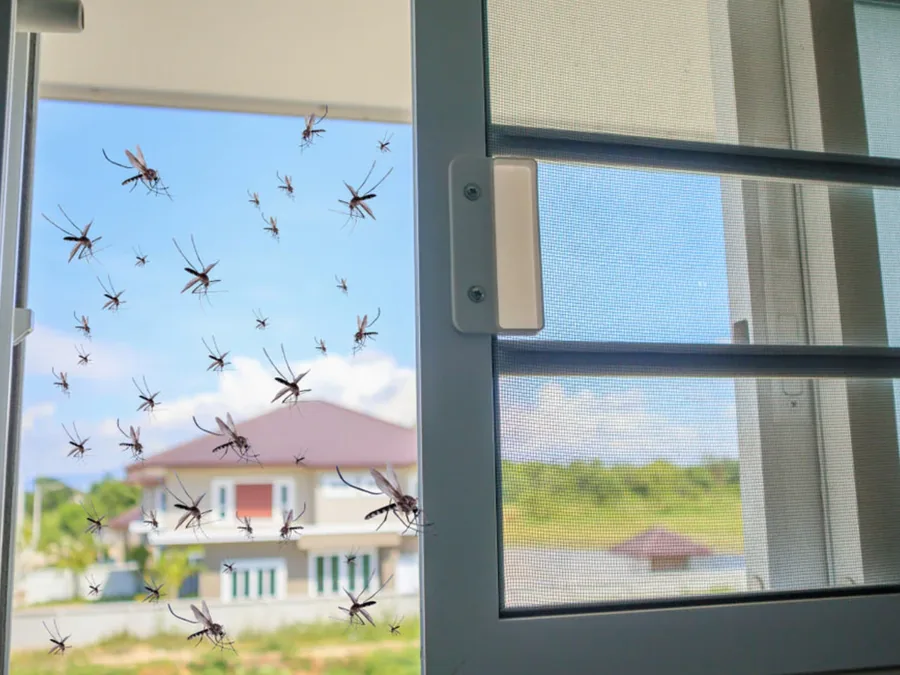
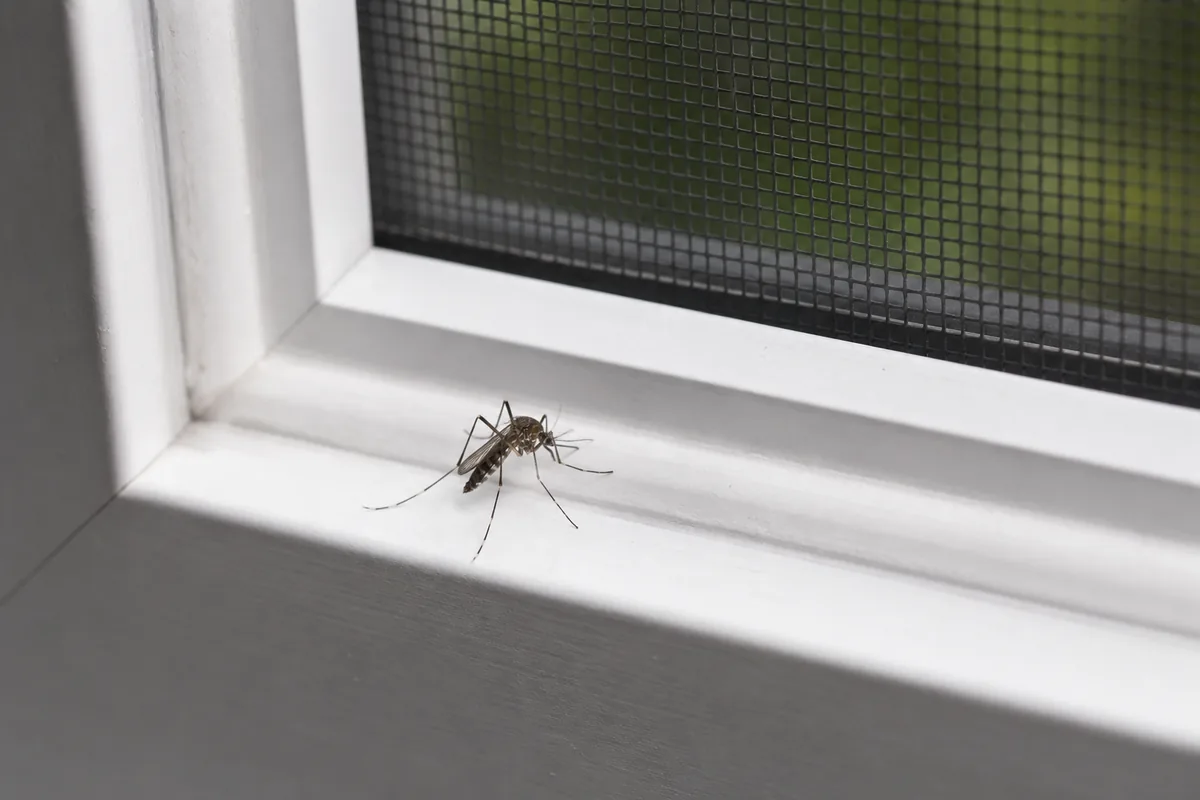
A torn screen or a gap around a window is all a mosquito needs to move from the yard into your living space.Most indoor mosquitoes come in through a handful of predictable openings you can inspect in an afternoon.
How Mosquitoes Get Inside
Even well-maintained homes have small openings that mosquitoes can use. Inspect window screens for tears, check weather stripping around exterior doors, and look for gaps where plumbing, cable, or electrical lines enter the home. Open garage doors and frequently opened entry doors also allow mosquitoes inside. Homeowners often overlook crawl spaces and attic vents, which can become easy entry points if screening is damaged.
Hidden Indoor Breeding Sources Most People Miss
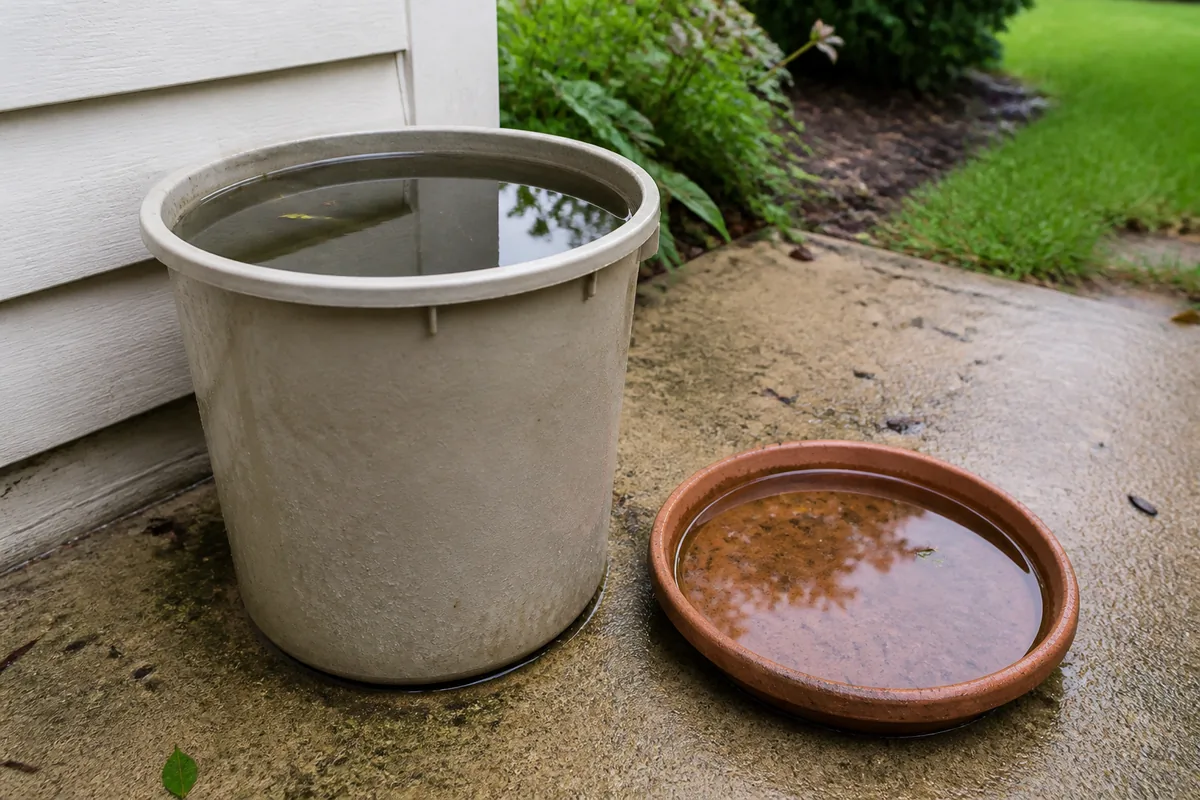
Although most mosquitoes breed outdoors, some species can develop in very small amounts of standing water indoors. Check floor drains, sink overflows, utility rooms, sump pits, crawl spaces, plant saucers, flower vases, pet water bowls left outside, buckets, and anything that collects water for several days. Even a small amount of stagnant water can support mosquito larvae.
Where Mosquitoes Hide Indoors
Mosquitoes avoid bright light and moving air during the day. They typically rest behind curtains, under furniture, inside closets, in bathrooms, laundry rooms, garages, basements, and other cool, humid areas. If you are trying to catch a mosquito in your house, search these quiet locations before evening when mosquitoes become more active. Clearing them out quickly also helps you avoid waking up to itchy mosquito bites.
A single container that holds water for a few days after rain can produce the next generation of mosquitoes.
How to Get Rid of Mosquitoes in the House
Start by removing every source of standing water you can find. Repair damaged screens, install new door sweeps if needed, and seal obvious gaps around utility penetrations. Use a fly swatter, mosquito trap, or vacuum to remove adults already inside. Running ceiling fans can also help because mosquitoes are weak fliers. If mosquitoes continue appearing after these steps, inspect the yard for breeding areas such as clogged gutters, children’s toys, bird baths, tarps, low spots, or containers holding rainwater. For a full outdoor plan, see our backyard mosquito control guide.
How to Keep Them From Coming Back
Long-term mosquito control requires both exclusion and prevention. Regularly empty standing water, keep gutters flowing, trim vegetation around the home, repair screens promptly, and reduce excess moisture around crawl spaces and foundations. According to the CDC, removing standing water around the home is one of the most effective ways to control mosquitoes. Professional mosquito control programs target resting areas and breeding habitats, helping reduce mosquito populations before they reach your doors and windows.
Why Mosquitoes Are So Common in Southeast Homes
Homes throughout Georgia, Tennessee, Alabama, and the Carolinas experience long mosquito seasons because of warm weather and high humidity. Shaded landscapes, wooded lots, crawl spaces, and afternoon rainstorms all contribute to mosquito activity. Managing mosquitoes early in the season helps reduce pressure throughout the summer and into the fall.
Quick Action Plan
Walk through your home and remove any standing water.
Inspect window screens, door sweeps, and utility penetrations.
Check dark, humid rooms where mosquitoes rest during the day.
Inspect your yard for water-holding containers, clogged gutters, bird baths, and low spots.
If mosquitoes continue returning, schedule a professional mosquito inspection.
Why Indoor Mosquitoes Often Mean an Outdoor Problem
Many homeowners focus on the mosquitoes they can see inside without realizing the source is often outside. Adult mosquitoes only travel so far from where they hatch. If several mosquitoes are finding their way indoors every day, there is a good chance a breeding site exists on your property or very close by. Treating both the yard and the home provides the best long-term results.
“When homeowners have mosquitoes indoors, we almost always find an outdoor breeding source or an overlooked entry point. Addressing both provides the best long-term results,” says Matthew “Logan” Walker, Area Technical Leader at Northwest Exterminating.
Additional Prevention Tips
Regular home maintenance plays an important role in mosquito prevention. Keep vegetation trimmed away from the home, monitor irrigation so water does not pool near the foundation, clean gutters seasonally, and inspect outdoor containers after heavy rain. Consistent inspections help homeowners find problems before mosquito populations grow. These simple habits support professional mosquito control and help reduce the chances of mosquitoes entering your home.
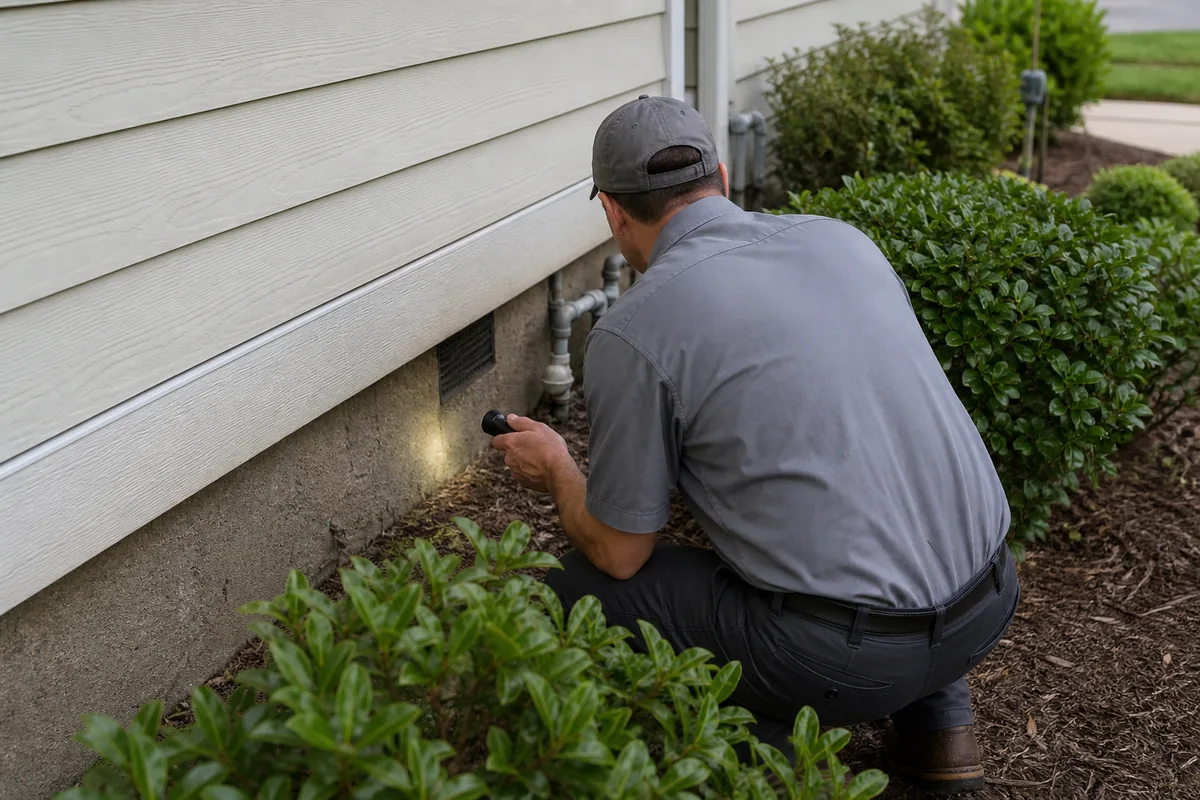
A professional inspection checks the yard and the home together, which is where lasting mosquito control starts.
Get Mosquitoes Out and Keep Them Out
If mosquitoes are making it inside your home, the problem may be bigger than the few you can see. Northwest Exterminating can identify breeding areas, reduce mosquito populations around your property, and help keep mosquitoes from returning. Contact your local Northwest Exterminating team today for a free mosquito control estimate.
Call (888) 466-7849 to speak with your local Northwest branch today.
Frequently Asked Questions About Mosquitoes in the House
Why are there suddenly so many mosquitoes in my house?
New indoor mosquito activity usually means they have discovered an easy entry point or a nearby breeding source.
Can mosquitoes breed inside your home?
Yes. Standing water in drains, plant saucers, sump pits, and other containers can support mosquito development.
How long do mosquitoes live indoors?
Many adult mosquitoes can survive several weeks indoors if they have access to moisture and shelter.
Where do mosquitoes hide in the house?
Closets, bathrooms, garages, basements, behind curtains, and under furniture are common hiding places.
How do I get rid of mosquitoes in the house?
Remove standing water, seal entry points, eliminate active mosquitoes, and address outdoor breeding areas.
How do I find where mosquitoes are coming from?
Inspect both inside and outside your home for standing water and obvious entry points.
About the Author
Matthew “Logan” Walker serves as an Area Technical Leader for the Northwest Service Centers in Georgia. He provides technical support, mentorship, and field training to teammates while promoting industry best practices and effective pest management strategies. Logan’s hands-on experience and commitment to education help teams deliver extraordinary service and exceptional customer care.
While we don’t often think of mosquitoes in the cold winter months, don’t let them stray too far from your mind. Although they might not be active this time of year, it’s never too early to start preparing for the start of mosquito season. Prevention is key in mosquito control. While most male mosquitoes die off when colder weather moves in, female mosquitoes go into a state similar to hibernation called diapause. They are oftentimes fertilized just before they enter diapause so that they are ready to lay eggs as soon as the weather warms up in the spring. Mosquito eggs can also go into diapause. Female mosquitoes will often lay eggs in standing water just before the weather cools down for winter. These eggs will then go into diapause and then hatch once the temperatures increase to above 50 degrees Fahrenheit consistently. Because of this, winter is a great time to perform some do-it-yourself mosquito prevention techniques.
Mosquitoes will look to overwinter in sheltered areas on your property. These often include garbage, yard debris, old tires, bins, piles of leaves, logs, and tree trunks. Make sure to keep your yard clean and get rid of any objects that might house mosquitoes through the winter.
Mosquitoes will also look for standing water to lay their eggs in before winter sets in. If this water goes undisturbed throughout the winter, those eggs will then hatch once temperatures warm up. If you notice any standing water on your property, even during the wintertime, get rid of it to get rid of those resilient mosquito eggs. Remove or overturn buckets, wheelbarrows, unused flower pots, or anything else that can hold water after rain or snow. Rake up any leaves that fall during the season. Make sure patio furniture, play equipment, and outdoor toys aren’t collecting water, as well. Make sure gutters stay clear and consider installing gutter guards to help prevent clogs. Repair any leaky pipes and keep trash cans sealed tightly.
Mosquitoes will also look to stay in tall grass and overgrown vegetation. It provides good cover for them to enter diapause through the winter. Make sure to keep your grass mowed and clear out any overgrown vegetation on your property.
Consider planting mosquito-repelling plants such as rosemary, mint, and lavender on your property.
Check the Mosquito Activity Forecast from weather.com before spending any time outdoors and dress accordingly. Wear appropriate clothing and apply insect repellent as needed.
Invest in a professional mosquito treatment from a licensed pest control company. In our area, mosquito service starts in March so go ahead and schedule your service before mosquito season starts in the spring.
Even with cold weather on the way, mosquitoes will stay active through the fall months. It is important to continue to take precautions when outdoors and be wary of breeding sites around your home. Doing so will cut down on mosquito populations and the spread of mosquito-borne diseases like Eastern Equine Encephalitis, a disease that has had 20 human cases in 2019 in the United States.
Eastern Equine Encephalitis (EEE) is rare, but it can be life-threatening. There are two types of illnesses caused by EEE: systemic and encephalitic, with the latter being the most serious. The symptoms after a bite are flu-like including chills, fever, and pain in joints. However, if encephalitic, the symptoms can escalate to vomiting and convulsions. There have been cases recorded in Massachusetts, Michigan, New Jersey, North Carolina, Rhode Island, and Connecticut.
During mosquito season, look to use these tips to cut down on mosquito encounters:
Remove areas of standing water around your home and business
Utilize insect repellent containing DEET
Avoid outdoor activities during peak mosquito times which are dawn and dusk
Call a professional mosquito control company to get a thorough inspection and comprehensive treatment plan to help combat the mosquitoes around your home
Contracting this disease is rare, but by taking these precautions you can help further protect you and your family from mosquitoes and their bites. Click here for more information on EEE cases in the United States.
*Inspection fee for Bird Control or Snake Removal begins at $125. These service inspection fees will be applied to total service cost if bird control and/or snake removal services are completed.
By submitting, you agree to be contacted about your quote. See our Privacy Policy.
READY TO GET STARTED?
REQUEST A FREE ESTIMATE
Fill out the form below or call (866) 800-2197 for a free, no-obligation estimate.
READY TO GET STARTED?
REQUEST A FREE ESTIMATE
Fill out the form below or call (866) 800-2197 for a free, no-obligation estimate.
READY TO GET STARTED?
REQUEST A FREE ESTIMATE
Fill out the form below or call (855) 374-3795 for a free, no-obligation estimate.