Nov 15, 2024 | Pest Control
As winter sets in and temperatures drop, rodents begin looking for warmth, food, and shelter — often finding it inside homes. Many homeowners across Georgia experience an uptick in rodent issues during the colder months. This seasonal shift creates a heightened need for effective rodent control to protect your home from potential infestations. In this guide, we’ll cover why rodents are more likely to invade in winter, the types of rodents that commonly infest homes, and actionable tips to help you prevent future rodent issues.
Why Rodents Seek Shelter Indoors in Winter
Rodents, like all animals, seek a stable environment to survive through the colder months. When winter arrives, food and water sources become scarcer outdoors, pushing these creatures to find alternatives. Indoor spaces provide the warmth and shelter they need to survive. They often target areas like attics, basements, garages, and even kitchens where food and nesting materials may be available.
Common entry points for rodents include small cracks, holes, and gaps in walls, roofs, and foundations. Rats and mice can squeeze through surprisingly tiny openings, with mice needing only a quarter-inch gap to gain entry. Once inside, they multiply quickly, which is why a minor rodent issue can turn into a full-blown rodent infestation if not addressed promptly.
Types of Rodents That Infest Homes During Winter
In Georgia, the most common types of rodents that invade homes in winter are:
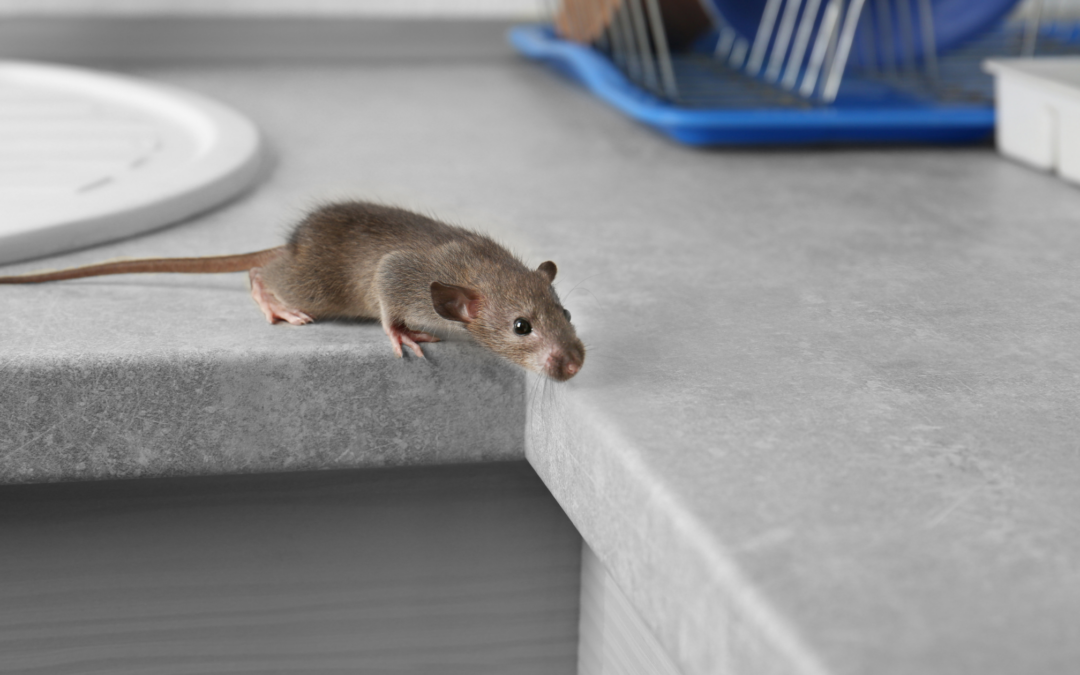
- House Mice: Small and adaptable, house mice are known for their ability to enter through tiny openings and thrive indoors. They are typically light brown or gray and have large ears in proportion to their bodies.
- Norway Rats: Larger than mice, Norway rats are brown with long, scaly tails. They tend to stay close to the ground and are commonly found in basements and garages.
- Roof Rats: Black or dark brown and more agile than Norway rats, roof rats are known to climb trees, walls, and power lines, making their way to attics and upper floors of buildings.
Each type poses unique challenges and can cause extensive damage to a home’s structure, wiring, insulation, and more if left unchecked. Understanding the kinds of rodents prevalent in Georgia can help you recognize their presence sooner and take action.
Signs of Rodents in Your Home
Before tackling rodent control, it’s important to know the signs of a rodent infestation. Here are the key indicators:
- Droppings: Small, dark droppings around cabinets, drawers, or along walls are often the first sign of rodent activity.
- Gnaw Marks: Rodents gnaw on various materials to keep their teeth sharp, including wood, wires, and food containers.
- Scratching or Scurrying Sounds: Especially at night, you may hear these sounds coming from walls, ceilings, or attics.
- Nests: Rodents build nests out of soft materials like paper, fabric, or insulation, typically in secluded areas.
- Foul Odor: An unpleasant, musky odor may indicate the presence of rodents, especially in confined spaces.
If you notice any of these signs, it’s time to consider immediate rodent control measures. A local pest control company can help you evaluate the severity of the infestation and recommend effective solutions.
Rodent Control Tips for Winter
The best approach to rodent control in winter is a combination of prevention, exclusion, and routine maintenance. Here’s how you can effectively protect your home:
1. Seal Entry Points
Since rodents can squeeze through even the smallest gaps, it’s essential to thoroughly inspect and seal any entry points.
- Check for Cracks and Holes: Inspect your home’s exterior, especially around doors, windows, vents, and the foundation. Seal any cracks with caulk, steel wool, or hardware cloth.
- Weatherproof Doors and Windows: Install door sweeps on exterior doors and use weather stripping to close any gaps in windows.
- Inspect Roofs and Attics: Look for any entry points along the roofline and in the attic. Repair or block any gaps using durable materials.
2. Eliminate Food Sources
Rodents are attracted to food, so keeping your home clean and food sources secured can deter them.
- Store Food Properly: Use airtight containers for all pantry items and avoid leaving food out overnight.
- Dispose of Trash Regularly: Ensure that your garbage cans have tight-fitting lids, both indoors and outdoors.
- Clean Up Crumbs and Spills: Regularly clean areas like the kitchen and dining room to remove any food particles that could attract rodents.
3. Remove Clutter and Nesting Materials
Rodents prefer areas with plenty of hiding spots and nesting materials.
- Declutter Storage Areas: Keep attics, basements, and garages organized, and avoid piling up cardboard boxes or old newspapers.
- Keep Yard Tidy: Trim trees, shrubs, and vegetation close to the house. Removing woodpiles and debris also eliminates hiding spots.
4. Maintain Outdoor Spaces
The outside of your home can be just as attractive to rodents as the inside.
- Clear Away Outdoor Food Sources: Rodents are attracted to bird feeders and pet food left outdoors. Use rodent-proof feeders and clean up any spills.
- Protect Compost Bins: If you have a compost pile, ensure it’s sealed properly to prevent rodents from feeding on it.
Why Professional Rodent Control Is Important
DIY methods can help, but they may not always solve the problem. Partnering with a reputable pest control company for rodent control is crucial for long-term prevention. Professionals can inspect your home, identify all potential entry points, and recommend solutions like rodent exclusion to secure vulnerable areas.
Additionally, a pest control professional can help you implement a monitoring system to detect any recurring issues, enabling quick responses to prevent future infestations. Look for a company that specializes in rodent control near me to ensure they understand the local rodent species and effective deterrent methods.
Final Thoughts on Preventing a Rodent Infestation This Winter
Winter months often mean an increased risk of a rodent infestation, but by being proactive, you can keep your home rodent-free. Sealing entry points, removing food sources, and maintaining a clutter-free environment can go a long way in preventing these pests from invading. However, if you notice signs of rodents in your home, don’t wait to seek professional help.
Working with an experienced pest control company can make all the difference in keeping your home safe, secure, and rodent-free. By taking these steps now, you can help prevent rodents from making your home their winter hideaway.

Nov 8, 2024 | Pest Control
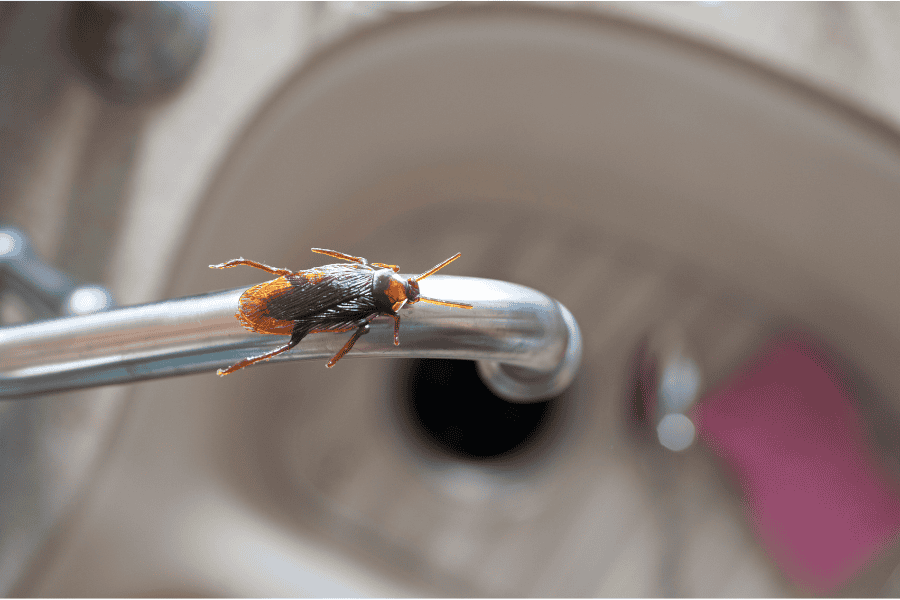
Moving to a new home is an exciting chapter, but it’s also a prime opportunity for pests—especially cockroaches—to sneak into your life and make themselves at home in your boxes, furniture, and other belongings. Roaches are resilient pests that thrive in small, dark hiding spots and can easily hitchhike from one location to another. Here’s a guide on how to prevent these unwanted guests from joining you on your move, along with general tips to keep roaches out of your new home.
Understanding Cockroach Behavior
To effectively prevent roaches from moving with you, it’s helpful to understand their habits and needs. Roaches are particularly drawn to food sources and areas that provide moisture and shelter.
What Do Roaches Eat?
Roaches are omnivores and can consume a wide range of organic materials. They are particularly drawn to leftover food, grease, crumbs, and even pet food. Cockroaches also eat paper, cardboard, and certain fabrics, making moving boxes and stored items potential attractions.
Can Roaches Fly?
Some cockroach species, like the American cockroach, are capable of limited flying, though they prefer to crawl. Knowing whether roaches can fly helps you understand how they spread and why securing all your belongings is essential when moving.
Pro Tips for Keeping Roaches Out of Your Moving Boxes
Here are the best practices to follow before and during your move to prevent roaches from taking up residence in your belongings.
Inspect and Clean All Items Before Packing
Roaches often hide in appliances, furniture, and dark, undisturbed places. Start by cleaning each item thoroughly. Wipe down surfaces, vacuum cracks and crevices, and check for any signs of cockroaches, such as egg casings, droppings, or shed skins. Focus on items stored in basements, kitchens, and closets, as these areas are common hiding spots for roaches.
Use High-Quality Boxes and Seal Them Tight
When packing, use new, sturdy boxes if possible, as reused boxes can harbor roach eggs and larvae. Place items in plastic bags before putting them in boxes to add an extra layer of protection. Once packed, seal boxes securely with packing tape to keep pests out.
Avoid Packing Food or Perishable Items
If you must transport food items, make sure they’re in airtight containers to avoid attracting roaches. However, it’s often best to avoid moving food altogether, as even small crumbs or residue can attract pests.
Don’t Bring Used Cardboard Boxes
While it can be tempting to pick up free boxes from stores or friends, reused boxes are often stored in garages or basements where roaches are common. Opt for new boxes whenever possible, and recycle any boxes you don’t need.
Inspect Appliances Carefully
Appliances like microwaves, toasters, and refrigerators can harbor food particles and moisture that attract roaches. Clean them thoroughly before packing, and check all crevices where roaches might hide. Consider wrapping appliances in plastic bags to contain any pests that may escape detection.
Moving into Your New Home – Preventing an Infestation
Once you arrive at your new home, there are key steps you can take to prevent any hidden pests from settling in.
Unpack in a Clean, Open Area
Before bringing boxes directly into your new home, inspect them for any roaches or other pests. Unpack items outside if possible, and wipe down each item before placing it inside. Dispose of packing materials immediately to prevent them from using them as hiding spots.
Clean the New Home Thoroughly
Even if your new home appears spotless, roaches could still be hiding in cracks, crevices, and dark corners. Vacuum carpets, mop hard floors, and wipe down all surfaces. Pay special attention to kitchens and bathrooms, as these areas often provide food and moisture sources that attract cockroaches.
Seal Cracks and Gaps
Roaches can enter through tiny openings in walls, windows, and baseboards. Use caulk to seal any gaps around plumbing, electrical outlets, windows, and doors. Sealing these entry points reduces the likelihood of roaches finding a way in.
General Tips to Prevent Roaches in Your Home
Keeping roaches out of your new home requires ongoing vigilance and cleanliness. Here are some essential cockroach control tips to follow.
Remove Food and Water Sources
Roaches are constantly on the hunt for food and water. Clean up crumbs and spills immediately, and keep food in airtight containers. Pet food should be stored securely and not left out overnight. Fix any leaky faucets or pipes, as roaches are attracted to moisture and can survive for weeks on water alone.
Limit Roach Hiding Spots
Roaches thrive in cluttered environments where they can hide and breed. Keep storage areas tidy, minimize paper clutter, and avoid stacking cardboard boxes or newspapers. Regularly clean out cabinets and storage spaces to deter roaches from making these areas their homes.
Take Out the Trash Regularly
Trash bins are a major attraction for roaches, especially if they contain food waste. Use trash cans with tight-fitting lids and take out the garbage frequently. Regularly clean the inside of the trash bin to remove any spills or residue.
Utilize Natural Roach Deterrents
Essential oils such as peppermint and tea tree oil are natural roach deterrents. You can dilute these oils with water and spray them in areas where roaches are likely to enter, such as under sinks, around trash cans, and in cupboards. While not a guaranteed solution, natural deterrents can help reduce cockroach activity.
Consider Preventative Pest Control Services
Enlisting the help of a professional cockroach exterminator can be one of the most effective ways to keep roaches out. A pest control company can perform regular inspections, treat your home with preventive measures, and offer advice on further roach prevention steps. Professional treatments can be especially valuable in high-risk areas such as kitchens and bathrooms, where roaches are often drawn to food and water sources.
Know When to Call for Help
If you notice signs of cockroach infestations in your new home despite taking preventive measures, it may be time to call in a pest control professional. Roaches reproduce rapidly, and even a single sighting can indicate a larger problem. Look out for these signs of infestation:
- Cockroach droppings: Tiny, dark spots or smear marks on surfaces, particularly in kitchens or bathrooms.
- Egg casings: Small, brown casings where roaches deposit their eggs, often hidden in cracks and crevices.
- Unpleasant odors: Large infestations can produce a strong, musty smell.
A cockroach exterminator can assess the extent of the infestation and provide targeted treatment options to eliminate roaches and prevent them from returning.
Moving to a new home is a chance to start fresh, and taking steps to prevent roaches from tagging along is an important part of that process. By inspecting and cleaning items before packing, using quality packing materials, and practicing good hygiene in your new space, you can greatly reduce the risk of cockroach infestations. And for ongoing protection, consider enlisting the help of a pest control company that specializes in cockroach control and prevention. With these pro tips, you can enjoy a roach-free home and a peaceful start to your new journey.
Oct 31, 2024 | Pest Control
Boxelder bugs may not be the most harmful pests, but they can become a nuisance, especially when they show up in large numbers. These bright red and black insects tend to gather on the sunny sides of buildings, making them hard to ignore. While they don’t typically cause significant damage, it’s essential to know how to manage their presence around your home. This blog answers frequently asked questions about boxelder bugs and provides information on how to prevent them from becoming a problem.
FAQs About The Boxelder Bug
1. What Are Boxelder Bugs?
Boxelder bugs are insects that are easily recognizable by their black bodies with bright red or orange markings on their wings and edges. They measure about half an inch long and have an elongated, somewhat flat body. These bugs are most commonly associated with boxelder trees, but they can also be found near other trees like maples and ash.
2. Where Are Boxelder Bugs Commonly Found?
As their name suggests, boxelder bugs are often found on or near boxelder trees. However, you might also find them around maple and ash trees. During warm months, they live outdoors, feeding on seeds, leaves, and fruits of these trees. When temperatures drop, they seek warmth by congregating on the sunny sides of buildings, eventually finding their way inside homes through cracks and crevices. They are particularly common in the fall when they start to seek shelter for the winter.
3. Are Boxelder Bugs Harmful?
Boxelder bugs are generally not harmful to humans or pets. Do boxelder bugs bite? No, they do not bite, sting, or transmit diseases. However, they can be a nuisance when they invade homes in large numbers. They don’t cause structural damage, but their droppings can stain walls, fabrics, and other household surfaces. In rare cases, boxelder bugs may damage young plants by feeding on their leaves, but this is not common.
4. What Do Boxelder Bugs Eat?
Boxelder bugs primarily feed on the seeds, leaves, and flowers of boxelder, maple, and ash trees. They use their piercing-sucking mouthparts to extract juices from the trees’ leaves and seeds. While their feeding does not generally harm mature trees, it can cause minor cosmetic damage, such as leaf discoloration or wilting.
5. Do Boxelder Bugs Lay Eggs Inside Homes?
No, boxelder bugs do not lay eggs inside homes. During the warmer months, they lay eggs on the leaves, bark, and seeds of boxelder and other host trees. The eggs are red or rust-colored and hatch into nymphs, which are bright red and look like smaller versions of the adult bugs. Although they may enter homes to escape the cold, they do not breed indoors.
6. How Can I Prevent Boxelder Bugs?
Preventing boxelder bugs from entering your home starts with sealing entry points. Inspect windows, doors, and other potential entryways for cracks and seal them with caulk or weatherstripping. Make sure screens on windows and doors are in good condition.
To further deter these pests, it’s a good idea to remove boxelder trees from around your home or prune any branches that are close to the house. Since boxelder bugs are attracted to warmth, you might notice them gathering on the sunny side of your home. A strong spray of water can knock them off walls and discourage them from congregating.
7. How to Get Rid of Boxelder Bugs?
If you’re dealing with large numbers of boxelder bugs, vacuuming them up is an effective way to remove them from inside your home. If you notice them on your walls, ceilings, or windowsills, use a vacuum to capture and dispose of them. You can also sweep them up or use a damp cloth to wipe away smaller infestations.
For outdoor infestations, a solution of water and mild dish soap can be sprayed directly on the bugs to kill them. Be sure to target them on warm surfaces like the sides of your home or near entry points.
8. When Should I Call a Pest Control Company?
While boxelder bugs are not dangerous, having them in large numbers can be overwhelming, especially if they invade your home. If you’re struggling to control an infestation, contacting a pest control company is a smart decision. Professional pest control experts can help identify and seal entry points, apply targeted treatments, and provide ongoing prevention strategies to keep boxelder bugs and other pests out of your home.
Although boxelder bugs are not typically harmful, they can become a nuisance, especially when they gather in large numbers. Preventing their entry into your home and managing their presence outdoors is key to avoiding the problems they can cause. If you need help with an infestation or have concerns about these pests, contact a local pest control company to get expert assistance and keep your home pest-free.
Sep 26, 2024 | Pest Control
Winter can be a cozy time for many Alabama homeowners, but it’s also the perfect time for rodents to start seeking warmth and shelter – often inside our homes! To keep your property rodent-free during the colder months, placing a few DIY preventative measures can make all the difference. Let’s dive into some practical and easy-to-implement tips to help you protect your home from unwanted wildlife visitors year-round.
Tips to Keep Your Home Rodent-Free
Seal Entry Points
Rodents can squeeze through surprisingly small openings. Inspect your home for gaps around doors, windows, and your home’s foundation. Use weatherstripping or caulk to seal up any cracks or holes. Don’t forget to check for openings around pipes, vents, and utility lines—these are common entry points that rodents love.
Keep Your Home Clean and Tidy
A clean home is less attractive to rodents. Be sure to store food properly by keeping food in airtight containers, especially in the pantry. Likewise, look to clean up crumbs by regularly sweeping, mopping, and vacuuming to eliminate food scraps that could attract rodents. Don’t forget to take out the trash on a regular basis and dispose of it in trash bins that are tightly sealed.
Maintain Your Yard
Your yard is the first line of defense against rodents, so it’s important to keep it well-maintained. Trim back your vegetation throughout your property as rodents love to hide in overgrown shrubs and tall grass. Keeping this trimmed will help to reduce their hiding spots. Clear away piles of leaves, wood, and other debris that could serve as shelter for rodents. Look to keep any firewood or lumber at least 20 feet away from your home and elevate it off the ground.
Call a Professional
Sometimes, despite your best efforts, rodents find a way in. If you’re dealing with an infestation or want to ensure your home is protected, it might be time to call a pest control company near you. These professionals can assess your home, provide rodent control treatments, and offer advice specific to Alabama’s climate and rodent population.
Keeping your Auburn home rodent-free during the winter months doesn’t have to be difficult. With a little effort, you’ll enjoy a cozy, rodent-free winter season.
Sep 20, 2024 | Pest Control
Pest control is an essential part of maintaining a clean and safe home, especially when faced with recurring pest problems. When unwanted pests invade, the first instinct for many homeowners is to search for quick and effective solutions. For some, this means tackling the issue themselves with do-it-yourself (DIY) pest control methods, while others prefer to call in professional pest control services.
Both approaches come with their own advantages and drawbacks, and understanding them can help you make an informed decision about which method works best for your specific pest problem. In this article, we will explore the pros and cons of DIY pest control and professional pest control, highlighting factors like cost, effectiveness, safety, and long-term results.
The Pros of DIY Pest Control
1. Cost-Effectiveness
One of the biggest advantages of DIY pest control is the potential cost savings. Professional pest control services can come with significant fees, which can add up over time. Many homeowners prefer to buy pest control products and handle the issue themselves, believing it will save money in the long run.
DIY pest control products, such as sprays, traps, and bait systems, are often available at affordable prices at local hardware or home improvement stores. Additionally, online retailers provide a wide variety of pest control solutions, making it easy to find what you need at a reasonable cost.
2. Immediate Action
When you spot pests in your home, immediate action is often necessary to prevent further damage or infestation. DIY options allow homeowners to take action right away without waiting for a professional service to arrive.
With DIY pest control solutions readily available in stores or online, you can quickly eliminate pests like ants, spiders, or cockroaches as soon as you notice them.
3. Convenience
Handling pest control yourself offers the convenience of addressing the problem on your own schedule. You can apply treatments at any time, without needing to coordinate appointments with a pest control company.
For small, isolated pest problems, DIY methods are usually sufficient and allow homeowners to manage minor infestations with ease.
4. Control Over Methods
For homeowners who are environmentally conscious or prefer natural alternatives, DIY pest control provides greater control over the types of products used. You can choose non-toxic or organic pest control products if you’re concerned about the chemicals found in conventional pesticides.
This flexibility ensures that you are using methods that align with your personal preferences and household safety standards.
The Cons of DIY Pest Control
1. Limited Knowledge and Experience
One major drawback of DIY pest control is that most homeowners lack the experience and expertise of professional pest control technicians. Identifying the exact pest and knowing the most effective way to eliminate them requires specialized knowledge. For example, a termite problem is far more complex than an ant infestation, and using the wrong products or methods can make the situation worse.
Without proper training, DIY solutions may only provide temporary relief from a pest problem rather than a long-term solution. In more serious cases, pests may return or even become resistant to certain treatments.
2. Safety Concerns
Many over-the-counter pest control products contain chemicals that can be harmful to humans, pets, and the environment if not used correctly. Misuse or overapplication of these products can lead to health risks, including respiratory issues or skin irritations.
Professional pest control services are well-versed in handling hazardous substances and take proper precautions to ensure the safety of your household. DIY methods, on the other hand, may expose you and your family to unnecessary risks if instructions aren’t followed precisely.
3. Effectiveness
While DIY pest control solutions can be effective for minor issues, they often fall short when dealing with more severe infestations. For example, a large rodent problem or a bed bug infestation requires more specialized knowledge, tools, and products that most homeowners don’t have access to.
DIY methods may not address the root cause of the problem or prevent future infestations. Without a thorough understanding of the pests’ behavior, DIY treatments might eliminate visible pests without targeting their nests or breeding sites, leading to recurring infestations.
4. Time-Consuming
Pest control is not always a one-time fix. Many DIY treatments require frequent applications and monitoring to ensure the pests are completely eliminated. For busy homeowners, this can become time-consuming and inconvenient.
In contrast, professional pest control companies offer long-term pest control solutions that require less involvement from the homeowner.
Conclusion: DIY vs. Professional Pest Control
When deciding between DIY pest control and professional pest control, it’s essential to consider the severity of your pest problem, your budget, and your comfort level with handling chemicals and treatments.
DIY pest control can be a cost-effective and convenient solution for minor pest issues, but it often lacks the expertise and long-term effectiveness of professional services. On the other hand, professional pest control offers more comprehensive pest control solutions and peace of mind but comes at a higher cost.
If you’re dealing with a recurring or severe pest infestation, it’s worth considering professional pest control services to eliminate pests and prevent future problems. For those looking for quick fixes or minor pest issues, DIY pest control may be a suitable option.
When searching for solutions, whether it’s DIY pest control near me or a trusted pest control company, understanding the pros and cons of each method will help you make the best choice for your home and family.
Sep 13, 2024 | Pest Control
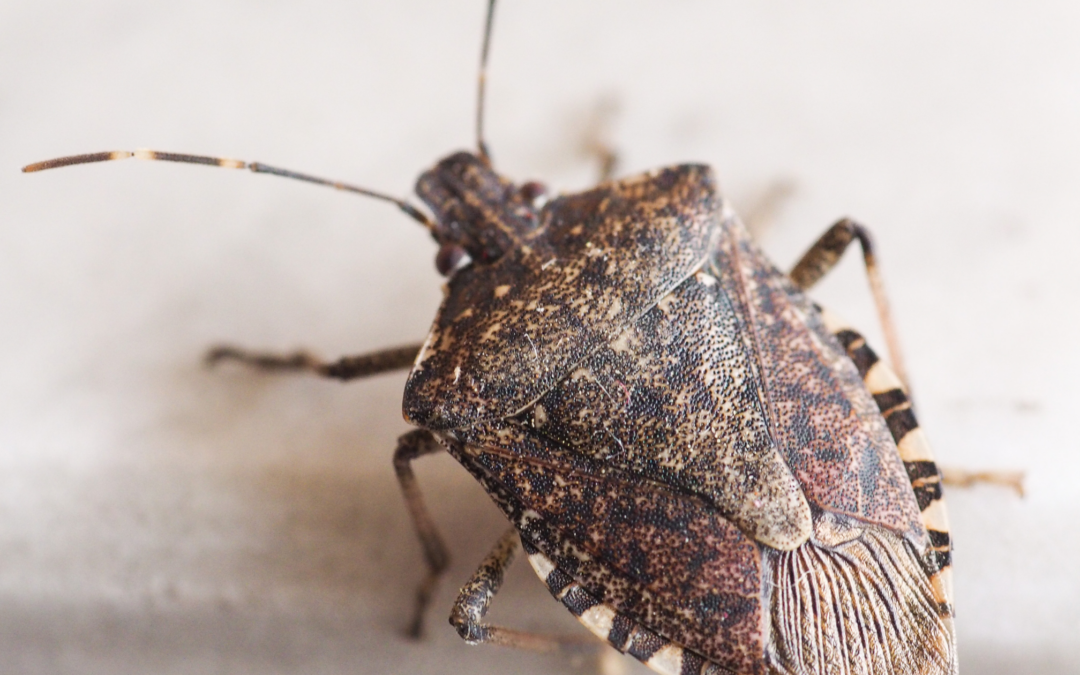
Stink bugs may not be the most dangerous pests, but their presence can be a major nuisance for homeowners in Georgia. Known for their distinctive shield-shaped bodies and the unpleasant odor they release when disturbed, these pests have become a common problem in recent years. The most notorious of these is the brown marmorated stink bug, a non-native species that has spread across the United States, including Georgia.
In this blog, we’ll explore why stink bugs are a problem, what attracts them to your home, and how to deal with an infestation. You’ll also learn what they eat, if they pose any risks to humans, and how to prevent them from getting inside.
What Stink Bugs Eat
Stink bugs, including the brown marmorated stink bug, are primarily herbivorous. They feed on a wide variety of plants, fruits, and crops, which is one of the reasons they are considered agricultural pests. In Georgia, they target common crops like peaches, soybeans, apples, and corn, causing significant damage to these plants.
Stink bugs use their piercing-sucking mouthparts to draw nutrients from fruits and vegetables, leaving behind small, discolored spots that can ruin the appearance and taste of the produce. Although they primarily feed on plants, stink bugs can also become a problem indoors as they seek warmth during cooler months.
What Attracts Stink Bugs to Your Home?
Stink bugs, especially adult stink bugs, are attracted to warm, sunny spots, which is why they tend to invade homes during the fall. As temperatures drop, these insects seek out warm, sheltered places to overwinter, and your home provides the perfect environment.
There are a few key factors that may attract stink bugs to your home:
- Warmth: As cold weather approaches, stink bugs look for warm places to hibernate. Your home, especially if it’s well-insulated, offers a perfect environment for them.
- Light: Stink bugs are drawn to light, particularly during the evening. Outdoor lights or bright indoor lights visible from the outside can attract these pests to your home.
- Food Sources: If your home is near gardens or agricultural fields, stink bugs may be drawn to the plants and fruits around your property.
- Cracks and Openings: Stink bugs can easily enter homes through cracks, gaps around windows and doors, and other openings. They are skilled at finding small entry points to get inside.
Do Stink Bugs Bite?
One of the most common questions homeowners have about stink bugs is whether they bite. Fortunately, stink bugs are not known to bite humans or pets. They don’t have the ability to pierce skin and are not aggressive toward people.
Although stink bugs don’t bite, they can still be an annoyance. Their presence in large numbers can be overwhelming, and their unpleasant odor, which is released as a defense mechanism, can linger in your home if they are crushed or disturbed.
Can Stink Bugs Fly?
Yes, stink bugs can fly. They have a distinctive flight pattern and make a noticeable buzzing sound when airborne. While their flight is somewhat clumsy, it allows them to move from one part of your home to another easily, making it more challenging to control an infestation.
Do Stink Bugs Pose Any Risks to Humans?
Stink bugs do not pose any direct health risks to humans. They don’t spread diseases, bite, or sting. However, their foul-smelling odor can cause discomfort, and in rare cases, some people may have allergic reactions to their odor or the chemicals they release.
The primary issue with stink bugs is their potential to invade homes in large numbers, especially during the fall and winter. Their presence can be a persistent nuisance, and their odor can make your home less pleasant to live in.
What to Do if Your Home Is Infested with Stink Bugs
If you’ve noticed an influx of stink bugs in your home, it’s important to take action quickly to avoid a full-blown infestation. Here are some steps you can take to manage a stink bug problem:
- Don’t Crush Them: Although it may be tempting to squash stink bugs, doing so will release their signature unpleasant odor. Instead, try to remove them without triggering their defense mechanism.
- Vacuum Them Up: One of the easiest ways to get rid of stink bugs indoors is to use a vacuum cleaner. Afterward, be sure to empty the vacuum bag to prevent the odor from lingering.
- Seal Entry Points: Identify and seal any cracks, gaps, or other openings around windows, doors, and foundations where stink bugs might be getting inside.
- Reduce Outdoor Lighting: Stink bugs are attracted to light, so minimizing the use of outdoor lighting can reduce the number of bugs that are drawn to your home.
- Install Screens: Adding screens to windows, vents, and doors can help keep stink bugs from entering your home.
If the infestation persists or you’re dealing with a large number of stink bugs, it’s a good idea to contact a pest control company. Professional pest control services can help you manage the problem efficiently and provide long-term solutions.
Stink bugs may not pose significant health risks, but their presence can be a nuisance, especially when they invade your home in large numbers. Understanding what attracts stink bugs, how to prevent them from entering your home, and how to deal with an infestation can help you keep these pests under control.
If you’re dealing with a stink bug infestation or want to take preventive measures, contacting a local pest control company is the best way to ensure your home stays pest-free. Pest control professionals can assess the situation and provide tailored solutions to keep stink bugs and other pests from becoming a problem in your home.
Sep 12, 2024 | Pest Control
Dealing with pests in Auburn can be a challenging task for any homeowner. Whether it’s the persistent march of ants across your kitchen floor or the strange rustling of rodents in the attic, pests are not only a nuisance but can also pose health risks and cause property damage. When facing these unwelcome guests, homeowners often grapple with the decision of whether to tackle the problem with DIY pest control or call a professional pest control company. Here, we weigh the pros and cons of both approaches to help you make an informed decision.
DIY Pest Control vs Professional Pest Control
DIY Pest Control: Pros and Cons
Pros:
- One of the primary benefits of DIY pest control is cost savings. Buying traps, sprays, or baits from a local Auburn hardware store can be much cheaper than hiring a professional service.
- With DIY methods, you can take immediate action once you spot a pest problem, without waiting for an appointment.
- Handling the issue yourself allows you to maintain control over the methods and products used.
Cons:
- DIY solutions may not always address the root of the problem. While they can work for minor infestations, they often fall short with more extensive issues.
- Incorrect use of pest control products can pose risks to your health and the environment. It’s crucial to follow instructions carefully.
- Effectively managing a pest problem requires time and diligence, which might not be feasible for everyone.
Professional Pest Control: Pros and Cons
Pros:
- Pest control professionals bring a wealth of expertise and experience. They are trained to identify and eliminate pests efficiently, often being familiar with the common pests in Alabama, such as rodents, termites, and the occasional bed bug outbreak.
- Professionals don’t just treat the symptoms; they address the root of the problem, providing solutions that help prevent future infestations.
- Experts can utilize eco-friendly and regulated products, ensuring the safety of your family, pets, and health.
Cons:
- Hiring a professional service can be more expensive than buying DIY products.
- You may need to wait for an appointment, which can be inconvenient, but in urgent cases, most pest control companies can rearrange a quick visit to eliminate the pest at hand.
When to DIY and When to Call the Experts
- DIY: For minor infestations, such as a few ants or a single wasp nest, DIY methods can be effective. Regular preventive measures, like sealing cracks and keeping a tidy yard, are also within the realm of DIY pest control.
- Professional Help: If you’re dealing with a larger infestation, recurring pest problems, or pests that can cause significant damage (like termites), it’s wise to call in the experts. Additionally, if you have concerns about the safety of pest control products, professional services can provide peace of mind.
Both DIY and professional pest control have their place in managing pest issues and by understanding the nature of your problem and weighing the pros and cons, you can choose the best approach for your home. Whether you opt to tackle it yourself or call in the pros, the goal is the same: a pest-free home that keeps you and your family safe and comfortable. If you’ve exhausted your DIY pest control methods and are still noticing more pests on your property than you’re comfortable with, call a pest control company near you for a free inspection and recommendations on the best treatment plan.
Sep 5, 2024 | Pest Control
As a homeowner, one of the worst realizations is finding out you have a full-blown pest infestation! Whether you’re new to living in Auburn, Alabama or have been here for years, it’s always a good idea to know what pests you might be up against. Here’s a quick rundown of five common pests in Auburn that you might encounter in your home and some tips on how to keep them at bay.
Common Pests in Auburn, Alabama
Ants
Ants are tiny but mighty when it comes to invading our homes. Whether it’s the common house ant or the notorious fire ant, these pests can be a real nuisance if they find their way inside your home. To avoid their infestation, keep your kitchen counters clean and store food in sealed containers. If you notice an ant trail, follow it to find their entry point and seal it up with caulk or another barrier.
Cockroaches
No homeowner wants to see a cockroach scurrying around in their home. Unfortunately, these pests are quite common in homes and apartments. These pests are attracted to food and moisture, making kitchens and bathrooms their favorite hangouts. Avoid roach infestation by regularly cleaning up crumbs, fixing leaky faucets, and taking out the trash frequently. If you spot one roach, there’s likely to be more, so consider calling a pest professional near you if the problem persists.
Mosquitoes
Mosquitoes are a familiar annoyance, especially during the humid summer months. These pests are not just irritating; they can also carry diseases, like the West Nile virus, making them more than just a pesky problem. Stop mosquitoes from taking over your yard by eliminating standing water around your home, where mosquitoes like to breed. Consider planting citronella on your property and use mosquito repellent containing DEET to keep them at bay when you’re outdoors.
Spiders
While spiders can seem scary, most of them are harmless; but some species can bite if threatened. There are various spiders in Alabama, including the brown recluse and orb-weaver spiders. These pests often find their way inside during colder months, creating their webs in basements and closets. To avoid spiders, keep your home tidy and vacuum regularly, paying special attention to corners and under furniture. Spiders are less likely to stick around if they don’t have a place to hide.
Rodents
Rodents, like mice and rats, will typically enter homes when the weather cools down to look for a food source and a place to nest. These critters can chew through just about anything, including wires, insulation, and even drywall. Avoid rodents entering your home by inspecting for any cracks or gaps where rodents might enter and seal them. Likewise, make sure you take the trash out regularly and place it in a trashcan that has a tight lid. If you suspect a rodent is in your home, it’s always best to call a wildlife professional near you to remove them.
No one wants to share their home with pests, but by being proactive and staying informed, you can keep your Auburn home pest-free. If you’ve seen the above common pests in Auburn or would like to get a jump on prevention, call a pest control company near you. These professionals will provide you with a thorough inspection and treatment and prevention plan.
Aug 9, 2024 | DIY Pest Control, Pest Control
House flies are a common nuisance in homes across Georgia, often making their presence known with their incessant buzzing and quick movements. Understanding why these pests enter homes, the risks they pose, and how to prevent them can help you maintain a house fly free environment. This blog will explore the characteristics of house flies, why they infest homes, and effective strategies for keeping them out.
Identifying The House Fly
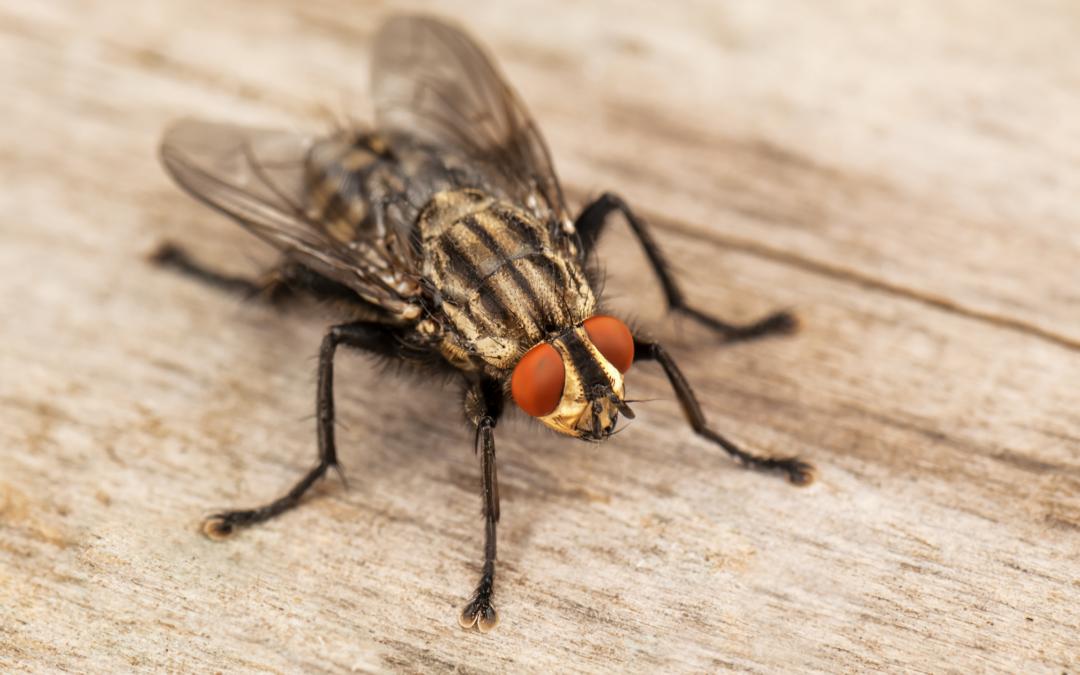
House flies (Musca domestica) are the most common fly species found in homes. They are medium-sized, typically measuring about 1/4 inch long. House flies have gray or black bodies with four dark longitudinal stripes on their thorax. Their eyes are notably large and compound, providing them with a wide field of vision. The life cycle of a house fly includes four stages: egg, larva (maggot), pupa, and adult. Under ideal conditions, this cycle can be completed in as little as seven to ten days, allowing large numbers to develop quickly.
Why Do House Flies Get into Homes?
House flies enter homes primarily in search of food, warmth, and breeding sites. They are attracted to a wide variety of organic materials, including food waste, decaying matter, and animal feces. Kitchens, garbage bins, pet areas, and even indoor plants can become attractive breeding sites. Flies are particularly adept at finding tiny openings in windows, doors, and vents, which they use to gain entry.
During cooler months, house flies seek warmth, which makes homes an attractive refuge. They are also drawn to the scent of food and garbage. Poor sanitation and improperly sealed entry points can exacerbate the problem, leading to an infestation.
Risks Posed by House Flies
While house flies may seem harmless, they can pose significant health risks. The house fly is known to carry and transmit a variety of pathogens, including bacteria, viruses, and parasites. House flies can contaminate food and surfaces with these pathogens, leading to illnesses such as food poisoning, dysentery, and respiratory infections. The fact that house flies frequently feed on waste materials further increases the risk of disease transmission.
In addition to health risks, house flies can be a general annoyance. Their presence can be unsettling, and they can quickly multiply, becoming a larger issue if not addressed promptly.
How to Prevent House Flies from Getting into Homes
Preventing house flies from entering your home requires a combination of good sanitation practices, physical barriers, and, if necessary, professional pest control services. Here are some effective strategies:
- Maintain Cleanliness: Keep your home clean, especially in areas where food is prepared and consumed. Wipe down surfaces, clean up spills promptly, and store food in sealed containers. Regularly take out the trash and ensure that garbage bins are covered and cleaned.
- Eliminate Breeding Sites: Remove potential breeding sites by promptly disposing of organic waste. This includes cleaning up after pets and keeping compost piles away from the house. Ensure that drains are clean and not clogged with organic matter.
- Seal Entry Points: Inspect your home for potential entry points. Install screens on windows and doors, and repair any holes or tears in existing screens. Seal gaps around doors, windows, and vents with weatherstripping or caulking.
- Use Fly Traps and Deterrents: Fly traps, sticky tapes, and electronic fly zappers can help reduce the number of flies indoors. Additionally, natural deterrents like essential oils (e.g., lavender, eucalyptus) can be used to repel flies.
- Professional Pest Control: If you are dealing with a severe infestation or recurring fly problems, consider contacting a professional pest control company. They can provide targeted treatments and offer advice on long-term prevention strategies.
House flies are more than just a minor inconvenience; they pose real health risks and can be a persistent problem if not properly managed. By understanding why these pests enter homes and implementing effective prevention measures, you can keep your living space free of flies. Remember, maintaining cleanliness, eliminating breeding sites, and sealing entry points are key steps in preventing a house fly infestation. For more persistent issues, a professional pest control company can offer comprehensive solutions.