Jul 14, 2016 | Pest Control
Warm, humid summer weather is the perfect breeding environment for fleas. Fleas are parasites that feed on the blood of pets and humans, and although they prefer nonhuman hosts, they will bite people in heavily infested cases. Flea bites are characterized by small, red, itchy spots on the skin that may bleed if scratched or irritated. Sometimes flea bites can go unnoticed if no reaction occurs.
About Fleas
Flea infestations can develop quickly inside your home but often go unnoticed until the problem is severe. Because fleas are most active when they’re hungry, an infestation is more apparent when you’ve been away from your home, like on a summer vacation. And controlling fleas can be challenging since each stage of fleas in their life cycle has to be controlled – eggs, larvae, pupae, and adult fleas. Flea eggs are usually laid in large numbers on a host, such as your dog or cat, and then fall off onto pet beds, upholstered furniture, and carpeted floors. Within a few days or weeks, these eggs develop into flea larvae. Larvae is often hard to find, hiding deep down in carpeted surfaces and furniture, making it a challenge to control the flea infestation. The flea larvae then develops into pupae, and then into adult fleas within a couple of weeks. So if you’re seeing adult fleas (the easiest and most common flea stage to spot) on your pet or in your home, it’s an indication of a bigger issue: a full-blown flea problem.
Tips for Getting Rid of Fleas
So, what should you do if you’re seeing fleas? Start with your pets. They should be bathed and treated with flea medication to kill any adult fleas that may be on them. Then you’ll want to thoroughly clean your home – dust and sweep hard surfaces, vacuum carpet and upholstered furniture – paying close attention to the areas frequented by your pet. Be sure to wash pet beds, blankets, and toys in a hot water cycle too. Throw out anything that’s not machine-washable.
Flea Treatments
Once you’ve cleaned your home, it’s time for flea treatments. We recommend using liquid pest products specially formulated to control fleas throughout the house, again focusing more on the areas your pet plays, sits, walks, and sleeps on. You’ll want to remove pets from your home before doing this and allow the products to completely dry before they return. Insect growth regulators (IGR) are popular treatment options for fleas since they are made to prevent flea larvae from developing into the pupae stage. If your pets spend a lot of time in any particular area outside of your home, you’ll want to consider treating these spots for fleas with a flea insecticide for yards.
You’ll need to repeat this process of cleaning and flea treatments (according to the products’ directions) until the flea infestation is eradicated.
Our best tip for getting rid of fleas: prevent a flea infestation before one starts. Keep your pets on routine flea medication and bathed regularly. Also consider a preventative home pest control program from a professional exterminator. These programs usually consist of interior and/or exterior treatments done quarterly for common household pests. And if you still end up with a flea problem, your pest control provider can give you effective flea control recommendations that work fast, usually as a low-cost, add-on service.

Jul 14, 2016 | Pest Control
Warm, humid summer weather is the perfect breeding environment for fleas. Fleas are parasites that feed on the blood of pets and humans, and although they prefer nonhuman hosts, they will bite people in heavily infested cases. Flea bites are characterized by small, red, itchy spots on the skin that may bleed if scratched or irritated. Sometimes flea bites can go unnoticed if no reaction occurs.
About Fleas
Flea infestations can develop quickly inside your home but often go unnoticed until the problem is severe. Because fleas are most active when they’re hungry, an infestation is more apparent when you’ve been away from your home, like on a summer vacation. And controlling fleas can be challenging since each stage of fleas in their life cycle has to be controlled – eggs, larvae, pupae, and adult fleas. Flea eggs are usually laid in large numbers on a host, such as your dog or cat, and then fall off onto pet beds, upholstered furniture, and carpeted floors. Within a few days or weeks, these eggs develop into flea larvae. Larvae is often hard to find, hiding deep down in carpeted surfaces and furniture, making it a challenge to control the flea infestation. The flea larvae then develops into pupae, and then into adult fleas within a couple of weeks. So if you’re seeing adult fleas (the easiest and most common flea stage to spot) on your pet or in your home, it’s an indication of a bigger issue: a full-blown flea problem.
Tips for Getting Rid of Fleas
So, what should you do if you’re seeing fleas? Start with your pets. They should be bathed and treated with flea medication to kill any adult fleas that may be on them. Then you’ll want to thoroughly clean your home – dust and sweep hard surfaces, vacuum carpet and upholstered furniture – paying close attention to the areas frequented by your pet. Be sure to wash pet beds, blankets, and toys in a hot water cycle too. Throw out anything that’s not machine-washable.
Flea Treatments
Once you’ve cleaned your home, it’s time for flea treatments. We recommend using liquid pest products specially formulated to control fleas throughout the house, again focusing more on the areas your pet plays, sits, walks, and sleeps on. You’ll want to remove pets from your home before doing this and allow the products to completely dry before they return. Insect growth regulators (IGR) are popular treatment options for fleas since they are made to prevent flea larvae from developing into the pupae stage. If your pets spend a lot of time in any particular area outside of your home, you’ll want to consider treating these spots for fleas with a flea insecticide for yards.
You’ll need to repeat this process of cleaning and flea treatments (according to the products’ directions) until the flea infestation is eradicated.
Our best tip for getting rid of fleas: prevent a flea infestation before one starts. Keep your pets on routine flea medication and bathed regularly. Also consider a preventative home pest control program from a professional exterminator. These programs usually consist of interior and/or exterior treatments done quarterly for common household pests. And if you still end up with a flea problem, your pest control provider can give you effective flea control recommendations that work fast, usually as a low-cost, add-on service.
Jun 17, 2016 | Pest Control
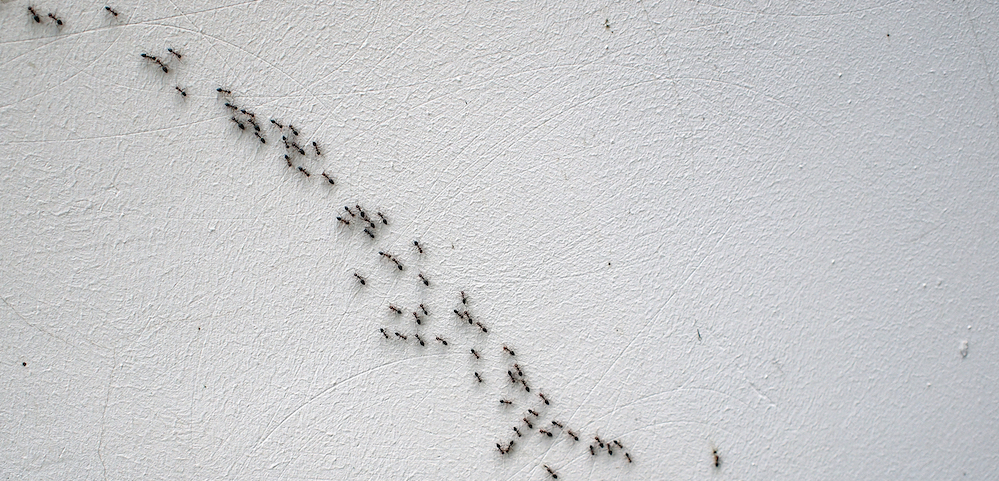
Ants are resilient pests. They’re active year-round, often seen in overwhelming numbers, and resistant to a lot of pest control methods. While getting rid of ants may seem like an impossible feat, we’re here to tell you that it is possible. Here’s what you can do to get rid of ants in your home this summer.
1. Eliminate Sources of Moisture
Just like us, ants need water to survive. This time of year especially, they’re in search of a steady water source. Repair leaky plumbing, use dehumidifiers in damp basements, attics and/or crawlspaces to keep the spaces dry, keep gutters clean, and remove any sources of moisture around your home’s perimeter.
2. Keep a Clean House
Just like water, ants are looking for food. Even the smallest amount can satisfy ants and keep them coming back for more so be sure to clean up spills immediately, wipe away crumbs, clean behind appliances, and take out the trash daily. Keep food sealed in storage containers and consider storing fruit in the refrigerator.
3. Don’t Leave Pet Food Out
Remove your pet’s bowls every day after they’ve eaten and store their food in sealed containers. If left our or in dog food bag, you’ll attract ants and other pests.
4. Create a Pest-Proof Barrier
Even if you have food and water sources in your home for ants, they won’t be able to access them if they can’t get inside. Do a thorough check of you home, looking for any cracks & crevices, holes around doors & windows, gaps around plumbing pipes, and seal up any of these areas with a silicone-based caulk. Not sure where to look? Contact a pest control company. Your exterminator will do an inspection of your home as part of a pest control program, and recommend areas to be corrected or offer repair solutions.
5. Quarterly Pest Control Treatments
To get rid of ants and other pests, and to prevent them from coming back, consider hiring a professional pest control company. Most treatment plans consist of quarterly treatments and cover a wide range of pests – ants, roaches, spiders, mice, and more. Get started by requesting a free pest control quote.
May 20, 2016 | Going Green, Mosquito, Pest Control
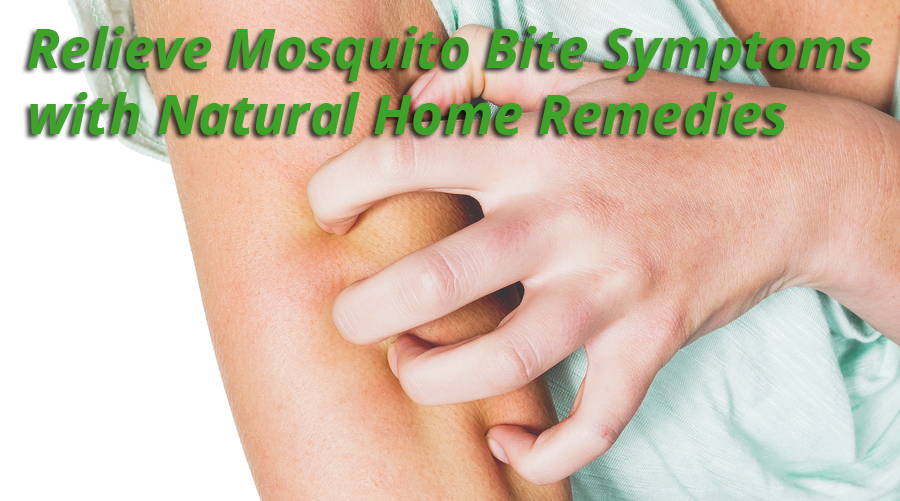
We all need food to survive, right? Unfortunately for us, mosquitoes live off of blood meals from people and animals, which is obtained by biting their victims. Ouch! And chances are, even if you practice strict mosquito prevention, you’ll still be bitten at some point during mosquito season in warm, humid climates. Here’s what you can do to minimize the itching, swelling, rashes, and diseases that mosquito bites often leave behind.
Apply Aloe Vera
Aloe is a natural antiseptic that will minimize swelling, pain, and itching, and will also help the bite to heal faster. Chilled aloe vera works even better. Pop it into the fridge for awhile before applying for maximum results and relief.
Ice It
Applying ice directly onto mosquito bites will reduce swelling, relieve pain, and make the bite less itchy. Leave it on for 10-15 minute increments at a time, using as often as needed.
Take a Bath
Soak in an oatmeal-infused bath for several allergic reactions to mosquito bites. The oatmeal will soothe symptoms of the bites immediately.
Lemon-Aid
Lemons have natural antiseptic and anti-inflamatory properties that will reduce symptoms of mosquito bites and minimize the risk of infection. Cut a lemon in half and rub it over the affected area.
Have Some Tea
Hold a damp green tea bag (preferably cold) onto the mosquito bites for immediate relief from itchiness, swelling, and redness.
Dab of Honey
Honey is a natural antiseptic. Apply a small amount directly onto mosquito bites to help prevent infection.
Cover it
Cover the bites with a bandaid or even tape to keep yourself from scratching it, which will reduce chances of prolonged symptoms and infection.
May 6, 2016 | DIY, DIY Pest Control, Mosquito, Pest Control
While pests in the house are a year-round nuisance here in the South, certain bugs are more active in warmer months. If you own or rent a home or apartment, you’re likely to come across one or all of these 5 summer pests. Here’s what you can do to prevent them.
1. Ants
Most of the ants you’ll find in your home won’t bite, but that’s not always the case. It’s best to eliminate any potential food sources and entry points to keep them out. You can do this by sealing cracks and crevices and by keeping a clean house. Take the trash out regularly, store food in sealed containers, and clean up spills immediately. Leaving pet food unattended can also attract ants and other pests, so keep the food in a sealed container when not being eaten by pets, and off of floors.
2. Mosquitoes
We’ve likely all been bitten at some point by mosquitoes. They’re active in warmer months and lay their eggs in standing water. In order to have the nutrients to lay these eggs, female mosquitoes need a food source – blood from humans and pets. If bitten, you may experience stinging or itching. In rare cases, mosquitoes will transmit diseases to their host. To prevent mosquitoes, eliminate any standing water around your home – debris, toys, bird baths, fountains, ponds, pet water bowls, etc. Wear mosquito repellent when outdoors, make sure pets are current on heartworm medication, and consider a professional mosquito control service from your local exterminating company.
3. Fleas
As temperatures heat up, fleas come out to play by attaching themselves to a food source – usually your pets. Because flea allergies are common, the bites can be itchy and painful, and they transmit diseases, it’s important to keep your pets current on preventative flea medication. Give them baths regularly, keep pet beds clean, and vacuum often. If your pet gets infested with fleas, we recommend contacting a pest control professional. Fleas reproduce quickly and can be hard to get rid of.
4. Flies
Keeping flies out can be hard to do in the summer. Just like most other pests, they’re looking for food. Prevent flies from spreading bacteria throughout your home by keeping windows and doors closed, taking the trash out often and moving garbage cans away from the exterior of your home. Don’t leave food out and clean up dishes and spills immediately.
5. Roaches
Roaches thrive in warm, humid temperatures. And because they eat almost anything, they can be hard to get rid of once inside your home. They’re most often seen in kitchens and bathrooms. Because they spread bacteria and often cause severe allergic reactions, it’s a good idea to contact an exterminator if you’re seeing roaches. Where there’s one roach, there’s probably a few hundred more hiding somewhere close. They reproduce quickly and are one of the most difficult pests to get rid of once your home is infested. To prevent roaches, keep a clean house, don’t bring in boxes or newspapers, and seal any cracks, holes or crevices.
May 6, 2016 | Mosquito, Pest Control
While pests in the house are a year-round nuisance here in the South, certain bugs are more active in warmer months. If you own or rent a home or apartment, you’re likely to come across one or all of these 5 summer pests. Here’s what you can do to prevent them.
1. Ants
Most of the ants you’ll find in your home won’t bite, but that’s not always the case. It’s best to eliminate any potential food sources and entry points to keep them out. You can do this by sealing cracks and crevices and by keeping a clean house. Take the trash out regularly, store food in sealed containers, and clean up spills immediately. Leaving pet food unattended can also attract ants and other pests, so keep the food in a sealed container when not being eaten by pets, and off of floors.
2. Mosquitoes
We’ve likely all been bitten at some point by mosquitoes. They’re active in warmer months and lay their eggs in standing water. In order to have the nutrients to lay these eggs, female mosquitoes need a food source – blood from humans and pets. If bitten, you may experience stinging or itching. In rare cases, mosquitoes will transmit diseases to their host. To prevent mosquitoes, eliminate any standing water around your home – debris, toys, bird baths, fountains, ponds, pet water bowls, etc. Wear mosquito repellent when outdoors, make sure pets are current on heartworm medication, and consider a professional mosquito control service from your local exterminating company.
3. Fleas
As temperatures heat up, fleas come out to play by attaching themselves to a food source – usually your pets. Because flea allergies are common, the bites can be itchy and painful, and they transmit diseases, it’s important to keep your pets current on preventative flea medication. Give them baths regularly, keep pet beds clean, and vacuum often. If your pet gets infested with fleas, we recommend contacting a pest control professional. Fleas reproduce quickly and can be hard to get rid of.
4. Flies
Keeping flies out can be hard to do in the summer. Just like most other pests, they’re looking for food. Prevent flies from spreading bacteria throughout your home by keeping windows and doors closed, taking the trash out often and moving garbage cans away from the exterior of your home. Don’t leave food out and clean up dishes and spills immediately.
5. Roaches
Roaches thrive in warm, humid temperatures. And because they eat almost anything, they can be hard to get rid of once inside your home. They’re most often seen in kitchens and bathrooms. Because they spread bacteria and often cause severe allergic reactions, it’s a good idea to contact an exterminator if you’re seeing roaches. Where there’s one roach, there’s probably a few hundred more hiding somewhere close. They reproduce quickly and are one of the most difficult pests to get rid of once your home is infested. To prevent roaches, keep a clean house, don’t bring in boxes or newspapers, and seal any cracks, holes or crevices.
Apr 27, 2016 | Pest Control, Wildlife
[vc_row css=”.vc_custom_1461783466399{margin-bottom: 20px !important;}”][vc_column][vc_column_text]
Now that we’re well into the Spring season, you may be noticing an influx of pests that were hiding out over the winter – mosquitoes, ants, termites, and BEES. While some bees you’ll encounter are harmless, others can seem threatening and leave behind painful stings and cause allergic reactions. Here’s a list of common bees in the South to be on the lookout during the Spring and Summer seasons, with bee control tips:
[/vc_column_text][/vc_column][/vc_row][vc_row css=”.vc_custom_1461783788041{margin-bottom: 20px !important;}”][vc_column][vc_row_inner][vc_column_inner][ctitle title=”Carpenter Bees” uppercase=”no” background=”#ffffff” font_size=”26″ position=”left” separator_color=”#ffffff”][/vc_column_inner][/vc_row_inner][vc_separator style=”blank” padding_top=”5″ padding_bottom=”5″][vc_row_inner][vc_column_inner width=”1/3″][vc_single_image image=”15376″ img_size=”300×155″ style=”vc_box_outline” img_link_target=”_blank” link=”https://www.callnorthwest.com/identify-pest/bees/carpenter-bees/”][/vc_column_inner][vc_column_inner width=”2/3″][vc_column_text]
Carpenter bees are large black and yellow bees, often mistaken for bumble bees. You’re likely to see them in the Spring hovering around the eaves of your house or under and around decks and porches. Carpenter bees can cause damage to structures by creating small, circular holes as entry points into nests with multiple tunnels, leaving behind trails of sawdust. Any area of exposed wood can be a target for carpenter bee nests. The good news: carpenter bees rarely sting unless bothered; males do not have a stinger but can become aggressive towards other bees, animals or people near their nest and females usually only sting when extremely agitated. You can also prevent carpenter bees from nesting by treating or painting any exposed wood. If you’re already seeing carpenter bee nests, each nest hole should be treated with a pesticide if bees are inside the nest. If no bees are in the nest, seal or paint entry holes. For best results, call a pest control company that specializes in bee control and removal.
[/vc_column_text][/vc_column_inner][/vc_row_inner][/vc_column][/vc_row][vc_row css=”.vc_custom_1461783795963{margin-bottom: 20px !important;}”][vc_column][vc_row_inner][vc_column_inner][ctitle title=”Cicada Killer Bees” uppercase=”no” background=”#ffffff” font_size=”26″ position=”left” separator_color=”#ffffff”][/vc_column_inner][/vc_row_inner][vc_separator style=”blank” padding_top=”5″ padding_bottom=”5″][vc_row_inner][vc_column_inner width=”1/3″][vc_single_image image=”15377″ img_size=”300×155″ style=”vc_box_outline” img_link_target=”_blank” link=”https://www.callnorthwest.com/identify-pest/bees/cicada-killer-bees/”][/vc_column_inner][vc_column_inner width=”2/3″][vc_column_text]
Cicada killer bees are large bees, black or rusty-colored with yellow markings, that resemble a larger version of a yellow jacket. Unlike a lot of other bee species, cicada killer bees do not live in colonies and prefer to nest underground in areas of bare ground. Female cicada killer bees dig burrows 1/2″ in diameter that can extend up to 10″ deep which can cause significant lawn damage. You’re likely to encounter cicada killer bees in the Summer – usually July and August – when they emerge from burrows.
[/vc_column_text][/vc_column_inner][/vc_row_inner][/vc_column][/vc_row][vc_row css=”.vc_custom_1461783803707{margin-bottom: 20px !important;}”][vc_column][vc_row_inner][vc_column_inner][ctitle title=”Bumble Bees” uppercase=”no” background=”#ffffff” font_size=”26″ position=”left” separator_color=”#ffffff”][/vc_column_inner][/vc_row_inner][vc_separator style=”blank” padding_top=”5″ padding_bottom=”5″][vc_row_inner][vc_column_inner width=”1/3″][vc_single_image image=”15378″ img_size=”300×155″ style=”vc_box_outline”][/vc_column_inner][vc_column_inner width=”2/3″][vc_column_text]
While relatively harmless bees, bumble bees – identified by their fuzzy, black and yellow-striped appearance and a buzzing sound while flying – can become aggressive and sting if their nest is threatened. They’re normally seen in flowering plants and typically don’t nest in structures.
[/vc_column_text][/vc_column_inner][/vc_row_inner][/vc_column][/vc_row][vc_row css=”.vc_custom_1461783813281{margin-bottom: 20px !important;}”][vc_column][vc_row_inner][vc_column_inner][ctitle title=”Yellow Jackets” uppercase=”no” background=”#ffffff” font_size=”26″ position=”left” separator_color=”#ffffff”][/vc_column_inner][/vc_row_inner][vc_separator style=”blank” padding_top=”5″ padding_bottom=”5″][vc_row_inner][vc_column_inner width=”1/3″][vc_single_image image=”15379″ img_size=”300×155″ style=”vc_box_outline”][/vc_column_inner][vc_column_inner width=”2/3″][vc_column_text]
Yellow jackets are one of the most commonly encountered bees and also one of the most aggressive. Their stings can be extremely painful and cause severe allergic reactions for some. Yellow jackets are also know to sting repeatedly. Avoiding yellow jackets is the best method of sting prevention or remain still if you encounter them; swatting or sudden movements can cause them to attack.
[/vc_column_text][/vc_column_inner][/vc_row_inner][/vc_column][/vc_row][vc_row css=”.vc_custom_1461783821501{margin-bottom: 20px !important;}”][vc_column][vc_row_inner][vc_column_inner][ctitle title=”Paper Wasps” uppercase=”no” background=”#ffffff” font_size=”26″ position=”left” separator_color=”#ffffff”][/vc_column_inner][/vc_row_inner][vc_separator style=”blank” padding_top=”5″ padding_bottom=”5″][vc_row_inner][vc_column_inner width=”1/3″][vc_single_image image=”15381″ img_size=”300×155″ style=”vc_box_outline”][/vc_column_inner][vc_column_inner width=”2/3″][vc_column_text]
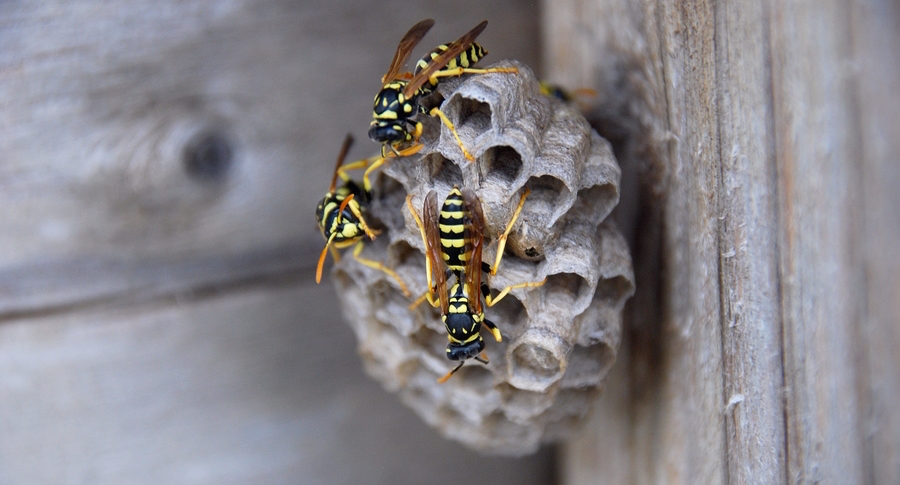
Paper wasps are large, aggressive wasps that cause painful bites and sometimes severe allergic reactions. They’re most likely to sting if their nest is threatened or disturbed. It’s recommended to contact an exterminating company for wasp nest removal.
[/vc_column_text][/vc_column_inner][/vc_row_inner][/vc_column][/vc_row][vc_row css=”.vc_custom_1461783548104{margin-bottom: 40px !important;}”][vc_column][vc_row_inner][vc_column_inner][ctitle title=”Hornets” uppercase=”no” background=”#ffffff” font_size=”26″ position=”left” separator_color=”#ffffff”][/vc_column_inner][/vc_row_inner][vc_separator style=”blank” padding_top=”5″ padding_bottom=”5″][vc_row_inner][vc_column_inner width=”1/3″][vc_single_image image=”15382″ img_size=”300×155″ style=”vc_box_outline”][/vc_column_inner][vc_column_inner width=”2/3″][vc_column_text]
Hornets are brown and yellow striped with reddish colored wings, and sometime mistaken for cicada killer bees. They build above-ground nests, usually in trees, and are active in the Spring. It’s recommended that you contact a pest control company to remove a hornet nest, but they do not pose a serious threat to humans and will die or hibernate in the Fall.
[/vc_column_text][/vc_column_inner][/vc_row_inner][/vc_column][/vc_row]
Apr 27, 2016 | Pest Control, Wildlife
[vc_row css=”.vc_custom_1461783466399{margin-bottom: 20px !important;}”][vc_column][vc_column_text]
Now that we’re well into the Spring season, you may be noticing an influx of pests that were hiding out over the winter – mosquitoes, ants, termites, and BEES. While some bees you’ll encounter are harmless, others can seem threatening and leave behind painful stings and cause allergic reactions. Here’s a list of common bees in the South to be on the lookout during the Spring and Summer seasons, with bee control tips:
[/vc_column_text][/vc_column][/vc_row][vc_row css=”.vc_custom_1461783788041{margin-bottom: 20px !important;}”][vc_column][vc_row_inner][vc_column_inner][ctitle title=”Carpenter Bees” uppercase=”no” background=”#ffffff” font_size=”26″ position=”left” separator_color=”#ffffff”][/vc_column_inner][/vc_row_inner][vc_separator style=”blank” padding_top=”5″ padding_bottom=”5″][vc_row_inner][vc_column_inner width=”1/3″][vc_single_image image=”15376″ img_size=”300×155″ style=”vc_box_outline” img_link_target=”_blank” link=”https://www.callnorthwest.com/identify-pest/bees/carpenter-bees/”][/vc_column_inner][vc_column_inner width=”2/3″][vc_column_text]
Carpenter bees are large black and yellow bees, often mistaken for bumble bees. You’re likely to see them in the Spring hovering around the eaves of your house or under and around decks and porches. Carpenter bees can cause damage to structures by creating small, circular holes as entry points into nests with multiple tunnels, leaving behind trails of sawdust. Any area of exposed wood can be a target for carpenter bee nests. The good news: carpenter bees rarely sting unless bothered; males do not have a stinger but can become aggressive towards other bees, animals or people near their nest and females usually only sting when extremely agitated. You can also prevent carpenter bees from nesting by treating or painting any exposed wood. If you’re already seeing carpenter bee nests, each nest hole should be treated with a pesticide if bees are inside the nest. If no bees are in the nest, seal or paint entry holes. For best results, call a pest control company that specializes in bee control and removal.
[/vc_column_text][/vc_column_inner][/vc_row_inner][/vc_column][/vc_row][vc_row css=”.vc_custom_1461783795963{margin-bottom: 20px !important;}”][vc_column][vc_row_inner][vc_column_inner][ctitle title=”Cicada Killer Bees” uppercase=”no” background=”#ffffff” font_size=”26″ position=”left” separator_color=”#ffffff”][/vc_column_inner][/vc_row_inner][vc_separator style=”blank” padding_top=”5″ padding_bottom=”5″][vc_row_inner][vc_column_inner width=”1/3″][vc_single_image image=”15377″ img_size=”300×155″ style=”vc_box_outline” img_link_target=”_blank” link=”https://www.callnorthwest.com/identify-pest/bees/cicada-killer-bees/”][/vc_column_inner][vc_column_inner width=”2/3″][vc_column_text]
Cicada killer bees are large bees, black or rusty-colored with yellow markings, that resemble a larger version of a yellow jacket. Unlike a lot of other bee species, cicada killer bees do not live in colonies and prefer to nest underground in areas of bare ground. Female cicada killer bees dig burrows 1/2″ in diameter that can extend up to 10″ deep which can cause significant lawn damage. You’re likely to encounter cicada killer bees in the Summer – usually July and August – when they emerge from burrows.
[/vc_column_text][/vc_column_inner][/vc_row_inner][/vc_column][/vc_row][vc_row css=”.vc_custom_1461783803707{margin-bottom: 20px !important;}”][vc_column][vc_row_inner][vc_column_inner][ctitle title=”Bumble Bees” uppercase=”no” background=”#ffffff” font_size=”26″ position=”left” separator_color=”#ffffff”][/vc_column_inner][/vc_row_inner][vc_separator style=”blank” padding_top=”5″ padding_bottom=”5″][vc_row_inner][vc_column_inner width=”1/3″][vc_single_image image=”15378″ img_size=”300×155″ style=”vc_box_outline”][/vc_column_inner][vc_column_inner width=”2/3″][vc_column_text]
While relatively harmless bees, bumble bees – identified by their fuzzy, black and yellow-striped appearance and a buzzing sound while flying – can become aggressive and sting if their nest is threatened. They’re normally seen in flowering plants and typically don’t nest in structures.
[/vc_column_text][/vc_column_inner][/vc_row_inner][/vc_column][/vc_row][vc_row css=”.vc_custom_1461783813281{margin-bottom: 20px !important;}”][vc_column][vc_row_inner][vc_column_inner][ctitle title=”Yellow Jackets” uppercase=”no” background=”#ffffff” font_size=”26″ position=”left” separator_color=”#ffffff”][/vc_column_inner][/vc_row_inner][vc_separator style=”blank” padding_top=”5″ padding_bottom=”5″][vc_row_inner][vc_column_inner width=”1/3″][vc_single_image image=”15379″ img_size=”300×155″ style=”vc_box_outline”][/vc_column_inner][vc_column_inner width=”2/3″][vc_column_text]
Yellow jackets are one of the most commonly encountered bees and also one of the most aggressive. Their stings can be extremely painful and cause severe allergic reactions for some. Yellow jackets are also know to sting repeatedly. Avoiding yellow jackets is the best method of sting prevention or remain still if you encounter them; swatting or sudden movements can cause them to attack.
[/vc_column_text][/vc_column_inner][/vc_row_inner][/vc_column][/vc_row][vc_row css=”.vc_custom_1461783821501{margin-bottom: 20px !important;}”][vc_column][vc_row_inner][vc_column_inner][ctitle title=”Paper Wasps” uppercase=”no” background=”#ffffff” font_size=”26″ position=”left” separator_color=”#ffffff”][/vc_column_inner][/vc_row_inner][vc_separator style=”blank” padding_top=”5″ padding_bottom=”5″][vc_row_inner][vc_column_inner width=”1/3″][vc_single_image image=”15381″ img_size=”300×155″ style=”vc_box_outline”][/vc_column_inner][vc_column_inner width=”2/3″][vc_column_text]
Paper wasps are large, aggressive wasps that cause painful bites and sometimes severe allergic reactions. They’re most likely to sting if their nest is threatened or disturbed. It’s recommended to contact an exterminating company for wasp nest removal.
[/vc_column_text][/vc_column_inner][/vc_row_inner][/vc_column][/vc_row][vc_row css=”.vc_custom_1461783548104{margin-bottom: 40px !important;}”][vc_column][vc_row_inner][vc_column_inner][ctitle title=”Hornets” uppercase=”no” background=”#ffffff” font_size=”26″ position=”left” separator_color=”#ffffff”][/vc_column_inner][/vc_row_inner][vc_separator style=”blank” padding_top=”5″ padding_bottom=”5″][vc_row_inner][vc_column_inner width=”1/3″][vc_single_image image=”15382″ img_size=”300×155″ style=”vc_box_outline”][/vc_column_inner][vc_column_inner width=”2/3″][vc_column_text]
Hornets are brown and yellow striped with reddish colored wings, and sometime mistaken for cicada killer bees. They build above-ground nests, usually in trees, and are active in the Spring. It’s recommended that you contact a pest control company to remove a hornet nest, but they do not pose a serious threat to humans and will die or hibernate in the Fall.
[/vc_column_text][/vc_column_inner][/vc_row_inner][/vc_column][/vc_row]
Apr 15, 2016 | Mosquito, Pest Control
The Center for Disease Control and Prevention (CDC) is now warning everyone that Zika is scarier than they originally thought.
Over 300 cases of Zika virus have now been confirmed in the U.S. And while most of these occurrences are in people who had traveled to countries with Zika-infected mosquitos, now we know that the virus can be transmitted sexually in addition to a mosquito bite.
The biggest concern right now related to Zika is for pregnant women. Zika virus can cause a neurodevelopmental disorder in fetuses, Microcephaly, that causes babies to be born with a head and brain that are smaller than normal. Now research is showing that Zika not only affects women in their first trimester, but can be a risk throughout all stages of pregnancy, according to CDC Deputy Director, Dr. Anne Schuchat.
“Most of what we’ve learned is not reassuring,” she added. “Everything we know about this virus seems to be scarier than we initially thought.
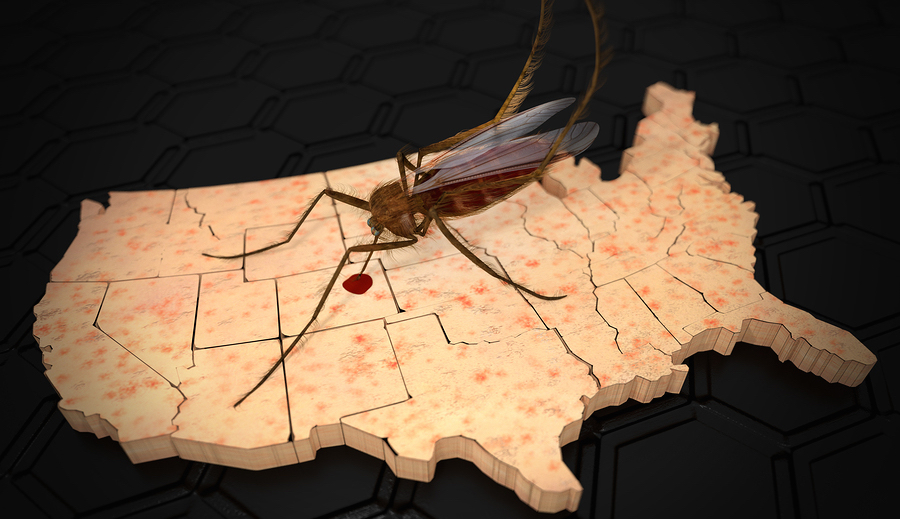
The mosquitoes carrying Zika virus have been identified in 30 states across the country. This doesn’t mean the mosquitoes are infected, but health officials are concerned that as temperatures begin to rise, pregnant women from Texas to Florida will be at risk.
For women who are not pregnant, if you’ve experienced symptoms of Zika – fever, rash, itchy eyes – wait at least 8 weeks before trying to conceive. And even if you’ve had no symptoms at all but have recently traveled to any of the countries with active Zika transmissions, it’s advised to also wait 8 weeks or longer before trying to get pregnant.
On a positive note, the CDC has asked for federal funding to aid in the research and development of a cure, with a vaccine potentially expected to release in September 2016.
Meanwhile, reduce your risk of Zika and other mosquito-borne viruses with mosquito prevention tips and professional mosquito control.