Jun 16, 2014 | Pest Control
Northwest Exterminating offers tick bite prevention advice for the summer season
As people venture outside to enjoy the sunshine and warmer weather we want to encourage increased public awareness of ticks and their numerous health risks.
Certain species of ticks are capable of transmitting serious diseases to humans when they bite, including Lyme disease, babesiosis and Rocky Mountain spotted fever. We encourage people to take steps to protect themselves and their pets from tick bites when outdoors this summer and decrease the chances of contracting one of these tick-borne illnesses.
Below are some tips from the National Pest Management Association (NPMA), a nonprofit organization committed to the protection of public health, food and property from household pests.
Most effective ways to prevent a tick encounter, and tick bite, include:
- Landscape your yard. Keep grass cut low and remove weeds, woodpiles and debris. Ticks are found in high grass, and yards with shrubbery.
- Protect your skin. Wear long pants, long-sleeved shirts and closed-toe shoes when outdoors, especially in wooded areas or tall grasses. Choose light colored clothing that makes it easier to spot ticks and other insects.
- Use an effective bug repellant. Always apply an insect repellant containing at least 20% DEET to protect against ticks when spending time outdoors, and reapply as directed on the label.
- Regularly check for ticks. Most ticks require 24-48 hours of feeding before they can successfully transmit infections, so it’s crucial to perform a thorough tick check immediately after spending time outdoors. Be sure to check all areas of the body, including the hair.
- Don’t forget about pets. Check pets frequently for ticks, especially after the animal has been outside. Consult with a veterinarian about prevention and treatment options available to pets and wash pet bedding and toys frequently.
- Brush up on proper removal techniques. (Read our post “How to Remove a Tick“) Use fine-tipped tweezers to remove a tick, using a slow, steady pulling motion. Wash hands and the bite site thoroughly with soap and water, and flush the tick down a toilet or wrap it in tissue before disposing in a closed receptacle.
- Contact a professional pest professional. Anyone suspecting a tick bite or experiencing symptoms, including a skin rash, joint pain or fever, should seek prompt medical attention. If ticks are a problem on your property, contact a licensed pest professional to inspect and implement a treatment plan to reduce tick populations.
For more information on ticks, please visit https://www.callnorthwest.com/learning-center/identify-your-pest/ticks/.
Source: NPMA
Jun 6, 2014 | Company News, Pest Control
Northwest Exterminating Jumps 3 Spots to #19 on PCT’s Top 100
Each year PCT (Pest Control Technology) puts out a list of the Top 100 Companies. We are proud to say that Northwest Exterminating jumped 3 spots to #19 from last year! The list is compiled by the PCT staff.
In the article, Northwest Exterminating’s Stanford Phillips talks about our NorPest Green Pest Control service and how “Going Green” is truly a way of life at Northwest.”It’s really changed our culture overall. Green is who we are, it’s what we offer, and our purpose is to help create a healthier working and living environment. We’re out there with the purpose of leaving that home or business knowing that we’ve created a healthier environment for that family. That makes it personal.”
If you’re not using a green approach to your pest control, we highly recommend that you do. FOr more information on NorPest Green you can visit our website. We offer a FREE inspection for your home.
Jun 2, 2014 | Pest Control
Brown Marmorated Stink Bugs
Identification of stink bugs:
- Grayish-brown
- 6 legs
- Triangular or shield shped
- 2/4 in long
- Found in eastern US, as well as California, Oregon, Washington, Arizona, New Mexico, and Texas
What are stink bugs?
Brown marmorated “stink bugs” are an invasive species from Asia that arrived in Pennsylvania in 1996 and can now be found from South Carolina to New Hampshire and west to Indiana, as well as in California, Oregon, Washington, Arizona, New Mexico and Texas.
Why are they called stink bugs?
Stink bugs get their name from the odor they emit as a defense against predators, including birds, spiders and assassin bugs. When handled or disturbed, stink bugs are able to secrete a bad-smelling fluid from pores on the sides of their bodies.
Are stink bugs more prevalent during a specific season?
Adult stink bugs enter homes and other structures in the late fall to seek shelter from the winter weather, often from mid-September through mid-October. They reemerge from overwintering sites in early spring and try to exit, but sometimes enter living spaces instead.
Why are stink bugs problematic?
Stink bugs have the potential to spread throughout the country, which could be increasingly harmful to the agricultural industry, as they destroy crops.
Do stink bugs pose a threat to human health?
Stink bugs are not known to bite humans, but their tendency to invade homes in high numbers makes them a difficult pest to control once inside.
What can homeowners do to prevent an infestation?
- Seal cracks around windows, doors, electrical outlets, ceiling fans and light switches with a good quality silicone or silicone-latex caulk.
- Keep outdoor lighting to a minimum because stink bugs are drawn to light. Replace outdoor lighting with yellow bulbs, which are less attractive to stink bugs.
- Repair damaged window screens. Don’t forget to check for torn weather-stripping and loose mortar.
- Properly ventilate basements, attics, garages and crawl spaces to eliminate harborage points. Also, install screens over chimney and crawlspace vents.
- A licensed pest professional can pre-treat homes for stink bugs in the late summer or early fall just prior to their full maturation and congregation.
How can a homeowner get rid of stink bugs once they are inside their home?
- If stink bugs have already entered a home or building, use a vacuum cleaner to aid in their removal
- Remove the vacuum bag immediately to prevent odor from permeating the area, as dead stink bugs leave a residue inside the bag that can stink up your home.
- Seal contents from the vacuum bag in a plastic bag and dispose of it with your normal garbage.
- If an infestation has developed inside the home or building, a licensed pest professional should be contacted to evaluate and assess the severity problem and help to identify the access points for these invasive species.
Source: Professional Pest Management Alliance
Photo Credit – Steven Jacobs Penn State College of Agricultural Sciences
May 28, 2014 | Pest Control
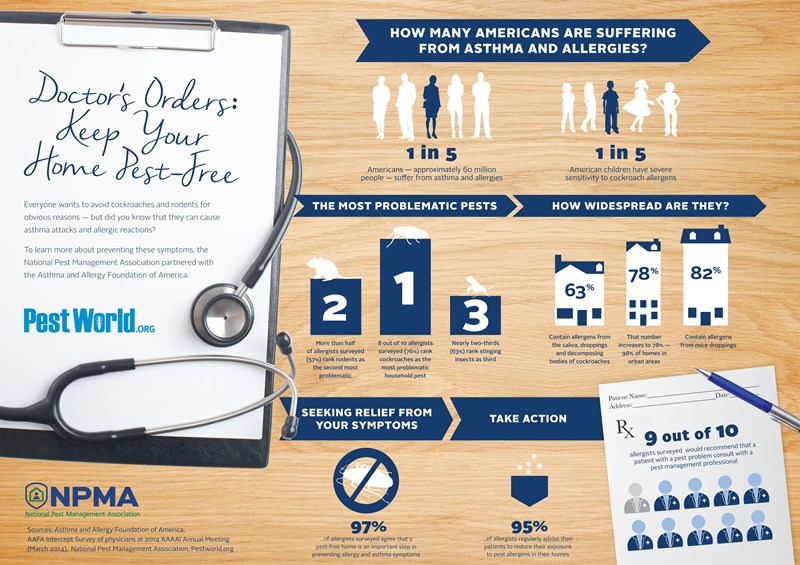
Eliminating Pests to Prevent Allergies and Asthma This Spring
Each year, the Asthma and Allergy Foundation of America designates May as National Asthma and Allergy Awareness Month, an ideal time to educate the public about triggers, prevention and treatment measures for asthma and allergic diseases. In recognition of this important observation, we want to remind people that a few simple pest prevention measures can go a long way in combating allergies and asthma this spring.
Common household pests, such as cockroaches and stinging insects, can pose a significant threat to asthma and allergy sufferers. Cockroach droppings, saliva, shed skins and other body parts contain allergen proteins known to cause allergy flare-ups and increase asthma symptoms, especially in children. In addition, stinging insects send more than 500,000 people to the emergency room each year due to serious reactions from the pest’s venom.
Many people blame their sneezing and runny noses during the spring season on pollen and grass, however, household pests are often culprits as well. It’s important for people to make an effort to keep the home free of potential triggers, and the first step is practicing good sanitation.
The National Pest Management Association (NPMA) recommends the following tips for safeguarding homes against common indoor allergens caused by pests:
- Exclude pests by sealing cracks and gaps on the outside of the home. Pay special attention to utility pipe entry points.
- Vacuum at least once a week using a vacuum with a HEPA (high-efficiency particulate) filter.
- Keep food sealed and stored properly, and clean kitchen floors and counters daily.
- Dispose of garbage regularly and store in sealed containers.
- If allergic to stinging insects, learn how to use an epinephrine kit and carry it with you at all times.
- Should you experience symptoms of an allergic reaction following a stinging insect encounter, such as tongue and throat swelling, wheezing, dizziness, or shortness of breath, call 911.
- If you suspect an infestation, contact a licensed pest professional to safely remove the threat.

To view full image click HERE
Source: NPMA
May 27, 2014 | Pest Control
Simple ways pet owners can keep their animals safe from fleas and ticks
The spring season is a time when all members of the family, including pets, wander outdoors to enjoy the sunshine and blossoming flowers. Unfortunately, it’s also prime pest season, which means pets are at risk of encountering hungry fleas and ticks that are in search of active hosts. Northwest Exterminating encourages pet owners to take precautions against these dangerous pests during the warmer months.
Fleas are more than just an itchy annoyance. Their saliva can cause anemia, dermatitis and can transfer tapeworms in dogs and cats. Ticks can spread bacteria to pets and cause tick paralysis, which occurs when a female tick attaches near a pet’s spinal cord. This condition can lead to muscle weakness, loss of coordination and in some cases, death from respiratory failure as chest muscles become paralyzed.
In addition to the health threats posed by fleas and ticks, both pests are small in size and extremely mobile, making them difficult to detect and get rid of once inside the home. It’s extremely important for pet owners to be cautious of these pests and contact a licensed pest professional if they suspect an infestation.
The National Pest Management Association, a nonprofit organization committed to the protection of public health, food and property from household pests, offers these tips to keep pets pest-free:
- Check pets’ coats thoroughly for ticks and fleas on a regular basis, especially after spending time outdoors. Be aware of excessive scratching and licking.
- Avoid walking dogs in tall grass, where there is a greater chance of encountering ticks.
- Bathe pets after walks or playtime with other animals.
- Wash pet bedding, collars and plush toys frequently.
- Wash bed linens and vacuum carpets, floors and furniture regularly.
- Empty vacuum bags in an outside receptacle.
- Speak to a veterinarian about flea and tick prevention treatments.
Source: NPMA
May 1, 2014 | Pest Control
Shoo Fly…Don’t Bother Me! How to Prevent House Flies
House flies get their name because they’re the most common fly found in homes (genius, right?). They aren’t very adventurous creatures…usually staying within 2 miles of where they were born. Of course like with all species, you have you’re “wild ones” who have been known to go in search of food up to 20 miles away from their birthing place.
Unlike other beings that use their tongue to taste, house flies use their feet. And talk about a sweet tooth, errr sweet foot, house flies feet are 10 million times more sensitive to sugar than the human tongue. That may be “sweet” for them but it’s not so sweet for us humans. House flies have been recorded to carry over 100 kinds of disease causing germs. This can be a great threat to the health of your home. So what can you do?
How to Prevent House Flies
- Keep a clean home. Clean up spills immediately. Sweep, mop, and vacuum frequently.
- Take out the trash. Remove trash from the home on a regularly. Make sure that trash is placed in a tightly sealed garbage container.
- Keep food stored. Store food in tightly sealed containers (including pet food).
- Don’t forget the pets. Clean up pet waste. Also, don’t leave pet bowls out…flies don’t discriminate between pet food and human food.
- Cover up. If you enjoy having doors or windows open make sure to use screens to keep flies from entering.
Do you have problems with flies? Call a professional to inspect your property to find the source of your house fly infestation.
Source: NPMA
Dec 9, 2013 | Pest Control
What to Look for When Choosing an Exterminator.
Whether faced with an infestation or looking for preventative measures, here are some tips on What to Look for When Choosing an Exterminator:
- Do your research. Don’t just go with the first company that comes up in Google or in the phone book.
- Ask friends, neighbors, and view review websites like Yelp or Angie’s List.
- Look for companies that are members of local or national pest management associations. These companies have to live up to higher standards than the exterminators that are not part of these associations.
- ALWAYS use licensed pest control companies.
- Call the State Department of Agriculture for more information on a professional pest control company.
- Don’t be afraid to ask questions. Make sure that you fully understand the treatments and all other aspects of the contract BEFORE signing.
- Ask about warranties and guarantees. What do they cover? How long do they last? Upkeep? What do you need to do to hold up your end of the contract?
- Choose based on VALUE, not cost. Just because it’s cheaper doesn’t mean that it’s better. You may end up spending more money in the long run if a quality job isn’t done the first time around.
- Talk to more than one company so you can compare the services, quality, cost, etc.
- Visit www.pestworld.org for exterminators in your area.
Dec 6, 2013 | Pest Control
Some things are just better left to the professionals. Why Choose Professional Pest Control?
When dealing with bugs in your home or business, there are often times that do-it-yourself measures do the trick and get rid of your pest problem. However, when you have a bug infestation, it’s best to realize that it is probably a job that is better off left to the professionals. Knowledge is power – and knowing exactly what you’re working with is key to eliminating your pest problems. A pest professional, or exterminator will be able to:
- Identify the pest – knowing the difference between a carpenter ant and an Argentine ant can make a huge difference when it comes to correct treatments.
- Eliminate the source – you may not realize that something in your home is being used as bait or an open invitation for pests to invade.
- Effective treatment – based of the type of pest, an exterminator is able to suggest what treatment plan will be most efficient and effective for your home or business.
- Ongoing plan – based on the information gathered, pest sources, and treatment options, a professional pest control company, along with the home or business owner, is able to develop a customized plan that can help prevent pest problems in the future.
All of the above reasons help to alleviate headaches that come with DIY, saves you from dumping unneeded or inefficient chemicals around your property, often times can save you money, and helps to reduce the risk of returning pests.
Call Northwest Exterminating to make sure your home or business stays pest free.
Sep 4, 2013 | Mosquito, Pest Control, Uncategorized
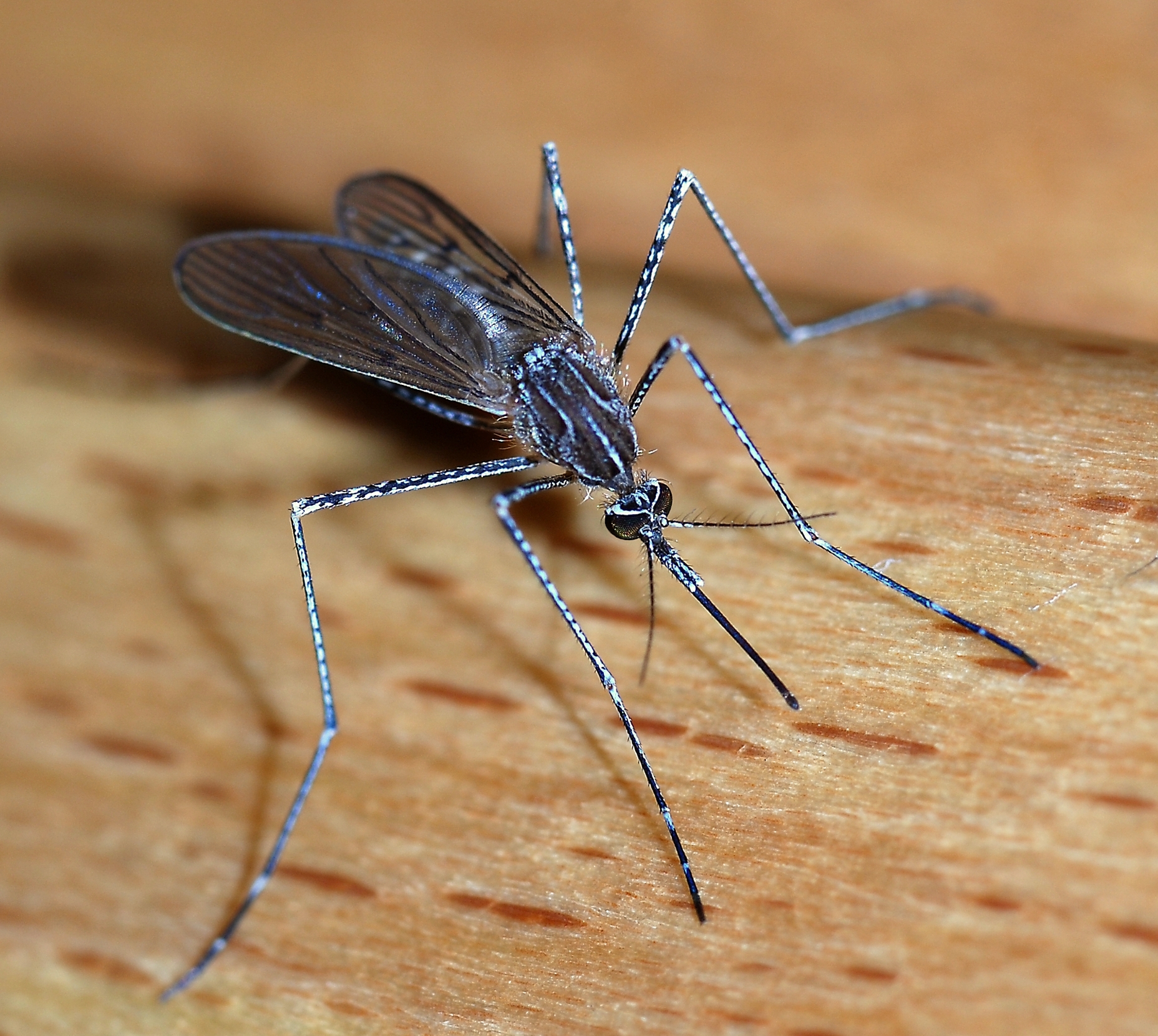
Prevention is key in keeping mosquitoes and other pests away from your home. Making your property less appealing to mosquitoes is a huge step in keeping mosquitoes away. If they don’t have a place to lay their eggs, then they won’t stick around. One of the most important things you can do is to remove areas of standing water.
This can be done by eliminating areas in your yard where standing water occurs (gutters, plants, lawn decor, tires, playgrounds, items found in yard, etc.). Make sure that things such as bird baths, fountains, and plants are emptied frequently.
This is one simple yet effective way to keep mosquitoes away.
Mosquito Control by a professional pest control company can effectively eliminate mosquito habitats and work with you to ensure that your property is not a mosquito magnet!
Call Northwest Exterminating for more information on our Green Mosquito Control Program.