Bed bugs are an ongoing problem in the pest industry with no foreseeable changes in the near future. Infestation cases are on the rise and will most likely increase with the upcoming holiday season. So as your family makes plans for traveling, relatives visiting, and students coming home from college, it’s important to know how to keep your home protected from the ultimate hitchhiker: the bed bug.
If you’ve never seen a bed bug, you may have a hard time finding or identifying one. Keep reading to find out what bed bugs look like, where to find them, what threats they pose, and how to prevent and control them.
Bed Bug Identification
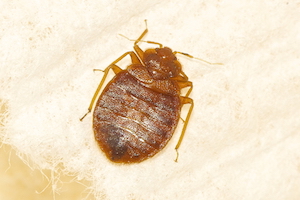
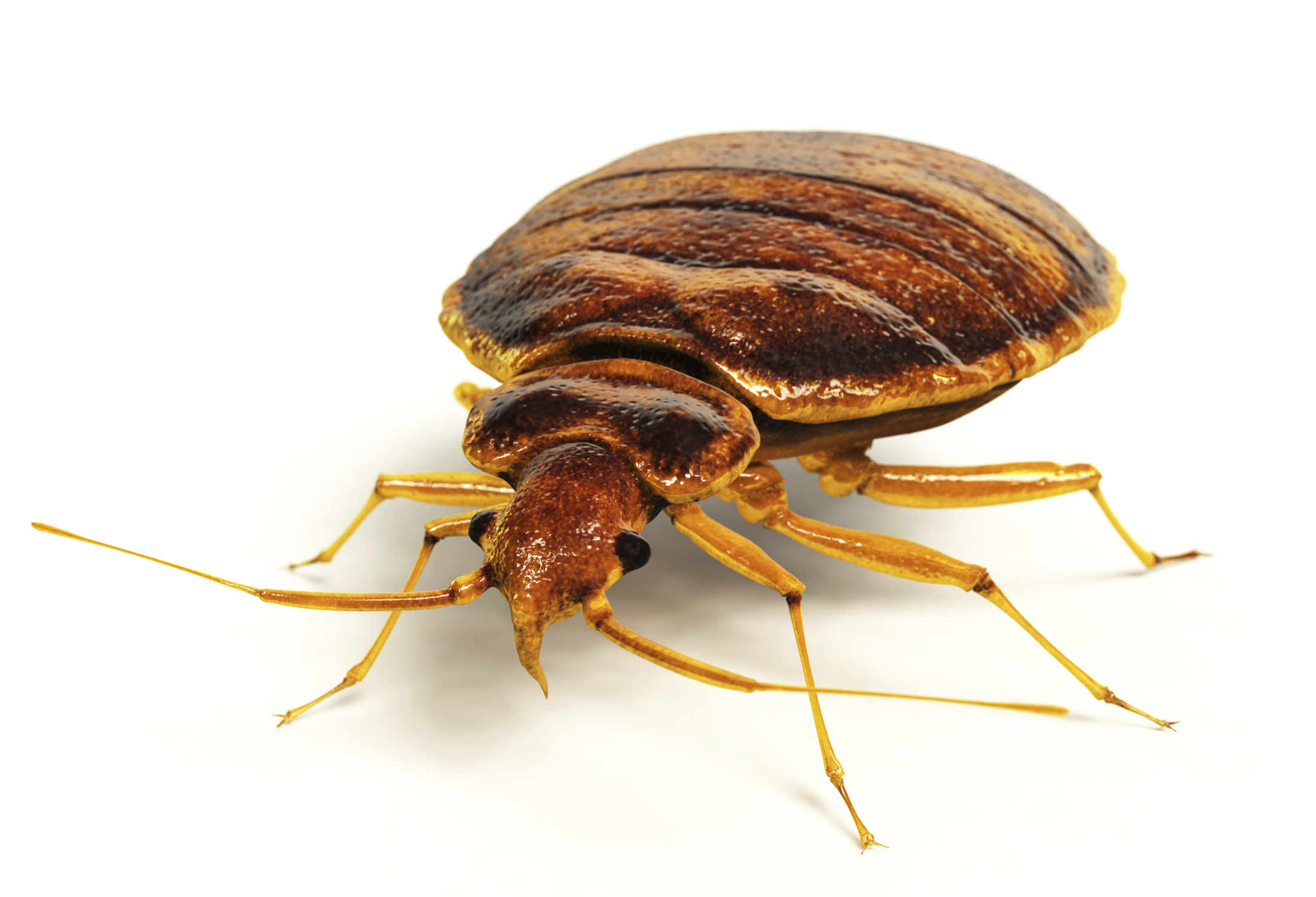
Red to brown in color (red after they’ve had a blood meal), six legs, flat and oval in shape, about 1/4″ in size or smaller
Bed Bug Environment
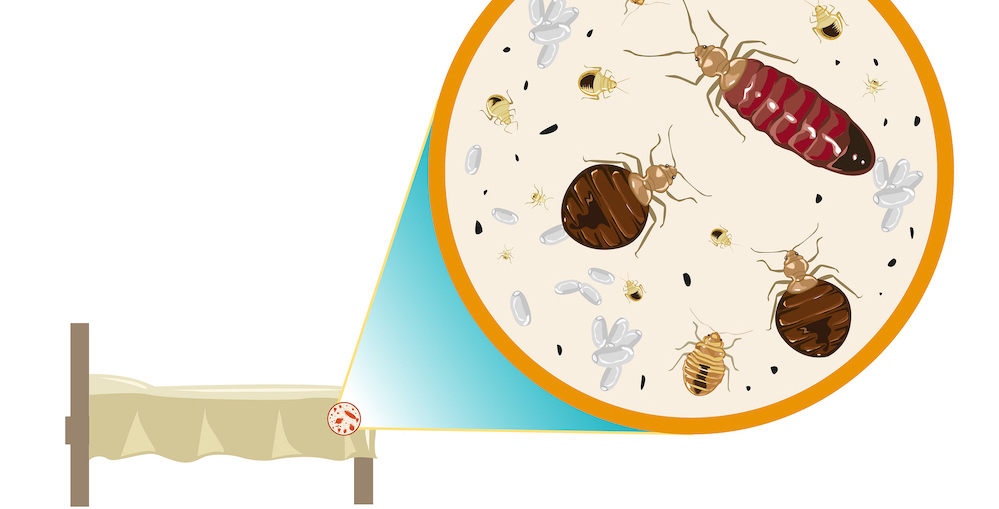
Cracks and crevices close to a human food source – behind baseboards, in furniture, bed frames, mattresses & boxsprings, suitcases, boxes (like shoe boxes or under bed storage), behind electrical switch plates
Bed Bug Threats
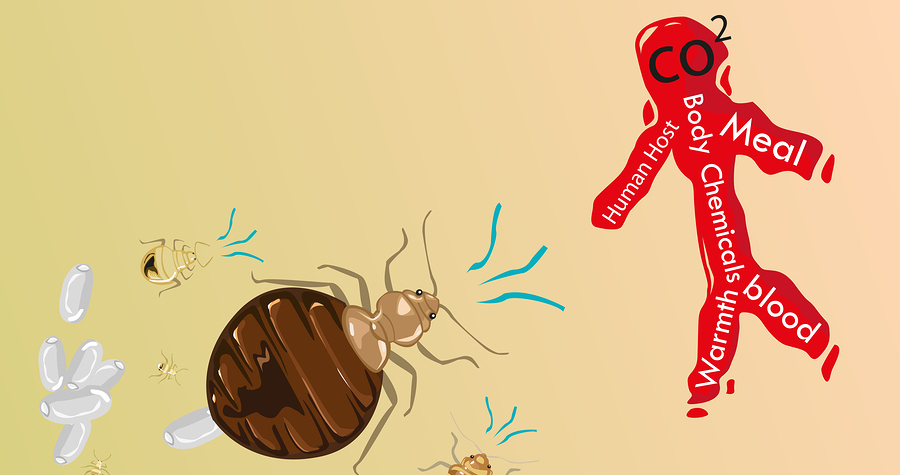
Bed bugs are excellent travelers and often go unnoticed since they’re nocturnal. They typically appear at night once you’re sleeping to feed and often leave behind red, itchy welts on the skin when bitten. Although they don’t transmit diseases, bed bugs are extremely elusive and hard to get rid of once an infestation occurs and can’t be eradicated with do-it-yourself treatments.
Bed Bug Prevention
Don’t bring suitcases inside your home after traveling. Remove all clothes first, wash them, and run through a high heat dryer cycle. Bed bugs cannot withstand high temperatures so this ensures you’re killing any that may have travelled back with you from trips, relatives’ homes, school, etc. Vacuum suitcases and leave them somewhere outside your home, preferably in sealed bags or containers, until you need them again. Also, make a habit of inspecting your bed for signs. Dark (blood) spots on sheets, pillows or other bedding is the most obvious indicator of a bed bug infestation. If you’re seeing this, call an exterminator immediately that specialized in bed bug treatment and control.
Bed Bug Control
Because of the elusive nature of bed bugs and their ability to survive in extreme conditions (bed bugs can live for a year or more without eating and can withstand a wide range of temperatures from nearly freezing to 113 degrees Fahrenheit), they can’t be eliminated through do-it-yourself methods. If you’ve identified a bed bug infestation in your home or business, or suspect bed bug activity, call a professional pest control company. A proper inspection is needed to identify all areas of infestation. After an in-depth inspection, a treatment and control plan can be implemented, usually including multiple chemical and/or heat treatments and inspections over several weeks. As part of the treatment plan, you may be asked by your exterminator to remove or reduce clutter, install protective encasements to your mattresses and/or boxsprings, and launder bedding and/or clothing. You should also be advised not to throw out any infested furniture, clothes or other items; this can cause the spread of bed bugs to other locations. It’s also not recommended to purchase new furniture throughout the treatment process as these items will likely become infested with bed bugs.
We talk a lot about how NOT to get bed bugs. By now you know to take precautions when traveling – ask hotels before booking if they’ve had a history with bed bugs, check for signs of bed bugs after check in (around mattress edges most common), and don’t leave luggage or clothing sitting on beds that aren’t your own. You also know it’s not a great idea to bring your luggage into your home right after a trip. Instead, leave in your garage and wash all the clothing before bringing inside, if possible. Store suitcases in an outdoor closet if available. Even if you’ve done all of the above, bed bugs are great travelers and CAN find their way into your home – maybe in that second-hand piece of furniture you recently purchased, from overnight house guests’ luggage, or even your kids returning home from college with a few extra “friends”. Bed bugs are made to survive in the most extreme conditions, making it hard to get rid of them once they’re in your home.
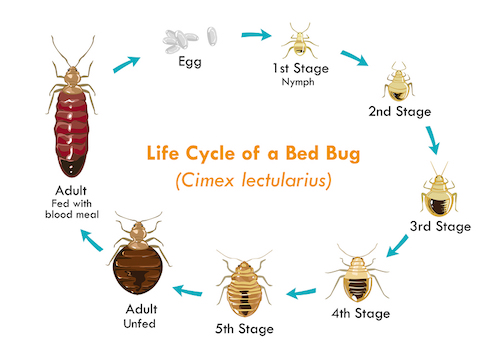
Finding and identifying bed bugs doesn’t have to be hard, though. Typically they like to live only a few feet away from their food source – any living person or pet in your home. So most likely you’ll find them in and around your bed. So how will you know when you have bed bugs? The most obvious sign is bites. You may see them on your skin or experience itchiness. Or you may not feel or see bites at all. In this case, bed bug infestations can worsen since you don’t know they’re there until it’s too late. To avoid this, check for bed bugs often. When changing bedding, check for signs – dark spots (fecal matter) on mattresses, box springs, pillows, on bed skirts, and headboards. You may also see bed bugs if you’re heavily infested, in any of their life stages – from eggs to nymphs to adults. In the adult stage, bed bugs are relatively flat, small, round, and a reddish brown color (this coloring is darker after a feeding). You can see the different life stages of bed bugs in the photo below.
So now what? While it may be hard to stomach, continue sleeping in your bed until the bed bugs have been eliminated. Moving to other areas of your home, such as a guest bedroom or the sofa, could cause the bed bugs to travel with you and infest other areas. If you want to change your bedding, wash everything in hot water. Bed Bugs can’t survive in extremely hot conditions so this will kill any hiding out in pillows, comforters, etc. While some exterminators may suggest otherwise, it’s usually best to leave everything else as is until you’ve had a professional inspection. Again, you don’t want the bed bugs to migrate to other areas of the house.
Next, call a pest control company that specializes in bed bug treatments. There are several methods of treatment available and an experienced exterminator will know which solution is best for your situation. This will also ensure you’ve correctly identified bed bugs. In the meantime, while waiting for your inspection, resist the urge to throw beds, bedding and furniture out. This will only worsen the infestation, since they could be in areas of your home you’re unaware of, therefore will infest any new items your purchase. And you also risk spreading the pests to others, by leaving infested furniture untreated.
Northwest Exterminating shares back-to-school tips to prevent a bed bug infestation
Summer vacation is almost over and before we know it schools and universities will be back in session. While shopping for school supplies and a new wardrobe might take precedence over bed bug prevention, Northwest Exterminating, a pest control management company, encourages parents and students to also spend some time brushing up on bed bug prevention tips.
Bed bugs are excellent hitchhikers and thrive in heavily populated places. This makes classrooms and dorms the perfect settings for bed bugs to take up residence.
A study conducted by the National Pest Management Association (NPMA) and the University of Kentucky found that bed bug infestations are on the rise in many different types of dwellings, including school and college settings. According to the survey, 47 percent of respondents had treated for bed bugs in college dorms in 2013, while 41 percent had reported bed bug infestations in schools and daycare centers.
NPMA experts recommend the following tips for students in grades K-12 to avoid bringing bed bugs home:
Parents should regularly inspect their children’s belongings for hitchhiking bed bugs
If the school has reported an infestation, consider housing all related items in a sealed plastic bin
Wash and dry cloth items returning from school in hot temperatures
Ask school administrators whether they have bed bug detection and elimination plans
NPMA also advises college students to take steps to protect against bed bugs, including:
Fully inspect suitcases prior to re-packing for a return to school, especially after any summer trips
Before putting sheets on the dormitory bed, inspect the mattress seams, particularly at the corners, and box springs for telltale stains or spots
Thoroughly inspect the entire room before unpacking, including behind the headboard and in sofas and chairs
Inspect any “secondhand” furniture for bed bugs before bringing it into dormitory rooms or off-campus housing
For more information on bed bugs, please visit our Bed Bug Control page.
Introducing Green Elite by Northwest Exterminating
We’ve been working on something really big for our customers and we’re proud to announce that it’s finally here…GREEN ELITE!
At Northwest Exterminating, we have made a name for ourselves as the GREEN leaders in pest and termite control! So it is only fitting that our newest program allows customers to continue to GO GREEN with us! We wanted to develop a program that would benefit our customers and be an environmentally friendly solution for our environment. Many of our customers have more than one service with us. Since these services were typically on different schedules, our representatives were oftentimes making more than one trip out to a property to complete different services. Customers were also getting billed individually for each service. We knew there was a Greener way! Keeping with our “Go Green” mentality, we thought that by grouping green services like pest, termite, and mosquito, we could reduce our carbon footprint by making fewer trips to complete services, reducing fuel costs, and reducing the amount of paper that we use in our billing process…all while saving the customer money! It’s truly a WIN-WIN!
We like to have fun around Northwest Exterminating! So to get our team members excited about Green Elite, we had a party!! And to spice things up a bit, we’re having a competition on which service center had the most Green Elite spirit! You can help us decide the winner by visiting our Facebook page, going to the “Green Elite Spirit” photo album and voting for the branch with the most Green Elite spirit! You are NOT going to want to miss these pictures!
Want to join the Green Elite? Click here or call us at 888.466.7849 to Group Green & Save Green!
*Inspection fee for Bird Control or Snake Removal begins at $125. These service inspection fees will be applied to total service cost if bird control and/or snake removal services are completed.
By submitting, you agree to be contacted about your quote. See our Privacy Policy.
READY TO GET STARTED?
REQUEST A FREE ESTIMATE
Fill out the form below or call (866) 800-2197 for a free, no-obligation estimate.
READY TO GET STARTED?
REQUEST A FREE ESTIMATE
Fill out the form below or call (866) 800-2197 for a free, no-obligation estimate.
READY TO GET STARTED?
REQUEST A FREE ESTIMATE
Fill out the form below or call (855) 374-3795 for a free, no-obligation estimate.