The time for holiday travel is quickly approaching. The panic, the shopping, and the cooking are all becoming a reality once again and you don’t have time for much else. The last thing you need to add to your ever growing holiday to-do list is a bed bug infestation. The best thing you can do is arm yourself with knowledge to be ahead of the game and use the proven tricks below when returning from your travels!
Things to Know:
Bed bugs are tricky. They are elusive and great at hiding during the day.
They have a method to their madness. Their bites leave behind patterns and clusters. While disturbing, this helps identify an infestation.
Bed bugs are commonly misidentified pests. They are often mistaken for fleas or cockroaches.
They can live for several months without a meal; on top of that, they can survive freezing temperatures of up to -122 degrees.
When travelling back home from your holiday visits, leave suitcases in a garage or driveway and take clothing straight to the laundry room to be washed in warm water. This is especially important for college students coming home for winter break.
Bed bug infestations are very serious and require a thorough inspection and intense treatment. If you suspect that you have an issue with bed bugs, call a licensed bed bug specialist immediately.
For many of us, the holiday season is a time of joy. It is also a time for travel as we look forward to spending time with family and friends. One thing that can damper our holiday season is dealing with unwanted visitors – no, not that cranky Scrooge of a relative – but bed bugs! Bed bugs are notorious hitchhikers, tagging along with unsuspecting travelers on their clothes and luggage. As we enter the biggest travel season of the year, check out these tips for preventing bed bugs and preserving your holiday cheer.
1. Prepare For Your Guests
When you have guests staying with you, make sure you are prepared for the possibility of bed bugs being brought in with them. Don’t put your guests’ coats and bags on the bed. Instead, clean out a closet and use it to store their belongings. If you have to put their items on the bed, lay a sheet down first. It can be cleaned later. Place a plastic mat by the door for them to place their shoes on. If possible, provide luggage racks for them to use to store their belongings on. Use a bed bug mattress cover on any beds your guests will be using. If your guests will be sleeping on the couch, lay a sheet down over it first.
2. Clean Up After They Leave
Once your guests leave, make sure to go behind anywhere they kept coats or luggage and clean. Vacuum closets where luggage and coats were kept. Vacuum the beds and couches where they slept. Seal the vacuum bags immediately and dispose of them outside. If you used sheets under luggage or on your couches, wash them in hot water and dry them on high heat. Wash the plastic mat you used for their shoes with hot, soapy water.
3. Be On The Lookout
Whether you have guests who just left or you are the guest yourself, check your surroundings for signs of bed bugs. Inspect the mattress, box springs, and headboard, especially around edges and seams. Make sure to check couch cushions and chairs, as well. The most common sign of bed bugs is small, rust colored spots. Avoid using dresser drawers if possible. When you arrive at your destination, especially if you have been in a heavily populated area (subway, bus, airport, etc) check your shoes, jackets, hats, and luggage immediately. Be sure to check around zippers and seams. If you spot bed bugs, remove the clothing immediately and wash in hot water and dry on high heat. Vacuum luggage and seal and dispose of the vacuum bag immediately. If you are going to be a guest at a hotel or other lodging accommodation, you can also check the Bed Bug Registry, which is a free user-submitted database of bed bug reports across the US and Canada.
4. Don’t Wait Around
Once you arrive home from your travels, unpack your luggage and change your clothes immediately. Wash everything in hot water and dry on high heat. The heat of the water and air from the dryer will kill any bed bugs that may be lingering around. Once unpacked, vacuum or steam your luggage and seal it in plastic bags or containers. Store your luggage outside the home (in a garage, shed, etc) until you need to use them again.
5. Call The Pros
Bed bugs are resilient and can be extremely difficult to get rid of. If you suspect you have a bed bug problem, call a pest control professional who can come in and provide you with a thorough evaluation and comprehensive treatment plan.
While many of us are planning vacations or trips to visit family for the upcoming holiday season, bed bugs are planning their vacation too, as unwanted guests that hitchhike their way into your home from hotel rooms, rented houses & condos, families’ houses, and college dorms. So what can you do to minimize your risk? Follow these bed bug prevention tips:
Inspect your accommodations. Check your hotel room or rental for signs of bed bugs before bringing your luggage in. From high end hotels to small B&Bs or rental homes, any property has the potential to be bed bug infested – so it’s important to check every type of accommodation. Bed bugs can be found in furniture (usually cracks & crevices), including beds, end tables, sofas & chairs, dressers, etc. Be especially sure to check around mattress corners, looking for evidence of bed bugs – usually distinguished by very small, dark-colored stains. Another indication of bed bugs is skin shells that have been shed during their growth phases.
If you suspect that your room has bed bugs, ask to be moved or consider another hotel or rental.
Even if you find no traces of bed bugs, be careful when unpacking your clothing. Use provided luggage racks rather than placing suitcases on the beds or furniture or thoroughly inspect dressers before placing clothing in drawers.
Don’t unpack when you return home. Resist the urge to bring your luggage inside your home when returning from a trip. Instead, unpack outside of your home, wash all clothing right away and be sure to run everything through a high-heat dryer cycle (bed bugs cannot withstand high temperatures). Then store suitcases outside if possible, like in your garage or a storage closet. Another option, if you don’t have anywhere to keep luggage outside your home, is to seal suitcases in large, plastic storage bags before bringing inside.
If you’re experiencing bed bug bites or seeing evidence of bed bugs, contact a professional bed bug control company to access the situation. DIY bed bug control is not recommended; an exterminator can determine the best treatment plan and give you recommendations to prevent future infestations.
Before making spring break or summer travel plans, consider checking the bed bug registry to see if your hotel is on the list.
The Bed Bug Registry is a website dedicated to reporting bed bug activity across the United States and Canada, for both hotels and other travel accommodations, as well as rental properties. The site offers a free, neutral platform where travelers can report bed bugs in a public environment. Since 2006, the Bed Bug Registry collected over 20,000 reports of bed bugs in 12,000 locations.
Because bed beds are excellent travelers, it’s likely you’ll bring them back home with you if staying in a bed bug infested hotel. So the first step in bed bug prevention is being able to find and identify them. Bed bugs are red to brown in color, depending on when their last blood meal was, flat and oval in shape, and about 1/4 inch in size or smaller. They like to hide in dark, undisturbed areas like the cracks and crevices of bed frames, headboards, mattresses, box springs, furniture, and upholstered items like chairs and storage benches. They can also be found behind baseboards, under carpet, behind electrical switch plates, and in under-bed storage containers. A sure sign of bed bugs are small, dark spots on sheets and pillowcases. If beds bugs are found are suspected, ask to be moved to another room or consider getting a refund and moving to another hotel.
Even if you don’t find bed bugs in your hotel room, there are steps you can take when you get home to prevent a bed bug infestation. Don’t bring your luggage inside your home. Instead, remove all of your clothing, wash immediately and run through a high-heat dryer cycles (bed bugs can’t survive in high temperatures), and then vacuum your suitcase and store outside your home in sealed bags or containers, like in the garage or a storage closet.
If you suspect a bed bug problem in your home, contact an exterminator immediately. Bed bugs are best eliminated when the infestation is identified and controlled early and DIY bed bug treatments are not recommended.
Bed bugs are an ongoing problem in the pest industry with no foreseeable changes in the near future. Infestation cases are on the rise and will most likely increase with the upcoming holiday season. So as your family makes plans for traveling, relatives visiting, and students coming home from college, it’s important to know how to keep your home protected from the ultimate hitchhiker: the bed bug.
If you’ve never seen a bed bug, you may have a hard time finding or identifying one. Keep reading to find out what bed bugs look like, where to find them, what threats they pose, and how to prevent and control them.
Bed Bug Identification
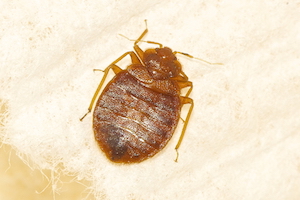
Red to brown in color (red after they’ve had a blood meal), six legs, flat and oval in shape, about 1/4″ in size or smaller
Bed Bug Environment
Cracks and crevices close to a human food source – behind baseboards, in furniture, bed frames, mattresses & boxsprings, suitcases, boxes (like shoe boxes or under bed storage), behind electrical switch plates
Bed Bug Threats
Bed bugs are excellent travelers and often go unnoticed since they’re nocturnal. They typically appear at night once you’re sleeping to feed and often leave behind red, itchy welts on the skin when bitten. Although they don’t transmit diseases, bed bugs are extremely elusive and hard to get rid of once an infestation occurs and can’t be eradicated with do-it-yourself treatments.
Bed Bug Prevention
Don’t bring suitcases inside your home after traveling. Remove all clothes first, wash them, and run through a high heat dryer cycle. Bed bugs cannot withstand high temperatures so this ensures you’re killing any that may have travelled back with you from trips, relatives’ homes, school, etc. Vacuum suitcases and leave them somewhere outside your home, preferably in sealed bags or containers, until you need them again. Also, make a habit of inspecting your bed for signs. Dark (blood) spots on sheets, pillows or other bedding is the most obvious indicator of a bed bug infestation. If you’re seeing this, call an exterminator immediately that specialized in bed bug treatment and control.
Bed Bug Control
Because of the elusive nature of bed bugs and their ability to survive in extreme conditions (bed bugs can live for a year or more without eating and can withstand a wide range of temperatures from nearly freezing to 113 degrees Fahrenheit), they can’t be eliminated through do-it-yourself methods. If you’ve identified a bed bug infestation in your home or business, or suspect bed bug activity, call a professional pest control company. A proper inspection is needed to identify all areas of infestation. After an in-depth inspection, a treatment and control plan can be implemented, usually including multiple chemical and/or heat treatments and inspections over several weeks. As part of the treatment plan, you may be asked by your exterminator to remove or reduce clutter, install protective encasements to your mattresses and/or boxsprings, and launder bedding and/or clothing. You should also be advised not to throw out any infested furniture, clothes or other items; this can cause the spread of bed bugs to other locations. It’s also not recommended to purchase new furniture throughout the treatment process as these items will likely become infested with bed bugs.
*Inspection fee for Bird Control or Snake Removal begins at $125. These service inspection fees will be applied to total service cost if bird control and/or snake removal services are completed.
By submitting, you agree to be contacted about your quote. See our Privacy Policy.
READY TO GET STARTED?
REQUEST A FREE ESTIMATE
Fill out the form below or call (866) 800-2197 for a free, no-obligation estimate.
READY TO GET STARTED?
REQUEST A FREE ESTIMATE
Fill out the form below or call (866) 800-2197 for a free, no-obligation estimate.
READY TO GET STARTED?
REQUEST A FREE ESTIMATE
Fill out the form below or call (855) 374-3795 for a free, no-obligation estimate.