Apr 8, 2013 | Uncategorized
Monday, April 1, 2013
This April, the National Pest Management Association encourages homeowners to take precautions against common pests
FAIRFAX, VA – The National Pest Management Association (NPMA) celebrates April as National Pest Management Month, an observance that’s been taking place for more than 30 years to recognize the pest management industry for its commitment to the protection of public health and property from common household pests.
“Whether it’s rodents, ants, termites, bed bugs or cockroaches, pest professionals play an important role in preserving our quality of life,” said Missy Henriksen, vice president of public affairs for the NPMA. “We’d like to recognize these men and women for all they do to keep our families and homes safe from unwanted pests not just during National Pest Management Month, but year-round.”
This April, homeowners are reminded to pest-proof their home in preparation for the upcoming pest season. NPMA experts recommend the following tips:
- Seal cracks and holes on the outside of the home including entry points for utilities and pipes.
- Repair fascia and rotted roof shingles.
- Replace weather-stripping and repair loose mortar around the foundation and windows.
- Keep tree branches and shrubbery well trimmed and away from the house.
- Store fire wood at least 20 feet away from the house and five inches off the ground.
- Eliminate sources of standing water around the house, including birdbaths and in clogged gutters.
- Keep basements, attics and crawl spaces well ventilated and dry.
- Keep kitchen counters clean, and store food in sealed containers.
- Store garbage in sealed containers and dispose of it regularly.
- Avoid leaving pet’s food dishes out for long periods of time.
“As the weather continues to get warmer, pests will begin to emerge from their overwintering sites and look for food indoors. National Pest Management Month comes at the perfect time to make pest-proofing a priority to prevent an infestation during the spring and summer seasons,” added Henriksen.
For more information on National Pest Management Month or for information on common household pests, please visit Pestworld.org.
The NPMA, a non-profit organization with more than 7,000 members, was established in 1933 to support the pest management industry’s commitment to the protection of public health, food and property.
Source
Feb 6, 2013 | Uncategorized
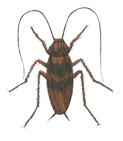
Roaches are often referred to as w aterbugs. These bugs enter homes and commercial kitchens in search of food, water, and shelter.
Habits
- Enter through cracks and crevices
- Enter by way of boxes, containers, etc.
- Commonly found in areas with water such as kitchens and bathrooms
Different Species
Threats
- Cockroaches have been reported to spread at least 33 kinds of bacteria, six kinds of parasitic worms, and at least seven other kinds of human pathogens
- Cockroach allergens trigger allergic reactions
- Have shown to cause asthma in children
- Pick up germs while crawling though decaying matter or sewage and carry those germs onto foods or other surfaces
Prevention
- Reduce moisture by fixing leaky drains and pipes, properly ventilate basements and crawlspaces
- Brush all firewood before bringing it into your home – many insects lay eggs on firewood
- Clean kitchen counters regularly of spills and crumbs
- Clean dishes immediately after use
- Vacuum often
- Keep garbage in sealed containers and dispose often
- Keep food seals and stored properly
- Seal cracks and crevices that roaches could use as entry points into a structure
Other Pests to Look Out for
Feb 4, 2013 | Uncategorized
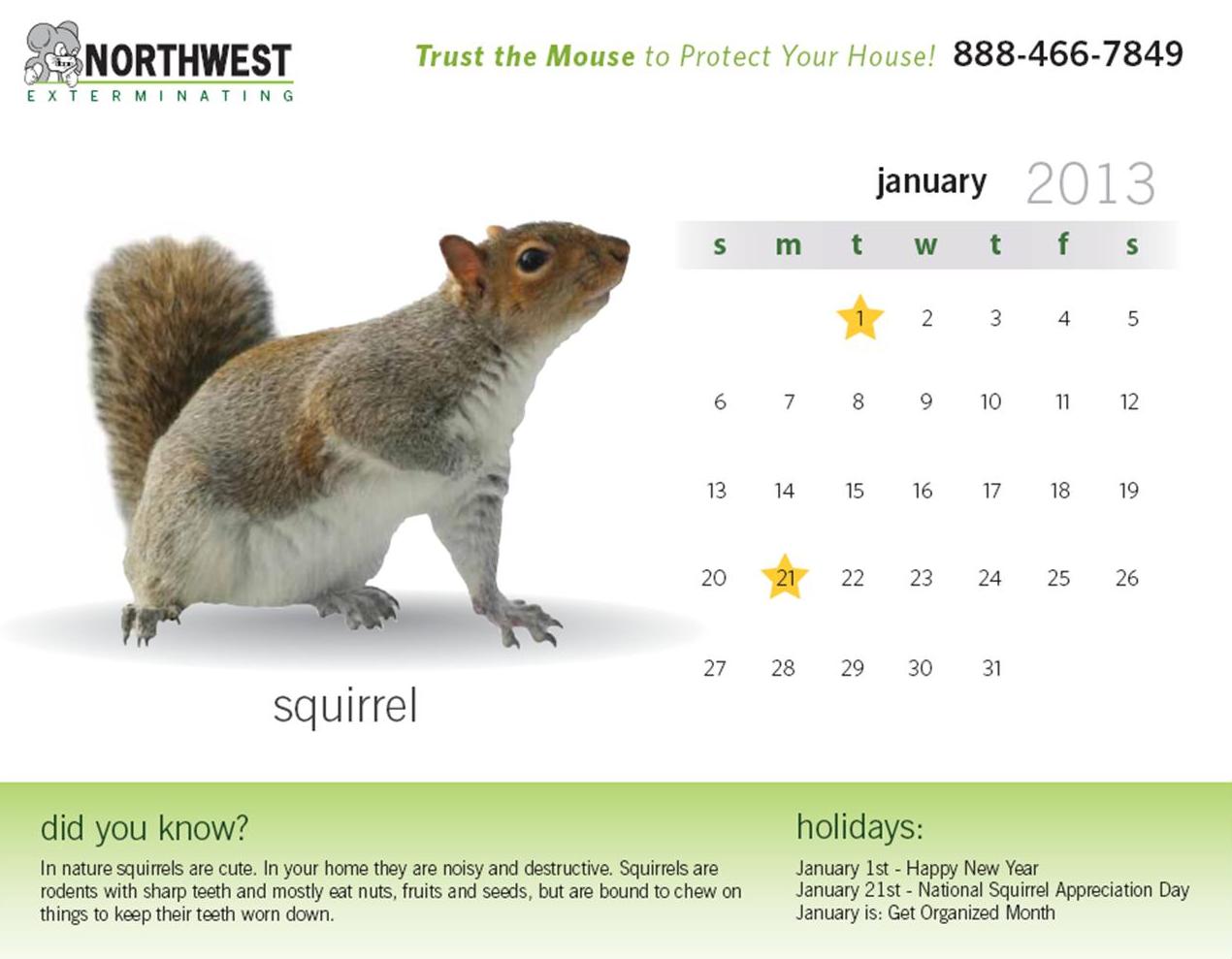
Northwest Exterminating recently added another tool to our website that will benefit business and homeowners. The 2013 Pest Calendar is available for printing and download on our site. Each month we highlight a particular pest that is often seen at that time of the year. Along with a visual reference, we offer some little known facts about the pest.
We cover squirrels, cockroaches, termites, carpenter bees, mosquitoes, bed bugs, fire ants, fleas/ticks, stink bugs/kudzu bugs, spiders, rats, and raccoons.
We hope this will serve as a useful tool to our customers and those that visit our site at www.callnorthwest.com
Go to our website and check out our 2013 Pest Calendar!
Jan 28, 2013 | Uncategorized
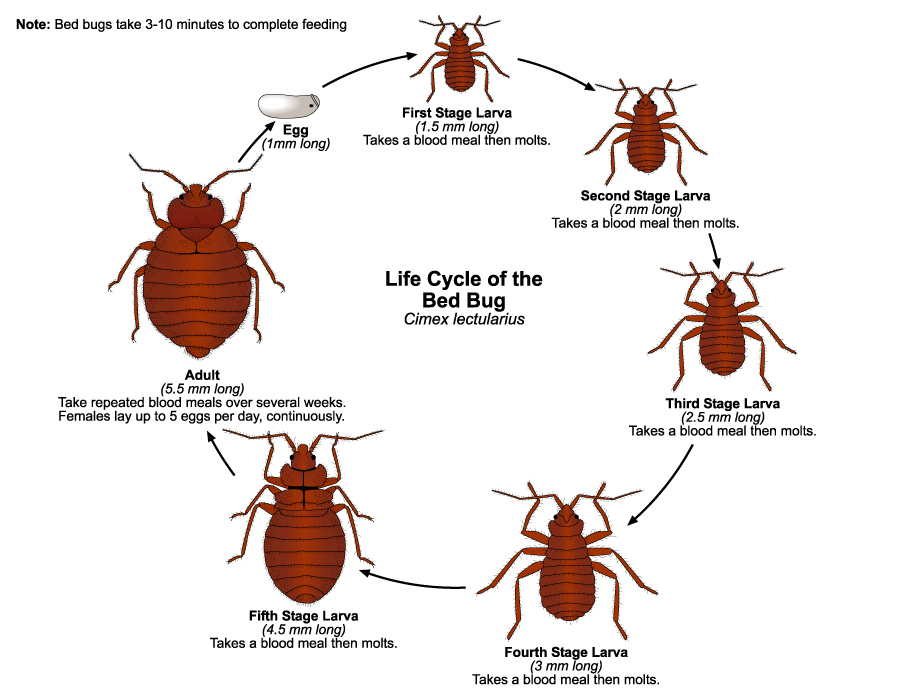
Bed bugs are small parasitic insects that feed on the blood of humans and animals, typically while they sleep. Usually, they live within 8 feet of where people sleep but are known to travel up to 100 feet in one night! This is because they can go many months without having to have a meal. When they take a bite, they will leave a small bite mark that, at worst, can cause a serious allergic reaction, but are otherwise not known to be a source of disease.
Unlike their name suggests, bed bugs can be found in houses, apartments, hotels, trains, and even cruise ships. At one time, it was thought that these insects were only an issue in developing countries, but recently they have rapidly spread throughout North America and parts of Europe. They travel through the seams and folds of luggage, overnight bags, clothing, bedding and furniture. Despite what conventional wisdom suggests, the presence of bed bugs does not have to do with lack of cleanliness. Bed bugs go where food can be found.
Bed bug infestation will most likely be spotted after they have already gotten to you. If you see inexplicable bite marks on your body after you wake up, you might want to investigate further. Looking around your sleeping area, you may discover bed bug exoskeletons, a sweet musty order, rusty-colored blood spots and of course, actual bed bugs in the folds of mattresses and sheets.
The treatment and prevention of bed bugs is where Northwest Exterminating comes in. We offer services to rid your home of bed bugs should an infestation occur. If you find that you have encountered these unwelcome bed guests, be sure to contact your nearest service center!
Melissa Brown
[email protected]
Source:
http://www.cdc.gov/parasites/bedbugs/faqs.html
Jan 9, 2013 | Uncategorized
Unwanted House Guests in Your Attic This Winter?
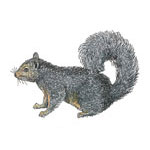
They may look cute and furry but squirrels can cause major damage �if they take up residency in your home. One of the first clues that people experience is the sound of scratching, clawing, gnawing, or scurrying in their attic or walls. If �you think you may have unwanted visitors in your home, call Northwest Exterminating.
Habits
- Natural habitat is wooded areas
- Often make home in attics or garages for warmth, shelter, food, and a place to build their nests
Different Species
Threats
- Urine and droppings can contaminate insulation and other areas of the attic
- Can damage contents of attic including wood, insulation, wires, and storage boxes
- Can cause damage to power lines outside of the home
- Invade bird feeder
Prevention
- Locate and seal off any entry points 1/4″ or larger to prevent squirrels and other rodents from entering your home.
- Caulk any openings or crevices.
- To keep squirrels from using utility wires as a way to your attic, slit a 2-foot section of 2-inch PVC pipe lengthwise and slip it over the wire.This makes squirrels unable to maintain their footing when the pipe rotates.
- Cut back tree limbs that are close to your structure.
- Squirrel removal is not recommended for amateurs. Call the professionals at Northwest Exterminating.
Other Pests to Look For