Bed bugs are an ongoing problem in the pest industry with no foreseeable changes in the near future. Infestation cases are on the rise and will most likely increase with the upcoming holiday season. So as your family makes plans for traveling, relatives visiting, and students coming home from college, it’s important to know how to keep your home protected from the ultimate hitchhiker: the bed bug.
If you’ve never seen a bed bug, you may have a hard time finding or identifying one. Keep reading to find out what bed bugs look like, where to find them, what threats they pose, and how to prevent and control them.
Bed Bug Identification
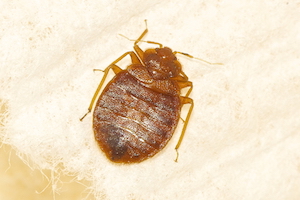
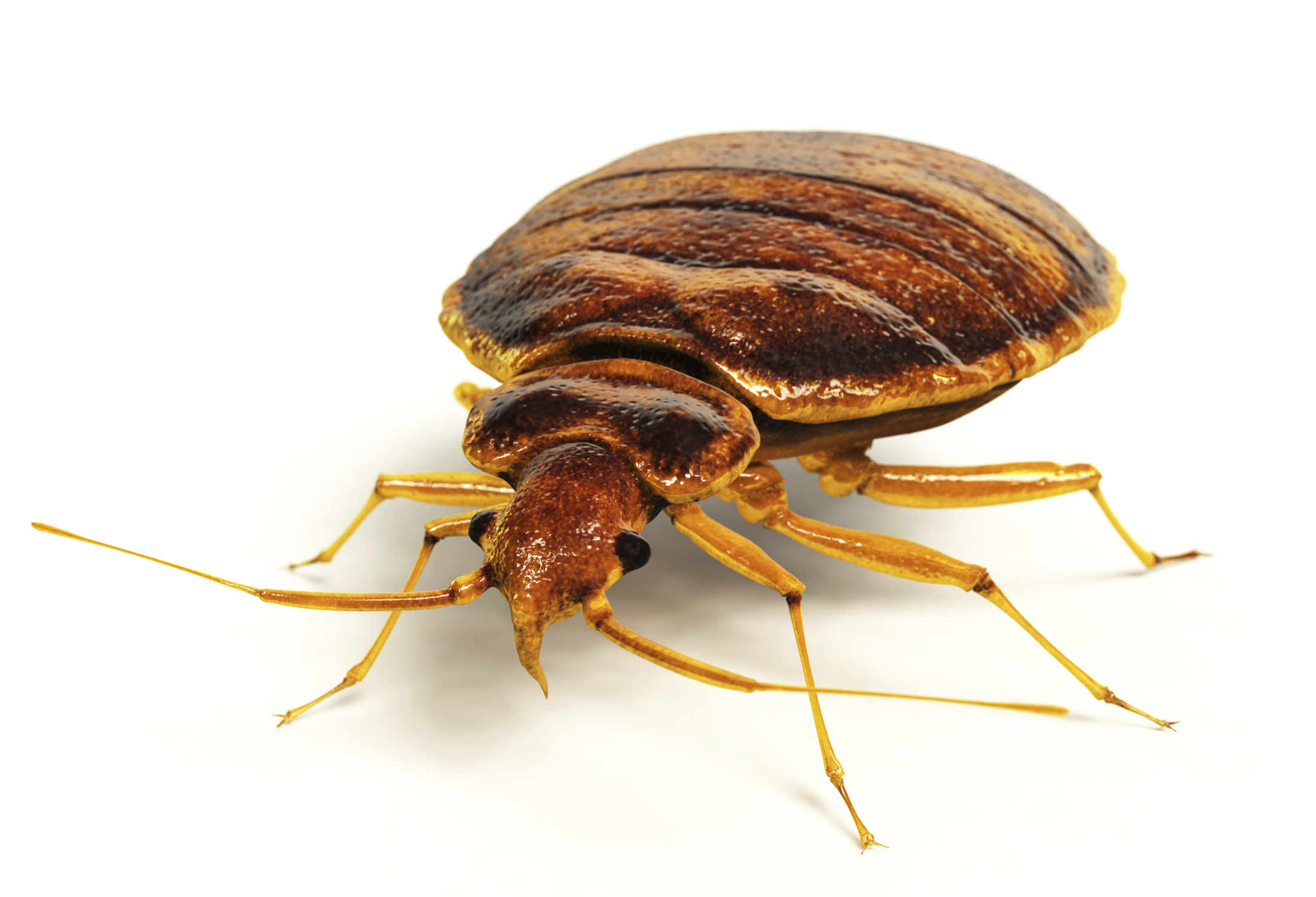
Red to brown in color (red after they’ve had a blood meal), six legs, flat and oval in shape, about 1/4″ in size or smaller
Bed Bug Environment
Cracks and crevices close to a human food source – behind baseboards, in furniture, bed frames, mattresses & boxsprings, suitcases, boxes (like shoe boxes or under bed storage), behind electrical switch plates
Bed Bug Threats
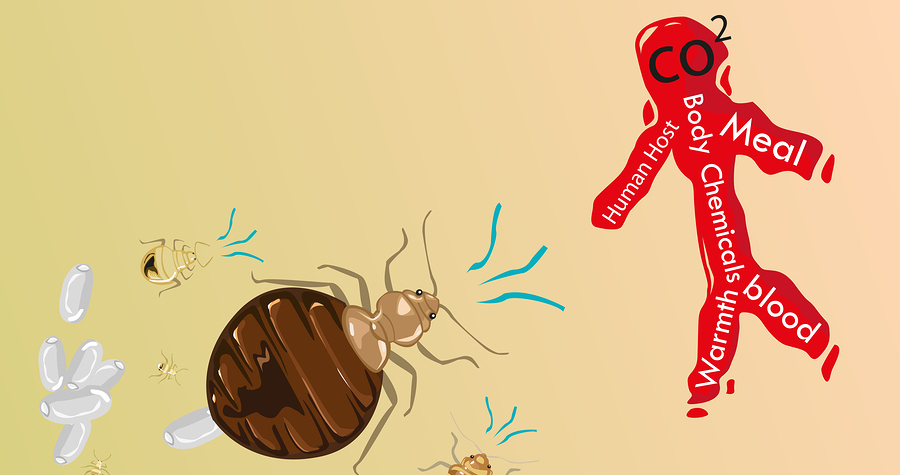
Bed bugs are excellent travelers and often go unnoticed since they’re nocturnal. They typically appear at night once you’re sleeping to feed and often leave behind red, itchy welts on the skin when bitten. Although they don’t transmit diseases, bed bugs are extremely elusive and hard to get rid of once an infestation occurs and can’t be eradicated with do-it-yourself treatments.
Bed Bug Prevention
Don’t bring suitcases inside your home after traveling. Remove all clothes first, wash them, and run through a high heat dryer cycle. Bed bugs cannot withstand high temperatures so this ensures you’re killing any that may have travelled back with you from trips, relatives’ homes, school, etc. Vacuum suitcases and leave them somewhere outside your home, preferably in sealed bags or containers, until you need them again. Also, make a habit of inspecting your bed for signs. Dark (blood) spots on sheets, pillows or other bedding is the most obvious indicator of a bed bug infestation. If you’re seeing this, call an exterminator immediately that specialized in bed bug treatment and control.
Bed Bug Control
Because of the elusive nature of bed bugs and their ability to survive in extreme conditions (bed bugs can live for a year or more without eating and can withstand a wide range of temperatures from nearly freezing to 113 degrees Fahrenheit), they can’t be eliminated through do-it-yourself methods. If you’ve identified a bed bug infestation in your home or business, or suspect bed bug activity, call a professional pest control company. A proper inspection is needed to identify all areas of infestation. After an in-depth inspection, a treatment and control plan can be implemented, usually including multiple chemical and/or heat treatments and inspections over several weeks. As part of the treatment plan, you may be asked by your exterminator to remove or reduce clutter, install protective encasements to your mattresses and/or boxsprings, and launder bedding and/or clothing. You should also be advised not to throw out any infested furniture, clothes or other items; this can cause the spread of bed bugs to other locations. It’s also not recommended to purchase new furniture throughout the treatment process as these items will likely become infested with bed bugs.
We talk a lot about how NOT to get bed bugs. By now you know to take precautions when traveling – ask hotels before booking if they’ve had a history with bed bugs, check for signs of bed bugs after check in (around mattress edges most common), and don’t leave luggage or clothing sitting on beds that aren’t your own. You also know it’s not a great idea to bring your luggage into your home right after a trip. Instead, leave in your garage and wash all the clothing before bringing inside, if possible. Store suitcases in an outdoor closet if available. Even if you’ve done all of the above, bed bugs are great travelers and CAN find their way into your home – maybe in that second-hand piece of furniture you recently purchased, from overnight house guests’ luggage, or even your kids returning home from college with a few extra “friends”. Bed bugs are made to survive in the most extreme conditions, making it hard to get rid of them once they’re in your home.
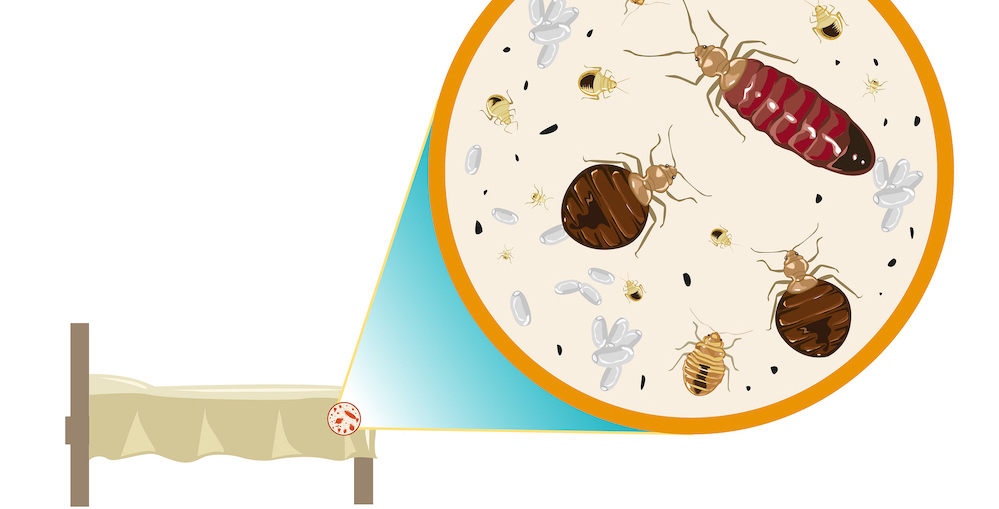
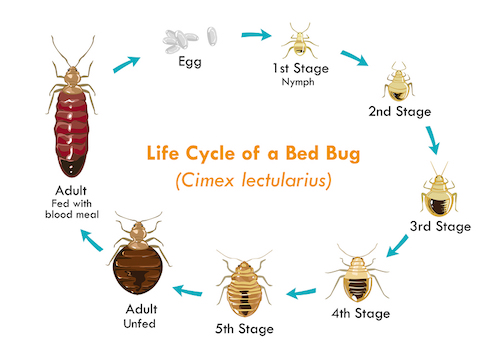
Finding and identifying bed bugs doesn’t have to be hard, though. Typically they like to live only a few feet away from their food source – any living person or pet in your home. So most likely you’ll find them in and around your bed. So how will you know when you have bed bugs? The most obvious sign is bites. You may see them on your skin or experience itchiness. Or you may not feel or see bites at all. In this case, bed bug infestations can worsen since you don’t know they’re there until it’s too late. To avoid this, check for bed bugs often. When changing bedding, check for signs – dark spots (fecal matter) on mattresses, box springs, pillows, on bed skirts, and headboards. You may also see bed bugs if you’re heavily infested, in any of their life stages – from eggs to nymphs to adults. In the adult stage, bed bugs are relatively flat, small, round, and a reddish brown color (this coloring is darker after a feeding). You can see the different life stages of bed bugs in the photo below.
So now what? While it may be hard to stomach, continue sleeping in your bed until the bed bugs have been eliminated. Moving to other areas of your home, such as a guest bedroom or the sofa, could cause the bed bugs to travel with you and infest other areas. If you want to change your bedding, wash everything in hot water. Bed Bugs can’t survive in extremely hot conditions so this will kill any hiding out in pillows, comforters, etc. While some exterminators may suggest otherwise, it’s usually best to leave everything else as is until you’ve had a professional inspection. Again, you don’t want the bed bugs to migrate to other areas of the house.
Next, call a pest control company that specializes in bed bug treatments. There are several methods of treatment available and an experienced exterminator will know which solution is best for your situation. This will also ensure you’ve correctly identified bed bugs. In the meantime, while waiting for your inspection, resist the urge to throw beds, bedding and furniture out. This will only worsen the infestation, since they could be in areas of your home you’re unaware of, therefore will infest any new items your purchase. And you also risk spreading the pests to others, by leaving infested furniture untreated.
Just hearing about bed bugs is enough to make most people’s skin crawl and frantically check their beds just in case the nasty little bugs have made it into the house. New research has led us to believe that there is actually a bed bug season. The researchers gathered information from various service providers over a 4 year period that offered bed bug treatments. They analyzed all of the data and noticed that there is a definite trend from April through October where the number of bed bug treatments increases. Bed bugs are like most other insects despite living indoors, they begin to make a reappearance as the weather warms up and decline as the weather cools down.
We are now entering bed bug season, so here are a few precautions to keep in mind:
When arriving in your room be sure to pull back the sheets at the corners and check for the presence of bed bugs around the cracks and crevices of the mattress and box spring.
Make sure to place your luggage on the luggage rack.
When returning home from your trip be sure to wash/dry clean all contents.
Luggage should be placed up in the attic or left out in the garage.
If you do bring bed bugs into your house, Northwest Exterminating can help you out. We have bed bug specialists who only perform bed bug treatments. Northwest Exterminating will guarantee elimination of a bed bug infestation before the contract is considered finished. We can also provide preventative services that will decrease the likelihood of a bed bug population becoming established should they be brought in accidentally. Please visit the website at www.callnorthwest.com for more information.
When traveling this holiday season, be careful not to pick up the dreaded hitchhikers…bed bugs.
Bed bugs can be found in homes, hotels, trains, buses, anywhere that people are traveling. Bed bugs are nocturnal creatures that make their home in the seams of mattresses, cushions, pillows, and other linens. They spread from place to place by getting into purses, suitcases, or other belongings that people are traveling with.
Do not put any furniture on the floor, instead use luggage racks or the bathroom. It’s important to check mattress seams when you arrive at a home or hotel. You can do this easily by pulling back the sheets and mattress pad and checking along the seams for bed bug casings. Bed bugs are small, flat, and a reddish-brown color. Since they are nocturnal, you may not see actual bed bugs but you can see the casings or the rusty colored spots that they leave behind. If you do find signs of bed bugs, immediately notify the hotel or the homeowner so that different sleeping arrangements can be made.
Whether you’ve seen bed bugs or not, when returning home, make sure to inspect your luggage before bringing it into your home. You can do this by checking the seams of the bags and by placing all of your clothes and luggage in the dryer on the hottest setting. This will kill any bugs that may have found their way home with you.
Bed bug infestations can be difficult to treat. It is highly recommended that a trained professional who specializes in bed bugs perform bed bug removal treatments.