Apr 12, 2022 | Pest Control
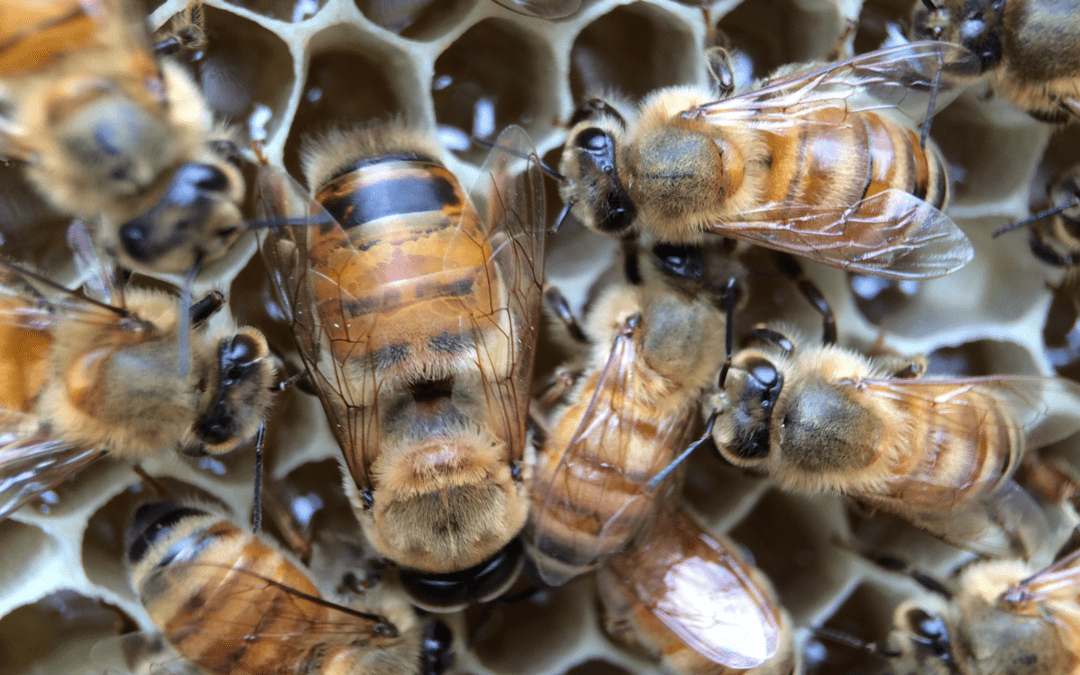
At Northwest, we know how important all bees are and we understand just how fragile their ecosystem truly is. Our Honeybee Relocation Program is designed to protect these important pollinators, while also protecting you and your family.
If you see an increase in bee activity near your home, contacting a local relocation service is the first step in protection. What happens during these relocations, though? Many important steps occur during the honeybee relocation process to ensure the safety of all bees. Keep reading to discover how this process works.
Inspecting & Locating
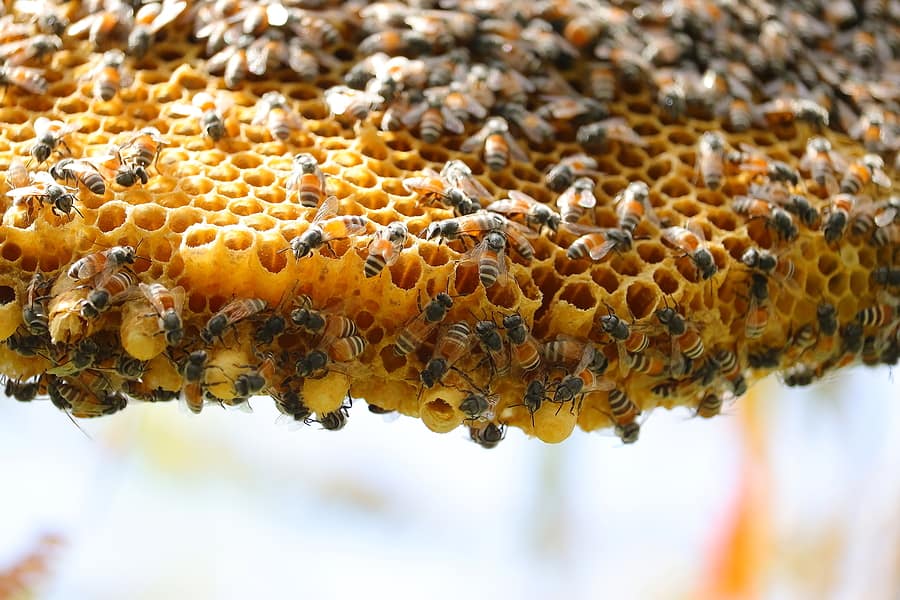
The very first step after contacting a bee relocation service is the inspection of the hive location. Our honeybee experts complete a home inspection to help identify the type of bee and determine how the hive is holding up. This inspection helps the team determine the best plan of action for the safest removal possible.
Honeybee Removal
After determining where the hive is located, the removal process begins. The team carefully removes the honeybees from their hive. After the bees have been removed, the team will then remove the hive. Depending on where the hive is located, our team decides which method is needed in the hive removal process.
Honeybee Relocation
The relocation process is the next step, and some say it’s the most important step in the whole process. Honeybees benefit from being relocated in many ways, including preventing further infestations, and it helps preserve plant reproduction. The bees that we help are relocated to a local beekeeper’s farm to continue pollination and honey production. Relocation is a way for their local honey to be enjoyed by the community, helping aid humans against seasonal allergies.
If you believe you have a honeybee hive on your property and it’s closer than you would like it to be, then reach out to your local bee relocation company and they will be able to assist you in the relocation of these beneficial insects.
Mar 24, 2021 | Pest Control
Honeybees are extremely beneficial to our entire environment for their role in pollination. These bees help with the growth and reproduction of plants and each bee can pollinate more than 100 crops! It’s important to understand why these insects are important and how we can best protect them moving forward.
There are three types of honeybees: adult workers, drones, and the queen. The adult worker bees, who are all female, are all infertile. Their main role in the colony is to collect pollen and nectar. The worker bees do have barbed stingers and, while they aren’t typically aggressive, they will sting if they feel threatened. Drones are male bees and do not have stingers, nor do they collect nectar. Their primary role is to mate with the queen bee. Queen bees are slightly larger than worker bees. The queen bee plays a vital role in the bee colony, as she is the only bee who can produce more honeybees.
Honeybees are active pollinators and will produce honey. Since these insects are the only social insects, their colonies can survive for many years, with an individual colony containing anywhere between 20,000 to 80,000 bees. If the colony’s size gets too large for the available hive space or the queen begins to fail, the bees will start swarming. While these bees aren’t aggressive, they will attack when they feel like their colony is being threatened.
The production of honey by honeybees is extremely important to the environment. Since honey does not have an expiration date, it can be used and reused several times. Honey also has medical benefits, from healing burns to fighting some allergies. Honeybees, as we know, help pollinate crops, which in turn helps us produce and reproduce the plants and food we use to survive.
While bees have positive effects on our environment, some people can be a little wary of them on their property. Protecting these insects is crucial, and it’s recommended that the first and only treatment for these bees is removing and relocating them and their hives by local beekeepers. If you notice you have a honeybee colony on your property, reach out to a pest control company that can provide safe relocation for these insects.
May 6, 2020 | Pest Control, Wildlife
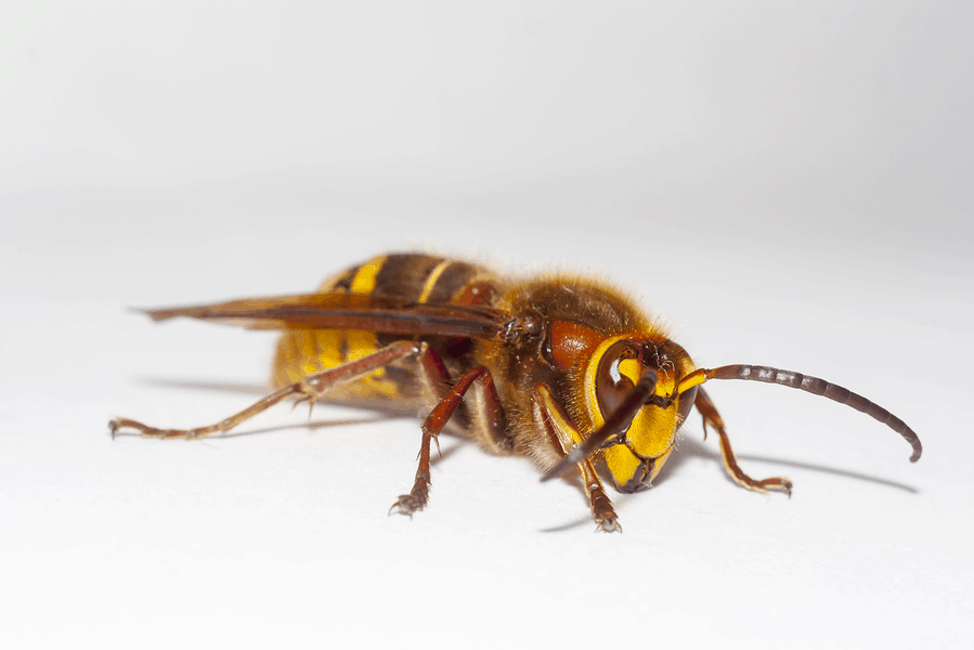
Asian Giant Hornets (Vespa mandarinia), also known as “Murder Hornets” have now been found in the United States for the first time ever. Although scientists are unsure when or how these pests first arrived, there have been verified sightings as far back as December in Washington state. These hornets were also discovered back in August 2019 in Canada in both British Columbia and Vancouver Island.
Asian Giant Hornets are larger than typical species of hornets with an average length of 1.5 to 2 inches. They have large yellow to orange heads with prominent eyes. They also have yellow/orange and black stripes extending down their abdomen.
“Murder hornets” are known to be aggressive. While they don’t typically go after humans, they will attack if they are disturbed or threatened. Their stingers are longer and more dangerous than those of bees and are even capable of penetrating typical beekeeper suits. They will attack aggressively in groups and their collective stings can administer enough toxic venom to be equivalent to the bite from a venomous snake. Multiple stings to a person can be fatal. In fact, these hornets are known to kill up to 50 people per year in Japan.
The life cycle of the Asian Giant Hornet begins in April prompting concern from scientists and researchers that a wave of these predators is imminent. Queens will soon be emerging from hibernation in search of new locations for underground nests. Once these are established, workers will be sent out in search of food for the newfound colony. This usually happens in late summer and early fall.
These “murder hornets” are a significant predator to honeybees, one of the most important pollinators in the United States. In fact, Asian Giant Hornets are capable of wiping out an entire honeybee hive in a matter of a few hours. The worker hornets will decapitate the bees and bring their thoraces back to the colony to feed their young. This is problematic for the US as honeybee and other pollinator populations are already on the decline. Pollinators increase the United States’ annual crop values by $15 billion.
Because of this threat to the honeybee population, scientists are actively searching for Asian Giant Hornets and their nests to keep their population from becoming established and completely eradicating the bee population here. The fact that these hornets’ nests are often found underground coupled with the ideal and vast climate and landscape of Washington state, tracking down these nests is quite difficult. Scientists have mapped out search grids and are moving painstakingly across the state in search of these pests. They are placing traps with geotagging and implementing geothermal imaging of the forest floors. They also have plans to try other methods in the future such as tracking the signature hum the hornets make when they are in flight and tagging and tracking any hornets that are caught in the traps.
While the “murder hornets” don’t pose an immediate threat to the Southeast states right now, it’s important to be aware of the destruction they can cause. For any questions regarding bees or other pests, contact a Northwest team member at (888) 466-7849 or request a free estimate now.
Sources:
https://www.cbsnews.com/news/murder-hornets-united-states-honeybee-populatiopn/
https://www.nytimes.com/2020/05/02/us/asian-giant-hornet-washington.html
https://www.bbc.com/news/52533585
Jan 11, 2019 | DIY, DIY Wildlife Prevention, Wildlife
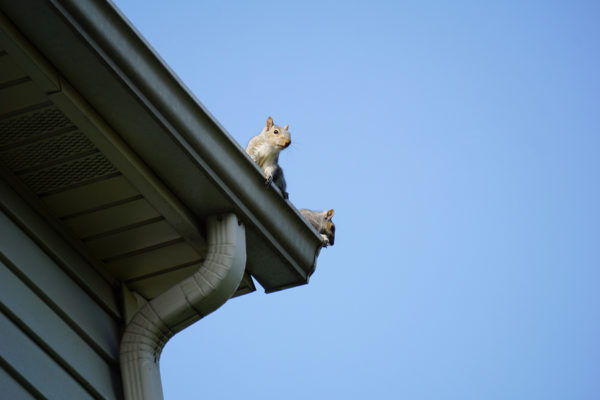
The winter months can bring wildlife indoors as they search for food and shelter from the cold weather, causing property damage by chewing through the wood, insulation, and wiring in your home, and can also carry diseases that threaten the health of you and your family. What critters should you be concerned about? Most wildlife control services include the exclusion, removal, and control of animals such as squirrels, rodents, raccoons, snakes, bees, and birds. Safe removal of the nuisance critter is always the first priority when it comes to wildlife, but what can you do to prevent these animals from getting into your home or property to begin with? Keep reading for tips on wildlife prevention and bird control.
- Install door sweeps on exterior doors.
- Repair or replace any damaged window and door screens.
- Replace loose mortar around foundations and weatherstripping around windows and doors.
- Inspect the exterior of your home including the siding for damage, holes, and leaks and repair them immediately.
- Repair any holes under exterior stairs, porches, balconies, etc. to keep animals from taking up residence underneath them.
- Install chimney caps.
- Cover the openings to exhaust fans, soffits, attic vents, and utility pipes.
- Inspect your roof annually for water damage and loose or damaged shingles.
- Keep your attic, basement, and crawlspace well ventilated and dry.
- Clean eaves and gutters regularly to prevent debris from building up.
- Don’t leave your garage door open for prolonged periods of time or overnight.
- Keep tree limbs cut back at least 6 to 8 feet from your roof line.
- Store your firewood off the ground and at least 20 feet from your home.
- Keep your grills or barbecues clean and grease-free.
- If you have fruit trees make sure you pick or dispose of ripe fruit and clean up any spoiled fruit that may collect at the base of the trees.
- Clean up leaves and brush and don’t leave them in piles around your property.
- Store your birdseed in secure containers and don’t leave birdseed in your feeders overnight.
- Bring in your pet’s food and water dishes at night.
- Store food in airtight containers.
- Dispose of your garbage regularly and use cans that have secure lids.
If you suspect a wildlife problem, contact a professional wildlife control company. A wildlife removal expert will inspect your home to identify the animal nuisance, determine where they are getting in, remove them, and prevent the wildlife from getting into your home in the future. They can also inform you of any existing damage or contamination and provide you with a recommendation for repairs or clean-up.
You May Also Be Interested In:
: 7 Tips For A Healthy Winter Lawn
What Is Green Pest Control?
Termite Control: Do I Really Need Termite Protection?
Pest Control: Mosquitoes In The South
Exterminating Tips: Keeping Out Winter Pests
Aug 23, 2018 | Pest Control
Fall is the perfect time of year to prepare your home for winter. While prepping your yard and storing away your summer things are usually at the top of the list, don’t forget to protect your home from pests this winter also! Fall is prime time for pests to make their way into your house in search of food, shelter, and warmth over the cold winter months.
Rodents will make their way indoors in search of a warm place to shelter for winter. Flies will often be found on the south and west facing walls of your home in search heat. Many stinging insects like yellow jackets, bees, and wasps will become more hostile in the fall as their food supply dwindles. Cockroaches are attracted by the moisture found in and under your home. Other pests like ants, stinkbugs, ladybugs, and box elders will come inside looking for a place to overwinter.
Now that you know what kinds of pests to expect this fall, what can you do to protect your home from these often unseen invaders? Check out these 6 tips to prevent pests this fall.
- Keep Them Out. Inspect the inside and outside of your home for possible entry points that pests can use. Seal any cracks and crevices on the outside of your home with caulk and steel wool, especially around utility pipes. Screen your attic vents and install chimney sweeps. Screen any other openings to the outdoors like mail slots and pet doors. Repair loose mortar around your foundation and windows. Check screens for holes and repair or replace them as needed. Check for any gaps around doors and windows. Install or replace weatherstripping as needed and install door sweeps.
- Keep It Clean. Wipe down your counters and sweep your floors often. Clean up spills immediately. Take out your trash on a regular basis. Don’t let fruits and veggies get overripe on your counters. Keep food, including pet food, stored in airtight containers. Avoid leaving pet food dishes out for prolonged periods of time.
- Dry It Out. Mosquitoes breed in standing water and cockroaches are attracted to moisture. Walk your property on a regular basis to check for any standing water. Be sure to check your gutters and rain spouts for clogs and consider installing gutter guards to help prevent them. Check for leaks near your air conditioning unit. Pick up any toys from your yard that may hold water. Keep basements, attics, and crawlspaces dry and ventilated. Consider enclosing your crawlspace. Use dehumidifiers in attics and garages.
- Don’t Forget Outside. Maintain your landscaping and keep grass trimmed and mowed. Trim any bushes and shrubs away from your home. There should be at least 2 feet between any landscaping and the walls of your house. Rake up any debris from your yard and be sure to pull weeds. Store firewood at least 20 feet from your house and store it in racks above the ground.
- Inspect Before Bringing It In. Thoroughly inspect any items like boxes, packages, and even grocery bags before bringing them indoors. Thoroughly inspect luggage after traveling before bringing them into your home and store them in plastic bags or in external buildings like sheds or garages instead of in your home.
- Call The Pros. Call a professional pest control company who can provide you with a thorough evaluation and comprehensive treatment and prevention plan.