READY TO GET STARTED?
REQUEST A FREE ESTIMATE
Fill out the form below or call (888) 466-7849 for a free, no-obligation estimate.

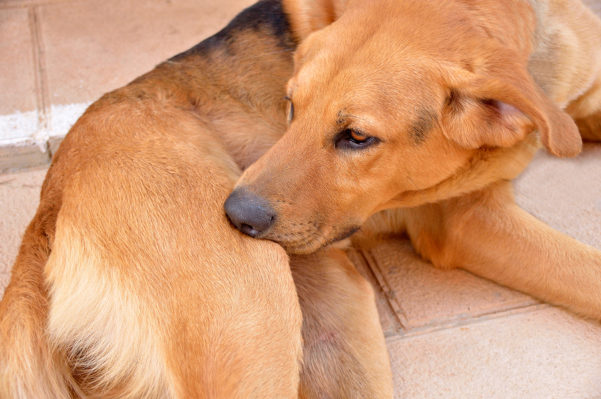
Summer brings hot temperatures and high humidity. It also brings some of the most annoying pests – fleas and ticks. These parasites can cause significant health issues for your pets including Lyme disease, anaplasmosis, and ehrlichiosis. Fleas and ticks are practically impossible to keep at bay and can take weeks to months to get under control. What can you do to protect your pets from these parasites? Check out these 8 tips to prevent fleas and ticks from taking over your pets and your home.
If you suspect a flea or tick problem, call a professional pest control company who can come and thoroughly inspect your home and yard and provide you with a comprehensive treatment and prevention plan.
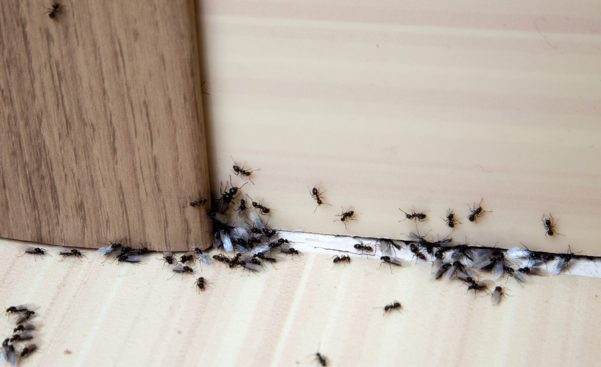
Ants have been named the #1 nuisance pest in the United States. Ants are social insects that live in colonies. They enter our homes looking for food and shelter. Ants primarily look for foods that are sugary and sweet or greasy and protein-based. Once they find food, they leave a pheromone trail behind that other ants will follow.
There are over 700 species of ants in the United States. At least 20 of these species are known to infect homes and other structures. There are several species of ants that are common to our area. The 5 most common are:
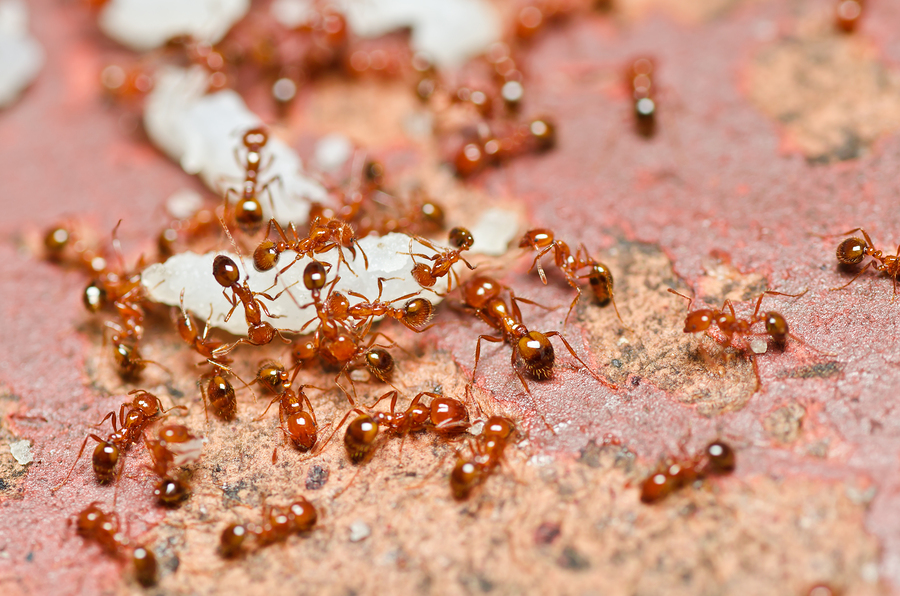
Fire ants build large, raised mounds. They prefer to nest in open, disturbed areas. They commonly nest in yards, fields, and roadsides. Fire ants are known to devastate local insect populations and small wildlife. They are also known to eliminate ground nesting bird species because they attack their newly hatched nestlings. Fire ants cause painful stings when they bite and will bite humans when threatened.
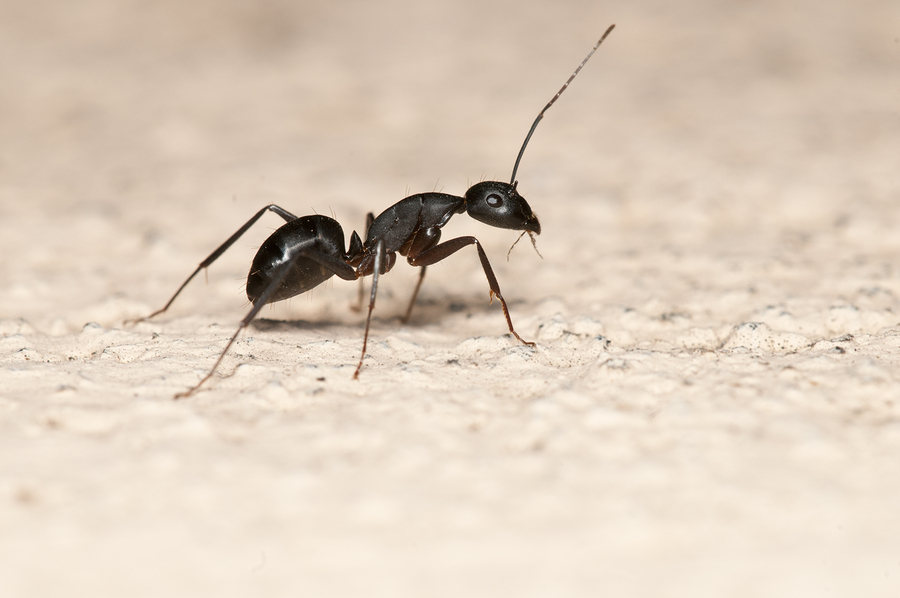
Carpenter ants are black in color. They are nocturnal and will exit their nests about 15 minutes after sunset in large numbers. Carpenter ants will invade kitchens in the summer months in search of food and water. They will invade structures if moisture is present. Carpenter ants can be very destructive to homes.
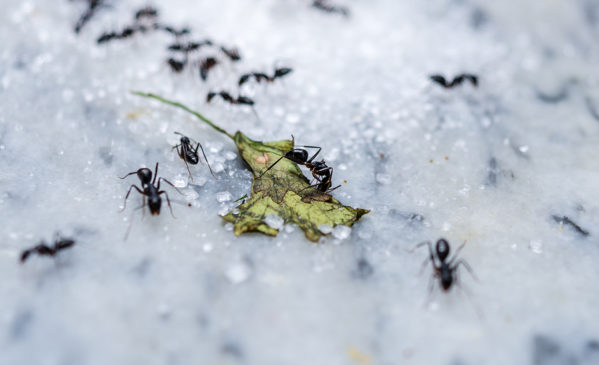
Argentine ants are light brown in color. They can easily squeeze through small cracks and holes. Argentine ants are known to set up colonies in the ground, in concrete walls, between boards and timbers, and among the belongings in your home. These ants are commonly seen in homes and will enter them in search of food and water. They are especially common during dry or hot weather or after a heavy rainfall. Argentine ants exhibit strong trailing behavior and can exist in high numbers. They move very quickly and are named among the world’s 100 worst animal invaders.
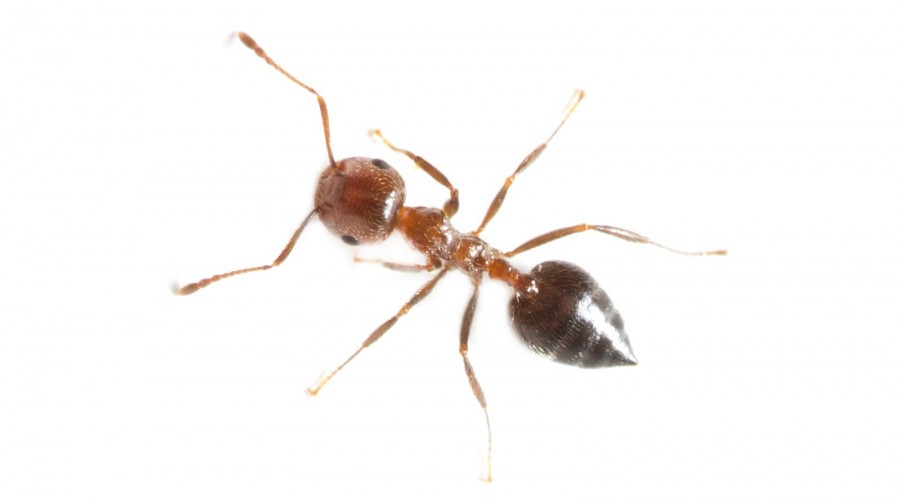
Acrobat ants are dark colored with a heart shaped abdomen that they will hold up in the air like a flag when disturbed. They will nest inside decaying wood. Acrobat ants form single file trails and leave behind small sawdust piles that are similar to those of carpenter ants. These ants produce a mild sting when they bite. Acrobat ants may move into your attic to incubate their eggs and will tunnel into water damaged wood.
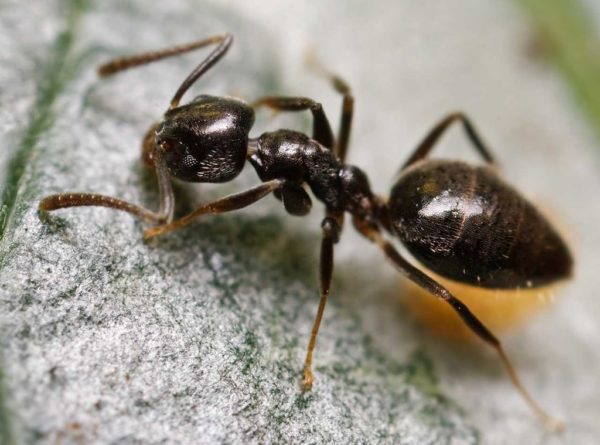
Odorous house ants are dark colored and give off a strong rotten coconut smell when they are crushed. They exist in large numbers where there is plenty of moisture. They form trails similar to Argentine ants. Odorous house ants are one of the most difficult pests to get rid of from structures. They will often establish their colonies in earth filled porches and block walls.
Since ants are one of the most difficult pests to get rid of, what can you do to keep them from invading your home in the first place? Check out these tips for keeping the ants out of your personal space.
Eliminating ants can be an uphill battle. If they aren’t properly treated, the infestation can continue to grow despite your best efforts. Some ants like carpenter ants can cause serious property damage. Other ants like fire ants can pose a serious health threat to your family. Other species, while not necessarily a threat to your family, can still contaminate your food. If you suspect you have an ant problem call a professional pest control company. A professional can identify what species of ant you have which is the first step in eliminating these nuisance pests. They can also find the entry points and provide you with a thorough and comprehensive treatment plan.
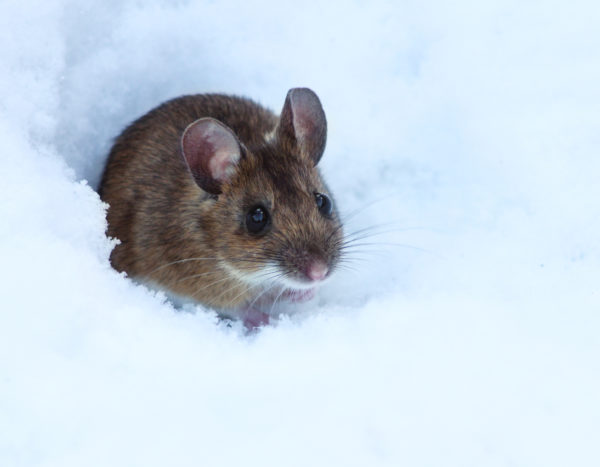
During the colder months of winter, most of us like to stay bundled up and warm – with warmer clothes and inside our cozy homes. Unfortunately, many animals also seek this same shelter and warmth in the winter – oftentimes in our homes! Do you know which animals can cause problems for you during these colder months? What can you do to prevent them from seeking shelter in your home? Check out these common winter wildlife pests and 6 ways you can prevent them.
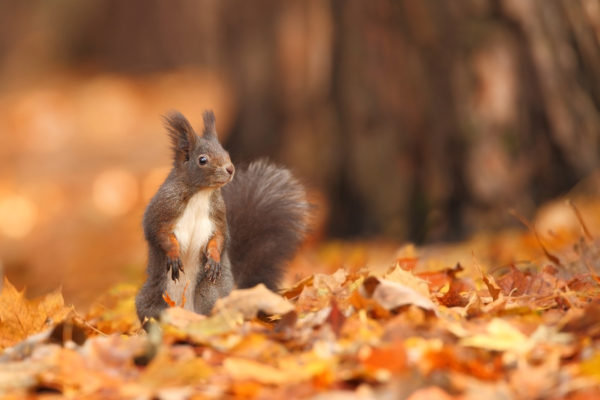
Squirrels can be a problem year round. They don’t hibernate in the winter and stay very active. They like to seek shelter and warmth in attic spaces. They may also seek out your attic as a storage space for their winter stash of nuts, grains, and seeds so they don’t have to search for food in the cold winter months. Squirrel nests are easy to spot in the winter in bare trees. Squirrels are notorious chewers – so if you have them in your attic you can expect your wood, insulation, and electrical wiring to suffer damage.
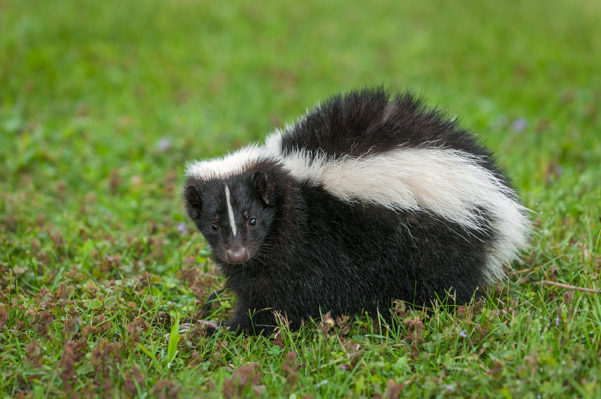
Skunks live in the same areas during the winter as they do in the summer. They like to burrow under our decks, patios, and stoops. Skunks don’t technically hibernate, but they do lower their body temperature and heart rate in the winter to conserve energy and therefore become less active. They can go up to a week without food and water but will venture out on a semi-regular basis in search of sustenance. They live in larger communities in the wintertime for warmth.
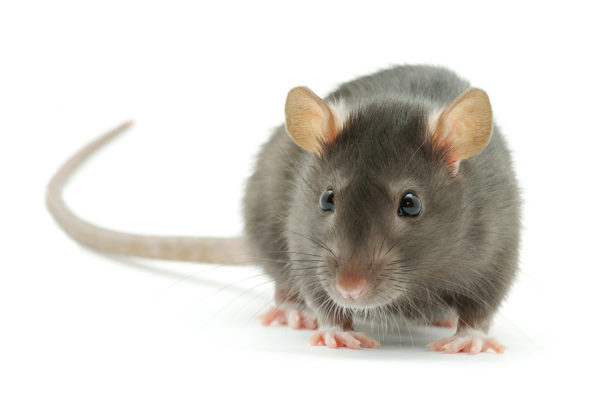
Rats and mice are also year round pests but they can become more of a problem in the winter. These rodents seek out warmth, food, shelter, and water inside our homes during the harsh winter months. They can squeeze into your home through extremely small openings. Like squirrels, they are also notorious for chewing through insulation, wiring, and wood.
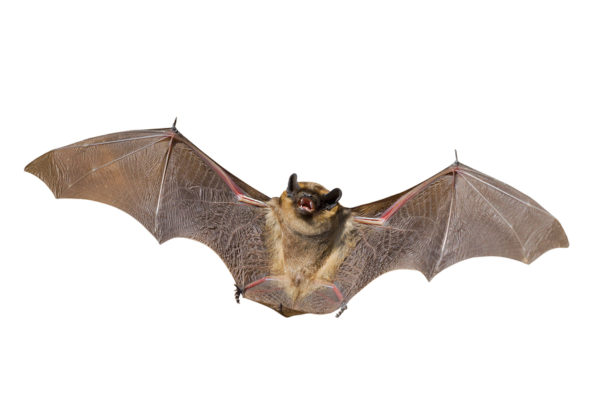
There are at least 40 different species of bats in the United States. Bats are mostly active in the summer months and will hibernate in the winter. They will, however, hibernate in your attic! Bats like to roost in attics, belfries, behind shutters, and loose boards. They are carriers of rabies and can spread disease.
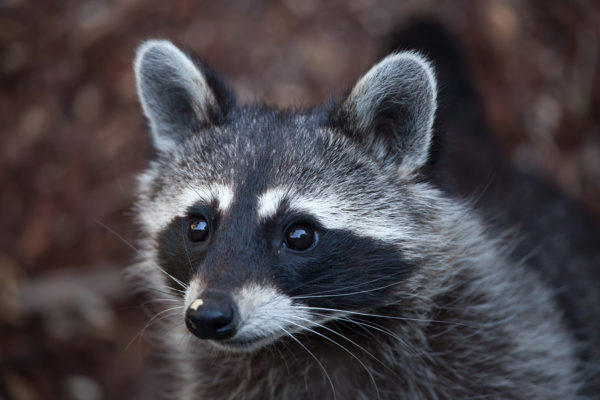
Raccoons are nocturnal and rarely seen during the day. Raccoons can cause significant damage to roofs and chimneys in their search for den sites. They will also get into crawlspaces in search of den sites. They are a major carrier of rabies.
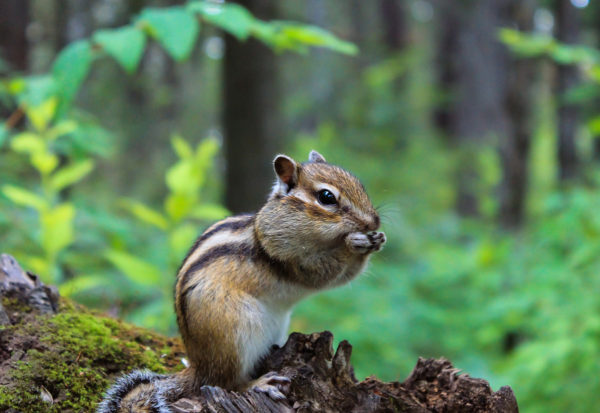
Chipmunks are like squirrels in that they gather and store their food in the fall. They are less active in the colder weather, lowering their body temperatures and heart rates to conserve energy. They usually make their nests in underground burrows that can be up to 10 feet long. They will venture out every few days to eat, drink, and go to the bathroom. Oftentimes they will use attics as a storage space for their winter stash.
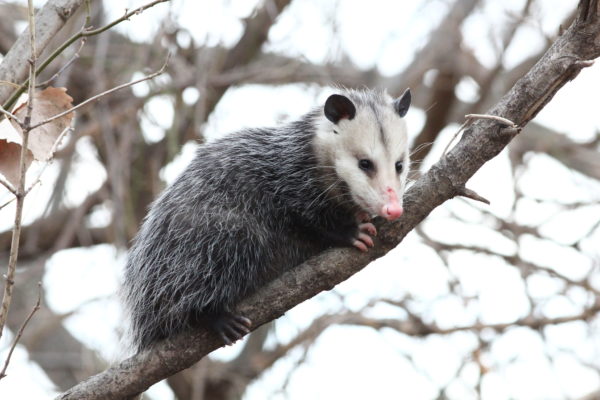
Opossums are the only marsupial found in North America. They will occasionally make their dens in attics and garages. They are known to make very messy nests. Opossums have very sharp teeth and will show them, as well as hiss, when they feel threatened. They are known to bite in very rare cases.
Winter wildlife can be a problem especially if they build a nest or store food in or near your home in the wintertime. The cold weather also doesn’t eliminate the diseases that they carry and spread. If these pests get into your home they can cause significant damage to your roof, insulation, foundation, wiring, and more. What can you do to prevent winter wildlife from making your home theirs? Check out these 6 tips to prevent winter wildlife.

Even though we’re well into the winter season, it’s never too late to weatherproof your home. These easy fixes will not only seal up your home and keep it nice and warm, they will also help save you some money on your energy bills this year. Check out these simple winter weatherproofing tips so you’ll be prepared just in case the groundhog DOES see his shadow this year!
Check your doors and windows to make sure they are in good repair. Insulate your doors and windows with weatherstripping. Use transparent weather sealant tape for any areas where the weatherstripping will be applied directly to the door or window. This tape can also be used to temporarily seal any cracked windows until you can permanently replace them. Use door sweeps on the bottoms of exterior doors to keep cold air from coming in. You can install them with nails or with adhesive.
Attics and crawlspaces are notoriously cold areas of your home. Thermal accoustical pest control (TAP) insulation is an energy star rated attic insulation that provides several benefits to your home. TAP eases the burden on your heating and cooling systems, making them more efficient and keeping the temperature in your home more consistent throughout the year. TAP also leads to a 20-38% savings on your energy bills AND protects your home against pests including roaches and ants. Finally, TAP is treated with a fire retardant that limits the spread of fire in your home.
Complete CrawlSpace enclosure is another way to weatherproof your home. Enclosing your crawlspace with Complete CrawlSpace increases energy efficiency, prevents mold growth, and completely closes off your crawlspace to pests. This can also save you up to 18% on your energy bills each year.
Most garages aren’t insulated which makes them very chilly spaces in the winter. Install weather sealing strips on the bottom of your garage door. These strips not only keep out cold air but also keep out rain and pests as well.
Outlets and switches on the exterior walls of your home can be a big source of cold air. One solution is to install foam outlet and switch sealers. These can be installed by simply turning off the power, removing the outlet or switch cover, applying the foam sealers, and reinstalling the covers.
Hardwood and tile floors can be especially cold in the winter. Curtains and rugs can make a big difference when it comes to heating your home. if you have drafty windows, hang some heavy curtains to keep the cold air out. Use area rugs on hardwood floors and in bathrooms with tile floors to help keep them warm.
Air conditioning units in walls and windows give a direct path for cold air into your home. One solution is to install a heavy duty polyethylene and vinyl cover that fits around the outside of the unit. You can also wrap the inside grill with plastic sheeting and double sided tape. Consider installing a programmable thermostat which will automate your interior temperature. This can save you up to $200 per year in heating and cooling costs.
Insulate your hot water heater with a water heater insulating blanket. This saves energy by reducing heat that is lost through the sides of the hot water heater by 25-40%. This reduction in heat loss can also lead to savings on your energy bills.
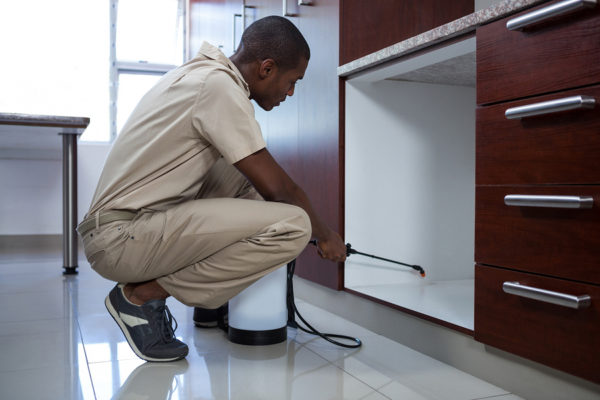
Now that the holidays are over, it’s time to start looking ahead to the New Year. Like most of us, you’re probably going into 2018 with a renewed sense of motivation. What is your New Year’s resolution? Will you try to lose weight? Will you try to spend less time online and more time outside? Will you finally finish that project you’ve wanted to start but never had the time? Whatever you decide, make sure pest control makes it to the top of your list. Here are 5 easy tips to make your home pest free for the New Year!