May 8, 2013 | Uncategorized
 They don’t call him Man’s Best Friend for no reason. Dogs, and cats (we can’t forget our beloved cats) are truly part of the family. We treat them and take care of them just as we would any other member of the family. That’s why it is important that we protect them from outdoor pests that can cause serious health risks to our furry friends. Ticks, fleas, and mosquitoes are all predicted to make a heavy appearance this season as the weather warms up.
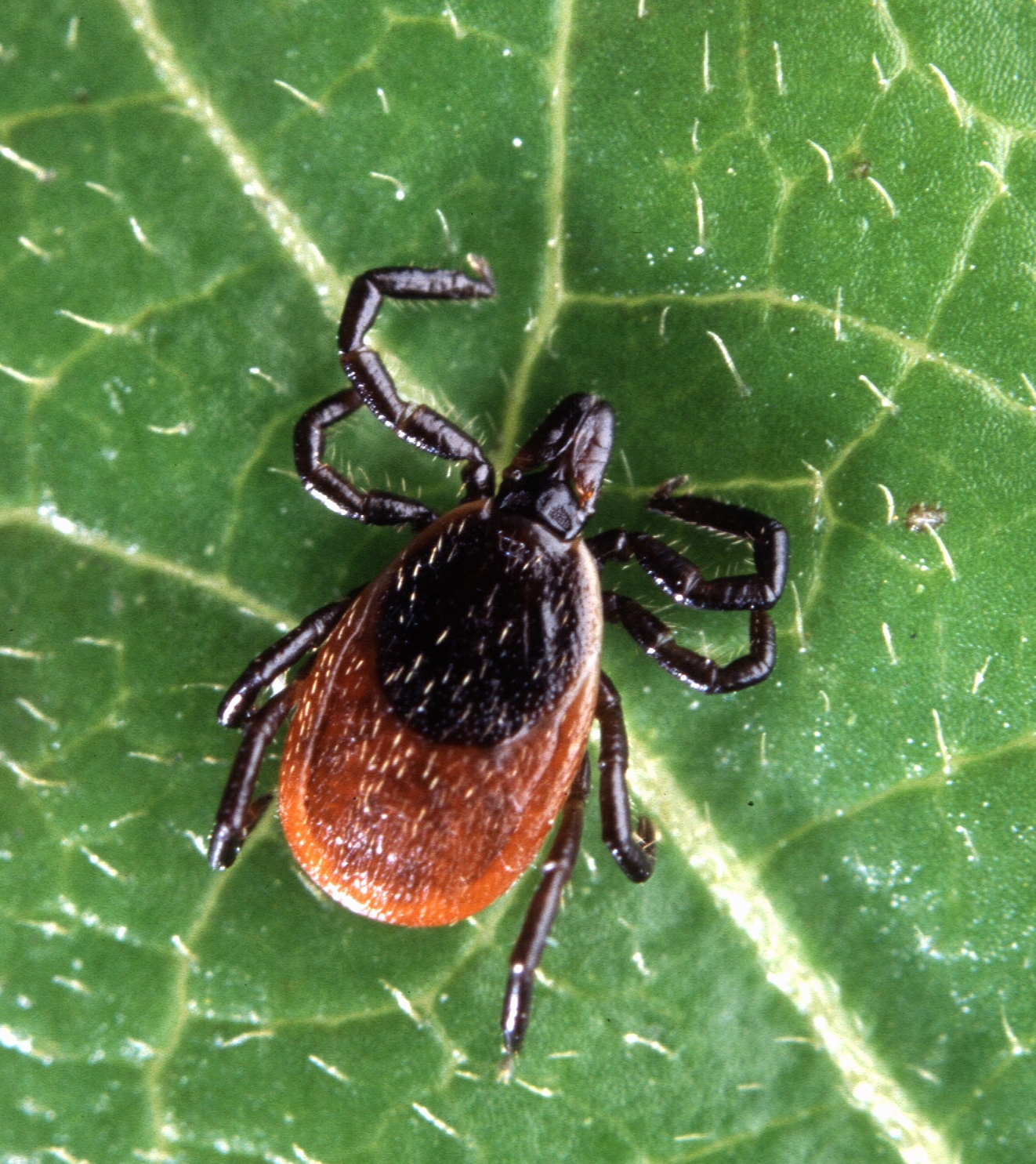
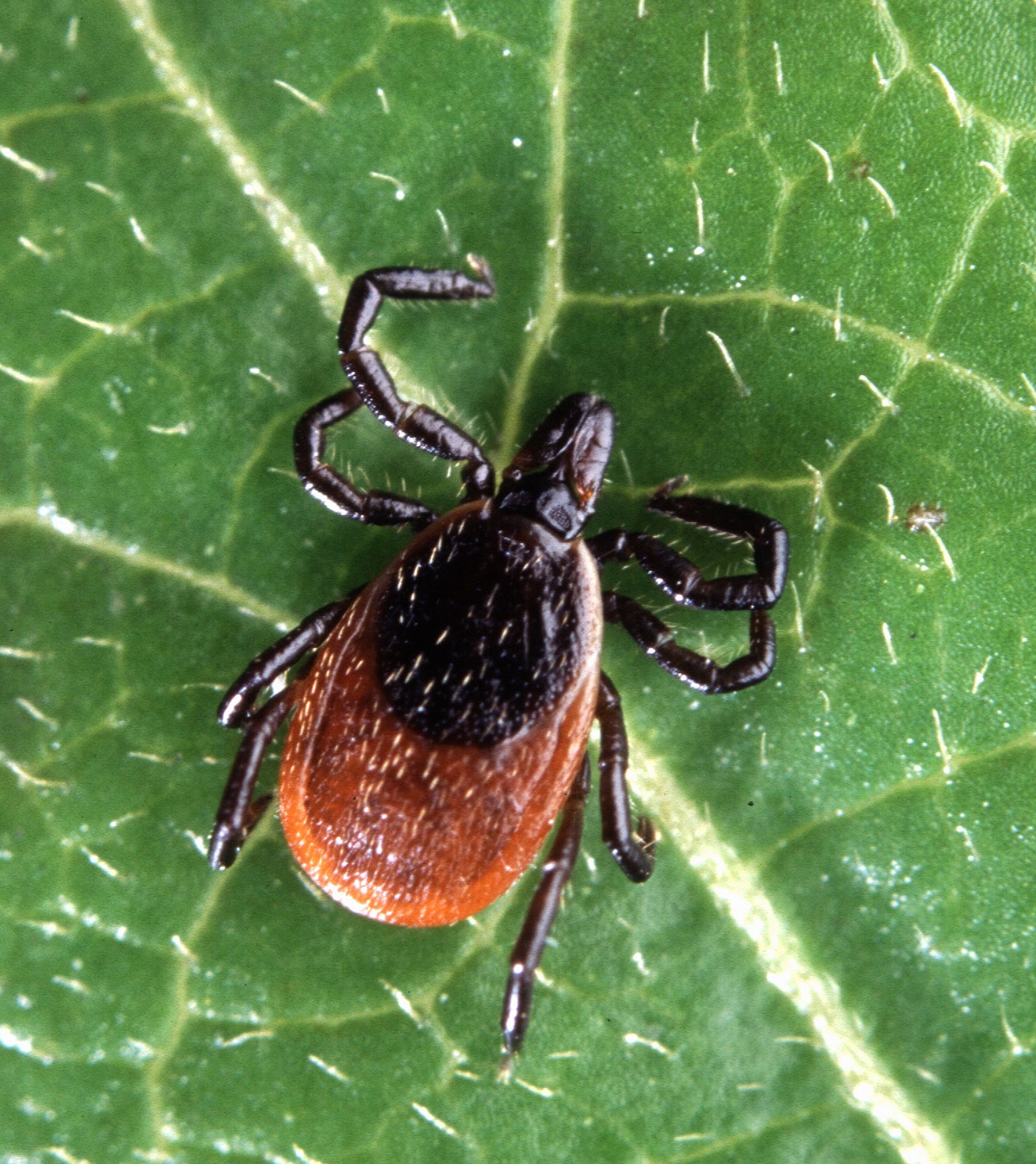
Ticks are most commonly found on our pets. Ticks can carry Lyme disease, Rocky Mountain Spotted Fever, and cause tick paralysis.
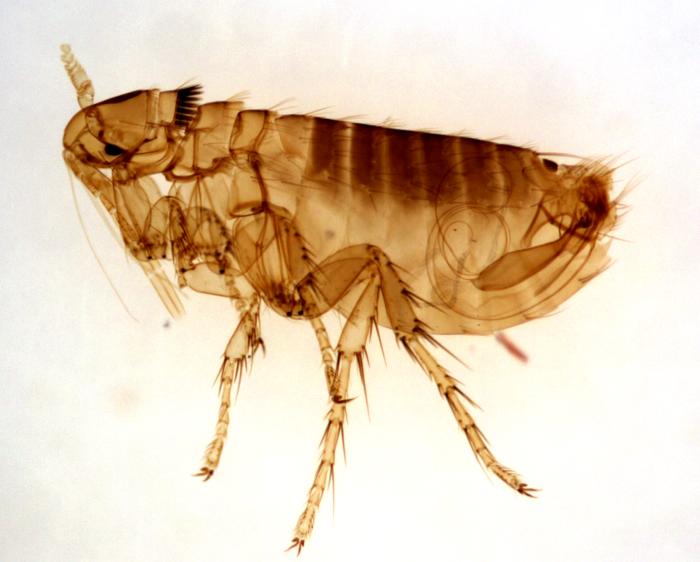
Fleas can cause itchy, red bumps that cause animals to scratch. Fleas are also easily brought into the home where they can invade your living space and reproduce. Fleas can cause anemia, skin issues, and even tapeworms for our pets.
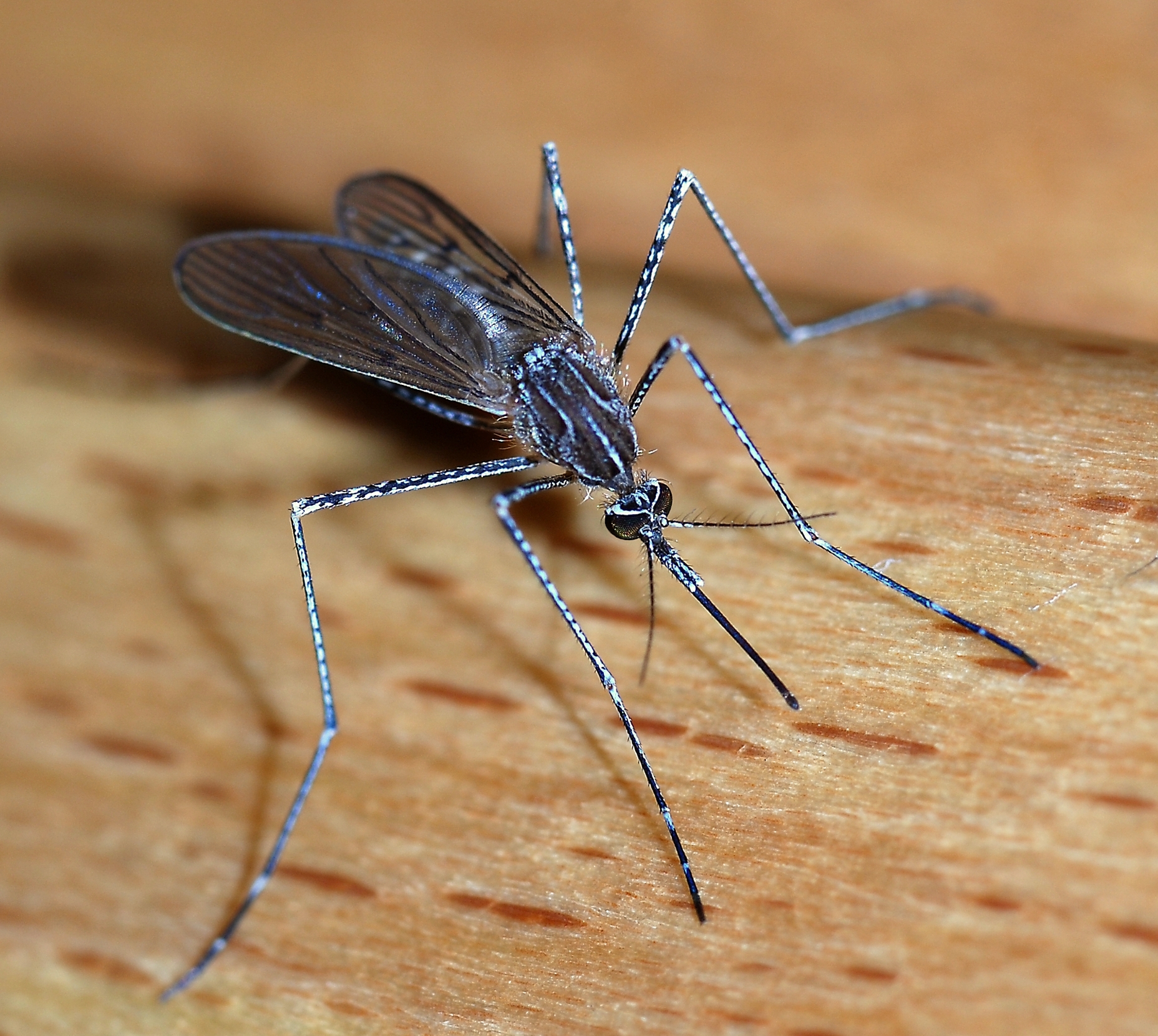
Heartworms and West Nile Virus are some of the more serious issues that come along with mosquitoes. A bite can manifest into a full heartworm in 6-7 months in a dog, and 8 months in a cat.
Keep your pets healthy by following some of these tips to controlling ticks, fleas, and mosquitoes:
- Regularly scheduled pest control service in and around your home will help keep pests away that can cause risks to your pets. (Call Northwest Exterminating for our NorPest Green Pest Control service. Our program is kid and pet friendly while keeping the bugs away. Our Green Mosquito Program also keeps mosquitoes away while using Earth friendly solutions.)
- Check your dog and cat on a regular basis. Check for excessive scratching, bumps, fleas, and ticks.
- Keep vegetation cut and trimmed.
- Bathe pets regularly.
- Remove standing water in yard where mosquitoes breed.
- Vacuum frequently.
- Ask your veterinarian about Flea and Tick prevention and heartworm prevention.
Contact Northwest Exterminating if you think you have a problem with fleas, ticks, or mosquitoes. Keep your pets healthy!
May 6, 2013 | Uncategorized
 Director of Pest Services at Northwest Exterminating, Adam Vannest, was recently featured in Pest Management Professional magazine. Adam answered some Q and A’s regarding fleas and ticks and also gave some Do’s and Don’ts for when dealing with these pesky pests.
Read below to get the full story:
Adam Vannest, director of pest services for the Atlanta area’s Northwest Exterminating, has faced plenty of hard-to-solve flea and tick problems. He recently shared tales of some memorable infestations — and his team’s solutions — with Pest Management Professional.
Q: What’s the largest flea and tick infestation you’ve faced, and how did you conquer the pests?
Vannest: One of the largest was in a rural subdivision that backed up into a large wooded area. The customer reported dealing with an intense flea problem and said she’d also noticed multiple ticks on the family dog. Seeing ticks on her children was this customer’s threshold point.
While inspecting the outside we noticed a lot of the areas around the home were overgrown. There were tall weeds and grass up against the house and woodpiles around the exterior. We started looking at the ticks’ harborage sites to figure out why they would be attracted to the location. It was a three-story house on a crawlspace, and once inside we noticed the crawlspace door was already open. There were also other entry points because it wasn’t sealed up very well. We definitely found fleas in the crawlspace. The main floor and upstairs also had fleas.
We explained to the customer that we wanted to eliminate harborage areas around the outside by cutting down weeds and trimming the grass around the foundation. We also educated the homeowner about the crawlspace and how many entry points were visible to stray animals and rodents. We had an exclusion team come out and seal up those areas so that we could treat it with a residual product and an insect growth regulator (IGR).
Next, we explained to the customer that to get our product were it needs to be we’d have to remove everything from the floor for cleaning and vacuuming. We also instructed them to take the dog to the vet for treatment. After that, we applied a broadcast treatment to the floor surfaces and throughout the house.
We had to treat the lawn for ticks as well.
Q:What’s your hardest-to-find flea and tick story. How did you solve the problem?
Vannest: It took place at a ranch house on a crawlspace. When we inspected we noticed that the family pets were pest free. This told us we were dealing with a population in the home that had been carried inside by other means.
Sometimes people forget all of the other things that can be responsible for bringing fleas into a home. Some of the hardest flea problems to solve are ones where a rodent population carries them inside.
We inspected the rest of the house and found pockets of flea activity but no defined area. However, when we got to the attic level we found a roof rat population bringing in fleas from outside, so we applied residual products and treatments there to eliminate the rodent problem. When we placed monitors to determine where flea hot spots existed we found a few more harborage sites that had been egg-laying areas. We targeted those areas and eliminated the problem.
Adam Vannest’s Dos & Don’ts
Do
■ Train technicians to always think outside the box. Every flea situation and every tick situation can be different.
■ Know your products and which ones are best for a particular infestation. Read labels and test the products.
■ Use monitoring to help find hot spots.
Don’t
■ Don’t assume the customer is doing the prep work.
■ Don’t assume every situation is going to be the same.
■ Don’t stop educating your technicians. Give them ongoing training.
You can visit Pest Management Professional magazine by going to www.mypmp.net
Note: We will link directly to the article as soon as it is available online!
Jan 7, 2013 | Uncategorized
With our commitment to healthier living and working environments, we at Northwest understand the importance of good pest management for personal health. Living in a hygienic environment and minimizing exposure to unwanted pests can literally save lives. For instance, the lives of twenty-five million Europeans during the Late Middle Ages were claimed by fleas that had spread the bubonic plague. They managed this feat by using another pest as a host – rats! Modern improvements on hygiene, sanitation and pest management have dramatically reduced the impact of this disease.
Another more common disease brought on by insects is Lyme disease. This disease is carried by the deer tick in the form of a bacterium called Borrelia bugdorferi. If a deer tick bites you, the bacterium enters the bloodstream and will lead to skin rash and in extreme cases, paralysis. When caught early, antibiotics can eliminate the bacteria before it causes furthermore harm.
Mosquitoes in particular can carry a host of diseases such as dengue fever, malaria, pogosta disease, and West Nile virus. They carry similar traits in that when infected, a person will experience a fever indicating that more serious effects are on the way such as meningitis or arthritis. All these diseases can lead to death if not caught or treated properly. For some of these diseases, the best form of prevention is pest management. Northwest Exterminating provides solutions to reduce the presence of mosquitoes in and around your home or work environment.
If you come in contact with a pest and feel you may have been exposed to any disease, be sure to immediately seek medical attention. Many of these diseases, as well as others such as malaria or rabies can be treated when caught early.
Melissa Brown
[email protected]
Sources:
http://www.si.edu/Encyclopedia_SI/nmnh/buginfo/diseases.htm
http://en.wikipedia.org/wiki/List_of_diseases_caused_by_insects
Nov 9, 2012 | Wildlife
Some people think that when the temperatures drop, they will have less pest issues. For some critters this may be true, as they use the autumn to store up for a cold winter, during which they hide away. However, some of the larger animals such as squirrels, raccoons, possums, etc., might want to use your home for a warm space to hide away from the weather. Northwest Exterminating’s Wildlife Team knows just what to do in order to keep your home a pest-free zone!
Depending on what type of animals may be in your area, they can leave you susceptible to various issues. For instance, some squirrels like to make nests in attics, using your insulation as material! The costs of repair plus the hazards of a potential electrical fire due to damaged wires makes it really necessary to block this area off from potential unwanted guests. Aside from squirrels, other creatures have the potential to do damage in the form of bites or fleas that might affect your children or pets.
To reduce these risks against you, Northwest’s Wildlife Team specializes in wildlife exclusion. One of form of wildlife exclusion involves sealing up any potential openings to secure your home. The Wildlife Team will inspect your home, evaluating potential problem areas and implementing measures to eliminate these issues. However, if by chance your home has already gotten unsolicited attention from these pests, the Wildlife Team knows just what to do to take care of your home and prevent the issue from happening in the future. If you need a Wildlife representative, please contact us at 888-466-7849 or visit our website www.callnorthwest.com
Source: http://ezinearticles.com/?The-Importance-of-Wildlife-Exclusion&id=7352650
Melissa Brown
[email protected]
Sep 12, 2012 | Pest Control
We know that bugs are gross and unsanitary but did you also know that they can be bad for our health. WebMD discusses some of the worst bugs and the potential harm they can do to our health:
- Ticks –Lyme disease, Rocky Mountain spotted fever, and allergic reactions.
- Black Widow Spiders – Poisonous.
- Brown Recluse Spiders – Poisonous, can cause serious wounds, infection, and in some cases can be deadly.
- Head Lice – Itchiness can lead to infection, loss of hair.
- Fleas – Itchiness can lead to infection.
- Bee, Wasp, Hornet, Yellow Jacket – Painful sting, and can cause allergic reaction.
- Fire Ants – Painful sting, venomous, red bumps that burn and itch, and can cause allergic reaction.
- Chiggers – Itchy red welts.
- Scabies – Itchiness, sores.
- Bedbugs – Itchy, red bumps, can develop infection from scratching, and can cause allergic reaction.
- Puss Caterpillar – Poisonous, painful sting, rash, fever, vomiting, and muscle cramps.
- Scorpions – Poisonous, painful, and can be deadly.
- Deerflies – Infection, and Tularemia.
- Mosquitoes – West Nile virus, dengue fever, other diseases, and scratching can cause skin infection.
- Houseflies – Carries more than 1 million bacteria, intestinal infections by contaminating food.
- Cockroaches – Salmonella and other diseases, dead carcasses can trigger allergic reactions and asthma.
Tips to prevent feeling the sting of these health issues:
- Make sure your home is treated by a professional exterminator. A professional can diagnose current problems, and prevent new issues from coming into your home efficiently and effectively.
- Wear long clothing when outdoors.
- Wear DEET repellant when outdoors.
- Keep a clean, sanitary home and yard. This will prevent insects from seeing your home as a place for them to call home.
For more information on these insects and their health hazards, visit WebMD: Bad Bugs Slideshow: Identifying Bugs and Their Bites.
If you think you may have been bitten or stung by any of the insects above, please take note of your body’s reaction and seek medical assistance immediately.