Feb 6, 2014 | Uncategorized
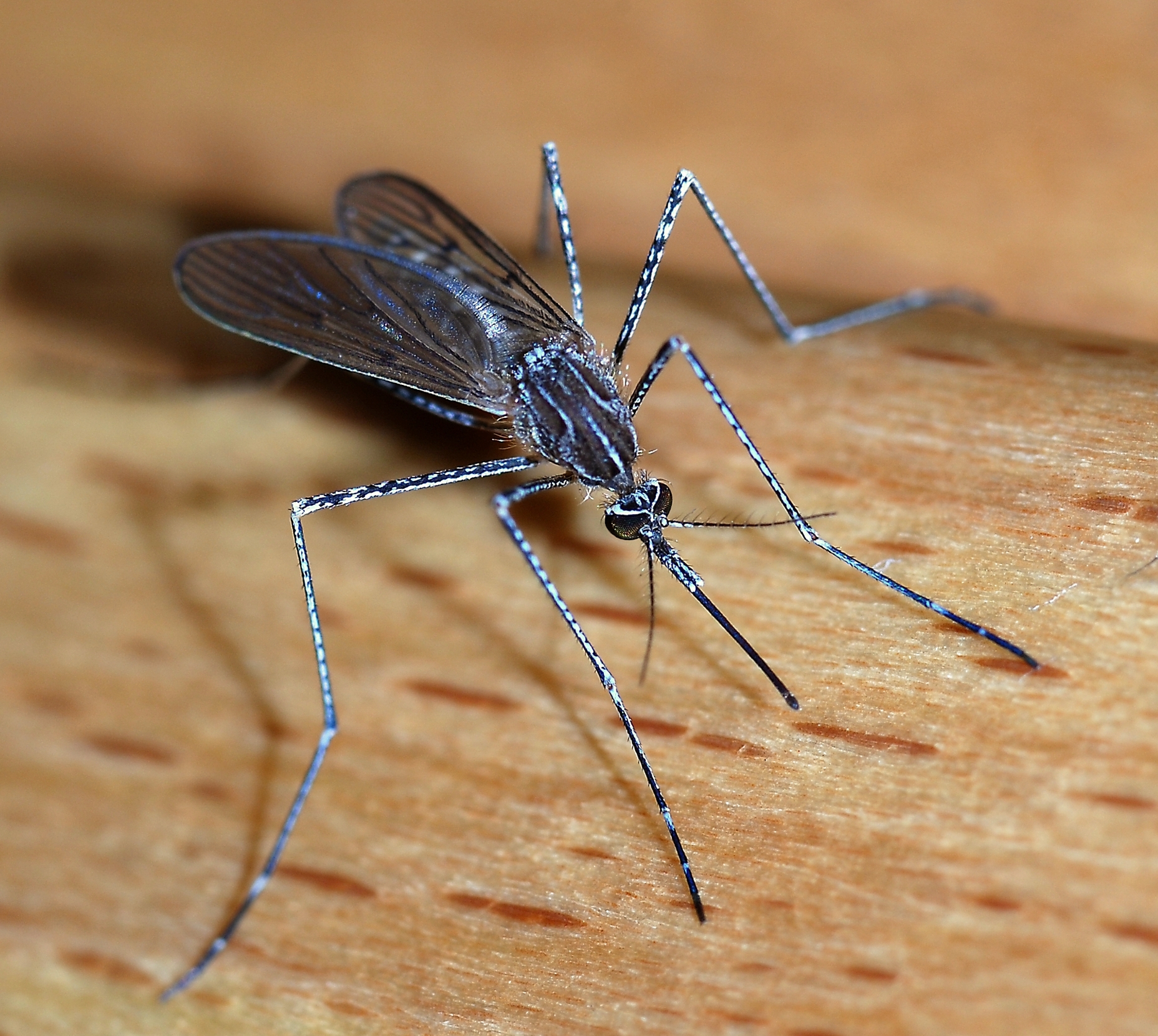
If you’re traveling somewhere for Spring Break be prepared for mosquitoes.
Northwest Exterminating cautions travelers about mosquito-borne diseases
Many people are looking forward to escaping the winter chill by jet setting to a warmer destination during Spring Break, but they may find themselves with a biting problem – mosquitoes. Northwest Exterminating encourages Spring Break travelers, especially those visiting a tropical location, to take precautions to protect themselves from these blood-sucking pests.
Unfortunately, mosquitoes can inflict more then just painful bites. Travelers are at an added risk of contracting mosquito-borne diseases like West Nile virus, Malaria and Dengue Fever.
 Anyone traveling to the Caribbean should also be aware of Chikungunya virus, an infection spread by Asian tiger mosquitoes that was recently reported in St. Martin. According to the Centers for Disease Control and Prevention (CDC), the virus is characterized by fever, rash, fatigue, vomiting and intense muscle and joint pain that can last for weeks in serious cases.
The National Pest Management Association (NPMA) suggests the following tips to avoid mosquito bites while basking in the sun:
- Minimize outside activity, particularly at dusk and dawn, when mosquitoes are most active.
- If you must spend time outdoors during peak mosquito times, use an insect repellant containing DEET, picaridin or IR3535.
- Avoid wearing dark colors and floral prints, loose-fitting garments, open-toe shoes and sweet-smelling perfumes or colognes.
- If bitten by a mosquito, clean the area thoroughly, avoid scratching, and apply anti-itch cream.
- Seek prompt medical attention if you experience additional symptoms such as high fever, head and body aches, confusion or weakness.
For more information, visit our mosquito page.
Aug 7, 2013 | Mosquito
Asian Tiger Mosquito
If you are just now being able to absorb the menace of the Gallinipper mosquito, unfortunately you won’t be able to breathe easy just yet. Evidently, tourists aren’t the only people coming to our American shores this summer. The Asian tiger mosquito is named for the black-and-white stripes on its body. You may think that spraying on some bug spray during the day time will help keep them at bay, but think again! This mosquito is different from others in that it bites all day long and pursues not only humans, but also dogs, cats, birds and other animals.
According to Livescience.com, entomology professor Dina Fonseca reports “Part of the reason it is called ‘tiger’ is also because it is very aggressive… you can try and swat it all you want, but once it’s on you, it doesn’t let go.” Another serious concern of this particular insect is that it spreads more than 20 diseases, including West Nile fever, dengue fever, yellow fever and two types of encephalitis.
Since the 1980s, the Asian tiger mosquito has reached 26 states, primarily in the eastern United States. Warm weather helps this pest get around, but its eggs are also capable of surviving cold weather. To help eliminate the potential destruction of this pest, it is important to remove standing water, wear insect repellent and wear long sleeves and pants outdoors. Naturally, Northwest Exterminating is equipped with preventive solutions to give you a mosquito-free summer. If you’re interested in our services, give us a call!
Sources:
http://www.livescience.com/37715-asian-tiger-mosquitoes-chikungunya.html
Jul 19, 2013 | Pest Control
It’s summer time and BBQ season is in full effect. Naturally, your family and friends aren’t the only ones attracted to the smell of something good on the grill. We at Northwest Exterminating provide extensive treatments for mosquitos, fleas & ticks and other creepy crawlers that may want to stop by. However, being proactive in small ways can add to the benefits of pest and mosquito control. Below is a list of tips to help you keep your BBQ guests from getting bugged!
- Keep your outdoor dining area clean. For instance, flies hate the scent of Pine-sol. Mix it with water and put it in a spray bottle to use to wipe down the porch and furniture.
- Place a fan near your BBQ area. This moderate breeze will blow tiny insects off-track
- If you have a more serious mosquito problem, use a fogger in the BBQ area before the event and make sure to spray bushes as well.
- Tiki torches, citronella candles or insecticide candles should go around the edge of your BBQ area, though guests will have to be mindful if you choose to go this route.
- Screen tents are a useful means of protecting food and guests.
- Keep food inside and have guests serve themselves indoors before coming outdoors to eat.
- Bug spray is useful plus and there should be enough for each guest to use.
Sources:
http://www.ehow.com/how_8229328_keep-bugs-away-during-barbecue.html
Jul 1, 2013 | Uncategorized
It’s a bird! It’s a plane! It’s a…MOSQUITO?!?!
Source
Yes, that is right mosquito season is here! And although we all enjoyed the mild winter, we may not be able to say the same this summer. Mild winters usually mean an influx in pest pressure for Pest Management Professionals and their customers…including mosquitoes.
There are currently 63 different species of mosquitoes found in GA. Approximately$125,000,000 is spent annually in Georgia in an effort to reduce and treat the effects of disease and nuisance caused by mosquitoes. That’s a lot of money to control one insect. But is there a cost to protect the public’s health? Because the mosquito has become a big threat!
Worldwide malaria remains the most important human disease transmitted by mosquitoes. Malaria counts for almost 2 million deaths each year and is estimated that there are over 400 million cases in the world. In Georgia, we see about 50 to 60 cases of Malaria a year. Although Malaria affects the most humans worldwide there are two other diseases that we see more frequently in Georgia.
The West Nile virus was first found in the states in 1999. In 2002, the virus spread over most of the United States and caused over 4,000 cases and 277 deaths. The virus is transmitted from the mosquito to a host bird, where the virus grows and then is transmitted to an incidental host (humans) by another mosquito. To date, there is no antivirus for those affected with the disease.
Another common disease doesn’t affect humans directly but it does affect the family dog. Dog heartworms are a serious problem and are spread by mosquitoes. Infection rates in some states have been reported to be as high as 80% in dogs over 2.5 years old, and almost 100% in dogs over 5 years old that are left un-vaccinated. There is approximately $60,000,000 being spent on heartworm prevention in Georgia each year and it cost nearly $1,000 to treat a case of heartworms. Bottom-line…make sure you treat your dog for heartworms BEFORE it’s an issue.
So what can we do? Mosquito prevention at Northwest Exterminating is a five step program following the basic principles of an Integrated Mosquito Management program:
- Education
- Surveillance
- Source Reduction
- Larviciding
- Adulticiding
It is important as homeowner’s that we do our part. Here are some simple steps to help reduce mosquitoes around your home:
- Reduce water collection sites
- Clean gutters regularly
- Remove yard clutter
For more tips like these and to help reduce the amount of mosquitoes around your home call Northwest Exterminating. Our goal is to create a healthier environment around your home so you can enjoy your yard!
Adam Vannest
Director of Pest Services
Northwest Exterminating
[email protected]
Jul 1, 2013 | Uncategorized
It’s a bird! It’s a plane! It’s a…MOSQUITO?!?!
Source
Yes, that is right mosquito season is here! And although we all enjoyed the mild winter, we may not be able to say the same this summer. Mild winters usually mean an influx in pest pressure for Pest Management Professionals and their customers…including mosquitoes.
There are currently 63 different species of mosquitoes found in GA. Approximately$125,000,000 is spent annually in Georgia in an effort to reduce and treat the effects of disease and nuisance caused by mosquitoes. That’s a lot of money to control one insect. But is there a cost to protect the public’s health? Because the mosquito has become a big threat!
Worldwide malaria remains the most important human disease transmitted by mosquitoes. Malaria counts for almost 2 million deaths each year and is estimated that there are over 400 million cases in the world. In Georgia, we see about 50 to 60 cases of Malaria a year. Although Malaria affects the most humans worldwide there are two other diseases that we see more frequently in Georgia.
The West Nile virus was first found in the states in 1999. In 2002, the virus spread over most of the United States and caused over 4,000 cases and 277 deaths. The virus is transmitted from the mosquito to a host bird, where the virus grows and then is transmitted to an incidental host (humans) by another mosquito. To date, there is no antivirus for those affected with the disease.
Another common disease doesn’t affect humans directly but it does affect the family dog. Dog heartworms are a serious problem and are spread by mosquitoes. Infection rates in some states have been reported to be as high as 80% in dogs over 2.5 years old, and almost 100% in dogs over 5 years old that are left un-vaccinated. There is approximately $60,000,000 being spent on heartworm prevention in Georgia each year and it cost nearly $1,000 to treat a case of heartworms. Bottom-line…make sure you treat your dog for heartworms BEFORE it’s an issue.
So what can we do? Mosquito prevention at Northwest Exterminating is a five step program following the basic principles of an Integrated Mosquito Management program:
- Education
- Surveillance
- Source Reduction
- Larviciding
- Adulticiding
It is important as homeowner’s that we do our part. Here are some simple steps to help reduce mosquitoes around your home:
- Reduce water collection sites
- Clean gutters regularly
- Remove yard clutter
For more tips like these and to help reduce the amount of mosquitoes around your home call Northwest Exterminating. Our goal is to create a healthier environment around your home so you can enjoy your yard!
Adam Vannest
Director of Pest Services
Northwest Exterminating
[email protected]

 Anyone traveling to the Caribbean should also be aware of Chikungunya virus, an infection spread by Asian tiger mosquitoes that was recently reported in St. Martin. According to the Centers for Disease Control and Prevention (CDC), the virus is characterized by fever, rash, fatigue, vomiting and intense muscle and joint pain that can last for weeks in serious cases.