Apr 7, 2017 | Mosquito
Mosquitoes are known carriers of several viruses, transmitting disease and parasites to people and animals that come in contact with them via painful bites. While some of these diseases don’t pose serious health risks, others can be deadly (over one million people die each year from mosquito-borne diseases, according to the AMCA!). Here are 3 common mosquito diseases you should be cautious of this summer:
Zika Virus
What is it?
First discovered in 1947, Zika, a mosquito-borne virus, originated in Uganda, Africa. Shortly after, outbreaks of Zika were detected throughout tropical areas in Africa, Southeast Asia, and the Pacific Islands, according to the CDC. Now, mosquitoes carrying Zika have been identified in many countries, including the U.S.
How do you get it?
Primarily transmitted by the Aedes species, infected mosquitoes can spread Zika to humans and animals through bites. These mosquitoes are active during daytime and evening hours. Zika can also be sexually transmitted from one infected partner to another, from pregnant women to unborn babies, and through blood transfusions.
What are the symptoms?
Common symptom of Zika include rash, fever, joint and muscle pain, headache, and/or red eyes and can last for up to a week, but many infected won’t show any symptoms at all. Zika is dangerous specifically for pregnant women as it can cause birth defects, a condition called Microcephaly, in fetuses. This can cause brain and eye defects, hearing deficits, and impair growth.
How do you prevent it?
Because there’s currently no vaccine to treat and/or cure Zika, the best way to protect yourself is by preventing mosquito bites. Keep arms and legs covered in loose, light-colored clothing when outdoors and use insect repellent. Repair or replace missing or damaged window and door screens at home and keep them closed as often as possible. Control mosquito populations around your home by getting rid of adult mosquitoes as well as reducing mosquito reproduction with home mosquito treatments from a licensed pest control company. Most companies offer eco-friendly mosquito treatment options that are family and pet-friendly, if having your yard treated with chemicals is a concern. If pregnant, the CDC advises to avoid traveling to countries with known Zika outbreaks – see the list here – and refrain from unprotected sex.
What if you have it?
Check with your doctor to get tested. To minimize symptoms, drink lots of fluids, get plenty of rest, reduce fever or pain with over-the-counter pain medicines (avoid aspirin), and prevent additional mosquito bites. If you’re bitten by a mosquito once infected, you can pass Zika to other mosquitoes, who will then infect someone else – increasing the spread of Zika. If you’re pregnant and suspect you have Zika, contact your physician immediately.
West Nile Virus
What is it?
The first occurrences of West Nile in the U.S emerged in New York in 1999 with 62 confirmed cases and 7 human deaths, according to the AMCA. West Nile virus is a mosquito-borne virus carried by many different mosquitoes, one of the most common being the Culex species.
How do you get it?
West Nile is most often transferred from birds to mosquitoes, and then from mosquitoes to humans and animals through bites.
What are the symptoms?
Symptoms may develop 3-14 days after bitten. Typically only 20% of people infected with West Nile virus will experience symptoms which include headache, body aches, and fever and usually last a week or less. Rarely, the virus develops into West Nile encephalitis which can cause high fever, neck stiffness, disorientation, coma, muscle weakness, convulsions, paralysis, and sometimes death. This is most common in people over the age of 50.
How do you prevent it?
Like Zika, there is no vaccine for West Nile virus. Prevent the virus by preventing mosquito bites.
What if you have it?
See your doctor. A blood test can determine if you’re infected with West Nile virus. If symptoms are severe, hospitalization may be necessary.
Dengue
What is it?
Dengue, a mosquito-borne virus, is the leading cause of illness and death in the tropics and subtropics according to the CDC (400 million people infected each year). While it rarely occurs in the U.S., it’s important to be aware of dengue while traveling to popular tourist destinations like Puerto Rico, parts of Central and South America, Southeast Asia, and the Pacific islands. Dengue is carried by the Aedes aegypti and Aedes albopictus mosquito species which are found throughout the world.
How do you get it?
Mosquitoes carrying dengue infect humans through bites and infected humans can infect other mosquitoes, when bitten.
What are the symptoms?
Most cases of dengue in the U.S. were acquired through travel abroad. Symptoms include severe headache, high fever, eye pain, joint pain, muscle pain, and rash. Severe cases can cause stomach pain, vomiting, difficulty breathing, and bleeding from gums and/or nose.
How do you prevent it?
Mosquito bite prevention is key when traveling to areas with known dengue outbreaks as there is no vaccine for dengue or medications to treat it. It’s especially critical for people with dengue to avoid mosquito bites so the disease isn’t spread from person to another mosquito.
What if you have it?
If symptoms are mild, lots of rest and fluids are recommended. For more severe symptoms, contact your health care provider immediately.

May 21, 2015 | Mosquito, Pest Control
This weekend marks the official start of summer and Memorial Day. It’s a great time to honor those that have served our country and enjoy a long weekend with friends and family. Summer-goers beware, though. Atlanta was recently “awarded” the top mosquito city for this year, with June, July, and August being the most mosquito-active months. There’s still time to prepare before the biting begins! Here’s how you can minimize your risk.
1. Wear mosquito repellent when outside. While it won’t reduce mosquito populations around your home or public outdoor areas, it should help prevent mosquito bites.
2. To reduce mosquito populations, eliminate potential breeding sites – standing water, debris, toys, & gutters – and correct any drainage issues.
3. Wear loose, light-colored clothing when outside.
4. Make sure pets are current on preventative heart worm medication.
5. Use Citronella candles when outside your home. They only have a mild effect against mosquitoes but definitely help.
6. Mosquitoes are weak fliers; place a large fan in areas of use outdoors.
7. Avoid using incandescent lights; instead, use yellow “bug lights”. They won’t repel mosquitoes but also won’t attract them.
8. Have your property inspected by an exterminator. Professional mosquito control greatly reduces mosquito populations around your home by eliminating & treating mosquito breeding sites & resting areas.
Click here for more information on Atlanta Mosquito Control Services or to request a free mosquito control quote.
Jun 30, 2014 | Mosquito
What Do You Need To Know About Chikungunya, the mosquito-borne virus?
By: Kate King
[email protected]
As many of you have been seeing or hearing in the news recently, the mosquito-borne virus, Chikungunya is being reported in the United States. The symptoms of Chikungunya are very similar to those of the flu: fever, joint pain, muscles aches, joint swelling, and possible rash. The symptoms typically appear 5-7 days after being bitten by an infected mosquito and last for about a week. However, the joint pain may continue for a longer period of time. The best thing for you to do if you are experiencing these symptoms is to get plenty of rest, keep hydrated, and take a pain reliever/fever reducer. You should also notify your doctor.
Let me first say that many of the cases reported are from people traveling in areas where the virus is found naturally. To date, there are no documented cases originating from within the United States, according to the CDC. The mosquitoes that carry the virus are found throughout the United States, so there is the potential for the virus to become established here.
There are a few things that you can do to help limit the possibility of being bitten by a mosquito and reduce the risk of chikungunya:
- Prevent standing water
- Dump water at least once a week to prevent mosquito larvae from becoming adults
- Wear protective clothing like long sleeves, pants, and close toe shoes
- Use a protective spray that will repel the mosquitoes
- Be cautious when standing in shaded areas – the mosquitoes that carry the virus are known for biting during the day, not during dawn and dusk as many other mosquitoes are
- Hire a professional mosquito control company
If you are experiencing an issue with mosquitoes on your property, or you would like to try and prevent any kind of issues, contact your local Pest Control Company.
Jun 13, 2014 | DIY, DIY Mosquito Control, Mosquito
How to Treat a Mosquito Bite
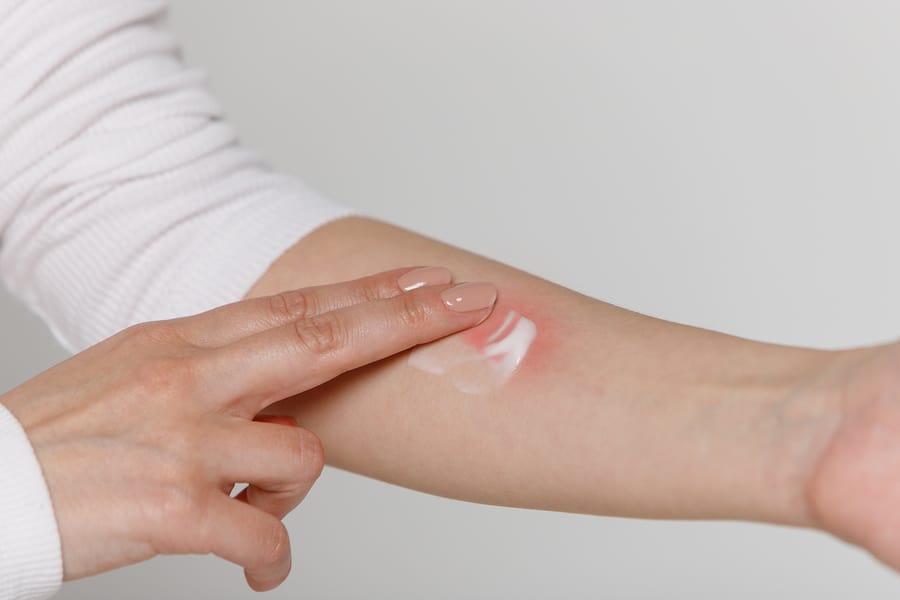
If you spend any time outside, especially in the Southern states, there is a good chance you will get a mosquito bite. The female mosquito (males don’t bite) feed on blood. Once they bite they cause a minor allergic reaction. You will most often see the skin raise and turn red. The itch comes from the allergic reaction to the saliva, an anticoagulant, that the mosquito injects while sucking your blood.
So how can you treat a mosquito bite?
- Wash the affected area with soap and water or rubbing alcohol to remove any excess saliva that is still on the skin.
- Apply ice to the bite as soon as you become aware that you’ve been bitten. Ice will help alleviate pain and swelling.
- Apply an anti-itch medication to the area of the bite. You can also try home remedies such as applying toothpaste, baking soda, mouth wash, or Epsom salt.
- Although it can be difficult, avoid scratching. Scratching will only further aggravate the itch and prolong healing.
How to avoid getting bit by a mosquito:
- Have your property treated by a licensed mosquito control company.
- Apply an insect repellent to deter mosquitoes.
- Wear long pants, long sleeves, and closed toed shoes when possible.
- Read our blog 10 Ways to Prevent Mosquito Bites
Jun 11, 2014 | Mosquito
Tips to Prevent Mosquito Bites When Outdoors this Summer
Warmer weather is finally here and we know our residents are no doubt spending more time outdoors. However, with increased outdoor activity, the public is at risk of becoming a meal for summer’s most dangerous and pesky pest – the mosquito. That’s why we are urging the public to take preventative measures to protect themselves and their families.
Mosquitoes are emerging early across the country due to recent rainfall and an increase in temperatures. With the threat of West Nile virus and other mosquito-borne diseases, it’s important for people to take the necessary precautions to prevent mosquito bites when spending time outdoors in the coming months.
The National Pest Management Association (NPMA), a nonprofit organization committed to the protection of public health, food and property from household pests, offers the following tips to avoid becoming a mosquito meal:
- Eliminate areas of standing water around the home such as flowerpots, birdbaths, baby pools, grill covers and other objects where water collects. Mosquitoes need only about a ½ inch of water to breed.
- Screen all windows and doors. Repair even the smallest tear or hole.
- Minimize outside activity between dusk and dawn, when mosquitoes are most active.If you must be outside during those times, consider staying inside a screened-in porch or dressing in clothing that leaves very little exposed skin.
- Avoid wearing dark colors, loose-fitting garments, and open-toe shoes.
- Always use an insect repellant containing DEET, picaridin, IR3535 or oil of lemon eucalyptus when spending time outdoors or traveling, especially in areas known to have increased mosquito populations.
For more information on mosquitoes and other summer pests, please visit www.callnorthwest.com.