Apr 15, 2016 | Mosquito, Pest Control
The Center for Disease Control and Prevention (CDC) is now warning everyone that Zika is scarier than they originally thought.
Over 300 cases of Zika virus have now been confirmed in the U.S. And while most of these occurrences are in people who had traveled to countries with Zika-infected mosquitos, now we know that the virus can be transmitted sexually in addition to a mosquito bite.
The biggest concern right now related to Zika is for pregnant women. Zika virus can cause a neurodevelopmental disorder in fetuses, Microcephaly, that causes babies to be born with a head and brain that are smaller than normal. Now research is showing that Zika not only affects women in their first trimester, but can be a risk throughout all stages of pregnancy, according to CDC Deputy Director, Dr. Anne Schuchat.
“Most of what we’ve learned is not reassuring,” she added. “Everything we know about this virus seems to be scarier than we initially thought.
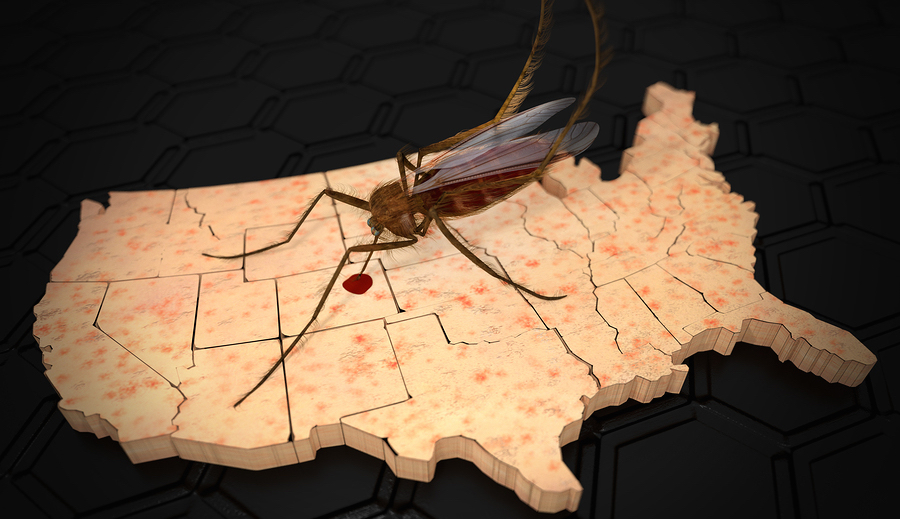
The mosquitoes carrying Zika virus have been identified in 30 states across the country. This doesn’t mean the mosquitoes are infected, but health officials are concerned that as temperatures begin to rise, pregnant women from Texas to Florida will be at risk.
For women who are not pregnant, if you’ve experienced symptoms of Zika – fever, rash, itchy eyes – wait at least 8 weeks before trying to conceive. And even if you’ve had no symptoms at all but have recently traveled to any of the countries with active Zika transmissions, it’s advised to also wait 8 weeks or longer before trying to get pregnant.
On a positive note, the CDC has asked for federal funding to aid in the research and development of a cure, with a vaccine potentially expected to release in September 2016.
Meanwhile, reduce your risk of Zika and other mosquito-borne viruses with mosquito prevention tips and professional mosquito control.

Mar 4, 2016 | Mosquito, Pest Control
Mosquito season in the south is here! Yes, we know what you’re thinking…so soon? We usually get one pleasant month of spring before mosquitoes start biting. But with the unpredictable, on-again, off-again warm weather we’ve had all winter, it’s really no surprise that mosquitoes are active earlier this year. So what does this mean for you and your family? Painful mosquito bites, allergic reactions, higher risk of contracting mosquito-borne diseases, and less time you’ll be enjoying outdoors.
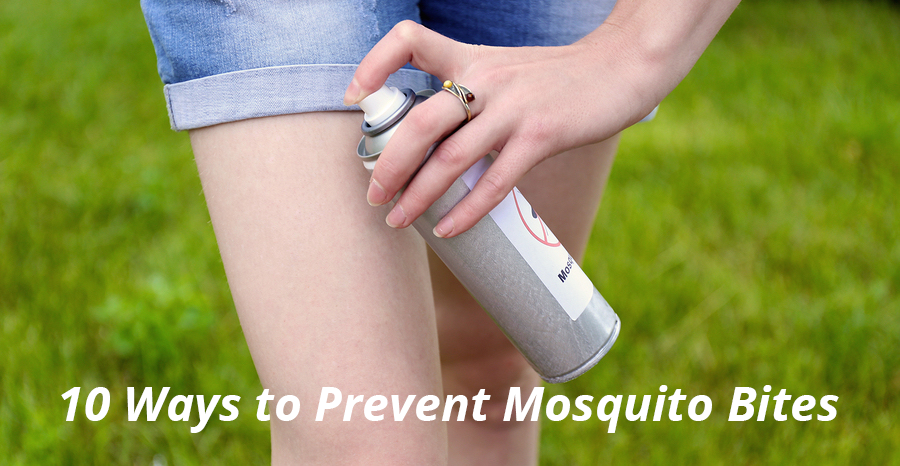
Here are 10 ways you can prevent mosquito bites:
1. Stay Covered.
Yes, it’s hot and no, you probably don’t want to wear long-sleeves and pants. But, covering your arms and legs when outside, during peak mosquito season, is one of the easiest and most effective ways to prevent mosquito bites.
2. Eliminate Standing Water
Check for areas of standing water around your home frequently and remove the sources of standing water, if possible. Mosquitoes breed in stagnant water so the more standing water around on your property, the more mosquitoes you’ll encounter. Standing water is commonly found in bird baths, children’s toys, flower pots, rain gutters, buckets, and other containers.
3. Use Insect Repellant with DEET
The active ingredient DEET is proven to be effective at repelling mosquitoes and other biting insects and protecting against mosquito-borne diseases like Zika virus, West Nile, and Encephalitis. Use on exposed skin when outdoors and repeat, as needed, if you’re outside for several hours.
4. Window & Door Screens
You may be tempted to leave windows and doors open to take advantage of spring weather. If so, make sure all windows and doors have screens without holes or tears, to prevent mosquitoes from coming inside your home.
5. Limit Time Outside During Daylight Hours
Mosquitoes are most active between dusk and dawn. Avoid going outside during those times, if possible.
6. Limit Physical Activity Outdoors
Because mosquitoes are attracted to the lactic acid in sweat, outdoor workouts should be limited during mosquito season, especially if you have sensitivity or an allergy to mosquito bites. And if you do choose to workout outdoors, wear mosquito repellent with DEET and long-sleeves and pants to reduce the risk of being bitten.
7. Use Fans
Outdoor fans, on decks, patios, and around pools, are a great way to keep the mosquitoes away. Mosquitoes are weak fliers, so a powerful fan is a great mosquito deterrent for smaller areas.
8. Wear Light-colored Clothing
Mosquitoes tend to be more attracted to darker colors, so wearing lighter colors will reduce your chances of an attack.
9. Don’t Drink Beer
Sounds ridiculous right? But apparently mosquitoes are beer lovers too. While the exact reason for the attraction is unknown, some believe it’s related to an elevated body temperature when drinking alcohol and the amount of ethanol excreted when sweating.
10. Stay cool
Avoiding high body temperatures can be impossible in the south’s summer heat and humidity. But, mosquitoes are attracted to elevated body temperatures, making you more likely to be bitten. Do what you can do stay out of the heat and keep your body cool.
Sometimes you can do everything possible to prevent mosquito bites and still get bitten. Consider calling a professional mosquito control company that specializes in mosquito prevention. An effective mosquito control program targets mosquito larvae (breeding sites) and adult mosquitoes (resting areas), with eco-friendly mosquito treatment options that are family and pet-friendly. A mosquito exterminator will also identify problem areas and provide recommendations for ongoing mosquito prevention.
Jul 1, 2013 | Uncategorized
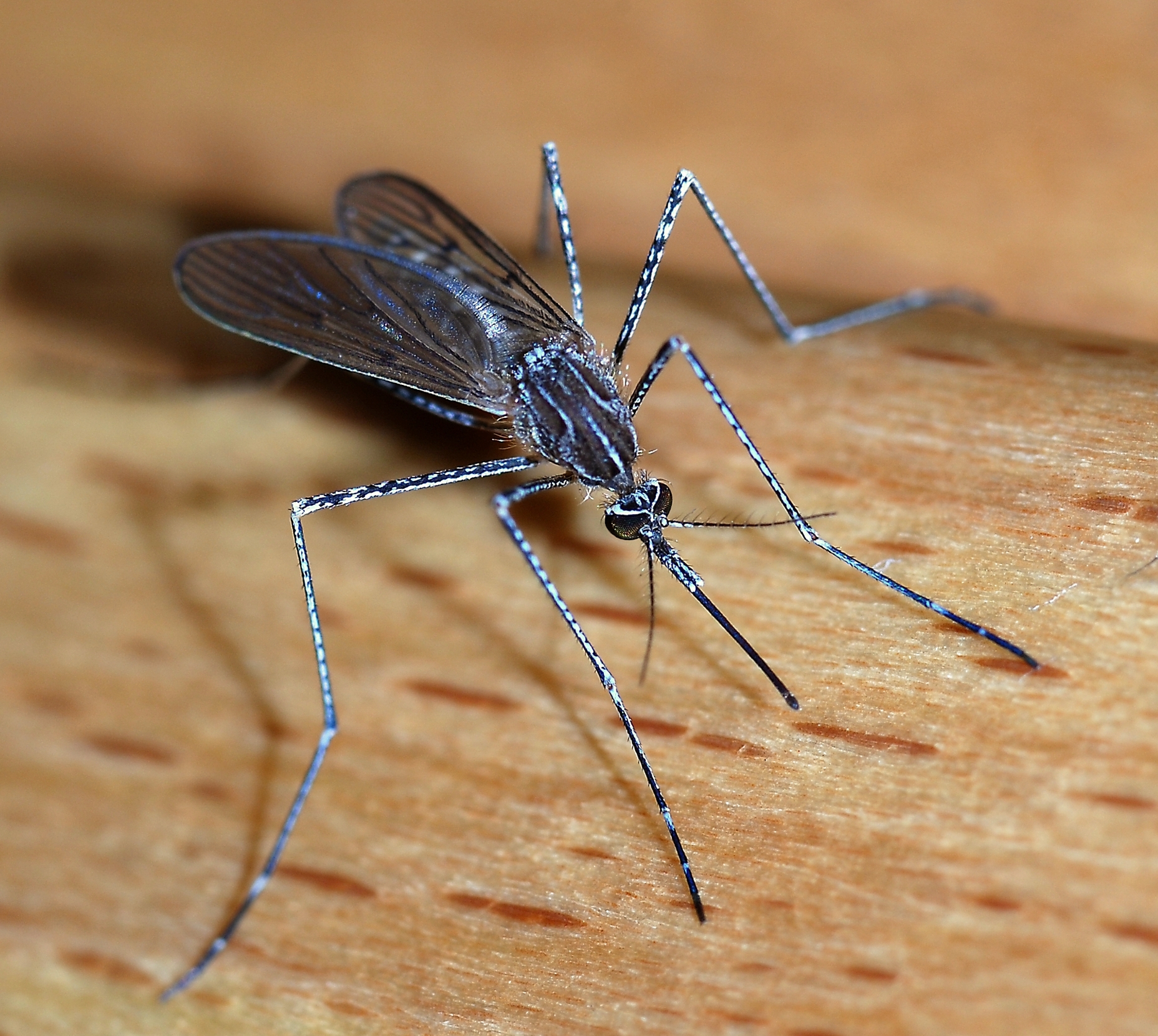
It’s a bird! It’s a plane! It’s a…MOSQUITO?!?!
Source
Yes, that is right mosquito season is here! And although we all enjoyed the mild winter, we may not be able to say the same this summer. Mild winters usually mean an influx in pest pressure for Pest Management Professionals and their customers…including mosquitoes.
There are currently 63 different species of mosquitoes found in GA. Approximately$125,000,000 is spent annually in Georgia in an effort to reduce and treat the effects of disease and nuisance caused by mosquitoes. That’s a lot of money to control one insect. But is there a cost to protect the public’s health? Because the mosquito has become a big threat!
Worldwide malaria remains the most important human disease transmitted by mosquitoes. Malaria counts for almost 2 million deaths each year and is estimated that there are over 400 million cases in the world. In Georgia, we see about 50 to 60 cases of Malaria a year. Although Malaria affects the most humans worldwide there are two other diseases that we see more frequently in Georgia.
The West Nile virus was first found in the states in 1999. In 2002, the virus spread over most of the United States and caused over 4,000 cases and 277 deaths. The virus is transmitted from the mosquito to a host bird, where the virus grows and then is transmitted to an incidental host (humans) by another mosquito. To date, there is no antivirus for those affected with the disease.
Another common disease doesn’t affect humans directly but it does affect the family dog. Dog heartworms are a serious problem and are spread by mosquitoes. Infection rates in some states have been reported to be as high as 80% in dogs over 2.5 years old, and almost 100% in dogs over 5 years old that are left un-vaccinated. There is approximately $60,000,000 being spent on heartworm prevention in Georgia each year and it cost nearly $1,000 to treat a case of heartworms. Bottom-line…make sure you treat your dog for heartworms BEFORE it’s an issue.
So what can we do? Mosquito prevention at Northwest Exterminating is a five step program following the basic principles of an Integrated Mosquito Management program:
- Education
- Surveillance
- Source Reduction
- Larviciding
- Adulticiding
It is important as homeowner’s that we do our part. Here are some simple steps to help reduce mosquitoes around your home:
- Reduce water collection sites
- Clean gutters regularly
- Remove yard clutter
For more tips like these and to help reduce the amount of mosquitoes around your home call Northwest Exterminating. Our goal is to create a healthier environment around your home so you can enjoy your yard!
Adam Vannest
Director of Pest Services
Northwest Exterminating
[email protected]
Jul 1, 2013 | Uncategorized
It’s a bird! It’s a plane! It’s a…MOSQUITO?!?!
Source
Yes, that is right mosquito season is here! And although we all enjoyed the mild winter, we may not be able to say the same this summer. Mild winters usually mean an influx in pest pressure for Pest Management Professionals and their customers…including mosquitoes.
There are currently 63 different species of mosquitoes found in GA. Approximately$125,000,000 is spent annually in Georgia in an effort to reduce and treat the effects of disease and nuisance caused by mosquitoes. That’s a lot of money to control one insect. But is there a cost to protect the public’s health? Because the mosquito has become a big threat!
Worldwide malaria remains the most important human disease transmitted by mosquitoes. Malaria counts for almost 2 million deaths each year and is estimated that there are over 400 million cases in the world. In Georgia, we see about 50 to 60 cases of Malaria a year. Although Malaria affects the most humans worldwide there are two other diseases that we see more frequently in Georgia.
The West Nile virus was first found in the states in 1999. In 2002, the virus spread over most of the United States and caused over 4,000 cases and 277 deaths. The virus is transmitted from the mosquito to a host bird, where the virus grows and then is transmitted to an incidental host (humans) by another mosquito. To date, there is no antivirus for those affected with the disease.
Another common disease doesn’t affect humans directly but it does affect the family dog. Dog heartworms are a serious problem and are spread by mosquitoes. Infection rates in some states have been reported to be as high as 80% in dogs over 2.5 years old, and almost 100% in dogs over 5 years old that are left un-vaccinated. There is approximately $60,000,000 being spent on heartworm prevention in Georgia each year and it cost nearly $1,000 to treat a case of heartworms. Bottom-line…make sure you treat your dog for heartworms BEFORE it’s an issue.
So what can we do? Mosquito prevention at Northwest Exterminating is a five step program following the basic principles of an Integrated Mosquito Management program:
- Education
- Surveillance
- Source Reduction
- Larviciding
- Adulticiding
It is important as homeowner’s that we do our part. Here are some simple steps to help reduce mosquitoes around your home:
- Reduce water collection sites
- Clean gutters regularly
- Remove yard clutter
For more tips like these and to help reduce the amount of mosquitoes around your home call Northwest Exterminating. Our goal is to create a healthier environment around your home so you can enjoy your yard!
Adam Vannest
Director of Pest Services
Northwest Exterminating
[email protected]