Apr 3, 2018 | Mosquito, Pest Control
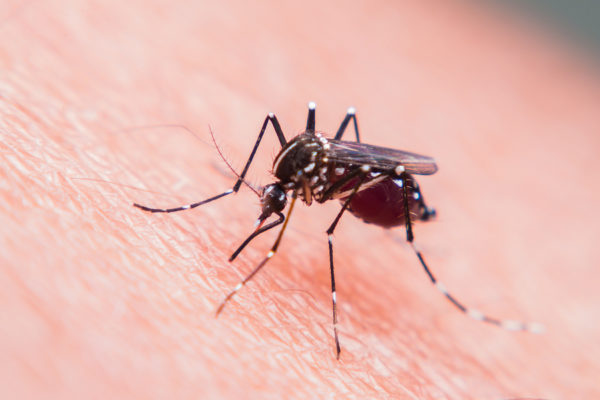
The South is known for many things like warm weather, sweet tea, and southern hospitality. Unfortunately, the south is also known for another thing – mosquitoes! Mosquitoes thrive in warm, humid climates like we have here in the southern United States. As the weather warms, mosquito season begins and peaks in the mid-summer months. Mosquitoes can breed in less than 1 inch of water so the South offers them a multitude of habitats to expand their populations.
Mosquito bites cause irritation and itching of the skin. Besides this nuisance, mosquitoes can also transmit diseases that can threaten the health of both humans and animals. Here are some of the most common diseases that can be spread by mosquitoes:
MALARIA
- Spread by Anopheles species of mosquito
- About 1700 cases per year in the US
- Most cases are from travelers returning from malaria infected countries
- Serious disease, sometimes fatal
- Symptoms include high fevers, chills, sweats, headache, body aches, nausea and vomiting
- Curable if diagnosed and treated promptly
- The potential for the disease to re-emerge in the US is present especially in the South
DENGUE
- Spread by the Aedes aegypti mosquito
- Rarely occurs in the US but rampant in Puerto Rico and Latin America
- Symptoms include high fever, severe headache, pain behind the eyes, joint pain, muscle and bone pain, rash, and mild bleeding (especially of the nose and gums)
- No vaccine to prevent in the US but there are vaccines registered for use in other countries
- No specific treatment; treat symptomatically with pain relievers, fever reducers, rest, and fluids
CHIKUNGUNYA
- Spread by the Aedes species of mosquito (Aedes aegypti and Aedes albopictus)
- Very similar to dengue and Zika
- Symptoms include fever, joint pain, headache, muscle pain, joint swelling, and rash
- Rarely fatal but extremely debilitating
- No vaccine to prevent
- Treatment is symptomatic with rest, fluids, fever reducers, and pain relievers
WEST NILE VIRUS
- West Nile Virus has been detected in over 30 species of mosquitoes
- Cases have been reported in all of the continental US
- Most people (8/10) do not have any symptoms at all
- 1/5 people have a high fever
- 1/150 people develop encephalitis which can be fatal
- No vaccine to prevent
- Treatment is symptomatic with fever reducers and pain relievers
ZIKA
- Spread by the Aedes species of mosquito
- Also spread by sexual contact and from pregnant mothers to their fetus
- Cases have been reported in all of the continental United States
- Symptoms include fever, rash, headache, joint pain, red eyes, and muscle pain
- Zika can also cause birth defects when passed to babies from their mothers during pregnancy
- No vaccine to prevent
- Treatment is symptomatic with rest, fluids, pain relievers, and fever reducers
PREVENTION:
Now that you know some of the diseases you can contract from mosquitoes what can you do to prevent them? Avoiding mosquito bites is the #1 way to prevent all of the diseases mentioned above. Check out these tips to avoid mosquito bites and help keep them away from yourself and your home.
- Eliminate standing water around your home, especially in old tires, buckets, plastic covers, toys, and any other containers that can hold water.
- Empty and change the water in bird baths, fountains, wading pools, and rain barrels at least once a week.
- Empty and change water in outdoor pet bowls daily.
- Check gutters for clogs which can cause water to pool. Clean them regularly, especially during the summer season. Consider installing gutter guards to help prevent clogs.
- Drain and fill any temporary pools of water around your home with dirt. Try to get your yard as level as possible.
- Keep swimming pool water treated appropriately and circulating.
- Make sure window and door screens are in good repair. Cover any gaps in walls, doors, and windows to keep mosquitoes from getting into your home.
- Keep doors and windows closed and stay indoors as much as possible, especially during the summer months.
- Keep your grass cut short and rake up any fallen leaves. Mosquitoes like to rest on grass during the day so keeping it short will eliminate this. Leaves can hold enough water for mosquitoes to breed so keep them raked up, as well.
- Replace your outdoor lights with yellow “bug lights.” These don’t eliminate mosquitoes but they do attract less of them than regular lights do.
- If you have to go outside, wear long sleeved shirts, long pants, and socks. Tuck your shirt into your pants and your pants into your socks to protect as much skin as possible.
- If you have to be outside in areas where there are a large number of mosquitoes, use head nets, long sleeves, and long pants.
- Use EPA-registered mosquito repellents but be sure to follow precautions and instructions carefully.
- Avoid using scented bath products if possible. While the connection is unknown, studies have shown that mosquitoes seem to be attracted to fragrances found in shampoo, perfume, cologne, and lotion.

Feb 21, 2018 | Mosquito, Pest Control
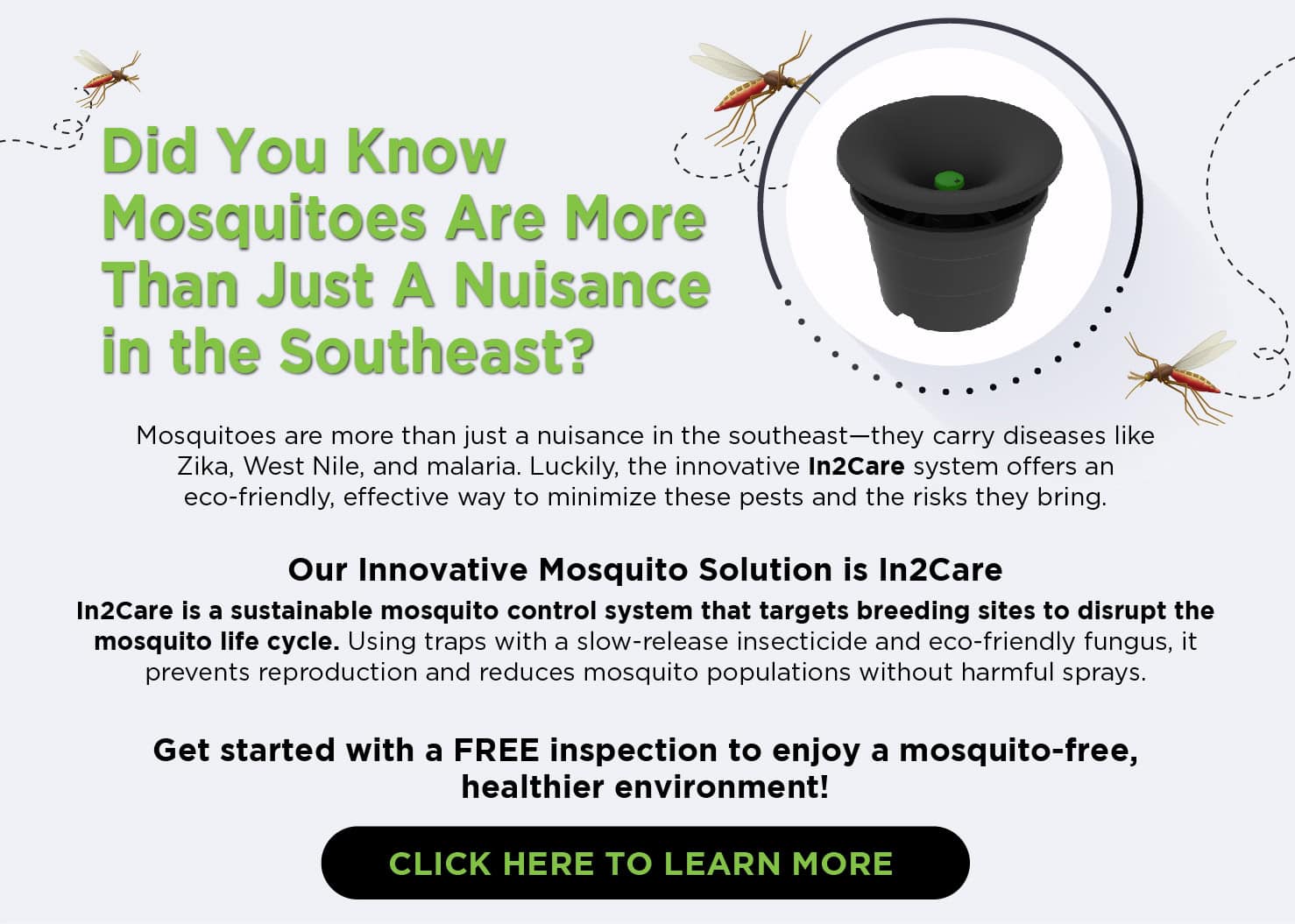
The best approach to controlling mosquitoes takes advantage of every life stage of a mosquito. This approach is known as an Integrated Pest Management approach (IPM). IPM employs a variety of different pest management techniques with an emphasis on pest prevention, pest reduction, and the elimination of habitats that can lead to pest infestations. A successful IPM strategy is made up of 4 different strategies:
- Removal Of Habitats. Mosquitoes require a water habitat for 2 stages of their life cycle. Elimination of water leaves them with nowhere to breed. Get rid of any standing water in gutters, buckets, toys, old tires, tarps, and any other container in and around your home. Consider installing gutter guards to prevent standing water in your gutter systems. Empty and change out the water in your fountains, bird baths, rain barrels, wading pools, and potted plants at least once a week. This will get rid of any eggs that may have been laid in the water since emptying it the week before. Make sure to keep your swimming pools treated and circulating.
- Use Structural Barriers. Using structural barriers decreases the incidence of mosquito bites. Install screens on your windows and doors and make sure they are in good repair. Make sure the edges are sealed. Cover any gaps in walls, doors, and windows.
- Control Adult Mosquitoes. This is the best and fastest method to prevent diseases transmitted by adult mosquitoes. Adult mosquito control uses an EPA-registered pesticide and is applied by aircraft or on the ground by truck-mounted sprayers.
- Control Larval Mosquitoes. Controlling mosquitoes in the larval stage allows them to be eliminated before they emerge as adult mosquitoes. This involves a method called source reduction (also known as physical or permanent mosquito control). Source reduction is the removal or permanent destruction of mosquito breeding sites. The goal of source reduction is to minimize larval mosquito production through habitat destruction. It can minimize or completely eliminate the need for multiple applications of both larvacides and adulticides. Source reduction can be as simple as properly disposing of containers that can hold water or as complex as draining swamps or installing ditches. Some methods of source reduction you can do at home include disposing of, covering, or tipping over any containers that can hold water such as flowerpots, cans, and old tires. Source reduction for freshwater lakes and ponds include periodic drainage, minimizing emergent or standing vegetation, and maintaining steep banks. Source reduction for swamps and marshes is difficult because of severe restrictions in environmental law.
If you suspect you have a problem with mosquitoes in or around your home, contact a professional pest control company who can provide you with a thorough inspection and comprehensive treatment plan.
Mar 21, 2017 | Mosquito
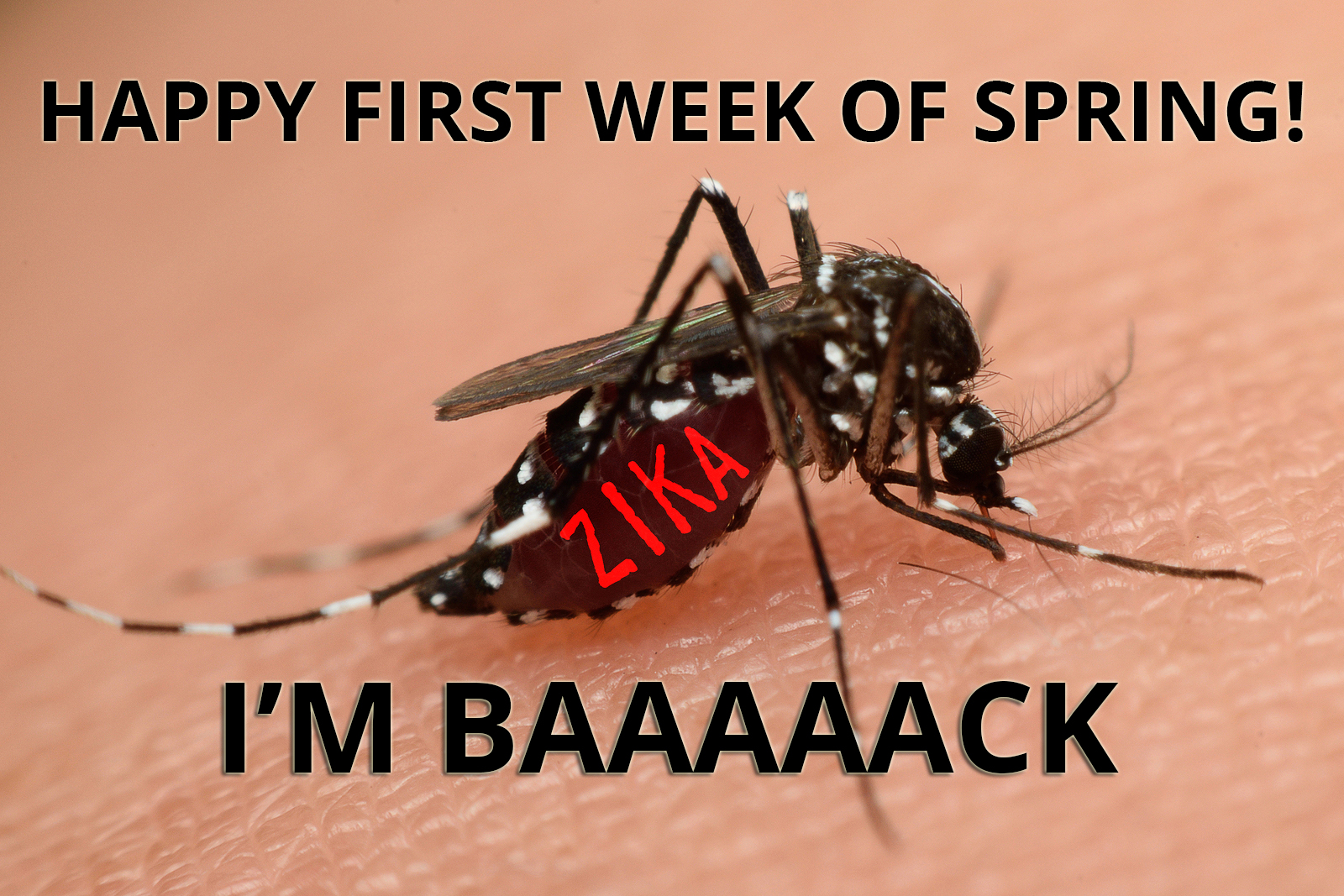
It’s the first official week of Spring (aka Mosquito Season)! Time to start thinking about mosquito prevention.
The risk of contracting mosquito-borne Zika virus in the U.S. is at an all-time high, specifically dangerous for pregnant women or those trying to conceive as the virus can cause serious birth defects. According to the CDC, 222 cases of Zika were reported as of March 15, 2017, acquired through local mosquito-borne transmission in Florida and Texas. And because there’s currently no vaccine for Zika, the only way to prevent it is with mosquito bite prevention. Here’s how you can minimize your risk and limit the spread of Zika.
Home Mosquito Control
The best way to prevent mosquito bites when spending time outside this spring and summer is to reduce mosquito populations around your home with a mosquito control program. Usually consisting of monthly treatments, a professional mosquito control program includes:
- Removal and/or reduction of mosquito resting and breeding sites – any areas that accumulate standing water like planters, toys, bird baths, pet bowls, containers, etc.
- Larvicide treatments to mosquito breeding sites that cannot be removed, targeting mosquito larvae which inhibits maturity into adult mosquitoes
- Adulticide treatments to mosquito resting sites – shaded areas, shrubbery, small trees, ivy, etc. – reducing the amount of adult mosquitoes around your home
- Monthly inspections and recommendations on how to reduce mosquito breeding and resting areas
Other ways you can prevent mosquito bites:
- Cover arms and legs when spending time outdoors with light, loose-fitting clothing
- Keep mosquitoes out of your home by identifying entry points like broken, damaged, or missing window and door screens and make necessary repairs
- Reduce mosquito breeding areas by eliminating any items inside that can accumulate standing water
- Use EPA-registered insect repellents that contain DEET, picaridin, IR3535, oil of lemon eucalyptus or para-menthane-diol, or 2-undecanone
Mar 21, 2017 | Mosquito
It’s the first official week of Spring (aka Mosquito Season)! Time to start thinking about mosquito prevention.
The risk of contracting mosquito-borne Zika virus in the U.S. is at an all-time high, specifically dangerous for pregnant women or those trying to conceive as the virus can cause serious birth defects. According to the CDC, 222 cases of Zika were reported as of March 15, 2017, acquired through local mosquito-borne transmission in Florida and Texas. And because there’s currently no vaccine for Zika, the only way to prevent it is with mosquito bite prevention. Here’s how you can minimize your risk and limit the spread of Zika.
Home Mosquito Control
The best way to prevent mosquito bites when spending time outside this spring and summer is to reduce mosquito populations around your home with a mosquito control program. Usually consisting of monthly treatments, a professional mosquito control program includes:
- Removal and/or reduction of mosquito resting and breeding sites – any areas that accumulate standing water like planters, toys, bird baths, pet bowls, containers, etc.
- Larvicide treatments to mosquito breeding sites that cannot be removed, targeting mosquito larvae which inhibits maturity into adult mosquitoes
- Adulticide treatments to mosquito resting sites – shaded areas, shrubbery, small trees, ivy, etc. – reducing the amount of adult mosquitoes around your home
- Monthly inspections and recommendations on how to reduce mosquito breeding and resting areas
Other ways you can prevent mosquito bites:
- Cover arms and legs when spending time outdoors with light, loose-fitting clothing
- Keep mosquitoes out of your home by identifying entry points like broken, damaged, or missing window and door screens and make necessary repairs
- Reduce mosquito breeding areas by eliminating any items inside that can accumulate standing water
- Use EPA-registered insect repellents that contain DEET, picaridin, IR3535, oil of lemon eucalyptus or para-menthane-diol, or 2-undecanone
May 20, 2016 | Going Green, Mosquito, Pest Control
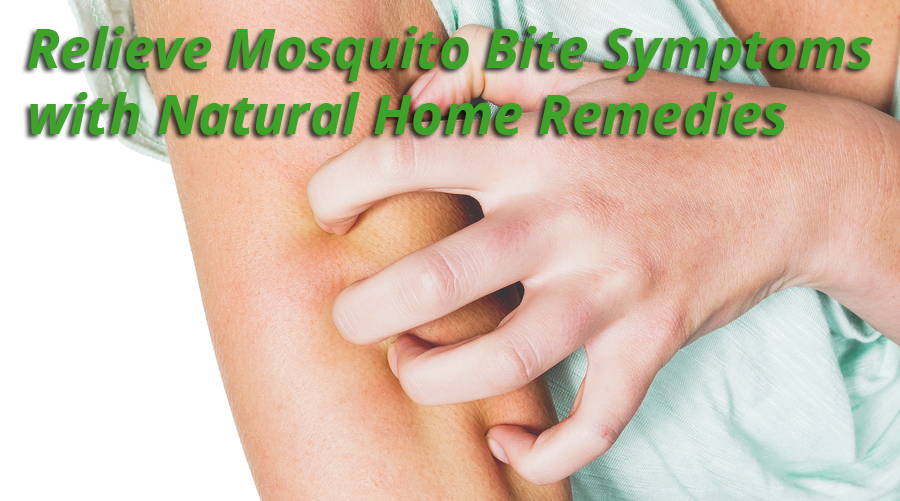
We all need food to survive, right? Unfortunately for us, mosquitoes live off of blood meals from people and animals, which is obtained by biting their victims. Ouch! And chances are, even if you practice strict mosquito prevention, you’ll still be bitten at some point during mosquito season in warm, humid climates. Here’s what you can do to minimize the itching, swelling, rashes, and diseases that mosquito bites often leave behind.
Apply Aloe Vera
Aloe is a natural antiseptic that will minimize swelling, pain, and itching, and will also help the bite to heal faster. Chilled aloe vera works even better. Pop it into the fridge for awhile before applying for maximum results and relief.
Ice It
Applying ice directly onto mosquito bites will reduce swelling, relieve pain, and make the bite less itchy. Leave it on for 10-15 minute increments at a time, using as often as needed.
Take a Bath
Soak in an oatmeal-infused bath for several allergic reactions to mosquito bites. The oatmeal will soothe symptoms of the bites immediately.
Lemon-Aid
Lemons have natural antiseptic and anti-inflamatory properties that will reduce symptoms of mosquito bites and minimize the risk of infection. Cut a lemon in half and rub it over the affected area.
Have Some Tea
Hold a damp green tea bag (preferably cold) onto the mosquito bites for immediate relief from itchiness, swelling, and redness.
Dab of Honey
Honey is a natural antiseptic. Apply a small amount directly onto mosquito bites to help prevent infection.
Cover it
Cover the bites with a bandaid or even tape to keep yourself from scratching it, which will reduce chances of prolonged symptoms and infection.