Oct 30, 2025 | Pest Control
As winter arrives in Laurens, SC, cooler temperatures often drive pests indoors in search of warmth, food, and shelter. Your home becomes a cozy refuge, making it a prime target for winter infestations. Knowing which pests are most likely to move inside is the first step toward protecting your property.
The Most Common Winter Pests
Rodents (Rats and Mice)
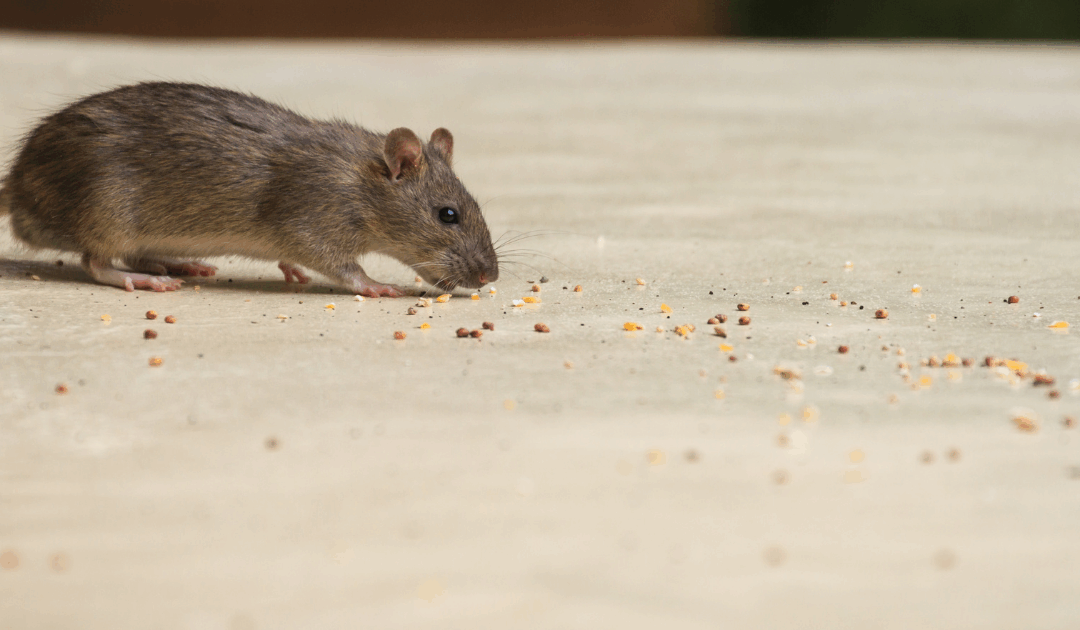
Rodents are among the most persistent winter pests. With outdoor food scarce and temperatures dropping, mice and rats seek warmth and reliable food indoors. They can squeeze through tiny cracks in foundations, siding, and rooflines.
(Risks Posed by Rodents)
Inside, rodents can gnaw on wiring, creating a fire hazard, and damage insulation or drywall for nesting. They also contaminate surfaces with droppings and urine, carrying diseases and bacteria that can affect your family’s health.
Cockroaches
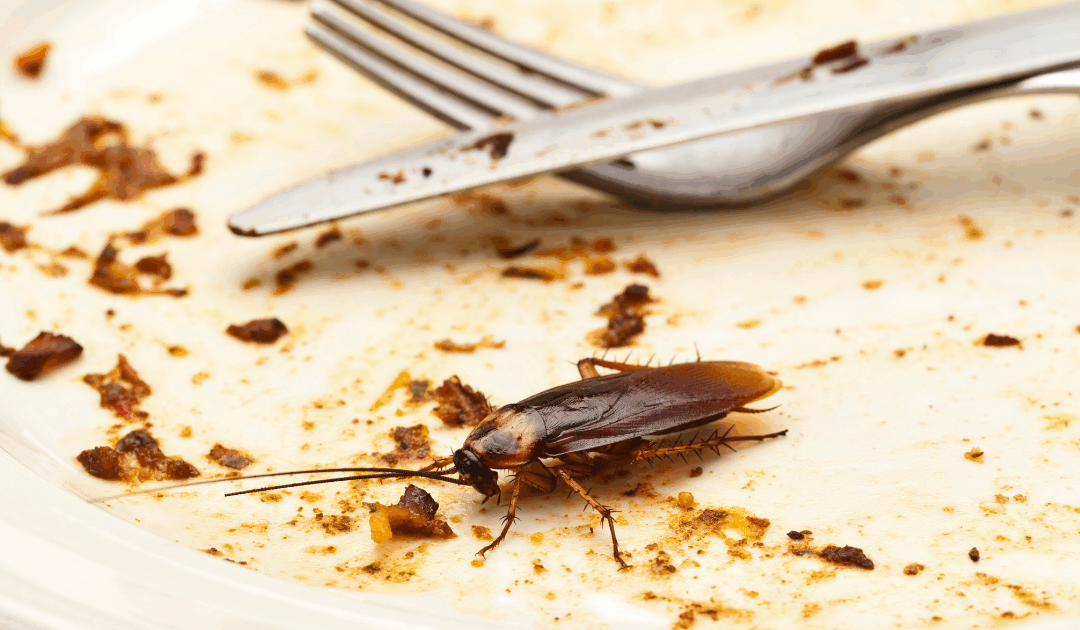
Some cockroach species, like the American cockroach, move indoors during winter to escape the cold. They prefer dark, moist areas such as kitchens, bathrooms, and basements.
(Health Concerns from Cockroaches)
Cockroaches spread pathogens from unsanitary areas to food preparation surfaces. Their droppings and shed skins contain allergens that can trigger asthma and allergic reactions, especially in children or those with respiratory sensitivities.
Spiders
Outdoor spiders often follow prey indoors as temperatures drop. You might notice webs in basements, attics, closets, or garages. Most house spiders are not dangerous, but their presence is usually unwelcome.
(Identifying Potential Issues)
A noticeable increase in spiders may indicate other pest activity, as spiders feed on insects like ants, flies, or crickets.
Proactive Prevention Strategies
Seal Your Home’s Exterior
Blocking entry points is the most effective way to prevent winter pests.
- Inspect and Seal: Check foundations, siding, and rooflines for cracks and holes. Seal gaps with caulk or steel wool.
- Doors and Windows: Add weather stripping to doors and ensure window screens are intact.
- Cover Openings: Install chimney caps and vent screens to keep pests out.
Eliminate Indoor Attractants
Make your home less appealing by removing food and moisture sources.
- Maintain Cleanliness: Store food in airtight containers, wipe spills promptly, and avoid leaving pet food out overnight.
- Control Moisture: Fix leaks and use dehumidifiers in damp spaces.
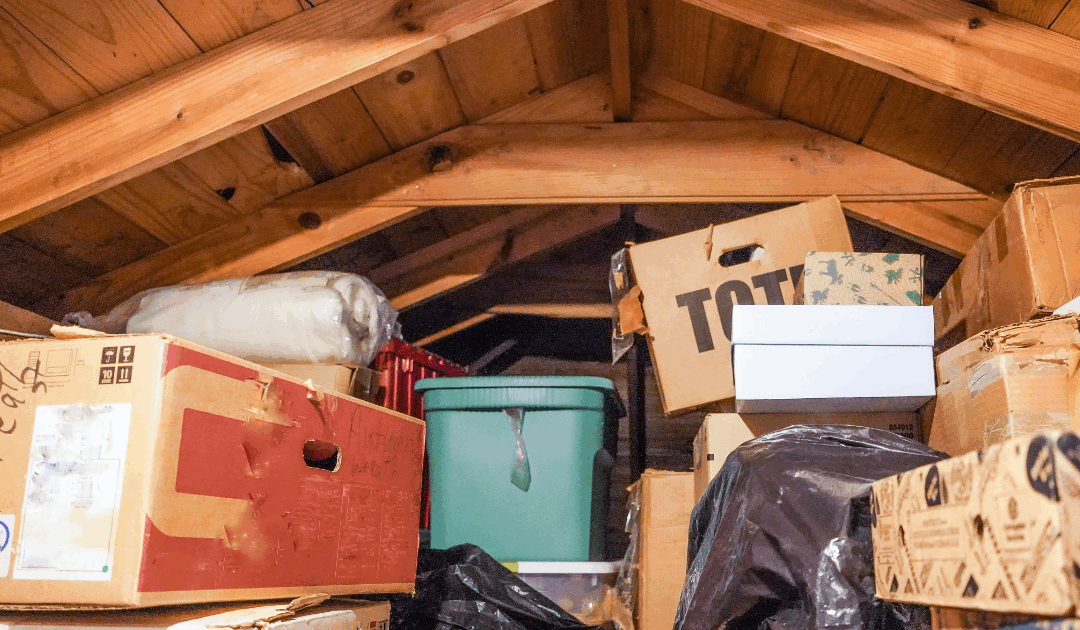
- Reduce Clutter: Declutter basements, closets, and garages to remove hiding spots.
Winter Pest Recap
Winter pests like rodents, cockroaches, and spiders look for warmth, food, and shelter inside homes. Preventive measures, including sealing entry points, reducing clutter, controlling moisture, and keeping a clean home, are the most effective ways to protect your property. If pests are already inside, a professional inspection ensures they are removed and the problem is addressed. Contact a certified pest control expert today to protect your Laurens home throughout the winter.

Oct 24, 2025 | Florida Pest Control
Finding cockroaches in your Naples home can be unsettling, often raising the question: do they bite? While the idea is alarming, it’s important to separate fact from fiction. Understanding the real risks helps you protect your household and take effective action. This guide clarifies the truth about cockroach bites, outlines actual health concerns, and offers practical prevention tips.
Do Cockroaches Actually Bite Humans?
The Reality of a Cockroach Bite
Yes, cockroaches can bite, but it’s extremely rare. They are not aggressive toward humans and only bite under extreme conditions, such as a severe infestation with scarce food. Bites may occur on fingernails, eyelashes, or calloused skin, usually while a person is sleeping.
Identifying a Potential Bite
A bite appears as a small, red, raised bump similar to a mosquito bite. It may become itchy or inflamed. Due to its generic appearance, it’s nearly impossible to confirm a cockroach bite without signs of a significant infestation.
The Real Health Risks of a Cockroach Infestation
Contamination and Disease Transmission
Cockroaches frequent unsanitary places like drains, sewers, and garbage, picking up bacteria and pathogens. As they crawl across food, counters, and utensils, they can transfer germs like Salmonella and E. coli, increasing the risk of illness.
Allergies and Asthma Triggers
Cockroach saliva, droppings, and shed skins contain proteins that become airborne allergens. Sensitive individuals, particularly children and the elderly, may experience allergic reactions, rashes, sinus infections, and asthma attacks. Infestations can significantly reduce indoor air quality.
How to Prevent Cockroaches in Your Naples Home
Eliminating Food and Water Sources
Make your home inhospitable to cockroaches with diligent sanitation.
- Wipe up crumbs and spills immediately and avoid leaving dirty dishes overnight.
- Store all food, including pet food, in airtight containers.
- Use trash cans with tight lids and remove garbage regularly.
- Repair leaky faucets and pipes to remove moisture sources.
Sealing Entry Points and Reducing Clutter
Prevent access and remove hiding spots.
- Seal cracks in walls, around pipes, and along baseboards.
- Check doors and windows for intact weather stripping and screen integrity.
- Declutter areas like cardboard boxes and stacked newspapers to reduce harborage.
Keeping Your Home Cockroach-Free
Sanitation, moisture control, and sealing potential entry points are your first defense. While bites are rare, contamination and allergens are real concerns. If you spot cockroach activity, it signals a problem that should be addressed promptly.
Call a certified pest control technician for a thorough inspection and a targeted treatment plan to protect your home and enjoy peace of mind this season.
Oct 23, 2025 | Green Commercial Pest Control
Keeping a medical facility pest-free is crucial for patient health and property protection. Pests can compromise sanitation, damage property, and pose health risks. For healthcare administrators in Atlanta, selecting a provider that prioritizes both effectiveness and environmental responsibility is key. Eco-friendly pest control offers a healthy, targeted solution that meets these needs.
The right provider will understand the unique challenges of medical environments and use strategies that are both compliant and low-impact. This guide explains what to look for to protect your facility, staff, and patients.
Why Eco-Friendly Pest Control is Essential for Healthcare
A Commitment to Patient and Staff Health
Medical facilities house vulnerable populations, making protection a top priority. Eco-friendly methods, like Integrated Pest Management (IPM), minimize chemicals and focus on prevention, monitoring, and targeted treatments to create a healthier indoor environment.
Adherence to Strict Regulatory Standards
Healthcare facilities are subject to inspections from bodies like the Joint Commission. Pest sightings can lead to failed inspections or citations. Providers using IPM maintain detailed records of services and pest activity, helping your facility demonstrate compliance during audits.
What to Look for in a Pest Control Provider
Expertise in Healthcare Environments
Select a provider experienced in medical facilities who understands sensitive areas like kitchens, patient rooms, and waste disposal sites. Technicians should work efficiently and discreetly, avoiding disruption to patient care.
A Clear Integrated Pest Management (IPM) Strategy
Ask providers to outline their IPM program. Key elements include:
- Inspection and Monitoring: Identify pests and conditions supporting them.
- Prevention and Exclusion: Seal entry points, control moisture, and improve sanitation.
- Targeted Treatments: Focused solutions for sensitive areas, using non-chemical methods when possible.
Proper Licensing, Insurance, and Training
Ensure the company and technicians hold the necessary Georgia licenses and insurance. Staff should be trained in both pest control and healthcare protocols, including HIPAA and infection control, ensuring reliable and secure service.
Protect Your Facility with Responsible Pest Control
Eco-friendly pest control safeguards patient care, regulatory compliance, and your facility’s reputation. Providers with healthcare expertise, a strong IPM plan, and thorough documentation provide the most effective, secure, and responsible solutions.
Don’t wait for pests to become a problem. Contact a certified commercial pest control expert today for a tailored consultation and a plan designed for your facility’s unique needs.
Oct 10, 2025 | Florida Pest Control
Florida’s fall gardening season is a rewarding time, offering a break from the summer heat. Mild temperatures also create ideal conditions for pests. Protecting your vegetable patches, flower beds, and ornamental plants is key to maintaining a healthy, productive garden. This guide highlights common fall garden pests and provides responsible strategies to keep them in check, ensuring your garden remains a vibrant oasis.
Common Fall Garden Pests in Florida
Caterpillars and Worms
Species like armyworms, loopers, and hornworms are active in the fall. They can defoliate plants, skeletonize leaves, and bore into fruits like tomatoes. Their camouflage makes early detection challenging, so frequent inspections are important.
Aphids and Whiteflies
These sap-sucking insects congregate on new growth or the undersides of leaves. They drain nutrients, causing yellowing leaves and stunted growth, and excrete honeydew, which can lead to sooty mold.
Stink Bugs and Leaf-Footed Bugs
Using piercing-sucking mouthparts, they feed on fruits, vegetables, and seeds. Feeding damage can cause discolored, sunken spots and reduce crop quality. Large populations can significantly impact yields.
Responsible Pest Management Strategies
Promote a Healthy Garden Environment
Strong, healthy plants resist pests better.
- Improve Soil Health: Add compost and organic matter for essential nutrients.
- Proper Watering: Water deeply at the base to avoid wet foliage.
- Select Resistant Varieties: Choose plant varieties resistant to local pests.
Implement Physical and Mechanical Controls
Hands-on methods are often the most effective first step.
- Regular Inspections: Check your garden daily for signs of pests.
- Handpicking: Remove larger pests like caterpillars and stink bugs.
- Use Barriers: Floating row covers protect seedlings from pests like whiteflies.
Encourage Beneficial Insects
“Good bugs” like ladybugs, lacewings, and parasitic wasps prey on garden pests. Plant herbs like dill, fennel, and cilantro to attract these natural allies.
Keeping Your Fall Garden Healthy
Vigilance, prevention, and creating a balanced ecosystem are the best ways to protect your garden this fall. Focus on soil health, physical barriers, and beneficial insects to reduce pest pressure naturally.
If fall garden pests become persistent despite your efforts, a professional can assess your garden, identify the problem, and provide a tailored management plan. Keep your plants thriving and bug-free by contacting a certified pest control expert today.
Oct 3, 2025 | Florida Pest Control
As fall arrives in Bonita Springs, many homeowners prepare for cooler, drier months. While the change in weather is welcome, it also means pests begin seeking shelter. Your attic, with its warmth and seclusion, is a prime spot for unwanted guests. Addressing these attic pests quickly helps prevent costly damage and keeps your home healthy.
Common Attic Pests in Bonita Springs
Rodents (Rats and Mice)
Roof rats are especially common in this region. They can squeeze through small openings along the roofline and cause serious damage by gnawing wires, creating fire hazards, and shredding insulation.
Squirrels
Squirrels often chew through eaves, fascia boards, and vents to get inside. Their presence is usually noisy, with scratching and scurrying sounds in the morning and evening. They also damage insulation and leave droppings behind.
Raccoons
Raccoons are larger and more forceful intruders. They may tear through shingles or vents to create entry points, especially when looking for a dry place to nest. They can cause significant structural damage and may carry diseases that put people and pets at risk.
Signs of an Infestation in Your Attic
Strange Noises
Scratching, scurrying, gnawing, or chirping noises are early signs of attic activity. These sounds are often heard at night or in the early morning.
Droppings and Urine Stains
Animal droppings are a clear indicator of pests. Urine stains may also appear on ceilings or walls if the issue is severe.
Nests and Damaged Materials
Shredded insulation, chewed wires, or torn ductwork are all signs of nesting pests. Debris like leaves or twigs inside the attic may also point to an active infestation.
Effective Removal and Prevention Strategies
Seal Entry Points
Inspect the exterior of your home and seal cracks, gaps, and holes in the roof, soffits, and foundation. Install mesh screening over vents and a chimney cap to block wildlife.
Trim Vegetation and Remove Attractants
Tree limbs touching the roof provide an easy path for pests. Trim branches several feet back, secure outdoor trash cans, and avoid leaving pet food outside.
Keeping Your Attic Peaceful This Fall
The best way to keep your attic pest-free is to know what signs to look for, seal off entry points, and make your home less inviting to wildlife. By staying a step ahead, you can avoid the damage and mess that attic pests often leave behind.
If you do notice noises, droppings, or damage, it is always a good idea to have an expert take a closer look. Call today to schedule a pest control inspection and make sure your attic is ready for the season ahead. Contact Northwest today for a free pest control quote!