Sep 18, 2025 | Bed Bug
Waking up with mysterious bites? Finding tiny brown spots on your sheets? If you’re scratching your head (literally), wondering how bed bugs found their way into your Murfreesboro home, you’re not alone. These sneaky little hitchhikers are masters at finding new places to call home, and unfortunately, your cozy Tennessee house might’ve just made their list. Don’t panic though! Understanding how these pests arrive is your first step toward getting rid of them for good. Let’s explore the most common ways bed bugs enter Murfreesboro homes and what you can do to prevent future bed bug infestations.
The Great Bed Bug Mystery: How They Really Get In
Contrary to popular belief, bed bugs aren’t a sign of poor housekeeping. These crafty creatures can infest even the cleanest homes because they’re excellent at finding rides. Think of them as the ultimate freeloaders of the pest world.
Travel Is Their Favorite Transportation Method
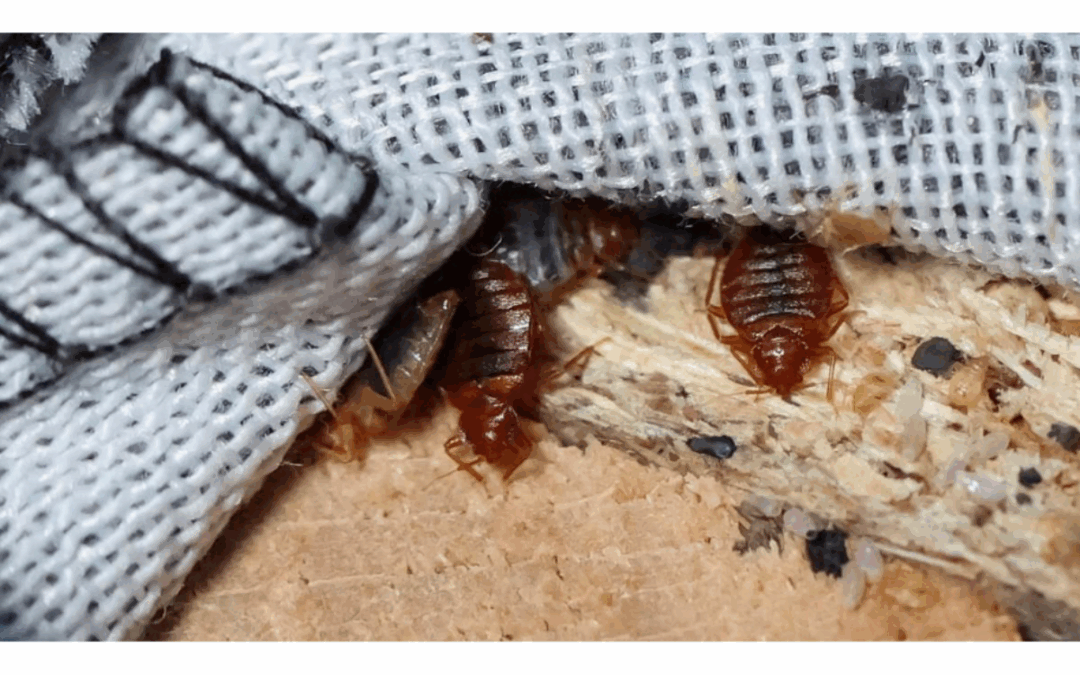
Did you take a vacation recently? Stay in a hotel or rental property? Bed bugs love to stow away in luggage, backpacks, and even the clothes you’re wearing. They’re particularly common in hotels, where they can easily move from room to room through luggage and belongings. Common hiding spots include mattresses, headboards, and in and around bedside tables.
Here’s the thing about traveling to and from Murfreesboro: whether you’re visiting Nashville for a weekend getaway or heading out on business, you might be bringing more than memories home with you.
Secondhand Finds Can Bring Unwanted Guests
Love hunting for treasures at thrift stores, garage sales, or online marketplaces? That vintage dresser or “like new” mattress might come with some unwanted extras. Bed bugs can hide in the tiniest crevices of furniture, making secondhand purchases a common source of bed bug infestations.
Your Neighbors Might Be Sharing More Than Sugar
In apartments, condos, or closely situated homes, bed bugs can actually walk from one unit to another through wall voids, electrical outlets, and shared spaces. If your neighbors are dealing with an infestation, you might be next on the guest list.
Prevention Tips That Actually Work
Ready to become a bed bug prevention pro? Here’s how to keep these unwelcome visitors from making themselves at home in your Murfreesboro house.
Travel Smart, Travel Bug-Free
Before settling into any hotel room or rental property, do a quick inspection:
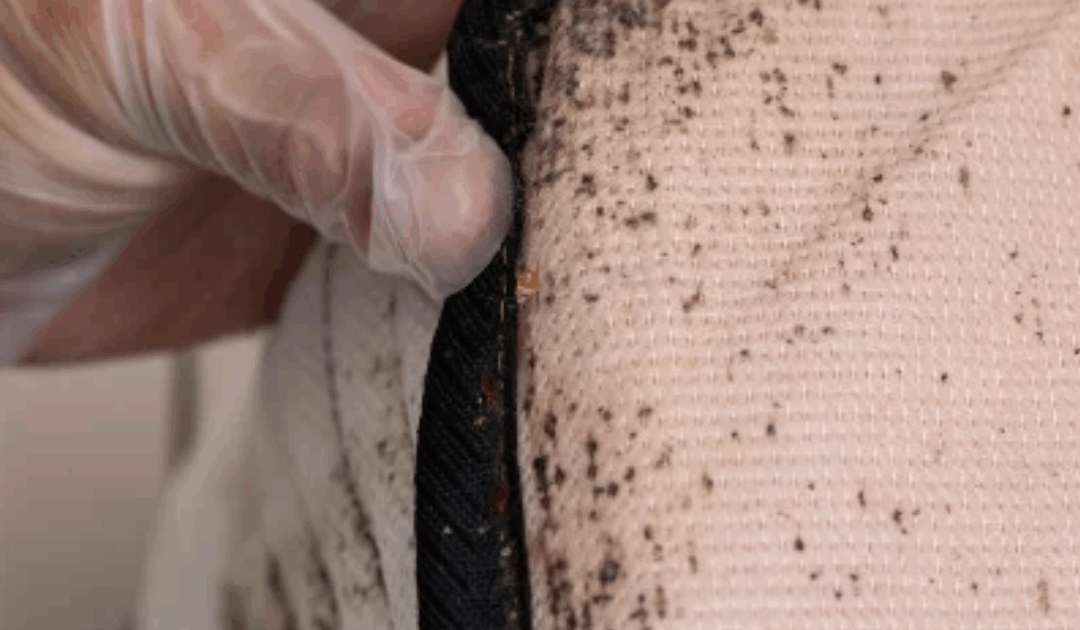
- Pull back the sheets and check the mattress seams for dark spots or stains
- Look for tiny blood spots on pillowcases
- Check upholstered chairs and curtains near the bed
- Keep your luggage in the bathroom while you inspect (bed bugs hate hard surfaces)
When you get home, wash all your clothes in hot water immediately, even if you don’t wear them. Store your suitcase in the garage or basement until you can thoroughly inspect it.
Shop Secondhand Safely
That antique nightstand calling your name? Here’s how to bring it home without hitchhikers:
- Inspect every crack and crevice before purchasing
- Look for dark spots, shed skins, or sweet musty odors
- Consider quarantining items in your garage before bringing them inside
Create a Fortress Around Your Home
While you can’t control what your neighbors do, you can make your home less appealing:
- Seal cracks around baseboards and electrical outlets
- Use mattress and box spring encasements as protective barriers
- Reduce clutter, especially around sleeping areas
- Vacuum regularly, paying special attention to seams and crevices
Eco-Friendly Solutions for Murfreesboro Homeowners
If bed bugs have already moved in, don’t despair. You’ve got options that won’t harm your family or Tennessee’s beautiful environment.
Steam Cleaning Power
A quality steam cleaner can kill bed bugs and their eggs on contact. Focus on mattress seams, furniture crevices, and carpet edges where these pests like to hide.
Natural Deterrents
While not eliminating methods, essential oils like tea tree, lavender, and peppermint can help repel bed bugs. Mix with water and spray bed frames and furniture.
When to Call Murfreesboro Bed Bug Professionals
Sometimes DIY just isn’t enough, and that’s perfectly okay. Consider professional help if you’re seeing:
- Multiple bites appearing regularly
- Live bugs during daylight hours
- Dark stains or spots on mattresses
- Sweet, musty odors in bedrooms
Professional Murfreesboro bed bug control experts understand local conditions and can implement targeted treatments that work specifically for Tennessee homes.
Don’t Let Bed Bugs Win
If bed bugs continue to be a problem despite your efforts, it’s wise to consult a pest control professional who can provide targeted treatments for bed bug infestations and help restore comfort to your Murfreesboro home quickly and effectively.

Sep 12, 2025 | Florida Pest Control
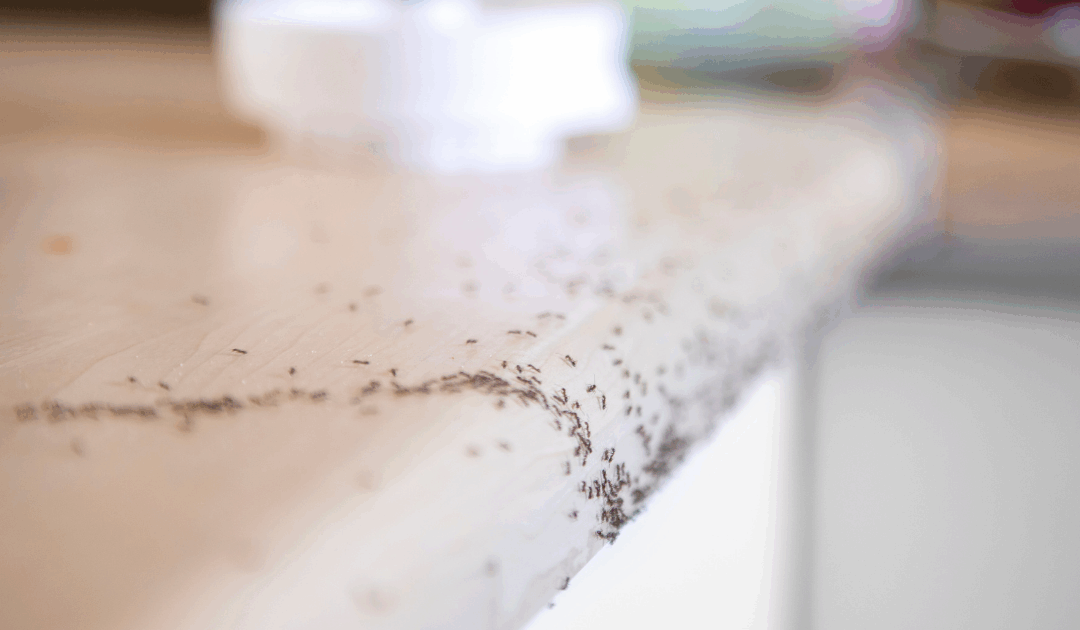
Fort Myers residents know the frustration well. You clean your kitchen, and within hours, a steady line of ants appears across the counters. Florida’s year-round warmth and humidity create ideal conditions for ant colonies to thrive, making prevention and control a regular part of maintaining a comfortable home. The good news is that lasting ant control is possible with proven strategies that protect both your family and the natural environment of Southwest Florida. Here’s how to tackle these persistent pests while keeping the area’s delicate ecosystem in mind.
Ant Control in Fort Myers
Understanding Fort Myers’ Ant Population
Southwest Florida’s subtropical climate supports several ant species that frequently invade homes. Ghost ants, with their translucent legs and bodies, often appear in kitchens and bathrooms in search of moisture and food. Fire ants build aggressive colonies in yards and deliver painful stings, while carpenter ants can damage wood structures as they tunnel to build nests.
Pharaoh ants present a unique challenge because they create multiple colonies and require specialized management. These tiny yellow ants can contaminate food and spread bacteria, making prompt action important for protecting health.
Each species behaves differently, so understanding their habits is key to choosing the right control methods.
Why Traditional Ant Control Methods Often Fall Short
Over-the-counter sprays may kill visible ants but rarely address the colony itself. Without eliminating the source, infestations often return. This cycle leads to repeated treatments that can affect beneficial insects, pollinators, and water quality in sensitive coastal areas.
Effective ant management requires a comprehensive approach that targets colonies, prevents new infestations, and protects the environment.
Natural Prevention Strategies That Work
Eliminate Entry Points
Inspect your home for cracks, gaps, and openings that ants could use to get inside. Common trouble spots include windows, doors, and utility penetrations. Seal gaps with weatherproof caulk, repair screens, and install door sweeps to block access.
Pay extra attention to moisture-prone areas. Afternoon storms in Fort Myers can create damp conditions that attract ants, so sealing these areas also supports moisture control.
Maintain Strategic Cleanliness
Reduce attractants by cleaning surfaces promptly after food preparation, especially behind appliances where crumbs and spills can go unnoticed. Store all food, including pet food, in sealed containers.
Empty trash bins regularly and ensure lids fit tightly. Wiping down surfaces with vinegar can erase the scent trails ants use to navigate, making your home less inviting.
Manage Moisture Levels
Proper ventilation and dehumidification help reduce indoor humidity. Address plumbing leaks promptly and check under sinks, around water heaters, and near outdoor faucets for moisture buildup.
Outside, improve drainage and keep gutters clear to prevent water pooling around the foundation.
Effective Natural Deterrents
Essential Oils
Peppermint oil is a well-known ant deterrent. Mix 10–15 drops with water in a spray bottle and apply to baseboards, entry points, and areas where ants are active. Tea tree and lemon oils offer additional protection and a pleasant scent.
Food-Grade Options
Diatomaceous earth damages the exoskeletons of crawling insects and works well when applied along trails and near entry points. Cinnamon powder can create a barrier ants will avoid, and ground coffee can deter several species while adding a subtle aroma.
Landscape Adjustments
Plant ant-repelling species such as mint, tansy, or pennyroyal along the perimeter of your home. Trim vegetation so it does not touch exterior walls, as plants can act as bridges for ants to enter.
Maintaining Long-Term Success
Ant control is most effective when prevention, sanitation, moisture management, and monitoring work together. Seasonal inspections help identify and address vulnerabilities early.
Keeping a record of what works on your property allows you to refine your approach over time. With consistent attention, these strategies help create an environment where ants are far less likely to take up residence, protecting both your home and Fort Myers’ coastal ecosystem. Contact local pest control professionals for a free ant control quote today!
Sep 5, 2025 | Florida Pest Control
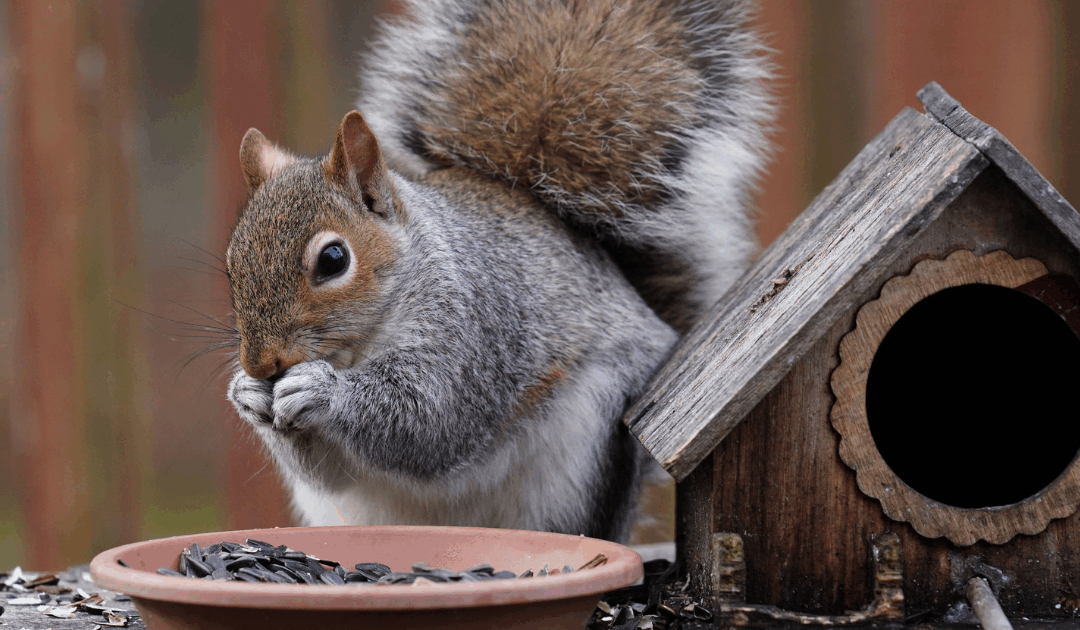
Broward County’s year-round warmth and lush vegetation make it a haven for squirrels. While they can be entertaining in parks, these agile climbers are less welcome when they invade attics, damage gardens, or chew through home structures. By understanding squirrel behavior and using strategies tailored to South Florida, homeowners can protect their property while maintaining balance with the local environment.
Understanding Broward County’s Squirrel Population
South Florida is home to several squirrel species, with gray squirrels and fox squirrels most common around residential areas. They use power lines, fences, and trees as travel routes and often seek shelter in attics, sheds, or crawl spaces.
Because Broward’s climate keeps squirrels active all year, the risk of property damage, noise, and potential health concerns is ongoing. Females typically have two litters a year—late winter and mid-summer—making these peak times for activity.
Signs of Squirrel Problems in Your Home
Early detection helps prevent costly repairs. Common signs include scratching or scampering in attics, especially at dawn or dusk, chewed roof edges or soffits, damaged screens, and gnaw marks on wood or wires. Outdoors, you may notice disturbed bird feeders, dug-up flower beds, or plants stripped of fruit and vegetables.
Natural Prevention Strategies
Habitat Modification
Remove attractants that encourage squirrels to linger. Trim branches at least six feet from the roof, clear fallen fruit and nuts promptly, and relocate or squirrel-proof bird feeders.
Physical Exclusion Methods
Cover vents, chimneys, and other openings with hardware cloth or metal screening, using mesh smaller than one inch. Seal gaps with caulk, foam, or metal patches, and reinforce vulnerable roof edges with flashing.
Eco-Friendly Deterrent Solutions
Natural Repellent Applications
Sprinkle cayenne pepper or hot sauce around problem areas, or place cotton balls soaked in peppermint, eucalyptus, or citrus oil near entry points. Predator scents, like fox or coyote urine, can also discourage squirrels.
Strategic Garden Protection
Use lightweight row covers, plant squirrel-resistant flowers like marigolds and alliums, or create decoy feeding spots away from your home and garden.
Attic and Roof Protection
Inspection and Monitoring
Check attics and roofs regularly for signs of damage or nesting materials. Pay special attention after storms, which can create new entry points. Motion-activated cameras can help track activity patterns.
Professional-Grade Solutions
Install chimney caps, vent guards, and tree banding to block climbing routes. These measures reduce access without harming wildlife.
Safe and Humane Management Practices
Live Trapping Considerations
If removal is necessary, use humane live traps with appropriate bait, following Broward County regulations on relocation. Complex situations may require trained wildlife experts who understand local squirrel behavior.
Long-Term Population Management
Encourage natural predators, and coordinate with neighbors for community-wide prevention efforts. Consistent approaches reduce squirrel pressure across the area.
Maintaining Long-Term Success
Broward squirrel control works best with ongoing attention—seasonal inspections, refreshed deterrents, and regular maintenance of exclusion methods. By combining habitat changes, physical barriers, and humane deterrents, you can keep squirrels from becoming long-term houseguests while still protecting the wildlife that makes South Florida unique. For stubborn or recurring issues, experienced pest control professionals can help ensure your home stays squirrel-free. Contact pest control near you for a free quote!
Aug 27, 2025 | Florida Pest Control
Florida summers mean sunny beaches and family fun—but also an increase in bed bug activity. The warmer months bring ideal conditions for these pests to reproduce and spread, especially with more people traveling. Knowing why summer is peak bed bug season and how to prevent them can help protect your home.
Bed Bug Season in Florida
Why Summer Is Peak Season for Bed Bugs in Florida
Bed bugs thrive in Florida’s summer climate. Here’s why they become more active:
- Warm Temperatures
Summer heat speeds up bed bug reproduction. A female can lay hundreds of eggs, and warm temps help them hatch and mature faster.
- Increased Travel
Tourists and locals alike travel more in summer, which increases the risk of spreading bed bugs through luggage and clothing.
- High Humidity
Bed bugs prefer humid environments, and Florida’s moisture-rich air helps them survive longer indoors.
Why Bed Bugs Are More Than Just a Nuisance
Bed bug infestations can lead to a range of issues beyond the annoyance of bites:
- Health Irritations
Bites can cause red welts, itching, and in some cases, allergic reactions. Even without disease transmission, they can disrupt sleep and comfort.
- Financial Strain
Eradication can be costly. Treatment, mattress replacement, and missed work add up quickly.
- Emotional Stress
Living with bed bugs can lead to anxiety and insomnia. Infestations can be persistent and emotionally draining.
How to Prevent and Manage Bed Bugs This Summer
Protect your home with these practical, eco-friendly tips:
1. Inspect and Clean Regularly
- Focus on high-risk areas: Mattress seams, headboards, and furniture crevices.
- Launder items on high heat: Wash and dry bedding, curtains, and clothes on the hottest safe settings.
2. Be Cautious While Traveling
- Check hotel rooms and rentals: Look for small stains, dark spots, or shed skins around mattresses and upholstery.
- Keep bags off beds and floors: Use counters or tables instead, and consider protective covers for extra peace of mind.
3. Declutter Sleeping Spaces
- Bed bugs love hiding in clutter. Keeping spaces tidy and organized makes it harder for them to spread unnoticed.
4. Seal Entry Points in Shared Buildings
- Seal cracks, baseboards, and shared walls in apartments or multi-unit housing to block travel between units.
5. Use Natural Deterrents
- Try lavender, tea tree, or peppermint oil sprays around sleeping areas. While not a cure-all, they may discourage bugs and freshen your space.
6. Install Mattress Encasements
- Use bed bug-proof covers on your mattress and box spring to trap pests and prevent infestation.
7. Monitor with Interceptor Traps
- Place bed bug traps under bed legs to catch early activity before it becomes a full-blown problem.
8. Call in the Experts
- If you suspect or confirm an infestation, contact your local pest control professionals. They have the tools and training to safely and effectively eliminate bed bugs.
Bed bugs may be more active in summer, but that doesn’t mean you have to suffer. Regular inspections, clean travel habits, and protective bed bug control measures can make your home less inviting to these pests.
Stay informed, stay alert, and enjoy your Florida summer without the unwanted guests.
Aug 25, 2025 | Commercial
For commercial property owners, pest control often gets overlooked—until it’s too late. What seems like a minor issue can quickly escalate into costly property damage, tenant loss, and operational disruption. This case study highlights what happens when pest prevention is ignored and why working with a commercial exterminator is a smart, long-term investment.
Commercial Exterminator: Benefits For the Long Term
A Commercial Property’s Pest Problem
The Scenario:
An office complex in a busy metro district houses 15 tenants, including law firms, tech startups, and marketing agencies. To cut operating costs, the property manager skips regular pest control services.
With no immediate signs of infestation, they assume everything is under control. But behind the scenes, unsealed cracks, food waste in the breakroom, and humid ductwork attract ants, cockroaches, and eventually, rodents. Within months, the situation spirals.
Consequences of Neglecting Pest Control
1. Financial Losses
Ignoring pest management leads to significant costs:
- Structural Damage: Rodents chew wiring and insulation. Ants damage drywall. Repairs cost $30,000 in six months.
- Compliance Issues: An employee files a health hazard complaint. The company receives a $5,000 fine.
- Lost Rent: Two tenants break their leases early. Replacing them takes time, costing $50,000 in lost income.
Preventive pest services would have cost a fraction of these losses.
2. Reputational Damage
- Tenant Complaints: Online reviews describe poor hygiene and pest sightings. Potential tenants look elsewhere.
- Negative Perception: Local businesses and customers associate the complex with poor management and unsanitary conditions.
Even after repairs, it’s difficult to rebuild credibility. Reputation damage lingers long after pests are gone.
3. Operational Disruption
- Closures: Health code violations shut down common areas temporarily, including kitchens and conference rooms.
- Lower Productivity: Employee discomfort reduces focus and morale, especially in affected offices.
Tenants grow frustrated. Businesses consider relocating, and occupancy dips below target levels.
The Value of Proactive Pest Control
Professional pest control is not a reactive fix—it’s a preventative strategy. Here’s how it protects your property and bottom line:
1. Early Detection
Routine inspections catch early signs of infestation—like droppings, chew marks, or moisture issues—before they become problems.
2. Customized Solutions
No two properties are alike. Commercial exterminators develop treatment plans tailored to your structure, industry, and tenant needs—whether that means sealing entry points, installing traps, or applying low-impact treatments.
3. Health Code Compliance
Pest control pros help you stay aligned with local codes and standards, reducing the risk of penalties, shutdowns, and lawsuits.
4. Eco-Conscious Treatments
Today’s commercial pest services prioritize environmentally responsible methods—biodegradable repellents, targeted treatments, and strategies that minimize disruption to tenants and surrounding businesses.
Invest in Prevention, Not Damage Control
The cost of ignoring pests adds up fast—from repairs and lost revenue to tenant dissatisfaction and negative reviews. Regular pest control protects your investment, enhances tenant retention, and supports uninterrupted operations.
Ready to Protect Your Commercial Property?
If you’re a property manager, building owner, or commercial landlord, don’t wait for signs of trouble. Partner with a pest control company that specializes in commercial properties and preventative care.