Jan 8, 2021 | Pest Control
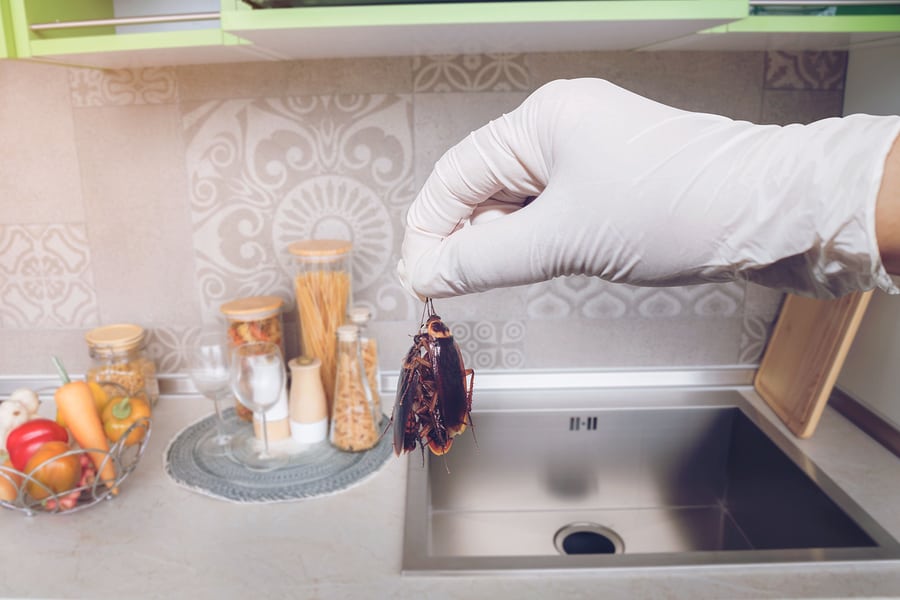
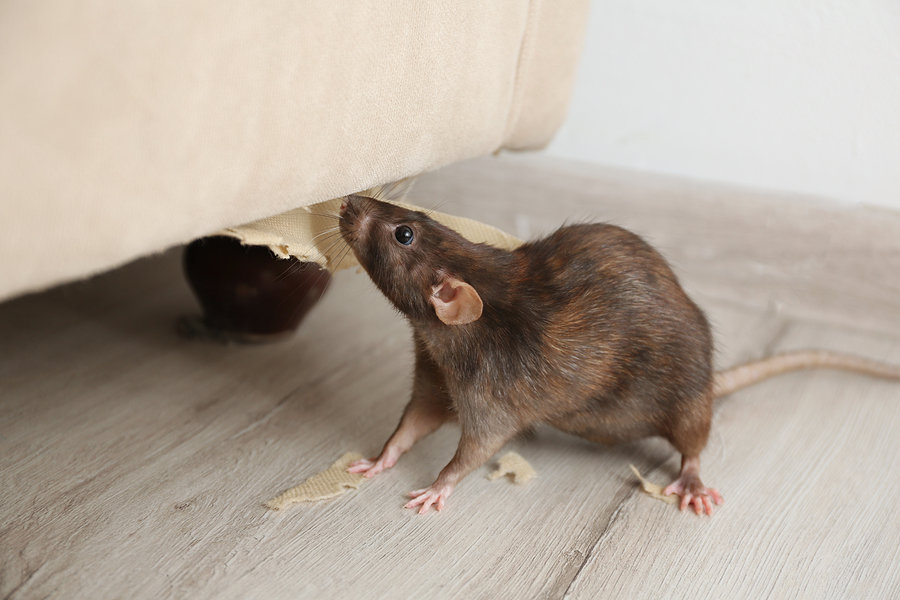
Pest control starts at home. By establishing a good line of defense on the home front, you’re less likely to need to mount an offense against those pesky pest invaders. Prevention is key to keeping a small pest problem from becoming a full fledged pest invasion. Here is our guide to home pest control:
Step 1: Maintain Your Landscaping
The fewer pests you have outside your home means less of a chance they will make their way inside your home. Make your yard less hospitable for pests to reduce the likelihood they will move indoors. Keep tree branches and shrubbery trimmed back so they don’t touch your house. This helps eliminate “bridges” they can use to get inside. Mulch is also excellent for sheltering unwanted pests. Consider using a cover that is less attractive like rock. Clean out leaves and other debris from gutters or install gutter guards to help prevent standing water.
Step 2: Inspect the Outside
The best way to keep pests out is to find out how they can get in and eliminate these points of entry. Routinely inspect the entire exterior of your home for gaps, cracks, and crevices. Check foundations, loose siding, missing shingles, and gaps around utility lines (especially pipes, wiring, and cable). Seal any openings you find with either copper mesh, steel wool, sheet metal or mortar. Try not to use expanding caulk because some pests can still chew through this (think rodents!). Keep an eye out for signs of termites including mud tubes, damaged wood, or cracked and bubbling paint. Repair fascia and rotted roof shingles. Replace weather stripping and make sure to repair loose mortar. Use screens on windows, attic vents, and chimney openings.
Step 3: Choose the Right Lightbulbs
Bugs tend to be more attracted to standard mercury vapor lightbulbs. Consider replacing your standard lightbulbs with high pressure sodium vapor or halogen bulbs instead. What the bulbs are made of aren’t the only thing you should consider. Check the color of the lightbulbs, as well. Bulbs with pink, yellow, and orange tints are less attractive to pests.
Step 4: Take Out the Garbage
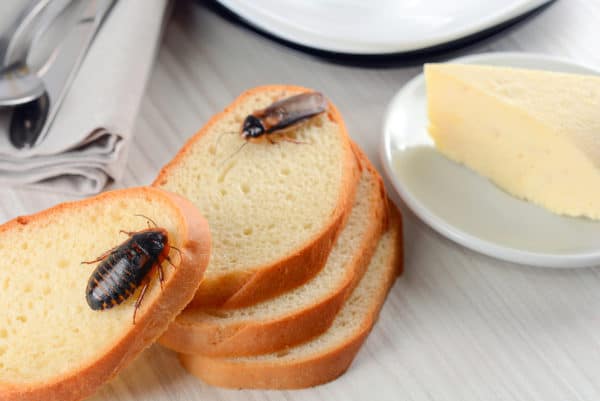
Garbage attracts pests like rodents, roaches, and even ants. These pests are also attracted to yard waste which can provide them with both a source of food and a nesting site. Use garbage and recycling cans with tight-fitting lids. Make sure to clean both the garbage cans and the area where they sit on a regular basis. Clean up any spills and leftover debris that these pests can feed on. Keep your deck, patio, garage, and yard clear of leaf litter, clippings, and standing water. Rinse all the food off anything you are recycling before putting them in the bin. Store your cans outside whenever possible.
Step 5: Check the Interior
Inspections shouldn’t be limited to outside the home. The interior needs to be inspected regularly, as well. While inspecting, make sure to look under, inside, and behind cabinets, the refrigerator, and the stove for signs of household pests. Look for gaps around pipes, vents, and cables and in the trim. If you find any gaps, seal them up, especially if they are 1/4″ in size or bigger. Check for moisture under sinks and repair leaky pipes, Use a dehumidifier in crawlspaces, attics, and basements.
Step 6: Empty the Drains
Drains in the sink, tub, shower, and floor can hold moisture and accumulate debris and gunk. This not only attracts pests but also provides them with the ideal environment to breed in. Inspect and clean all your drains on a regular basis, including those in the laundry room and basement.
Step 7: Establish a Cleaning Routine
Establishing a regular cleaning routine helps keep your home clean, making it less attractive to pests. Keep food stored in containers with tight fitting lids or resealable bags. Never leave open food out overnight. Keep the pantry cleaned out regularly to get rid of spoiled food and other items. These steps will help eliminate pantry pests. Wipe down countertops daily and keep ripe fruit in the fridge. Wash dishes or load the dishwasher nightly and don’t leave dirty dishes in the sink overnight. Sweep, vacuum, and mop on a regular basis, as well. This not only disturbs the areas that pests may frequent but also helps eliminate crumbs and debris that can serve as a food source.
Step 8: Remember Your Pets
Pets aren’t immune to pest problems. Not only can pests hitch a ride inside on your pets, but their food and water also serve as attractants. Keep your pet’s food and water bowls clean and clean up any spilled food and water immediately. Launder your pet’s bedding in hot water every week. Store pet food in a sealable container. Per your vet’s recommendations, use appropriate flea and tick prevention as needed.
A small pest problem can escalate quickly; but with this handy guide to home pest control, you can take the necessary steps to prevent a pest infestation. If your pest problem has gotten out of control or you want a little extra help from a pro, contact a professional pest control company for a complete inspection and treatment plan.
You May Also Be Interested In:
A New Year’s Resolution: Keeping Pest-Free!
Holiday Home Savings!
5 Holiday Pest Control Tips
Winter Essentials
9 Energy Saving Tips For Winter

Nov 11, 2020 | Pest Control
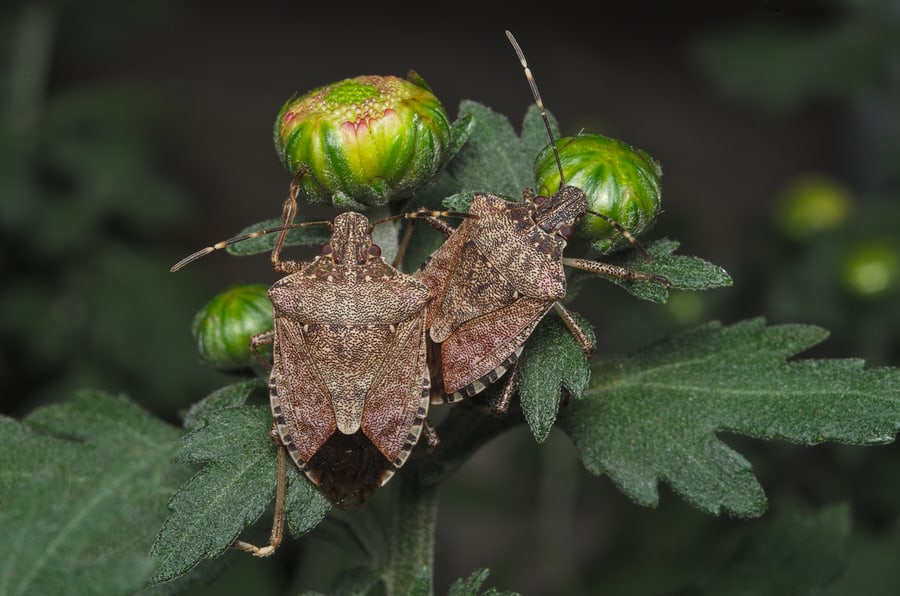
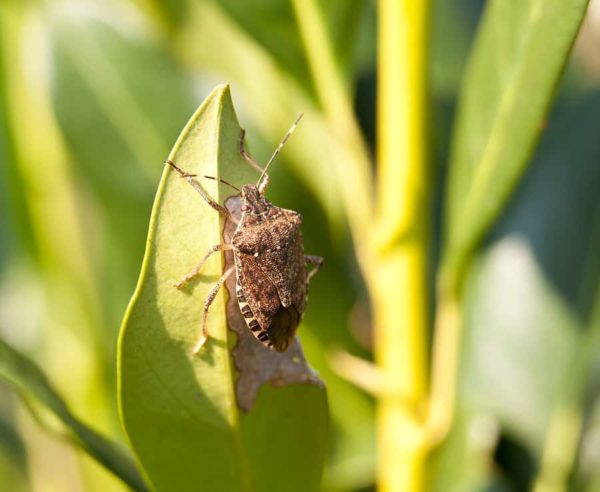
Noticing small, greenish-brown bugs congregating throughout the cracks of your home’s foundation or even inside your house? While many might identify these insects as stinkbugs, they might actually kudzu bugs! Kudzu bugs and brown marmorated stinkbugs are often confused with each other. While these pests do have some similarities, they are quite different from each other. Let’s breakdown how these insects are both alike and different!
How They’re Alike
Kudzu Bug
Both stinkbugs and kudzu bugs are known to be a nuisance to all homeowners. Both are highly attracted to warmth and will enter homes to find a warm place to gather. When disturbed, both species will emit an alarming chemical defense against predators. When crushed, they release a very unpleasant odor from their bodies. Even worse, if several of these insects are crushed together, the smell left behind is extremely powerful.
How They’re Different
Stinkbug
A stinkbug’s shield-like body is around 1/2″ long and 1/2″ wide with shades of brown across its entire body. Their body size is a bit larger than a kudzu bug, with the kudzu’s measuring only 4 to 6 millimeters long. Kudzu bug bodies are olive green and brown, with a flat, squarish body shape.
Stinkbugs will typically feed off ornamental plants, fruit trees, legumes, and vegetables. The kudzu bug prefers to eat kudzu vines but will occasionally eat soybeans and most any other type of beans. While both stinkbugs and kudzu bugs utilize different types of food sources, both will destroy crops, making both species agricultural pests.
How to Prevent Them
If you notice either of these pests infesting your home, try some of these pest prevention tips below:
- Seal cracks around windows, doors, siding, and outlets that are leading inside.
- Properly ventilate basements, attics, garages, and crawlspaces to eliminate harborage points.
- Install screens over chimney and crawlspace vents.
- Consider calling your local pest control company to inspect, identify areas of entry, and provide you with a treatment plan!
Jun 24, 2020 | Pest Control
Summertime for most families means more time outdoors: exploring local parks, hiking mountains, kayaking down rivers, or simply lounging in your backyard. While these activities are fun for everyone, you can expose yourself to pests that like to bite. Fleas, ticks, and chiggers can be considered small, annoying, and hard to spot! Let’s break down the difference between all three of these parasites and some tips on bite prevention.
Fleas
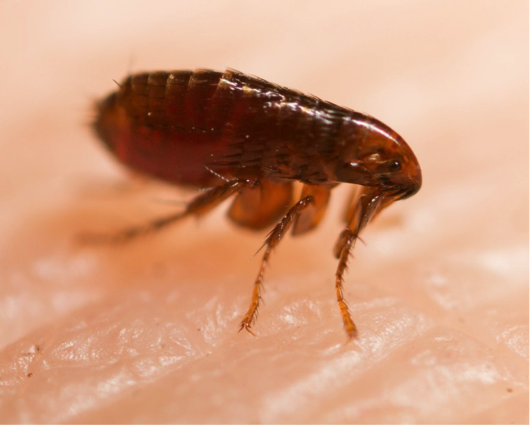
Small and wingless, fleas are dark reddish-brown in color and are only 1/8 of an inch long. Fleas can be found in almost any environment, but they are most active in warm, humid temperatures. While these pests feed on warm-blooded bodies, including humans, they do prefer to dine on hairy animals such as dogs, cats, rats, opossums, and more. Fleas are extremely hard to spot since they move so fast to a warm-blooded body.
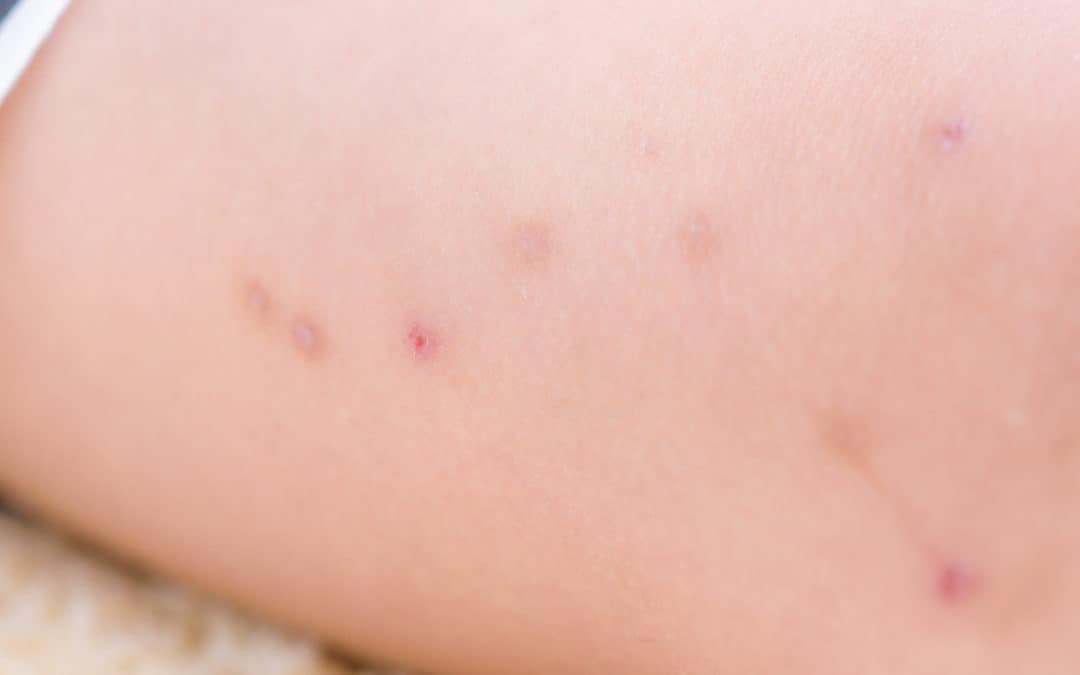
Fleas can jump up to 8 inches high and 13 inches horizontally. This means that they can jump 150 times their own height, making finding a host to feed on very easy. Flea bites can be small, red, itchy spots on the skin. If the spot is scratched or irritated, it can begin to bleed.
Ticks
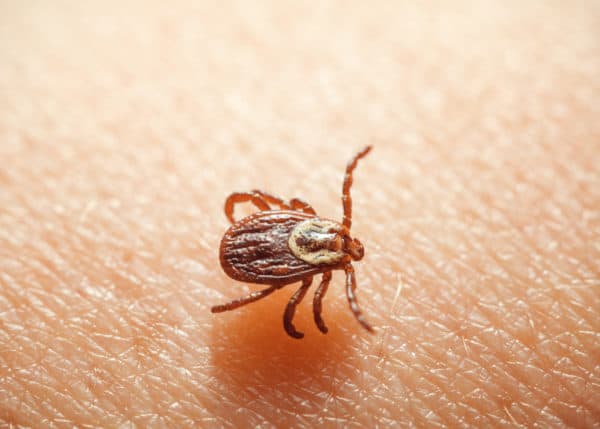
Ticks are orange-brown with dark legs and have a flat oval shape for a body. At a length of 1/8 of an inch, adult ticks actually have 8 legs and two body segments, making them an arachnid and not an insect. Ticks live in low-lying areas such as grass, shrubs, and bushes. These pests need blood to survive and will therefore feed on humans, squirrels, raccoons, birds, dogs, and more.
When ticks bite their host, it can cause irritation, an allergic reaction, and mouth parts can even remain in the host’s skin. Ticks are considered dangerous as they are known to transfer Lyme disease, anaplasmosis, and babesiosis.
Chiggers
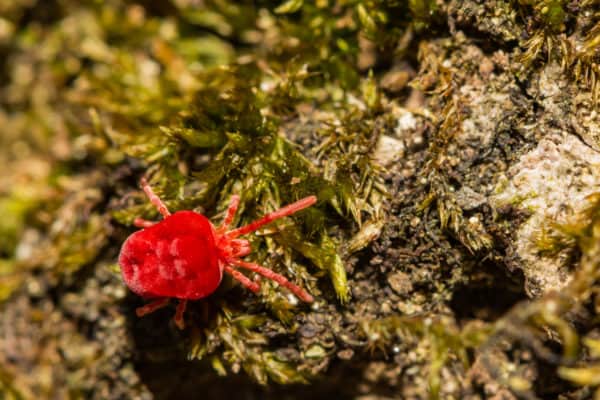
Sometimes referred to as mites or red bugs, chiggers are extremely small and difficult to spot. Red, orange, yellow or straw-colored, these arachnids are no more than .3 millimeters long. Chiggers can be found in areas of wood and grass, near lakes, ponds, streams, and rivers.
While they don’t pose a serious health risk, they can leave behind an uncomfortable rash after a bite that you’ll want to scratch. Chigger bites are most common in the late spring, summer, and early fall.
It’s important to take precautions if you know you and your family will be in areas where fleas, ticks, and chiggers are present. Here are some things you can do to prevent bites from these pests:
- Use bug repellent that contains DEET
- When in wooded areas or tall grass, wear long pants, long sleeves, and closed toed shoes
- Treat your pets with repellent products to reduce their risk of getting bitten.
- If you notice these pests are infesting your yard or are inside your home, its best to call your local pest control company who can provide the best plan of action for prevention.
Jan 15, 2020 | Pest Control
We know pests try to make their way into our homes, but when we see one outside of the comfort of our home we often feel a loss of control or panic. We hold businesses, hospitals, and food establishments to a higher standard due to the nature of their industries.
Because of the work they do for their customers and their communities, it is even more important for these industries to have a good, ongoing relationship with a local pest control company to ensure guests and customers feel comfortable and pest-free.
Food Service
With the ever-changing food regulations designed to keep patrons safe, it is important to have a tight-knit partnership with a licensed pest control professional. Pest infestations can lead to hefty fines from health departments, increased food costs due to contaminated food, and in worse cases, the closure of the business. Pest prevention procedures and proper sanitation education for staff is essential in keeping your establishment free from pests and your reputation intact.
Healthcare
Hospitals, rehabilitation centers, and long-term care facilities have high standards of sanitation due to the sensitive environment for patients. Pest infestations can pose serious health threats by spreading bacteria through contamination of hospital rooms and equipment. A well-detailed pest prevention plan is crucial in keeping patients and staff healthy and safe.
Lodging/Hospitality
Reputation drives the hospitality industry and with review sites increasing in visibility and reach, one negative review can cause a bigger impact than 10 positive ones. Nothing can be more damaging to a business than a negative review detailing a pest encounter. A relationship with a local pest control company will not only protect customers from pest infestations but also protect the reputation of your business.
Commercial pest control is a science that requires a strong partnership between the business and their local pest control company. An individualized plan is critical in protecting your important investment. If you do not already have a long-standing relationship with a pest professional, give your local company a call to set up an inspection.
Jul 22, 2019 | Pest Control
Did you know that an initial pest control inspection and treatment is just the beginning of your journey to a pest-free home? What comes next depends on the communication and joint efforts between your exterminator and you. This partnership is essential in your journey to staying worry-free and keeping your home free of any unwanted pests.
One of the actions your pest control professional will take is to make a list of environment modifications that will work in tandem with treatments performed in and around your home. Here’s a few examples of the steps they may outline to take your pest control further:
- Keep vegetation away from your home. Cut back limbs and branches to ensure pests do not utilize them to enter your home.
- Place indoor trash cans as far away from doors and windows as possible and be sure to remove trash from the home daily.
- Invest in door sweeps, window screens, and weather-stripping. This will help to eliminate entry points for pests.
- Put dirty dishes away in dishwashers immediately to avoid a build-up of dishes in the sink.
- Store items such as oats, sugar, flour, etc., in airtight containers to keep pantry pests away.
- Seal any cracks and crevices found around your home, focusing especially in bathrooms and kitchens where standing water can attract pests.
These simple tasks may seem insignificant but, in reality, they could be the difference between being pest-free and having an infestation. Should you have any lingering concerns, reach out to your local pest company, and they can work with you to adjust your Integrated Pest Management plan.