May 8, 2020 | Pest Control
The love bug (Plecia nearctica), also known as the honeymoon fly and the double-headed bug, is not actually a bug at all. It is actually a species of march fly and more closely related to biting midges and mosquitoes. These nuisance pests are found in parts of Central America and the Southeast United States, especially along the Gulf Coast.
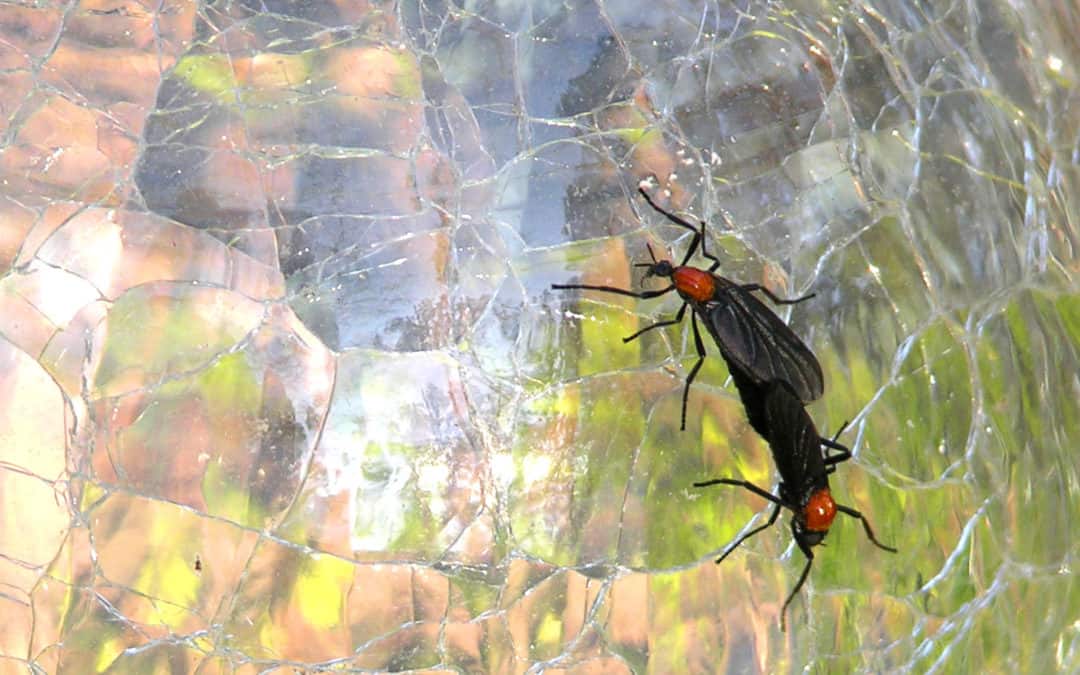
Love bugs are small, about 1/4″ in length with black bodies and red heads. While it is very rare to see them in larval form, adult love bugs are very recognizable as they are almost always seen as a pair, with the male and female joined tail to tail. So why are the love bugs stuck together? The answer is simple. They are mating. Adult females will emerge and live 3 to 4 days, just long enough to mate before they die. Because of this, they must stick together at all time.
There are 2 major flights of love bugs during the year. The spring flight is usually from April to May and the summer flight is from August to September. Each flight lasts about 5 weeks.
While love bugs can be extremely annoying, especially if you are driving in the southern states, they are not capable of biting or stinging and pose no health threats to humans or other animals. They are also not known to transmit any diseases. They do cause other problems, however. Love bugs are attracted to the gas that is emitted from automobiles and will often congregate in large numbers near highways. This causes them to be killed in large numbers on car hoods, grills, and windshields. If left for too long, dead love bugs can cause damage to car paint, obstruct windshields, and even clog radiator passages and grills, causing mechanical issues and engines to overheat. These pests also thrive in humid environments so they can be found in basements, attics, and storage rooms, and even on flowers or in flower beds with high moisture content.
While your best bet is to just let them run their course, there are a few ways you can eliminate love bugs or deter them from your car or home.
- Clean Your Car. Wash your car often with warm soapy water, especially if there are dead love bugs stuck to it. Wax your car prior to mating season to make it harder for them to stick to the exterior.
- Eliminate Standing Water. Inspect your home and yard for any areas of standing water and get rid of them. This will also help with mosquitoes. Monitor your home’s humidity levels, as well.
- Natural Repellents. You can try natural repellent sprays made from essential oils such as peppermint. to repel love bugs.
- Clean Up The Yard. Keep the grass mowed and shrubbery trimmed. Clear any debris from the yard, especially anything that can hold moisture.
- Vacuum. The best way to get rid of live love bugs that may be swarming around your home is to vacuum them up.
While love bugs don’t pose any significant threat to humans, they can be a nuisance. If you have an issue with love bugs or any other pest, contact a professional pest control company for assistance.
You May Also Be Interested In:
Everything You Need to Know About “Murder Hornets”
Keeping Wildlife in the Wild
How to Identify 5 of the Most Common Cockroaches in Georgia
Avoid Bites and Stings this Summer
Summer Without Bed Bug Worry
Jun 7, 2013 | Uncategorized
Spring is a time when everything comes to life, blooming into an array of lovely colors. You’ll see flowers that are pink and purple, baby bunnies that are tan or gray and insects that are red and black. Just like every other little life form emerging this time of year, insects can also be a variety of colors and it’s important not to get them confused. Some bugs you might spot frequently are of the Georgia Bulldog variety – red and black spots, stripes and even a combination of both.
If any of these insects or other pests become too much of nuisance, Northwest Exterminating has the expertise and knowledge to take care of your bug problems. Our Director of Pest Services Adam Vannest has provided some information about these bugs that will help you know the difference and what measures to take against them.
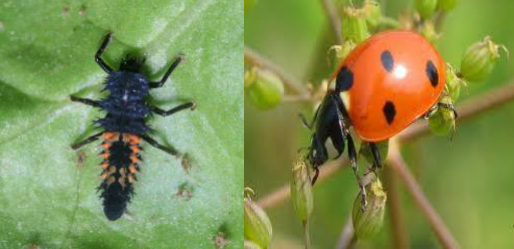
Lady Bug
 – Beneficial insect
– Overwinters
– Feeds on aphids
– Control Measures: exclusion and vacuuming for long-term prevention. When necessary, chemical contact treatments can knock down a population
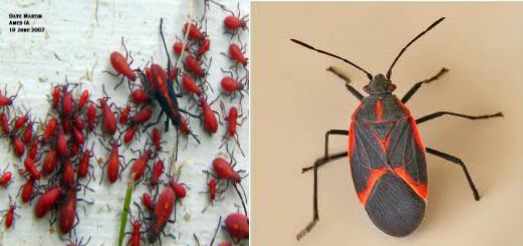
Box Elder Bug
– Overwinters
– Female: Box Elder trees and Silver Maple trees serve as the primary host plant
– Control Measures: Exclusion and a contact/residual application around the foundation and base of host plant
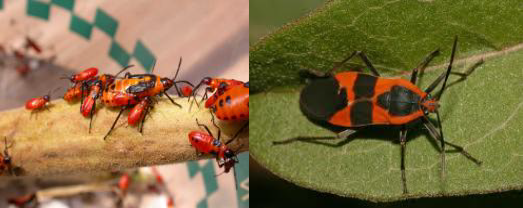
Milkweed Bug
– Found in gardens on Milkweed plants or around shelled sunflower seeds
– Control Measures: Over-the-counter garden insecticides
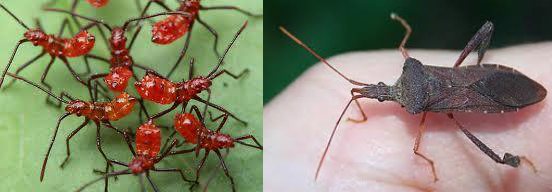
Leaf-Footed Stink Bug
– Feeds on a wide variety of host plants
– Besides birds, they do not have too many natural predators due to their taste and smell
– Control Measures: Over-the-counter insecticides for garden areas. Outside of the garden, any contact or residual product labeled for stink bugs
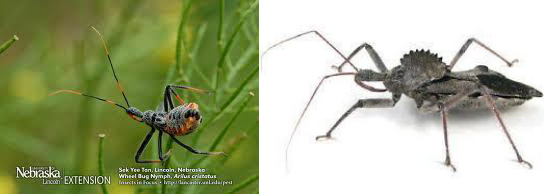
Wheel Bug
– Semicircular cogwheel-like crest on its thorax
– Feeds on a wide variety of insects including caterpillars, beetles, aphids
Control Measures: Prevention is the key! All plants should be inspected before they enter the home. Exclusion should be performed for long-term prevention. All vegetation should be trimmed away from the home, at least one foot. Pesticides are rarely needed
Jun 7, 2013 | Uncategorized
Spring is a time when everything comes to life, blooming into an array of lovely colors. You’ll see flowers that are pink and purple, baby bunnies that are tan or gray and insects that are red and black. Just like every other little life form emerging this time of year, insects can also be a variety of colors and it’s important not to get them confused. Some bugs you might spot frequently are of the Georgia Bulldog variety – red and black spots, stripes and even a combination of both.
If any of these insects or other pests become too much of nuisance, Northwest Exterminating has the expertise and knowledge to take care of your bug problems. Our Director of Pest Services Adam Vannest has provided some information about these bugs that will help you know the difference and what measures to take against them.
Lady Bug
– Beneficial insect
– Overwinters
– Feeds on aphids
– Control Measures: exclusion and vacuuming for long-term prevention. When necessary, chemical contact treatments can knock down a population
Box Elder Bug
– Overwinters
– Female: Box Elder trees and Silver Maple trees serve as the primary host plant
– Control Measures: Exclusion and a contact/residual application around the foundation and base of host plant
Milkweed Bug
– Found in gardens on Milkweed plants or around shelled sunflower seeds
– Control Measures: Over-the-counter garden insecticides
Leaf-Footed Stink Bug
– Feeds on a wide variety of host plants
– Besides birds, they do not have too many natural predators due to their taste and smell
– Control Measures: Over-the-counter insecticides for garden areas. Outside of the garden, any contact or residual product labeled for stink bugs
Wheel Bug
– Semicircular cogwheel-like crest on its thorax
– Feeds on a wide variety of insects including caterpillars, beetles, aphids
Control Measures: Prevention is the key! All plants should be inspected before they enter the home. Exclusion should be performed for long-term prevention. All vegetation should be trimmed away from the home, at least one foot. Pesticides are rarely needed