Mar 20, 2020 | Pest Control, Wildlife
When you hear a strange scratching sound in the walls or find mysterious droppings in your pantry, it’s easy to jump to one conclusion: rodents. But identifying the specific type of rodent is the first and most critical step toward effective removal. The three most common species found in homes are the house mouse, the Norway rat, and the roof rat. Each has adapted to thrive alongside humans, but their differences are significant. While all rodents share common features like a single pair of upper incisors, short legs, and long tails, a closer look reveals distinct characteristics. Knowing whether you have a mouse vs. a rat can determine the best course of action, as their behaviors, nesting habits, and even diet vary greatly. This guide will help you spot the difference and understand why correct identification is key to protecting your home and health.
Key Differences in Appearance
At first glance, a small rat might look like a large mouse. However, there are several physical traits you can use to distinguish between these pests.
House Mouse
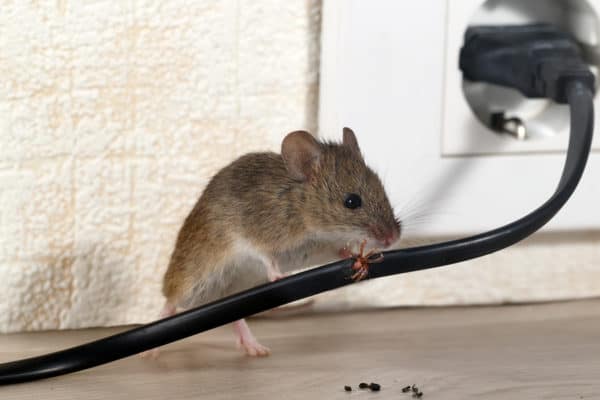
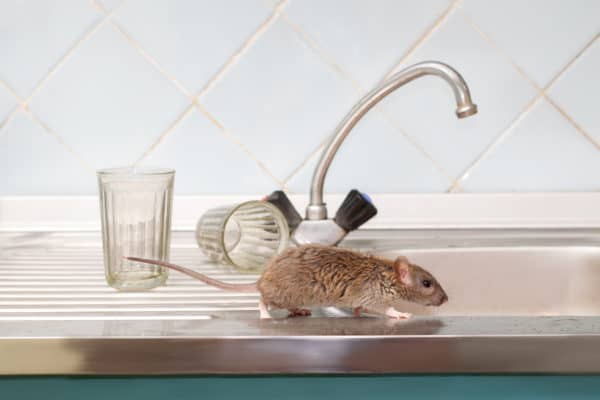
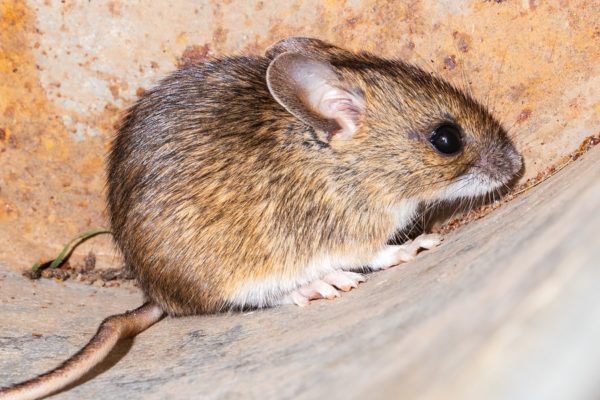
The house mouse is the smallest of the three, typically measuring only 4 to 6 inches long, including its tail. They are often confused with young rats due to their size. Their fur is usually light grey or brown, with a lighter, often white, belly. A house mouse has a small head with a triangular snout, long whiskers, and large, floppy ears. Their tail is thin and hairy, and notably longer in proportion to their head and body.
Norway Rat
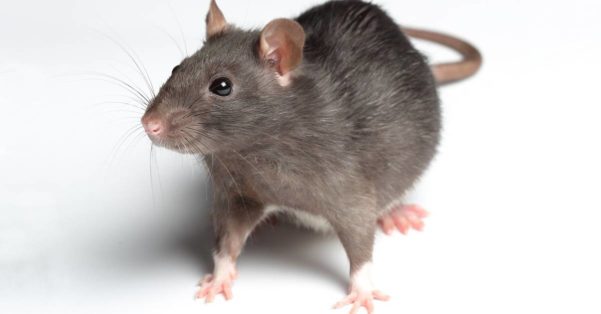
Also known as the brown rat, the Norway rat is the largest of these rodents, growing up to 10 inches long. They have thick, heavy bodies covered in shaggy brown fur with black shading. Their underside is typically a paler color. A key identifier is their tail, which is shorter than the length of their head and body, and appears thick, hairless, and scaly. They have a blunt nose and small, hairy ears.
Roof Rat
The roof rat, also called the black rat, has a more slender body than the Norway rat and is usually about 8 inches long. Their fur is smooth and typically gray with black shading. Like the house mouse, their dark, scaly tail is longer than their head and body. They can be distinguished from mice by their large, thin, hairless ears and pointed noses.
Diet and Feeding Habits
What these pests eat and how they eat it can leave behind important clues.
- House Mouse: A mouse’s favorite food is cereal grains, but they will sample almost anything. They have a unique way of eating, known as “kibbling,” where they remove the outer husk of a grain to eat the starchy interior. Mice tend to return to the same feeding spots, which can make baiting strategies more effective. They need very little water to survive.
- Norway Rat: These rats also favor cereals but are opportunistic eaters. When they eat grains, they leave behind what looks like chopped pieces. Norway rats are creatures of habit and will seek food from the same locations consistently. They require a significant amount of water, drinking about 60 mL per day.
- Roof Rat: While they will also eat grains, roof rats have a strong preference for fruit. They do not typically return to the same feeding spot on consecutive nights, which makes trapping them more challenging. They drink around 30 mL of water daily.
Nests, Burrows, and Habitats
Where you find evidence of rodents can tell you a lot about the species you’re dealing with.
House Mouse
House mice are agile climbers and live on the ground, often nesting in burrows or hidden areas near a food source. They will build nests out of any soft material they can find, such as shredded paper, insulation, or fabric. One telltale sign of a mouse infestation is the presence of “urine pillars,” which are small mounds of grease, dirt, and urine that build up over time.
Norway Rat
As their larger size suggests, Norway rats prefer to stay on the ground. They are known for creating extensive burrows, which can cause significant damage to sewer lines and building foundations. They often travel along the same paths, leaving behind smudges from the oil and dirt on their fur. You’ll typically find them in basements, crawlspaces, and sewer systems.
Roof Rat
True to their name, roof rats are exceptional climbers and prefer to nest in elevated areas. You can find them in attics, under roofs, and within walls. In warmer climates, they may even build nests in trees. Unlike Norway rats, they tend to walk on their toes, leaving scattered, less distinct smudge marks along their paths.
Breeding and Life Cycle
Understanding the breeding habits of rodents highlights why a small problem can quickly become a large infestation. The newborns of all three species are born blind, hairless, and entirely dependent on their mother.
- House Mouse: Mice breed rapidly, producing 7 to 8 litters per year with 4-16 babies each. They reach sexual maturity in just 8 to 12 weeks.
- Norway Rat: Norway rats have 3 to 6 litters a year, with 7 to 8 babies per litter. They mature in about 10 to 12 weeks.
- Roof Rat: Roof rats produce 3 to 6 litters per year, with 5 to 10 babies each. They mature the fastest, in only 7 to 8 weeks.
Behavioral Traits and Habits
Rodents have distinct personalities and behaviors that influence how they interact with their environment.
- House Mouse: These creatures are nocturnal and curious. Their inquisitive nature makes them more willing to investigate new objects, including traps. They are excellent climbers and can squeeze through tiny holes to access different parts of your home.
- Norway Rat: Also nocturnal, Norway rats are cautious and wary of new things. This “neophobia” can make trapping them difficult. While they can climb, they prefer to stay on the lower levels of buildings.
- Roof Rat: Roof rats are skilled climbers that are most active at night. They are stronger than mice and can gnaw through various building materials. Like Norway rats, they have poor eyesight and tend to be cautious.
Identifying Rodent Droppings
One of the most common signs of a rodent infestation is their droppings. The size and shape are key identifiers.
- House Mouse: Mouse droppings are small (3-8 mm), granular, and black. They are often found scattered randomly near nesting and feeding areas.
- Norway Rat: Droppings from Norway rats are dark brown and tapered, resembling large grains of rice.
- Roof Rat: Roof rat droppings are long, thin, and smaller than those of a Norway rat. They often have a slight curve and pointed ends.
Health Risks and Property Damage
Regardless of whether you have mice or rats, any rodent infestation poses serious risks. Their droppings can spread diseases like Hantavirus and salmonellosis. Furthermore, their constant gnawing can cause structural damage to your home and create fire hazards by chewing through electrical wires.
If you suspect a rodent problem, it is essential to act quickly. A licensed pest control professional can accurately identify the species, implement safe and effective removal techniques, and create a comprehensive prevention plan to keep your home rodent-free. Contact a rodent control professional today to ensure the health and safety of your home and family.
Dec 30, 2019 | Pest Control
It’s the end of the year and as you put together your list of New Year’s resolutions, some simple home repairs might need to make the cut. What you may not realize is that pests could have been quietly chipping away at your home’s value throughout the year. Here are some things to look for and steps to take to preserve the integrity of your home.
- Decks/Foundations/Roof: Decks can attract wood-boring and wood-destroying insects like beetles, carpenter bees, and termites. Lumber should be pre-treated to prevent pests from compromising the safety of your deck. Inspecting the exterior of your home is essential to keeping your home safe from pest damage. Seal all cracks found and talk to your pest professional about a preventative treatment plan. Branches close to your home’s roof can present an opportunity for pests such as termites and carpenter ants to enter your home. Trimming the branches back will not only help cut off access but also help prevent future damage.
- Wires & Vents: Rodents pose the biggest risk to the integrity of the electrical wiring in your home. According to investigative reports, rodents may be responsible for up to 25% of house fires that end up labeled as an “unknown origin”. Work with your pest professional to locate entry points and seal them. Insects and wildlife will look to make use of ducts that lead to exterior vents. In the case of dryer vents, a damper opens for exiting air and then promptly closes, cutting off access. For an added precaution, caulk around vents to further prevent invasions.
- Chimneys & Gutters: Delaying the cleaning of your home’s gutters could lead to pest harborage sites. Investing in gutter guards to prevent clogs and standing water will help to cut down on breeding sites and eliminate access points into your home. All chimneys need an exit for smoke; while this is good for the health of your home, this exit presents an opportunity for pests and wildlife to make their way inside. Installing a chimney cap allows for smoke to escape and keeps any unwanted visitors from coming in.
Making these adjustments can help you enjoy your home without the pests and the critters. Reach out to your local pest control company to schedule an inspection and to work out a preventative treatment plan to help keep your home safe.
Dec 11, 2019 | Pest Control
As the holidays near, the time you spend in your kitchen increases. However, while you stock up on your holiday baking essentials, you could be providing stored product pests, or “pantry pests”, with their own holiday feast. Here are a few tips to keep your kitchen free of these unwelcome guests:
- Pantry pests, like Indian Meal Moths, are attracted to items such as flour, oats, spices, and dry cereal. When completing your holiday shopping for these types of items, be sure to inspect packages and confirm that they are sealed properly. Once you have opened these items, look to store them in plastic or glass containers with secure lids, cutting off access for pantry pests.
- Rodents can cause major issues for the health of you and your family. They can spread bacteria and viruses and, if their droppings build up within your cabinets, it can cause the air you breathe to become contaminated. To avoid a rodent infestation, keep your cabinets, pantries, and counters clean and free of crumbs and dispose of expired foods.
- Check any existing open items in your pantry for signs of pantry pests before adding new items to avoid spreading an infestation.
No one invited these pests to your holiday party in the first place, so taking these precautions can help you enjoy the holiday baking and time with your loved ones. If you think you are having an issue with stored product pests, call your local licensed pest control company to schedule an inspection so you can get back to the sweet smells of the holidays.
Sep 27, 2019 | Pest Control, Wildlife
Signs of a rodent infestation are pretty easy to spot – droppings in the house, chew marks, gnawed wood, and scratching and squealing sounds at night are all pretty good indicators of a rodent problem. Before deciding on a course of treatment, however, the first step is determining which type of rodent you have. So how do you know if you have a rat or a mouse?
Mice:
Mice are small rodents, usually about 2 to 4″ in length, with thin, long, slightly hairy tails. They have triangular shaped noses with long whiskers and large floppy ears. Mice can be brown, gray, or white in color. Mice droppings are small and smooth with pointed ends, usually about 1/8 to 1/4″ in length. They leave anywhere from 40 to 100 droppings per day. Mice prefer cereal grains or plants but will eat almost anything. They are nocturnal and tend to be bolder than rats. They are curious and will explore new things, making them easier to trap. They are skillful climbers and their small size allows them to access more areas of your home.
Norway Rats:
Norway rats are larger rodents, usually weighing about 11 ounces and measuring 7 to 9 inches in length. They have heavy, thick bodies that are brown in color with black shading and shaggy coats. Norway rats have blunt, rounded noses and short ears. Their tails are thick, hairless, and scaly and are dark colored on top and pale underneath. Norway rat droppings are brown and blunt on both ends and they leave anywhere from 20 to 50 droppings per day. They prefer fresh grains and meat but will eat just about anything. These rats typically live in burrows and prefer lower levels of homes and buildings. Norway rats are nocturnal and are more fearful and cautious than mice, making them more difficult to trap. They can climb but prefer to stay closer to the ground.
Roof Rats:
Roof rats are smaller than Norway rats, weighing about 7 ounces. They have light, slender bodies that are gray in color with smooth coats. They have thick, hairless, scaly tails that are dark in color. Roof rats have pointed snouts with large ears. Roof rat droppings are dark with both ends pointed. They will also eat just about anything but prefer fresh grains and meat. They are nocturnal and timid in nature. Because of this, they can be difficult to trap. They are excellent climbers and are more often found nesting in walls, attics, and trees.
Rodent Control:
Regardless of whether you have mice, Norway rats, or roof rats, all of these rodent species can cause damage to your home and property by chewing through wires, pipes, insulation, and drywall. They can also cause damage to furniture and carpets. All rodents can contaminate food and countertops. Serious diseases caused by rat droppings and mouse droppings include Hantavirus, salmonellosis, and more. They all reproduce quickly and a minor problem can become a major infestation in no time.
Keeping these pests out of your home is critical to helping protect the safety of both your family and your property. Here are some rodent control tips you can implement in and around your home:
- Put A Lid On Your Trash: If possible, use trashcans made of metal with snug fitting lids. If you must use plastic, make sure there are no holes in it.
- Don’t Leave Pet Food Out: Store pet food and birdseed in glass or metal containers with tight lids. Make sure to remove them at night and store them away until morning. Make sure to pick up any fallen fruit or nuts off the ground outside your home, as well. Remove standing water from bird feeders.
- Elevate Your Compost: Raise your compost container at least 1 foot off the ground.
- Keep Your Garage Clean: Rodents like to eat lawn seed, tulip bulbs, bone meal, and other items frequently used in gardening. Make sure they are stored in glass or metal containers with tight lids. Keep firewood a good distance from the house. Organize and store boxes in the garage off the ground to eliminate nesting places.
- Clean The Kitchen: Keep food stored in tightly sealed containers. Clean up spilled food and crumbs nightly.
- Keep Your Home Maintained: Make sure openings around your home are properly sealed. Keep your gutters clear of debris and water. Screen your attic vents. Keep screens on windows and doors in good repair and replace when needed.
- Call A Pro: If you suspect you have a rodent problem, call a professional pest control company or a professional wildlife removal company who can evaluate your home and provide you with a comprehensive treatment and exclusion plan.
Aug 15, 2019 | Pest Control
Predictions for the 2019 Atlantic hurricane season have come in from the National Oceanic and Atmospheric Administration (NOAA). During what they are calling a “near-normal” season, the Southeast region could see 9-15 major storms, 4-8 hurricanes, and 2-4 mega-hurricanes. Storms and heavy rains can lead to an explosion in pest populations after these weather systems are long gone. From clogged gutters to excess moisture in and around your home, your property needs protection from storm damage. Follow these tips to prepare and protect your home in case the weather takes a turn for the worst.
- Windows on your property should be reinforced before the impending weather makes landfall. While you’re at it, look to also replace old weather-stripping and seal all cracks and crevices. Pests will seek out your home for shelter after being flooded out of their nests and will use these entry points to gain access inside.
- Once the storm makes its way further inland, your home will be left surrounded by standing water. This is when mosquito populations will thrive as the standing water provides the perfect breeding site. Eliminate all areas of standing water and look to invest in gutter protection to promote proper drainage.
- Should you experience prolonged power outages, all spoiled food should be removed from the home and stored in trash bins as far from the home as possible. Any waste or clutter can attract flies and rodents, so organizing all trash piles away from the home is crucial.
Once the clouds have cleared and you find that you have an issue with pests post-storm, contact your local, licensed pest control company for an inspection of your home. They can pinpoint areas of damage that can lead to more pest issues down the road.