Jan 20, 2023 | Pest Control
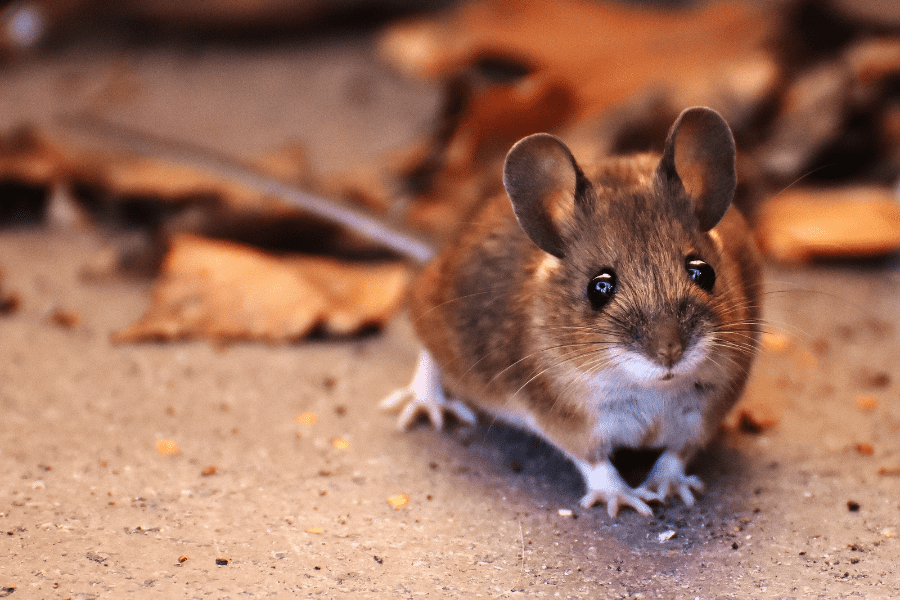
Despite our best wishes, pests don’t just disappear when the weather gets cold. Winter pest control becomes critical to keeping your house protected during the season. Overwintering pests will make their way indoors to escape the cold and have access to a plentiful food supply. Common overwintering pests include roaches, spiders, and rodents.
Overwintering pests pose a threat to both you and your home. They can chew through wires and insulation, contaminate surfaces and food, spread diseases, and trigger allergies and asthma.
Help protect your home with these 14 tips for winter pest control:
- Seal any cracks, crevices, and holes on the exterior of your home.
- Seal around utility pipes that enter your home.
- Replace or repair weatherstripping and screens.
- Elevate your firewood and store it at least 20 feet from your home.
- Declutter, especially in the basement, garage, and attic.
- Repair any leaky pipes to reduce moisture.
- Keep gutters free of debris.
- Install doorsweeps.
- Install chimney vents.
- Keep attics, crawlspaces, and basements dry and ventilated. Consider crawlspace enclosure.
- Keep floors and counters clean daily.
- Dust, sweep, and vacuum regularly.
- Empty the trash regularly.
- Invest in routine pest control throughout the entire year.
If you have a problem with winter pests, contact your local pest control company for a complete evaluation and treatment plan.
You May Also Be Interested In:
How to Prevent Bed Bugs While Traveling
How Do I Prepare For Termite Treatment?
Rodents to Lookout for this Winter
Why Identifying Spiders is Important for Prevention
Do Roaches Die Off In Winter?

Jan 11, 2023 | Pest Control
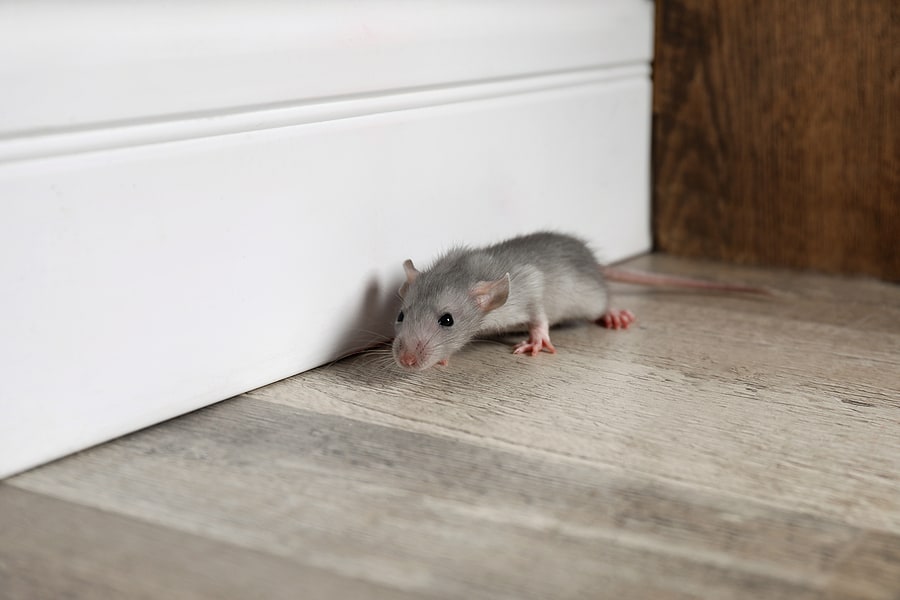
Whether they’re in your basement, attic, crawl space, or even your living space, discovering rodents is never ideal. They carry diseases that can be harmful to you and your family and also cause damage to your home. It’s important to be aware of the signs and types of rodents that can be found in or near your home.
Types of Rodents
- Norway Rat: One of the largest species of rats, they can measure from 13 to 18 inches in body length. They rely heavily on human impact and will search for any food source possible. Norway rats are known to chew through plastic materials or even lead pipes, causing considerable damage to your home.
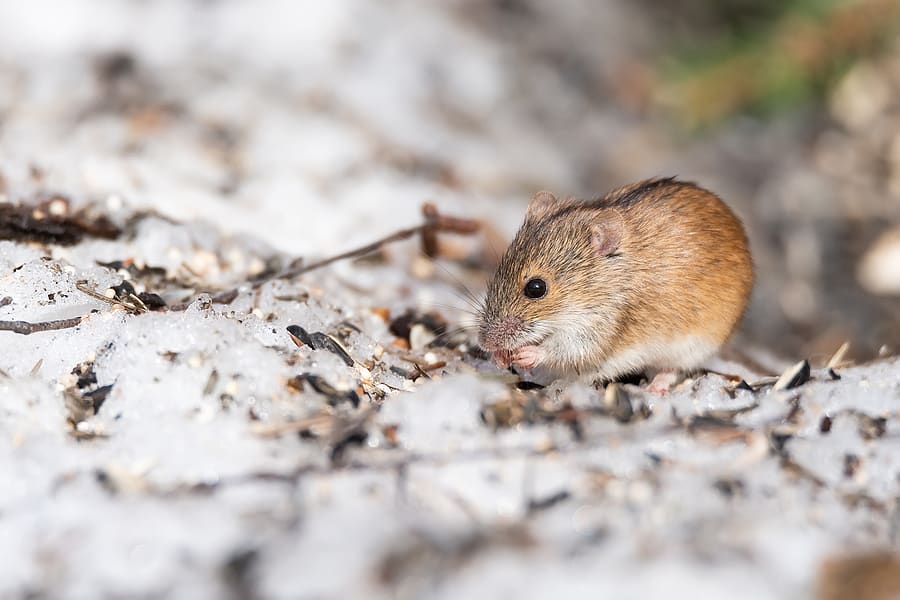
- House Mouse: These mice are on the tinier side, measuring up to 7 inches and varying in color. These critters will eat anything to survive and get most of their water intake from the food they eat. Being incredible climbers, they can become a threat once inside your home by gnawing on electrical wires.
- Roof Rat: These rats are slightly smaller than a Norway rat but can still measure up to 13 inches in length, including the tail. Roof rats are excellent climbers and prefer to nest in high places, including attics.
Rodents are never an exciting creature to discover in your home, but how do you know if you have rodents? Here are some signs that rodents could be in your home already:
- Discovering droppings in areas such as basements, attics, or crawlspaces.
- Finding nests in your home means it has become a haven for these critters.
- If you hear scratching, tapping, or squeaking coming from the walls or the attic.
- If you begin to notice property damage, including gnaw marks or chewed wires.
If you suspect any of these rodents inside your home, consider contacting your local pest control company for a rodent control plan that will help remove, exclude, and prevent them in the future!
Dec 21, 2022 | Pest Control
The holidays are winding up, with many of us getting our decorations out of storage for the season. Hopefully, your storage boxes were able to avoid pests this year! If not, then we have some holiday pest control tips to have better luck next year!
- Use Plastic Containers: Cardboard boxes are easy for bugs and rodents to chew through, so they aren’t the best method to store items for the year. If you’re in a pinch, you can store smaller cardboard boxes wrapped in a plastic bag.
- Store Scented Items Separately: Any candles or other holiday-scented items should be stored in their own plastic container since they can draw in pests or rodents.
- Check for Pests Before Clean Up: Before putting items into boxes, look them over for any hitchhiking pests, especially if they are used outdoors. These items can include garlands, wreaths, and string lights.
- Dispose of Food Items: Gingerbread houses, popcorn garlands, or any other décor made from edible items will need to be thrown out rather than storing them. It’s better to remake the food-based decorations on a yearly basis.
Another quick tip for when the holidays are over is if you have opted for a real tree, make sure that you dispose of it quickly, and don’t let it sit on your curb for multiple days. It can become a home for rodents.
If you discover a pest problem after the holidays, then give your local pest control company a call, and they’ll be able to assist you with a customized plan to help rid your home of unwanted guests!
Dec 9, 2022 | Pest Control
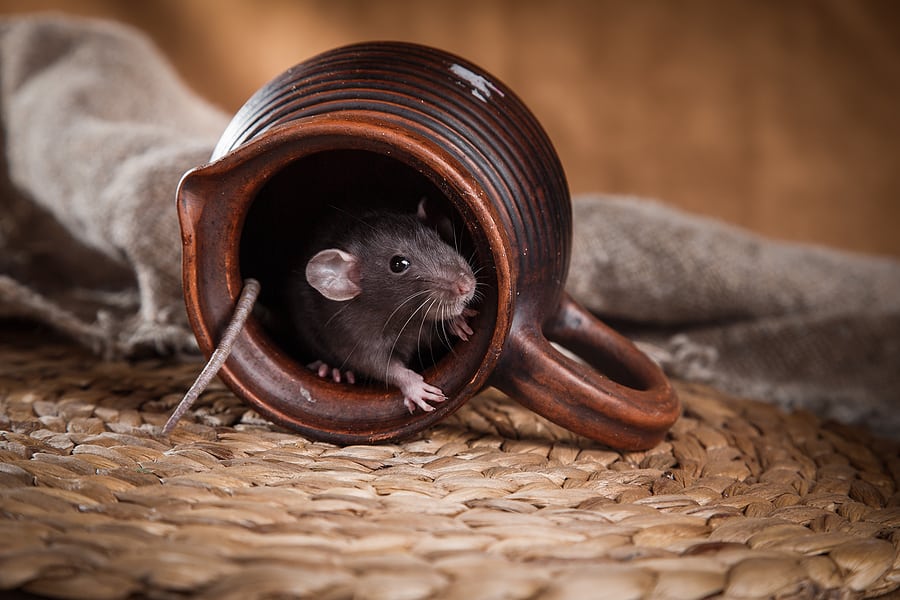
Rats are one of the most destructive household pests, chewing through wires, walls, and insulation and contaminating your home with their feces and urine. They also carry some pretty serious diseases, putting both you and your family at risk. These risk factors make identification and rodent control an important part of your household pest control plan.
Rats are mostly nocturnal pests and it is rare for them to come out during the day. Their activity typically begins around dusk. Because rats commonly inhabit areas near humans, it is safer for them to come out after dark when there is less chance of them being caught. They will make an appearance during the daytime if they feel safe enough to do so and especially if food supplies are scarce.
Video Transcript
Rats are more than an unpleasant surprise. They’re one of the most damaging pests a home can have. They chew through wires and insulation, contaminate food, and spread harmful bacteria that can put your family’s health at risk. What makes them tricky is that you rarely see them. Rats are nocturnal, hiding during the day inside walls, attics, crawl spaces, and behind appliances. If one shows up in daylight, it’s often a sign the infestation is already growing. Instead, they leave clues behind. Small droppings, chewed food packaging, shredded paper or fabric, and a strong musty odor are all warning signs. Even spotting just one rat usually means there are more hiding nearby. When you’re ready to call a professional for a peaceful home, feel free to reach out to our team at Northwest Exterminating.
If they aren’t coming around during the day, where are they hiding? Rats prefer to hide in places that are tucked out of the way and that aren’t often disturbed. Outdoors they will hide under piles of debris, under trash piles, in dumpsters and trash cans, in trees, and in sewers. They can also be found under bushes and shrubs, in woodpiles, and in gutters. Inside, rats can be found hiding out in holes, cracks, and crevices; climbing up through drains in bathrooms and kitchens; behind cabinets; behind and under appliances; in air ducts and ventilation systems; in piles of clutter; in storage containers; in hollow walls; and in crawlspaces, attics, garages, and basements.
Seeing a rat during the day can be an indication of a larger rodent infestation. Seeing one rat may not be cause for alarm; seeing more than one or seeing one in conjunction with other signs of rodents can be cause for concern. Some common signs of a rodent infestation include rat droppings, especially in one specific area; chew marks or chewed through wires, food packages, and other household surfaces; nesting material like fabric and paper; and a musty smell.
If you suspect you have a problem with rats or any other rodents, contact your local pest control company who can provide you with a thorough evaluation and an ongoing treatment and prevention plan to keep your home pest free.
You May Also Be Interested In:
Winter Tips for Your Georgia Lawn
The Effects of Wildlife Activity on Your Attic’s Insulation
Preventing Wildlife in Attics
Do Roaches Die Off In Winter?
Crawlspace Enclosure: The Cure For Cold Feet
Nov 21, 2022 | Pest Control
Contrary to popular belief, pests don’t just disappear when colder weather sets in. Overwintering pests are those that find a warm place to shelter during the winter, most often inside your home! Some household pests thrive year-round because the warmth, water, and food supply in your home allow them to survive even in the harshest weather conditions. Some common winter pests include rodents, roaches, spiders, and bed bugs. For this reason, it’s important that you don’t forget about winter pest control! Here are a few of our favorite winter pest control tips you can use to make your home pest-free.
- Seal cracks and crevices outside your home to keep pests from being able to get in, especially where pipes and utility lines come into the house.
- Replace any loose mortar.
- Replace weather stripping around doors and windows.
- Store firewood at least 20 feet from your home and elevate it if possible.
- Keep your home decluttered.
- Use plastic storage instead of cardboard when possible.
- Eliminate moisture and standing water in and around your home (leaky pipes, clogged drains).
- Use door sweeps.
- Repair or replace screens on windows and doors.
- Use chimney screens.
- Ventilate and keep attics, basements, and crawlspaces dry.
- Clean up any food and crumbs.
- Invest in routine pest control from a professional pest control company.
You May Also Be Interested In:
What Causes A Termite Infestation?
Prevent Bed Bugs this Holiday Season
Where Do Rodents Go In Winter?
Why Identifying Spiders is Important for Prevention
Preventing Common Wildlife