Oct 20, 2022 | Pest Control
You might be thinking that since the weather is cooling down, pests won’t be as active. While that’s the case to some, most pests will be making their way indoors to seek warm shelter. Some homeowners even claim to see more pests in their home once the weather cools down. Here are some of the most common questions about winter pest control.
Which Pests Are Most Active?
Surprisingly, there are some pests that survive throughout the colder months. The main ways they stay alive are through hibernation, migration, and overwintering. Overwintering pests are our main issue in the winter. These are the pests that will migrate indoors instead of to a different part of the region.
Some of the most common pests still seen in the winter are cockroaches, rodents, and termites. Most of the time their activity might slow, but they are still nearby and ready to get back into full gear once the weather warms up.
How Often Should Pest Control Be Done?
The goal of pest control is to keep pests away and prevent infestations. Therefore, quarterly pest control is important. If you miss your regular pest control in the winter, it can create an easy opportunity for pests to get inside.
Winter is the best time for a barrier to be put in place. Some pests including spiders, cockroaches, and rodents can be a bigger issue this time of year, so getting ahead of schedule is key.
If you are ready to set up your winter pest control, give your local pest control company a call and they can help you set up a customized plan to prevent these pests.
Oct 20, 2022 | Pest Control
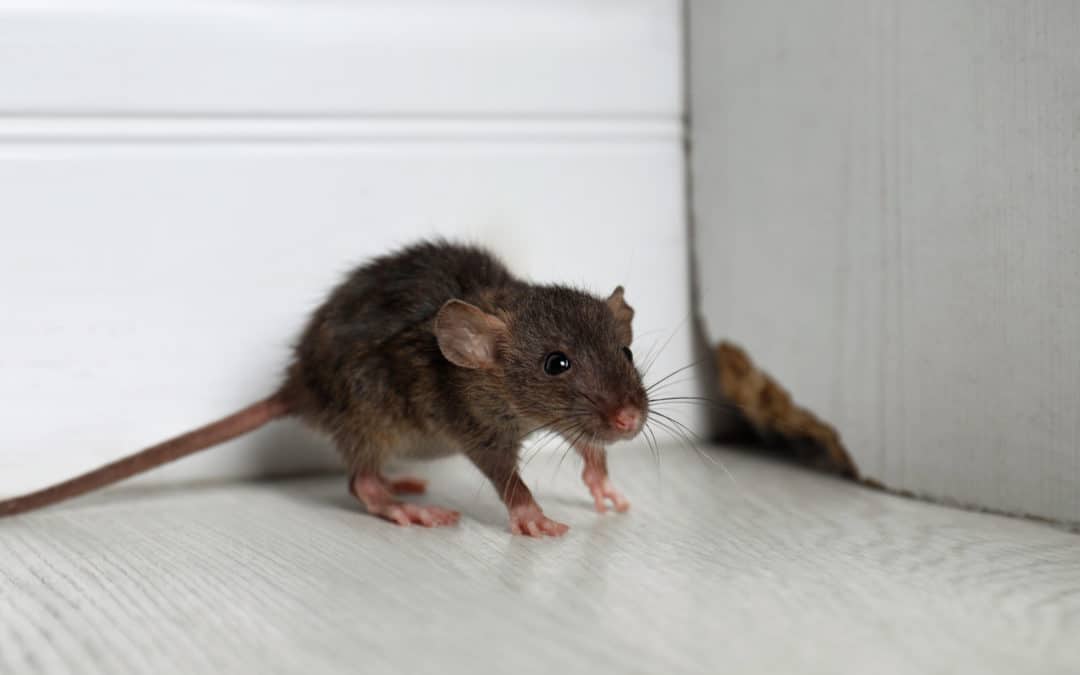
Rodents such as mice and rats are one of the most common household pests. While they are definitely nuisance pests, they can also cause property damage to your home, as well as transmit serious diseases to you and your family.
The first step in rodent control is to determine that you have an infestation. Common signs of rodents include droppings near food sources; shredded paper, fabric, and other nesting materials; chewed food packages; holes chewed through walls and floors; and stale smells from hidden areas of your home.
Rodents are attracted to unsealed food containers, pet food and water that’s left out, open bowls of fruit and vegetables, leaky faucets and pipes, open trash cans, and compost containers among other things. They enter your home in search of these things. They get in through holes from the exterior of the home, holes around sink and appliance pipes, cracked foundations, unscreened vents, and holes around windows and doors.
The first step in rodent control for your home is prevention. If you can keep these pests from infesting your home in the first place, you won’t have to get rid of them later. Common rodent control methods you can utilize in your house include:
- Sealing entry points with metal mesh.
- Removing those food and water sources they are attracted to.
- Keeping your house clean.
- Avoiding the use of ivy or other vines in landscaping (rodents use these to climb onto your home).
- Keeping compost piles away from the home.
- Keeping grass mowed short.
- Keeping a buffer of at least 2 feet between landscaping and buildings.
- Avoiding the use of birdfeeders.
- Keeping outdoor grills clean.
- Keeping firewood elevated and stored away from the home.
- Using trashcans with lids.
- Sealing food in containers.
- Rinsing food and drink containers before throwing them away.
- Keeping trashcans clean.
- Avoiding leaving pet food and water out overnight.
- Keeping stovetops and countertops clean.
- Keeping your home free of clutter from paper, fabric, and other materials used for nesting.
- Repairing leaky pipes.
- Keeping attics and crawlspaces dry.
- Promoting natural predators (owls, hawks, snakes) around your home.
If you have a problem with rodents or other pests, contact your local pest control company for an evaluation.
You May Also Be Interested In:
DIY Pest-Proofing for Fall Wildlife
Are Granddaddy Long Legs Spiders?
Types of Rodents Found in the South
Wildlife on the Move!
Common Cold-Weather Critters & How to Control Them
Oct 13, 2022 | Wildlife
Fall is in full swing, and winter is just around the corner. We aren’t the only ones preparing to stay indoors longer than usual. Wildlife are also thinking about making their way inside. This typically means our homes could become refuge for the critters. There are a few wildlife creatures to look out for once it begins to get cooler – squirrels, raccoons, rodents, and more!
Most homeowners don’t think they have a wildlife problem, because they’ve probably never seen it with their own eyes. That isn’t the case. Most homeowners don’t notice the problem because most of the creatures are nocturnal and will only be active at night. The most common signs of a wildlife problem are:
- Chew and gnaw marks around the attic, basement, or electrical wiring
- Garbage cans and bags that have been broken into
- Foul smells lingering around your home – could be urine or droppings
- Scratching sounds coming from the attic or walls
DIY Wildlife Prevention Tips
Many homeowners don’t even realize the things they’re doing that attract wildlife into their homes. Here are some of the best ways you can prevent an infestation in your home this winter!
- Close Access Points: Wildlife can enter your home through the smallest of openings. Make sure your home’s attics, vents, windows, chimney, and crawl space are secure. Seal any gaps and holes that can be considered entry points.
- Secure Garbage Containers: Most of the wildlife mentioned above are known to eat just about anything. Outside garbage containers offer a multitude of food options and the best way to deter them is to secure trash can lids, avoid overfilling containers, and clean out the cans regularly.
- Keep Trees and Shrubs Cut Short: When branches or shrubs are too close to your home, it gives squirrels, raccoons, and other critters easier access to your home. Keeping them cut short and away from your home will help cut the bridge of them getting inside.
- Don’t Leave Food Near Home: This goes hand in hand with the garbage can, but another big invitation to wildlife is your pet’s food bowls. Avoid leaving them out overnight, especially outdoors. Another tip is to pick up any fallen fruit and protect gardens with a fence or netting to keep animals out.
If you begin to notice signs of wildlife in or around your home, be sure to reach out to your local wildlife control company and they can help determine the critter causing the issues and create a customized solution to get rid of them.
Oct 6, 2022 | Pest Control, Wildlife
We never expect our homes to fall victim to rodent invaders, but it can happen to anyone! Getting rid of these critters can be difficult, but with the help of a wildlife control company, it can be made possible. Before reaching out to someone for assistance, be sure you’re identifying these rodents correctly. Here are some of the most common rodents found in the South.
Deer Mouse
Often referred to as field mice, these rodents are typically found in the woodlands and desert areas. They rarely invade residential properties but will sometimes seek shelter in our homes for winter since they don’t hibernate. When indoors, deer mice are typically found in basements or attics. The biggest threat about them is that they can transmit the dangerous hantavirus, so it’s vital to get them taken care of as soon as possible.
House Mouse
Just like the deer mouse, these mice also carry diseases and shouldn’t be kept in your home for long once discovered. The house mouse prefers to move along baseboards and countertops and can be seen eating anything they can find. They will contaminate your food and can transmit diseases like salmonella and even the bubonic plague. They are also known to cause structural damage such as creating tunnels in walls and chewing exposed wires.
Norway Rats
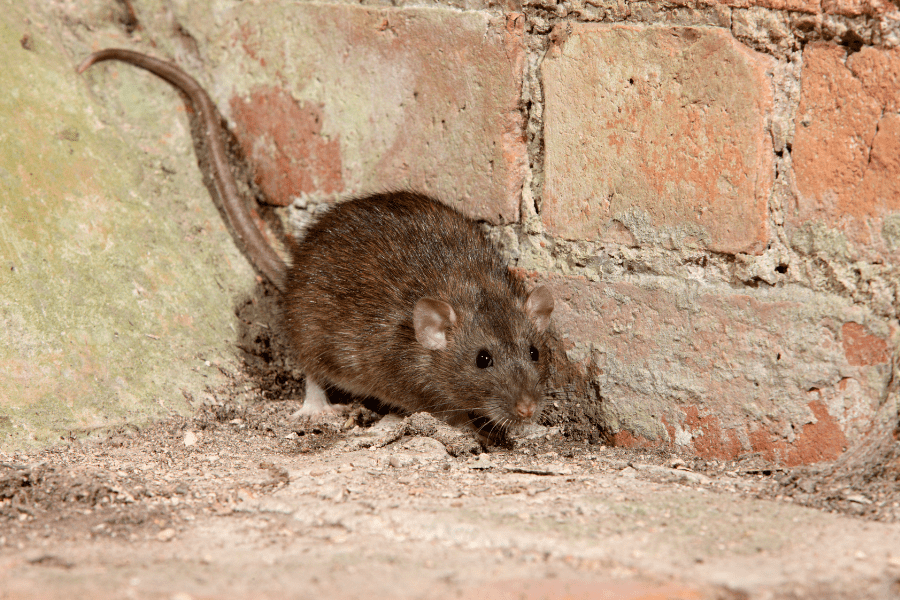
These stocky, heavy-bodied rats are larger and more aggressive than the roof rat. They rely heavily on human activity for survival and will eat anything like cereal grains, meats, fish, nuts, and some fruits. Norway rats are more active at night and can cause considerable damage to homes, gardens, and structures. The main concern is the diseases they are known to spread, which include jaundice, rat bite fever, and salmonella.
Roof Rats
Known as a serious pest problem, they are also dependent on humans for survival and will usually infest homes. They have padded feet that make it easier for them to climb, so they are usually found in attics, eaves, and roof lines. Roof rats are known for spreading multiple diseases, including salmonella, leptospirosis, and rat bite fever. They contaminate food when they are foraging, impacting not just humans, but also pets and livestock.
If you think you have a rodent problem, it’s important to get it taken care of as soon as possible. Reach out to your local wildlife control company so they can create a customized plan to rid your home of rodents.
Sep 29, 2022 | Pest Control
The cooler weather of fall drives many pests indoors in search of warmth from the cold, shelter from the weather, and food when supplies are scarce. These overwintering pests will spend the cold season indoors, often in your home, until the weather warms back up in the spring. Some common fall pests are spiders, rodents, roaches, and stinkbugs. Don’t let these pests take over your home this fall. Keep them out with these 4 fall pest proofing tips.
1. Seal Them Out
The first step in pest-proofing your home is to seal them out. Pests can be very creative when it comes to finding ways into your home. Screen attic vents, chimney openings, mail slots, and pet doors. Seal any cracks or crevices on the exterior of your home with caulk or steel wool. Seal around any utility pipes that enter your home. Replace or repair weatherstripping on doors and windows. Repair any loose mortar around windows and foundations. Install door sweeps on your doors. Repair and replace any window screens.
2. Dry It Out
Most pests need water to survive. Many prefer a moist environment to thrive in. Eliminating sources of water will help keep pests out of your home. Keep crawlspaces, attics, and basements dry and ventilated. Consider crawlspace enclosure. Use a dehumidifier in garages and basements. Make sure you have a proper drainage system installed outside your home. Install gutters and keep them clear of debris. Consider installing gutter guards to help eliminate clogs. Make sure drainpipes are diverting water away from foundations. Repair any leaks as soon as possible. Get rid of any standing water on your property.
3. Clean It Up
Pests will also be drawn to any areas of your home where they can find food. Eliminating these food sources will go a long way towards pest-proofing your home. Keep kitchen counters and appliances clean. Store food in airtight containers. Empty your trash regularly and use trashcans with lids. Clean up after each meal, making sure to not leave dirty dishes in the sink overnight. Seep, mop, and vacuum regularly. Don’t leave pet food or water out overnight.
4. Don’t Forget Outside
Some pests will lurk outside your home and use every opportunity they can to hitchhike their way inside. Store firewood at least 20 feet away from your home and inspect it carefully before bringing it indoors. Keep shrubbery trimmed and grass mowed. Don’t let any limbs or branches touch the exterior of your home. Inspect any storage boxes, decorations, etc. before bringing them inside.
If you have a problem with pests during any season of the year, contact your local pest control company for a thorough evaluation.
You May Also Be Interested In:
3 Types of Cockroaches & How to Prevent Them
Why Am I Seeing Oriental Cockroaches?
Fall Termite Control – Is it Necessary?
Wildlife to Look Out for This Fall
The Importance of Mosquito Treatments