Oct 27, 2023 | Florida Termite Control
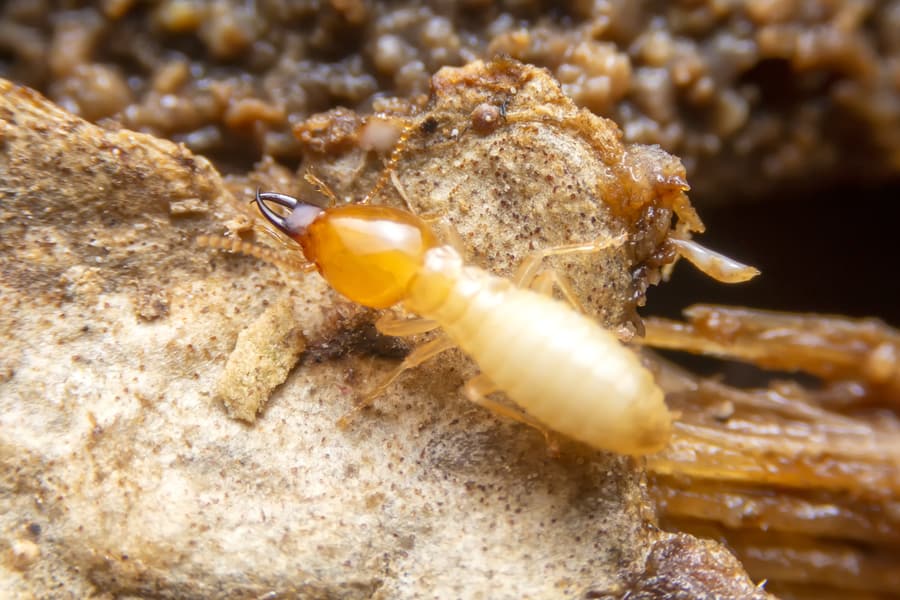
Subterranean termites eat wood from the inside out, often hiding and going undetected until severe damage is done. These termites will often infest homes by entering through stucco, slab foundation, and other hidden areas with access to the structure. The best way to prevent these termites is to understand their signs of infestation so you can begin to eliminate them early before the infestation gets out of hand.
Termite Signs in Homes
Here are 5 signs of subterranean termites in homes:
- Swarms: An early sign that subterraneans are in your home is spotting termite swarms in your neighborhood. These swarms can sometimes be confused with flying ants. Swarms will typically emerge in the spring or early summer to reproduce and establish a new colony. If you see these swarms, it’s a good indicator that a colony is looking for a new place to build their nest.
- Mud Tubes: Subterranean termites build mud tubes to travel back and forth between your home and their nest. You’ll find these on walls, ceilings, floors, exterior surfaces, on the sides of slabs, and are usually the size of a pencil. These tubes help protect them from damage and predators, also allowing them to accumulate moisture to survive.
- Noises: While it can be difficult to hear termite noises, it is possible! If a colony is large and established, you could hear a faint clicking or knocking sound behind your wall or in other voids. This noise is the sounds soldier termites make when they are banging their heads against wood or vibrating their bodies to indicate to the rest of their colony that there is danger.
- Hollow Wood: If you tap on wooden surfaces of your home and hear a hollow or paper sound instead of a solid thud, this is a sign that a termite colony could be established. Additionally, if you spot blistering or bubbling paint, especially near the window and door trim, could be another indication termites are inside.
- Wood Damage: Floor, door, and window damage can indicate that termites have infested. Typical termite wood damage includes floors that buckle or sag and difficulty closing doors or windows.
Consider Termite Treatments
If you notice any of the above signs in your Florida home, it’s best to contact your local termite control company as soon as possible. These professionals will thoroughly inspect your home, provide you with a termite treatment plan for the existing termite colony, and recommend the best prevention plan moving forward to avoid another infestation.

Oct 10, 2023 | Florida Termite Control
Termite Control Oakland Park
Once termites have infested your Florida home, it’s hard to stop their damage. Both drywood and subterranean termites can wreak havoc, often going undetected for long periods of time, with repairs costing thousands of dollars. The best way to avoid termite damage is investing in termite control. Check out some termite control options for your Oakland Park home.
Termite Treatment Options in Florida
Bait Stations
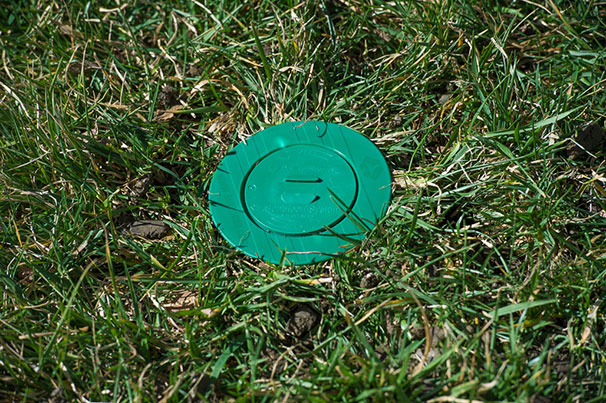
Bait stations, including the Sentricon Always Active Station, are installed by a pest professional and placed at the perimeter of your home to eliminate subterranean termites. The bait stations provide termites with a food source, which contains a slow-acting termiticide treatment that termites will take back to their colony, eventually eliminating it. A bait station is great to utilize where surface treatments cannot be used, including near foundation drains and areas covered by slabs or flooring. This option is a long-termite preventative solution to avoid termite infestations.
Liquid Termite Defense
Liquid termite treatments are a great way to combat subterranean termites and their colonies. This treatment option is a great way to prevent termites from invading your home. The treatment requires a pest control company to dig a trench around the perimeter of your foundation. Once the trench is dug, a termiticide is injected in the proper intervals. The treatment utilized isn’t instant to give enough time for termites to bring it back to the queen and ultimately eliminate the entire colony at hand.
No-Tent Termite Treatment
The no-tent termite treatment option is best used when drywood termites have infested your home. This option is a great alternative to tent fumigation when you’re not able to vacate the home for treatment. A no-tent termite solution utilizes a non-repellent product into drywood termite galleries to eliminate the termites found in your home. The treatment is slow acting to allow the termites who have come in contact with the product to take it back to the queen and colony to eliminate it.
Dealing with a termite infestation is less than ideal so it’s important to understand preventative measures that you can keep in mind and place throughout your home to avoid their infestation.
DIY termite control tips:
- Reduce openings that offer access to termites by filling cracks in cement foundations or around gaps where utilities enter the home with cement, caulk, or grout.
- Eliminate sources of water, including fixing leaks found inside or outside of your home immediately
- Repair and close any entry points that are leading into your home
- Keep your attic and crawlspace well-ventilated to help reduce moisture; consider utilizing a dehumidifier.
- Remove old trees, lumber, or tree stumps found throughout your property
- Contact your local pest control company to provide you with a thorough termite inspection and the best termite control plan based on your home’s needs.
Jun 16, 2023 | Florida Termite Control
Living in South Florida can come with many perks, including lots of sunshine and beautiful ocean views. Unfortunately, it can also come with termites! These silent destroyers can cause significant damage to your home from the inside out. There are several treatment options out there to help keep termites under control, including the Sentricon Always Active® system. Here is more information on subterranean termites, along with ways to prevent and eliminate them.
What are Subterranean Termites?
Let’s talk about these stealthy troublemakers! Subterranean termites are the most common type of termite found in residential areas. They thrive in moist soil and create underground colonies, where they build intricate tunnel systems to access sources of food. Their damage can go unseen for years, hence the nickname, Silent Destroyers.
How to Prevent Subterranean Termites:
- Remove Moisture from Home: Subterranean termites love moisture, so keep an eye on areas prone to dampness, such as crawlspaces and basements. Ensure proper ventilation and address any leaks or water issues promptly. By eliminating excess moisture, you’re making your home less attractive to termites.
- Protect your Home’s Foundation: Keep some space between your home and the landscaping.
- Conduct Regular Inspections: In between your yearly termite inspection, you should be conducting one of your own. Here are the most prominent signs of subterranean termites in your home:
- Mud tubes or tunnels on walls
- Swarming termites and their discarded wings
- Wood damage, like hollow sounding wood, sagging or buckling floors, or warped paint
- Frass or termite droppings near wooden structures
When it comes to termite control for subterranean termites, Sentricon Always Active® baiting system stands out as a highly effective and eco-friendly solution. The stations are strategically placed around your property, forming a protective barrier.
Once termites find the bait, they take it back to their colony for complete elimination. Having Sentricon Always Active® installed for your home ensures continuous protection against subterranean termites, year-round. Our team of experts regularly monitor the bait systems, keeping the efficacy as accurate as possible.
By implementing simple prevention measures you can lessen the chances of these termites taking over. If you’re ready for the experts to get involved, give your local pest control company a call today for a FREE inspection!
May 25, 2023 | Florida Termite Control
South Florida Termite Control: Types of Termites
In South Florida, our warm, humid, and tropical weather is the perfect environment for termites to thrive. If these silent destroyers invade, their damage to your home or property can be devasting and could cost thousands of dollars in repairs. In Florida, there are two common types of termites that homeowners should be aware of: drywood termites and subterranean termites. To prevent these termites, it’s important to understand their differences and methods to keep them from infesting. Read more to learn about drywood termites and subterranean termites.
Common Termites in South Florida
Drywood Termites
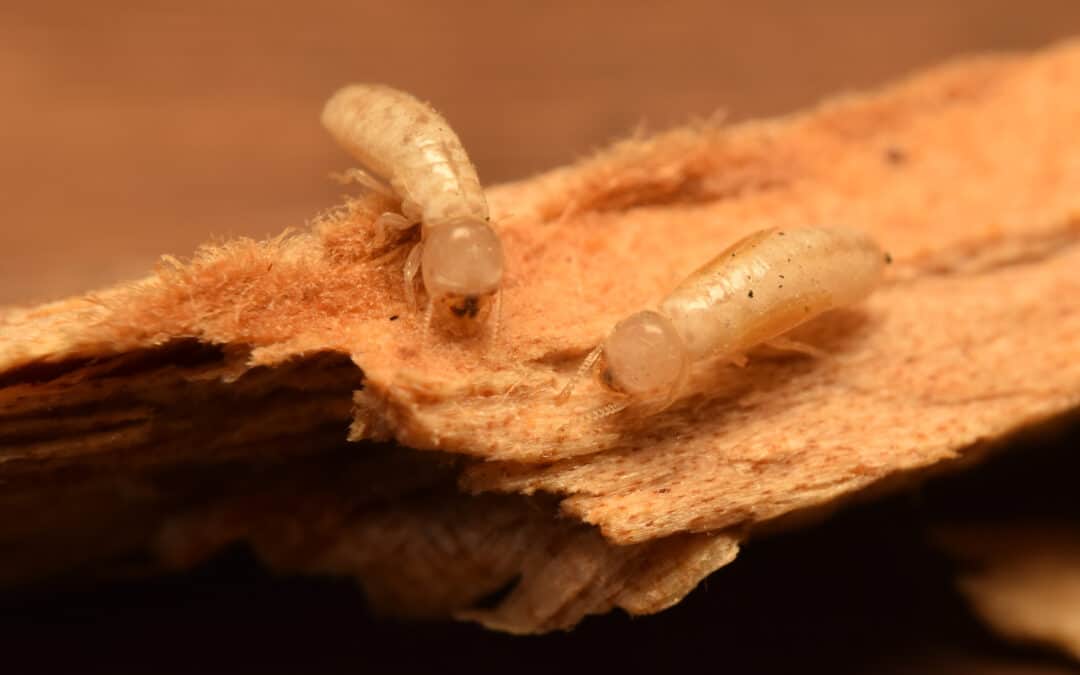
- These termites are brown or white and are larger than subterranean termites.
- They live and nest within wooden structures or dry wood.
- They do not need contact with the soil to live.
- One of the most common signs of their infestation is spotting frass, which can appear in piles in the infestation and often looks like sawdust.
Subterranean Termites
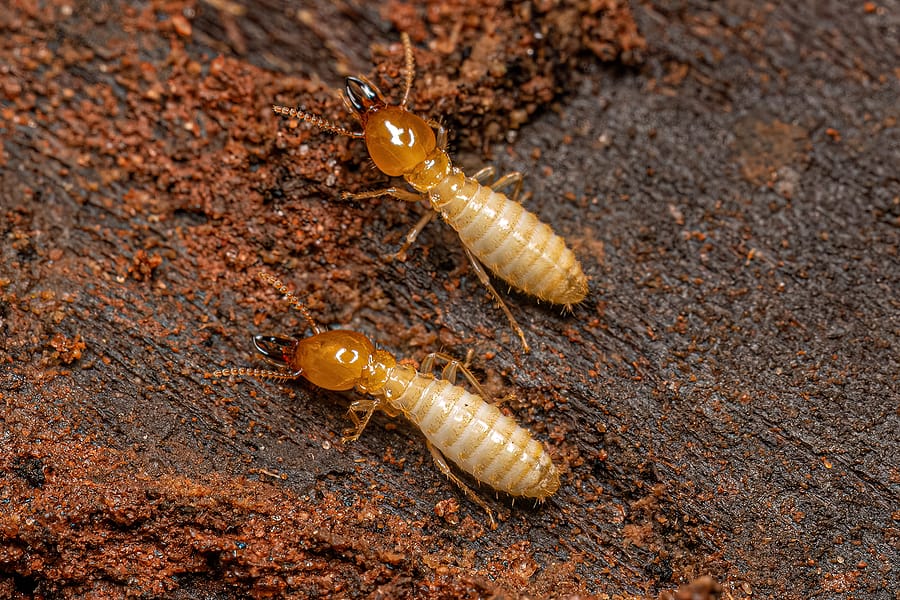
- There are two kinds of subterranean termites, the solider and the alate or flying termites.
- These termites need a water source to survive and will live in the soil to get it.
- These termites build tunnels and nests underground to ensure it’s humid enough and where they can obtain water.
- A sign of their infestation is seeing mud tubes, a mixture of soil, wood, saliva, and feces.
- You can often spot mud tubes along a home’s foundation or floor joints inside a building.
Preventing Termites in South Florida
Preventing both types of termites is essential to protecting the structural integrity of your home. When preventing subterranean termites, look to eliminate any moisture problems from your property, including that your yard has good drainage, fixing leaky pipes, and removing items that can hold water like buckets or old tires. Likewise, make sure that you are being cautious of the areas where there is soil-to-structure contact. For drywood termites, keep firewood at least 20 feet from the home and elevated off the ground, and regularly inspect your deck or patio for signs of damage.
One of the best ways to ensure your home is termite free is to get regular termite inspections from your local termite control company. These professionals will be able to give your home a thorough inspection and recommend the best prevention plan to avoid future termite infestations.
Apr 7, 2023 | Termite Control
Subterranean termites are a frequent problem for homeowners. They are highly destructive insects that can cause extensive damage to your home if left unchecked. It’s critical to act as soon as you suspect an infestation. Let’s break down how to discover a termite infestation and how to handle it.
Identify the Problem
The first step to handling a subterranean termite infestation is to identify the problem. Look for the signs of termite activity, including mud tubes, which are pencil-sized tubes of mud that termites use to travel from their nests to your home; and wings, which termites shed as they establish new colonies. If you find evidence of termites, it’s essential to act quickly.
Inspect Your Home
The next step is to inspect your home thoroughly. Look for any areas that might be open to termite activity, such as wood that is in contact with soil, moisture-damaged wood, and wood that is close to plumbing or heating systems. Pay special attention to the foundation, crawl spaces, and basements, as these are the areas where termites are most likely to enter your home.
Call a Professional
If you suspect you have a termite infestation, it’s important to call a professional pest control company. They have the expertise and equipment to accurately diagnose and treat the problem. A local termite control company can also advise you on the best course of action to prevent future infestations.
Take Preventative Measures
To prevent future termite infestations, you should take a few preventative measures. Keep firewood, piles of leaves, and other organic matter away from your home’s foundation. Ensure proper ventilation in your crawl spaces and basements. Seal any cracks or holes in your foundation and fix any leaks or moisture problems in your home.
If you suspect you have a termite infestation, it’s important to act as soon as possible. With the right help, you can successfully handle a termite infestation and protect your home from further damage. Give your local pest control company a call today for a free termite inspection!