In Miami, termites are a year-round concern. Unlike regions where cooler weather slows pests, our tropical climate allows destructive termites to stay active. October is a critical time for homeowners to remain vigilant, as certain termite species, including the formidable Formosan subterranean termite, continue to silently threaten your property. Understanding the termite threat in Miami is key to protecting your home. This guide explains what to watch for and how to reduce risk.
Why Termites Remain a Major Threat in October
Understanding Year-Round Termite Activity
Miami’s warm, humid climate means termites have no true “off-season.” While swarm season peaks in spring, colonies work continuously. Autumn rain and consistent moisture encourage subterranean termites to forage for wood and other cellulose sources to feed their growing populations.
The Hidden Dangers to Your Home
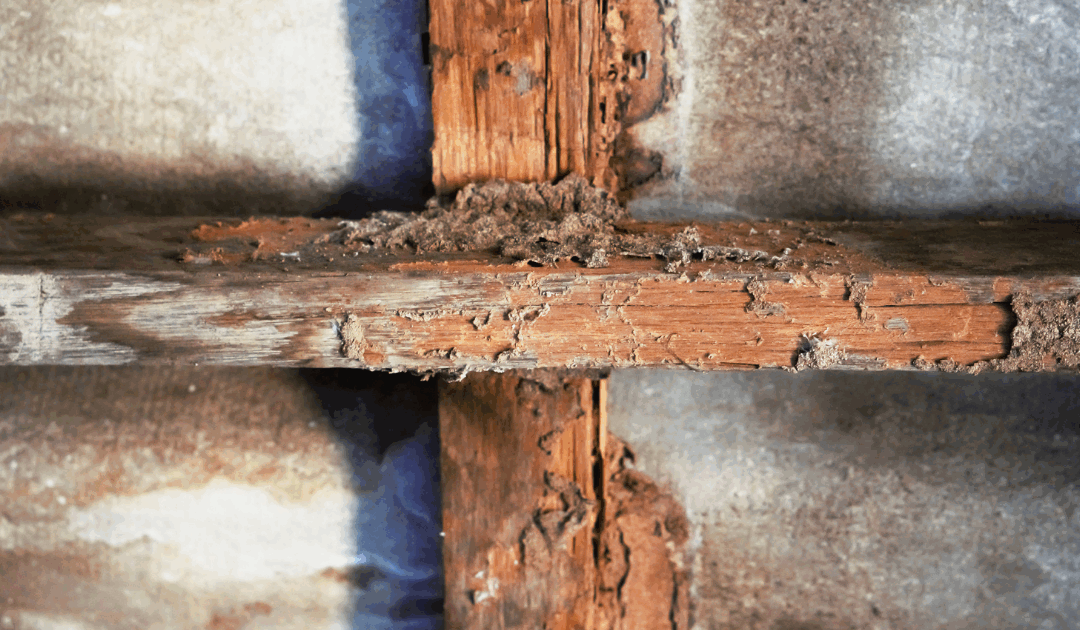
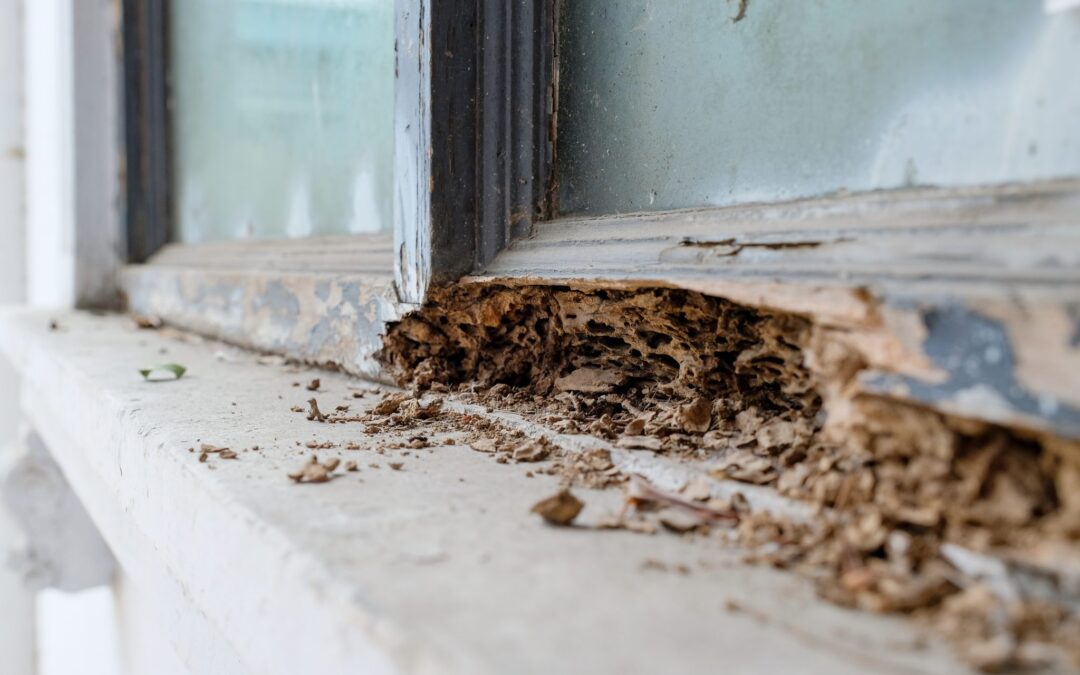
Termites consume wood from the inside out, often leaving no visible damage until the structure is seriously compromised. This can weaken support beams, hollow floors, and damage walls, resulting in costly repairs. The termite threat is not just a nuisance; it directly affects your home’s structural integrity and value.
Identifying an Active Termite Infestation
Mud Tubes
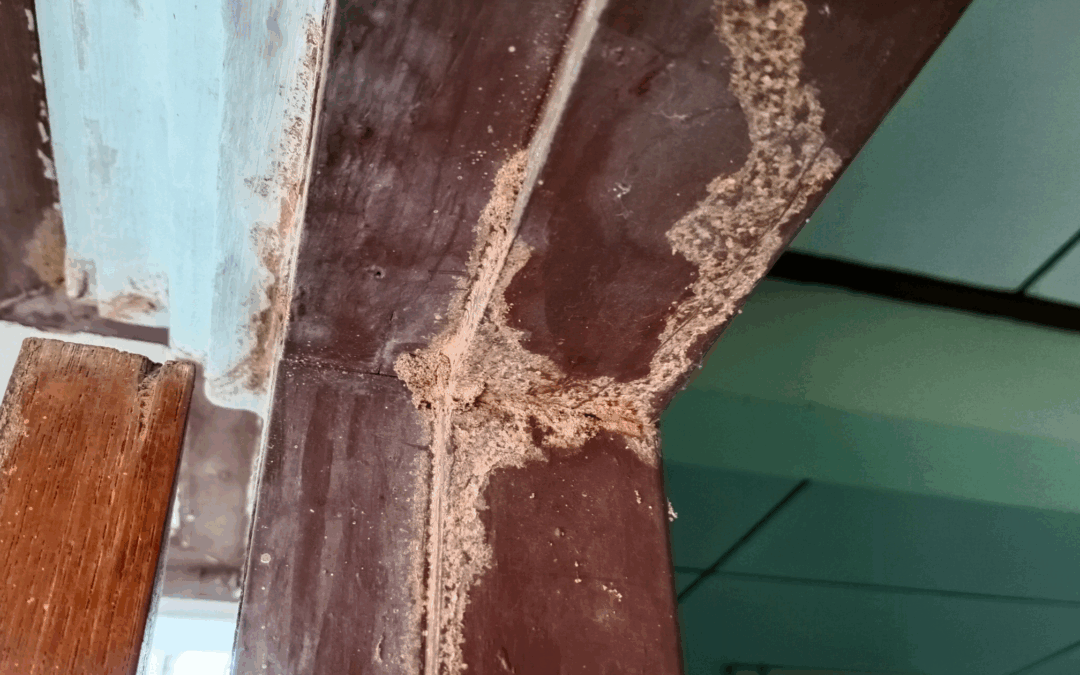
Subterranean termites build pencil-sized mud tubes to travel from underground colonies into your home. Check foundations, crawl spaces, and interior walls for these tunnels.
Discarded Wings
After swarming, reproductive termites shed wings. Look for tiny piles on windowsills, near doors, or caught in spiderwebs—a clear sign a colony is nearby.
Wood Damage
Tap wooden surfaces like baseboards, window frames, and support posts. Hollow or papery sounds, blistering, or darkened wood may indicate termite activity.
Proactive Steps for Termite Prevention
Eliminate Moisture Sources
Termites need moisture to survive. Repair leaky pipes, faucets, or AC units, and keep gutters and downspouts clear to direct water away from your foundation.
Remove Wood-to-Ground Contact
Keep lumber, firewood, and other cellulose debris at least 20 feet from your home on raised platforms. Maintain a gap between mulch or soil and siding to reduce access points.
Staying Ahead of Termites This Fall
Preventing termite damage starts with vigilance. Regularly inspect for mud tubes, discarded wings, and compromised wood while eliminating moisture and wood-to-ground contact. These steps help reduce risk, but established colonies often require targeted strategies.
If you notice any signs of termite activity or want to ensure your home is fully protected, call a certified termite control technician today for a thorough inspection and a customized plan to protect your property.
Fort Myers’ warm, coastal environment makes it a perfect breeding ground for termites, and drywood termites are among the most destructive species in the area. These silent invaders don’t need soil to survive, allowing them to infest wooden structures like walls, furniture, and flooring. Their hidden colonies can cause thousands of dollars in damage before you even spot the problem.
Drywood Termites and Their Hidden Damage
Why Fort Myers Homes Are at Risk
With its consistent warmth and humidity, Fort Myers offers ideal conditions for drywood termites to thrive year-round. Homes with exposed wooden features like decks, siding, or furniture are especially vulnerable to infestations.
Perfect Conditions for Infestations
Year-Round Warmth allows termites to remain active and spread quickly, unlike in areas with colder winters.
Swarming Season: Termites swarm to establish new colonies, often choosing nearby structures. Swarmers are attracted to light, so spotting discarded wings around windows or doorframes is an early clue.
No Ground Contact Needed: Unlike subterranean termites, drywood termites live entirely inside the wood they consume, bypassing the ground and silent tunneling systems that typically reveal termite activity.
For homeowners in the region, staying proactive is key to avoiding long-term structural damage.
Hard-to-Spot but Devastating
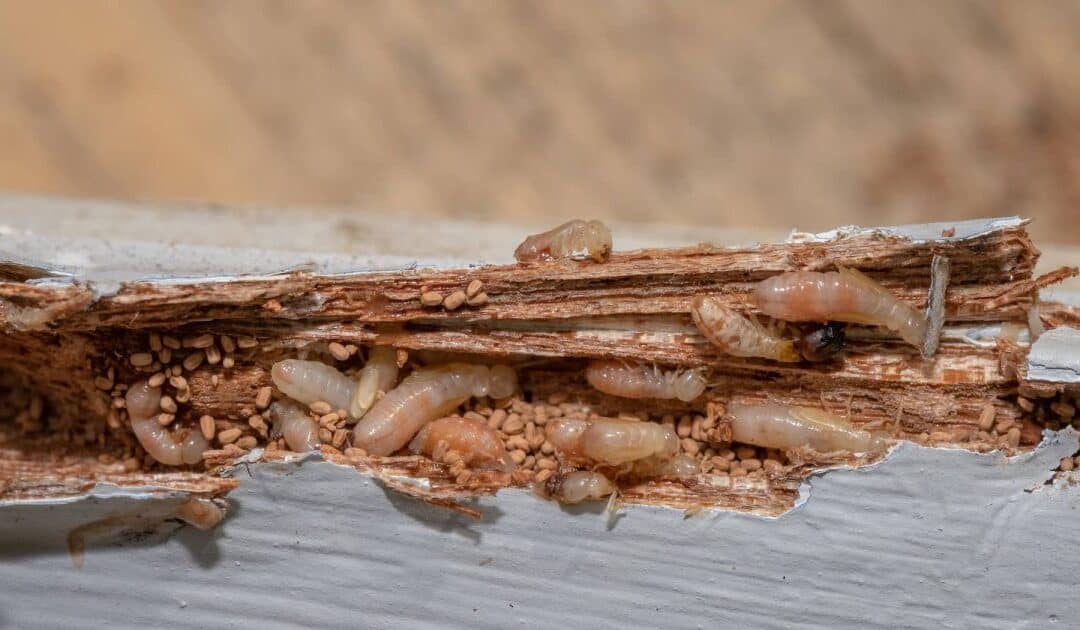
Drywood termites are particularly dangerous because they live and feed within the wood itself, leaving no visible tunnels like their subterranean counterparts. Their infrequent visibility often means the damage is severe by the time it’s found.
Signs of an Infestation
Look for subtle clues that termites may be present in your home, such as:
Frass (Termite Droppings): Small, pellet-like droppings with a distinctive six-sided shape, often found near infested wood. Discarded Wings: Found around windows, doors, or light fixtures.
Hollow-Sounding Wood: Tap on wooden areas; if they sound hollow or weak, it could indicate internal damage.
Warped Doors or Windows: Damaged wood can swell, making doors or windows difficult to open.
Because their colonies remain hidden within the wood, professional inspections are often the best way to confirm termite activity early.
Protecting Your Home from Drywood Termites
Prevention is always easier and more affordable than repairs. Taking proactive steps to safeguard your home can go a long way in avoiding termite issues altogether.
Prevention Tips
Seal Gaps and Cracks: Inspect for openings in walls, roofing, and around utility lines, then close them with caulk or other sealants.
Treat Wood Surfaces: Paint, seal, or varnish exposed outdoor wood, such as decks or siding, to make it less attractive to termites.
Inspect Furniture: Check used furniture closely for termite signs before bringing items into your house.
Clean Regularly: Remove leftover wood scraps, cardboard boxes, or other clutter from around your home that may provide food or shelter for termites.
Schedule Regular Inspections: Professional assessments from termite control experts help detect any termite presence early and prevent damage from spreading.
Take Action to Protect Your Fort Myers Home
Drywood termites may be hidden, but their impact can devastate your home’s integrity and your wallet. The key to combating these invaders is understanding the risks, knowing the signs, and acting quickly when issues arise.
By staying proactive with sealing, inspections, and professional pest control, you can keep your Fort Myers home safe from these silent destructors. Invest in termite prevention today with a pest control company near you and enjoy peace of mind for years to come!
By Anna Vaccaro, Editorial Lead — Pest Education · Last updated: September 2026
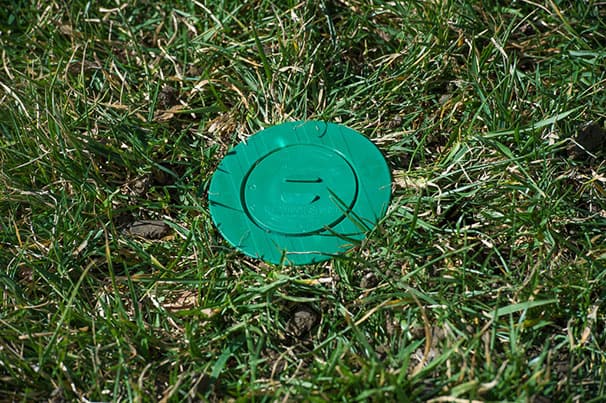
Quick answer: Those green discs set flush in the soil around your foundation are termite bait stations. They are part of a monitoring and colony elimination system, most often the Sentricon System with Always Active technology. Leave them in place, keep them clear of mulch and grass, and let your provider know if one is damaged or missing. Northwest services these stations once a year, which is the interval the manufacturer’s label allows.
Green circles in the yard tend to get noticed on a weekend. You are edging the beds or walking the property line and there they are, a ring of flat green discs spaced evenly around the house. They are not irrigation heads, septic markers, or leftovers from the builder. This guide covers what they are, why they showed up, how often they get serviced, and the handful of things worth doing and not doing once you know.
What Are the Green Circles in Your Yard?
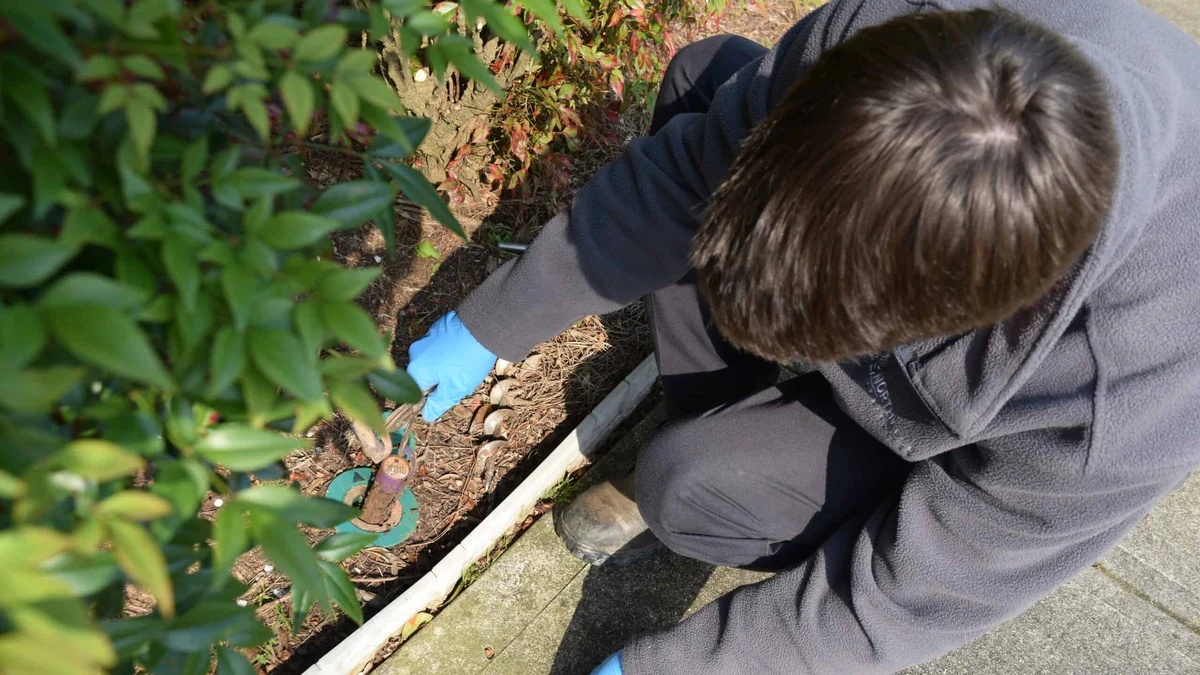
They are termite bait stations, also called termite monitoring stations or in-ground termite traps. Each one is a plastic housing sunk into the ground with a lid that sits flush with the soil, roughly the size of a coffee cup lid. They are installed at intervals around the perimeter of a home, usually every ten feet or so, which is why they read as a deliberate ring rather than something scattered.
The green color is not decorative. It makes the stations findable by a technician a year later, after mulch has been turned over and grass has grown in, while staying unobtrusive enough that most homeowners never think about them.
Most stations in the Southeast belong to the Sentricon System with Always Active technology. They target subterranean termites, the species responsible for the large majority of termite damage in the United States and the reason subterranean termites are treated as a structural risk rather than a nuisance pest.
How Do Termite Bait Stations Work?
A liquid barrier treatment puts a chemical zone in the soil that termites have to cross. Bait works the other way around. Instead of waiting at the perimeter, it gets carried home.
Termites find the bait on their own. Subterranean termites forage constantly through the soil looking for cellulose. A station sitting in their path is simply another food source.
They share it. Worker termites carry the bait back and feed it to the rest of the colony through normal food exchange, so it reaches insects that never visited the station.
The colony stops replacing itself. The active ingredient in Sentricon’s Recruit HD bait is noviflumuron, an insect growth regulator that interferes with molting. Termites have to molt to grow. When they cannot, the colony loses its workers and, with them, its ability to feed the queen.
The word “Always Active” is the part that matters for how the system is serviced. Older baiting systems shipped with an inert piece of wood inside the station. A technician had to visit, find termite activity on that wood, and only then swap in the actual bait. Always Active stations contain bait from the day they go in the ground, so there is no monitoring phase and nothing waiting to be triggered.
Why Did Stations Appear at My Home?
Usually one of four reasons.
New construction. Many builders include termite protection as standard, and in some markets it is required. If the home is recently built, the stations likely went in before you did.
A recent service. Someone scheduled termite protection and installation happened on a weekday you were out.
A previous owner. Termite agreements often transfer with the property. The stations may predate you by years, along with a warranty you have inherited.
A proactive plan. In areas with steady subterranean pressure, plenty of homeowners install protection before there is any sign of a problem, which is the cheapest point at which to deal with termites.
If you are not sure which applies, the paperwork will say. Our explainer on the difference between a termite bond and a termite warranty covers what those agreements actually commit each side to.
How Often Do Termite Bait Stations Need to Be Checked?
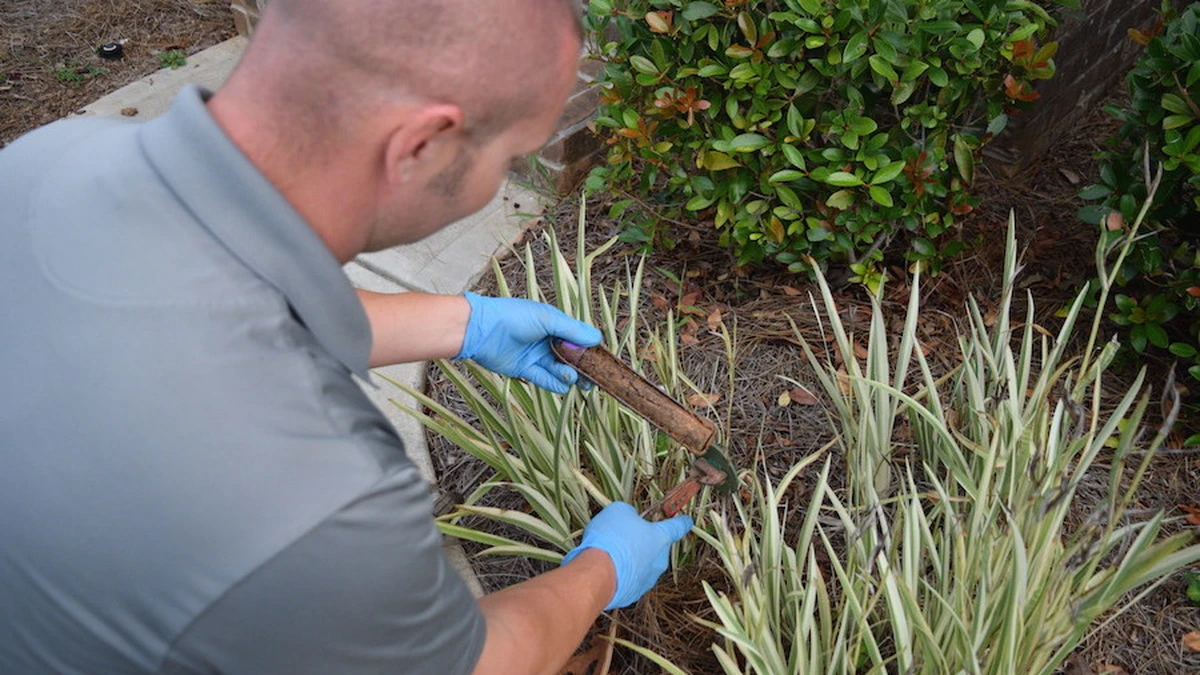
For Sentricon Always Active stations, once a year. That is the interval Northwest works to, and it is what the manufacturer’s label allows. Sentricon states that “label directions for Always Active technology allow your Certified Sentricon Specialist to perform service once per year, though some will come more often.”
That surprises people who remember quarterly visits, so it is worth being clear about why the interval changed. It is not a reduction in protection. It is a consequence of the bait being in the station full time.
Older monitoring systems
Always Active
What is in the station
A wood monitor, no bait
Bait, from installation onward
Why a technician visited
To look for activity and then add bait
To inspect and replenish as needed
Typical interval
Quarterly
Annual
Protection between visits
None until bait was added
Continuous
Annual is the standard interval, not a cap. If a station shows a hit, if there is a history of activity on the property, or if conditions around the structure change, a technician comes back more often. The agreement governs the specifics, so if you want the exact terms for your property, that document is the place to look.
Alongside station service, a Northwest termite agreement includes an annual interior inspection at no extra charge. That is the visit where a technician walks the inside of the home looking for the evidence covered in our guide to what termite inspectors look for.
Are Termite Bait Stations Safe Around Children and Pets?
This is the most common follow-up question, and it deserves a straight answer rather than a reassuring one.
Bait stations contain a registered pesticide. What makes them a low-exposure option is how and where the product sits:
The bait is enclosed and below grade. The station is a locking housing installed in the ground. The bait is not loose in the soil and is not broadcast across the yard the way a spray would be.
The active ingredient targets a process insects depend on. Noviflumuron is an insect growth regulator. It disrupts molting, which is central to how insects grow and irrelevant to mammals.
It stays where it is put. According to the manufacturer, the active ingredient is not systemic, so it is not taken up by nearby plants, and the potential for leaching is very low. That is the reason stations can sit near vegetable beds and ornamentals without a separate conversation.
It is EPA registered. Recruit HD is registered with the Environmental Protection Agency under registration number 62719-608. The Sentricon system also received the EPA’s Presidential Green Chemistry Challenge Award in 2000, in the Designing Greener Chemicals category.
The practical guidance is the same as for anything else in the yard: leave the stations closed, do not let children pry at the lids, and if a station has been broken open or dug up by a dog, call your provider rather than handling the contents.
What Should You Do If You Have Stations in Your Yard?
Very little, which is the point. Four things are worth knowing.
Leave them where they are. Placement is deliberate. Stations are positioned to intercept termites along the routes they actually travel, and moving one to tidy up a flower bed takes it out of that path.
Keep the lids findable. Mulch, grass clippings, pine straw, and soil wash over the lids across a year. A quick clear before a scheduled service saves the technician from probing for a buried station.
Do not cover or pave over them. Landscape fabric, stacked pavers, planters, and stored equipment all block access. If a project is going to change the grade or hardscape near the foundation, tell your provider first so stations can be relocated properly.
Report damage. Mower decks, string trimmers, and contractors take out stations regularly. A cracked or missing station is a gap in the ring, and replacing it is routine.
Mowing over a lid is not a disaster. Leaving the gap unreported for a year is the part that costs something.
Bait Stations or Liquid Treatment: Which Is Right?
Both are legitimate. They solve the problem differently and suit different properties.
Bait stations
Liquid barrier
Approach
Eliminates the colony through shared bait
Treats the soil around the structure
Installation
Stations placed around the perimeter
Trenching and drilling around the foundation
Product volume
Small, contained in stations
Larger, applied through the soil
Ongoing service
Annual inspection
Periodic reapplication as the barrier degrades
Visible in the yard
Yes, the green lids
No
Which one fits depends on the construction of the home, the soil, the drainage, and what the property’s termite history looks like. Our post on the benefits of termite baiting systems goes further into where baiting has the advantage, and Northwest’s termite control service covers both approaches.
For background on the species these systems are built around, the National Pest Management Association maintains a profile of subterranean termites and the damage they cause.
What If You Don’t Have Green Stations?
No stations means no active termite protection, and that is worth knowing rather than assuming. Subterranean termites do not care how old a house is or how well it was built. They need wood and moisture, and every home has the first.
The economics are lopsided in an unusual way for home maintenance. The National Pest Management Association puts termite damage at more than $5 billion a year in the United States, and that damage is typically not covered by homeowners insurance. Prevention and monitoring cost a fraction of structural repair, and an inspection establishes whether there is existing activity and what the property’s actual risk looks like.
How often do termite bait stations need to be checked?
Sentricon Always Active stations are serviced once a year. That is the interval the manufacturer’s label allows, because the bait is present in the station continuously rather than being added after activity is found. Northwest works to that annual schedule and returns more often when a station shows activity or the property’s history calls for it. Your service agreement sets the specific terms.
How long do termite bait stations last?
The stations themselves stay in the ground indefinitely and are replaced only when damaged. The bait inside is inspected and replenished at each annual service. Protection continues as long as the agreement is active and the stations remain in place and accessible.
Do termite bait stations actually work?
Yes, when they are professionally installed, correctly spaced, and serviced on schedule. Bait eliminates the colony rather than repelling foragers, which is why it addresses the source instead of the symptom. The two things that undermine a system are stations that get buried or blocked and lapsed service.
Are termite bait stations safe for children and pets?
The bait is enclosed in a locking station installed below grade, not spread across the yard. The active ingredient, noviflumuron, is an insect growth regulator that disrupts molting. The product is EPA registered and, per the manufacturer, is not systemic and has very low leaching potential. Leave the stations closed, and contact your provider rather than handling the contents if one is broken open.
Can I install termite bait stations myself?
Retail kits exist, but the professional Sentricon system is available only through Certified Sentricon Specialists. Spacing, placement relative to conducive conditions, and documented service history are what make a system effective, and a self-installed system does not come with a warranty on the structure.
What should I do if a station is damaged or missing?
Contact your provider. A cracked lid, a station knocked loose by lawn equipment, or one removed during landscaping leaves a gap in the perimeter. Replacement is routine and does not require re-treating the property.
What to Take Away
Green circles in the yard are not a problem. They are the evidence that someone already dealt with one. Leave them in place, keep them clear, report damage, and expect a technician once a year.
If you are unsure whether your home has active protection, or you have inherited stations with paperwork you have never seen, a termite inspection will tell you where you stand.
About the Author
Anna Vaccaro, Editorial Lead — Pest Education, leads pest education content for Northwest Exterminating, working with senior technicians and service center managers across our Georgia, Alabama, Tennessee, and South Carolina service areas to translate field expertise into homeowner-friendly guides. The focus: accurate, regionally-specific answers to the pest questions Southeast homeowners are actually searching for.
Drywood termites may be small, but their impact on Tennessee homes can be massive. These pests burrow deep into wood, causing hidden structural damage that weakens your property and reduces its market value. Left unchecked, they can lead to costly repairs, hurt resale prospects, and threaten your home’s health. Here’s how to protect your investment.
Why Drywood Termites Are a Problem
Unlike subterranean termites, drywood termites don’t need soil to survive. They infiltrate timber in walls, floors, and furniture, often going undetected until damage is severe. The long-term consequences include:
Structural Damage: Compromised beams and joists create hazards.
Lowered Value: Homes with damage or infestation histories struggle during appraisals and sales.
High Costs: Repairs and treatment expenses can skyrocket if infestations are ignored.
Top Signs of A Drywood Termite Infestation
Detecting drywood termites early can save you thousands. Watch for:
Hollow Wood: Tapping reveals empty interiors.
Droppings: Pellet-shaped frass near affected areas.
Discarded Wings: Swarmers shed these near doors or windows.
Pinholes and Cracks: Small holes or warped wood indicate hidden damage.
How to Protect Your Home From Drywood Termites
Preventative measures are your best defense. Follow these steps:
Inspect Regularly: Check wood for damage, especially in attics and furniture.
Seal Gaps: Close cracks in wood, windows, and vents where termites enter.
Control Moisture: Use dehumidifiers and fix leaks to reduce humidity.
Opt for Treated Materials: Renovations with termite-resistant wood protect your home.
Eco-Friendly Termite Control
For a greener solution to infestations, try:
Boric Acid or Orange Oil: Natural, effective treatment options.
Green Pest Control Services: Professional treatments that prioritize well-being and sustainability.
Protect Now, Save Later
Don’t underestimate the cost of inaction. Drywood termites threaten your Tennessee home’s value and overall health. Act early to spot infestations, prevent damage, and keep your property market ready. Consult pest control professionals to ensure your home remains a secure and termite-free investment.
Ready to get started? Give us a call or click the button below for your FREE termite control quote!
Miami’s warm, humid climate makes it a hotspot for drywood termites. These pests, living entirely within wood, can cause significant damage if left untreated. Unlike subterranean termites, they don’t need soil, making infestations harder to detect. Here’s how to protect your Miami home with effective, eco-conscious treatments and prevention tips from termite control near me.
Protect Your Miami Home with Termite Control Near Me
Drywood Termite Treatment Options
1. Fumigation
For severe infestations, fumigation is a reliable solution. Professionals tent the home and release a gas that penetrates wood to eliminate termites. This treatment leaves no residue behind making this option much healthier for the environment.
2. No-Tent Treatment
No-tent treatment is a less invasive and eco-friendlier solution for smaller infestations. It uses non-repellent products, often derived by adhering to sustainable practices, which target termites directly without affecting other species. This precise application minimizes chemical use while effectively eliminating colonies.
Prevention Tips to Avoid Drywood Termites
Preventing termites isn’t just about keeping your home protected; it’s also an opportunity to adopt greener practices that help the environment. Here are some tips for keeping drywood termites at bay while staying eco-conscious:
Conduct Regular Inspections:
Inspect for signs of termites, such as discarded wings, frass, or damaged wood. Early detection reduces the need for extensive chemical treatments.
Seal Entry Points Using Sustainable Materials:
Use eco-friendly sealants to block gaps around windows, doors, and pipes. Many green options are available that reduce environmental impact and keep pests out effectively.
Reclaim and Reuse:
Always inspect and upcycle old furniture or wood before bringing it into your home. By reusing materials, you reduce waste and curb the spread of termites.
Encourage Natural Predators:
Install outdoor lights that emit wavelengths less attractive to insects, including termites, and foster a garden habitat that encourages natural termite predators like birds and certain insects.
Maintain Responsible Landscaping:
Store firewood away from your home’s foundation and opt for native plants in your landscaping to create a balanced ecosystem. Native plants often require less water and maintenance, reducing humidity and making your property less attractive to termites.
Protect Your Home
Drywood termites can cause costly damage, but with quick action and the right choices, you can protect your home. Contact a Miami-based termite control expert for professional inspections and effective treatments. With proven prevention strategies and reliable solutions, you can safeguard your home and enjoy peace of mind for years to come with termite control near me.
*Inspection fee for Bird Control or Snake Removal begins at $125. These service inspection fees will be applied to total service cost if bird control and/or snake removal services are completed.
By submitting, you agree to be contacted about your quote. See our Privacy Policy.
READY TO GET STARTED?
REQUEST A FREE ESTIMATE
Fill out the form below or call (866) 800-2197 for a free, no-obligation estimate.
READY TO GET STARTED?
REQUEST A FREE ESTIMATE
Fill out the form below or call (866) 800-2197 for a free, no-obligation estimate.
READY TO GET STARTED?
REQUEST A FREE ESTIMATE
Fill out the form below or call (855) 374-3795 for a free, no-obligation estimate.